09-10-2026
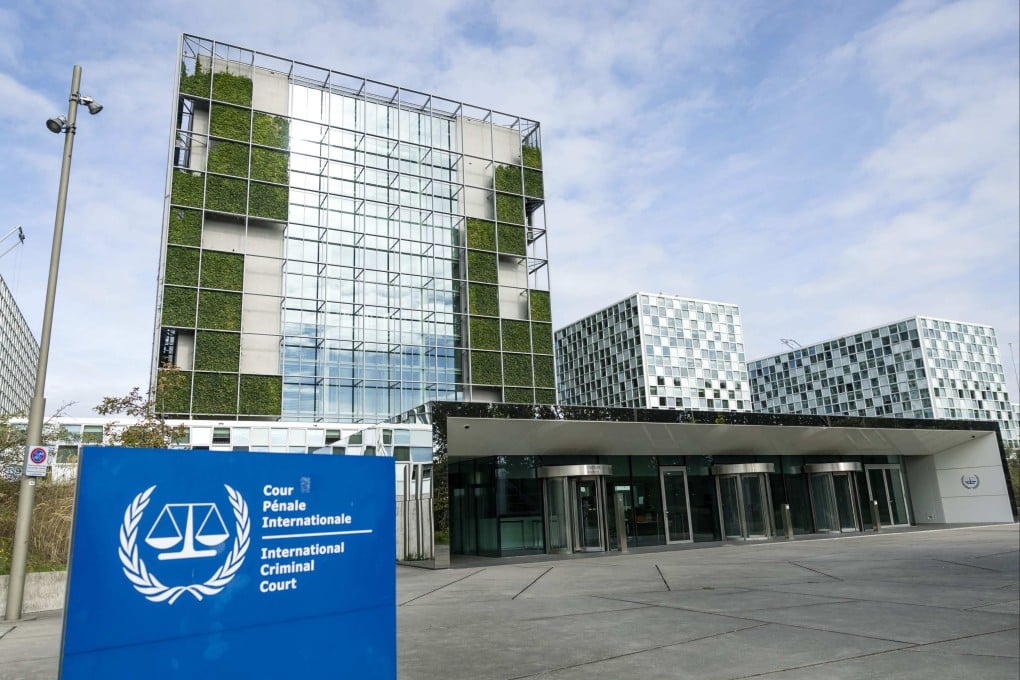
The Trump administration has imposed sweeping sanctions on the International Criminal Court (ICC), escalating its campaign against a court it describes as a threat to US sovereignty. The measures bar US entities from providing the ICC with goods and services, including banking and software, and target the court as an institution rather than only individual judges and officials. Washington says the sanctions are intended to prevent prosecutions of Americans and has offered a six-month grace period for some restrictions, allowing member states time to negotiate a response to US concerns.
The ICC condemned the move as an “assault on the rule of law” and said it would not be deterred. UN Secretary General António Guterres called the decision a serious blow to international criminal justice. The UK and several other countries—including Canada, France, Germany, Italy, Japan, Denmark and the Netherlands—reaffirmed their support for the court and criticized the sanctions. The Netherlands faces particular pressure because the ICC is based in The Hague. Israeli Prime Minister Benjamin Netanyahu welcomed the measures, while US Secretary of State Marco Rubio demanded that allies help rein in the institution.
The US objects to the ICC’s now-closed investigation into US soldiers’ actions in Afghanistan and to its arrest warrants for Israeli officials, including Netanyahu. The ICC was founded in 2002 and has 125 member states, although the US, Russia, China, India and Israel are not members.
The sanctions could undermine the court’s ability to function and hold trials. Professor Ryan Goodman warned that detainees might have to be released if the court cannot conduct fair trials or appeals. Among those awaiting trial in The Hague is former Philippine president Rodrigo Duterte, accused of extrajudicial killings during his administration’s drug war. The sanctions include licenses allowing services needed to operate detention facilities, but Goodman said financial constraints could still make continued detention legally untenable. The article describes the confrontation as potentially the gravest crisis in the ICC’s history.
Entities: Donald Trump, Marco Rubio, Navi Pillay, António Guterres, Tom Berendsen • Tone: analytical • Sentiment: negative • Intent: inform
09-10-2026
The Trump administration imposed sanctions on the International Criminal Court (ICC), escalating its campaign against the court after previously sanctioning more than a dozen judges and prosecutors. Announcing the action, Secretary of State Marco Rubio said the United States would end the ICC if it did not stop what he called its threats, and vowed to dismantle it “brick by brick.” The sanctions block ICC assets under U.S. jurisdiction and generally prohibit U.S. individuals and companies from doing business with the court. The Treasury Department is allowing some services to continue for 180 days while member states have an opportunity to address Washington’s concerns.
The United States objects to the ICC’s investigation of alleged war crimes by U.S. personnel in Afghanistan and its arrest warrants for Israeli leaders over alleged crimes in Gaza. Neither the United States nor Israel is party to the Rome Statute. The ICC says it may prosecute crimes committed on territory under its jurisdiction, including when suspects are citizens of non-member countries.
The court condemned the sanctions as interference and intimidation, calling them an assault on the rule of law. President Tomoko Akane said it would continue its work independently and impartially and appealed to its 125 member states for support. Foreign ministers from Canada, Denmark, Germany, France, Italy, Japan, the Netherlands and the United Kingdom also criticized the U.S. action, warning of consequences for the court, its staff and their families.
The sanctions announcement followed the Nobel Peace Prize award to Navi Pillay, a former ICC judge who later served as U.N. High Commissioner for Human Rights. Pillay led a U.N. inquiry that concluded there were reasonable grounds to find that Israel had committed and was continuing to commit genocide in Gaza; Israel rejected the findings as false. Pillay said international law and human rights were under political attack, citing the pressure on the ICC. Israeli Prime Minister Benjamin Netanyahu’s office condemned the Nobel Committee’s decision. The article also connects Rubio’s position to a recent speech in Athens criticizing the transfer of national authority to international bureaucracies.
Entities: International Criminal Court (ICC), U.S. sanctions against the ICC, Marco Rubio, Tomoko Akane, Navi Pillay • Tone: analytical • Sentiment: neutral • Intent: inform
09-10-2026
The United States announced sanctions against the International Criminal Court (ICC), saying it would ban transactions with the court and seek to weaken its ability to operate. Secretary of State Marco Rubio said President Donald Trump would not allow the ICC to prosecute Americans and warned that the United States would continue its campaign against the court unless it ended what the administration considers threats to US citizens. The administration and its allies have objected to ICC investigations involving US military actions in Afghanistan and arrest warrants for senior Israeli officials, including Prime Minister Benjamin Netanyahu.
The ICC condemned the sanctions as an attempt to obstruct an independent court. Its president, Tomoko Akane, said the court would continue its work impartially and appealed to member states to ensure it had the resources to do so. A group of ICC-member countries, including Germany, Canada, France and the United Kingdom, expressed strong disagreement with the sanctions and warned of their effects on the court, its staff and their families. Netanyahu, by contrast, welcomed the US action and described the ICC as a political body that threatens democracies and national sovereignty.
The announcement came hours after the 2026 Nobel Peace Prize went to Navi Pillay, a former ICC judge. The Nobel Committee’s remarks emphasized the importance of the rule of law and referred to judges and institutions facing sanctions and attacks. The article explains that the ICC, based in The Hague, was established in 2002 under the Rome Statute and can prosecute individuals for crimes including genocide, war crimes and crimes against humanity. It has 125 member states, while major powers such as the United States, China, India, Israel and Russia are not parties. The court can nevertheless consider cases involving people from non-member states under certain circumstances.
The sanctions follow growing pressure from the Trump administration, including earlier sanctions on ICC officials, public criticism by Trump and Rubio, and efforts by some governments to withdraw from the Rome Statute. The article also notes that a scandal involving former chief prosecutor Karim Khan has added to criticism of the court.
Entities: Donald Trump, Marco Rubio, International Criminal Court (ICC), Tomoko Akane, Benjamin Netanyahu • Tone: analytical • Sentiment: negative • Intent: inform
09-10-2026
The European Union has called US sanctions against the International Criminal Court (ICC) “deeply regrettable” and pledged to support the court’s ability to continue its work. The European Commission said it would work closely with the ICC and noted that the six-month delay before the sanctions take effect could leave time for dialogue. One potential EU response is its “blocking mechanism,” which can prohibit European businesses from complying with certain US sanctions, including through deliberate inaction.
European Council President Antonio Costa and Dutch Prime Minister Rob Jetten voiced support for the ICC at a joint press conference in The Hague. Costa argued that international justice is an alternative to revenge and necessary for lasting peace, while urging the United States to use the coming months to resolve the dispute. Jetten said the Netherlands would do whatever was necessary to defend the court.
The Trump administration imposed the sanctions, alleging that the ICC is politically biased and unfairly targets Americans and Israelis over alleged war crimes. US Secretary of State Marco Rubio said the measures would cut off transactions and resources. They freeze ICC assets in the United States and give US companies and individuals six months to end business dealings with the court. Israeli Prime Minister Benjamin Netanyahu welcomed the decision, describing the ICC as a political body and a threat to national sovereignty. The court has issued an arrest warrant for him over alleged crimes in Gaza.
The ICC condemned the sanctions as an attempt to obstruct justice and an attack on the rule of law and international legal order. Its president, Tomoko Akane, said the court would continue its work independently and impartially, based on law and evidence, on behalf of victims of grave crimes.
Entities: International Criminal Court (ICC), European Union, European Commission, United States, Antonio Costa • Tone: analytical • Sentiment: neutral • Intent: inform
09-10-2026
The article reports that the administration of US President Donald Trump imposed sanctions on the International Criminal Court (ICC) on Friday, October 9, 2026. The announcement came only hours after a former ICC judge won the Nobel Peace Prize, a timing highlighted in the headline and opening paragraph. The article says the move puts Washington on a diplomatic collision course with European allies and notes that the Trump administration has long been hostile to the court. It does not specify the sanctions’ targets, legal basis, or practical effects.
The ICC condemned the sanctions, describing them as an “assault on the rule of law and on the very foundations of the international legal order.” In a statement, the court called on its 125 member states to take action to defend it. It argued that the institution cannot stand alone and that its future also depends on the states that established it. The statement framed the dispute as broader than the defense of one organization, saying that the international order based on the rule of law was at stake and that history would judge the moment.
The report thus presents the sanctions as both a significant US-ICC confrontation and a potential source of friction with European allies. Its focus is on the timing of the action, the administration’s established hostility toward the court, and the ICC’s appeal for support from its member states. The short article does not include a response from the US government or further details about the former judge’s Nobel award.
Entities: Donald Trump, International Criminal Court (ICC), Nobel Peace Prize, United States, Washington • Tone: analytical • Sentiment: neutral • Intent: inform
09-10-2026
The article reports that the Trump administration imposed new, aggressive sanctions on the International Criminal Court (ICC) on a Friday. The sanctions came only hours after a former judge of the court received the Nobel Peace Prize. The report presents the timing as notable and places the action within a longer-running conflict: the administration has repeatedly clashed with the ICC and considers the institution corrupt and illegitimate. The sanctions therefore represent a significant escalation in the U.S. administration’s confrontation with the international body.
The ICC investigates war crimes and other crimes against humanity, giving the dispute broader significance for international justice. However, the supplied text is only a brief excerpt, not the full article. It does not identify the former judge, specify the sanctions imposed, explain their practical effects, or include responses from the court or other parties. Those details cannot be established from the provided material. The summary is consequently limited to the reported action, its timing, the administration’s stated view of the court, and the article’s characterization of the move as an escalation.
Entities: Donald Trump, Trump administration, Susannah George, International Criminal Court (ICC), Nobel Peace Prize • Tone: analytical • Sentiment: negative • Intent: inform