09-10-2026
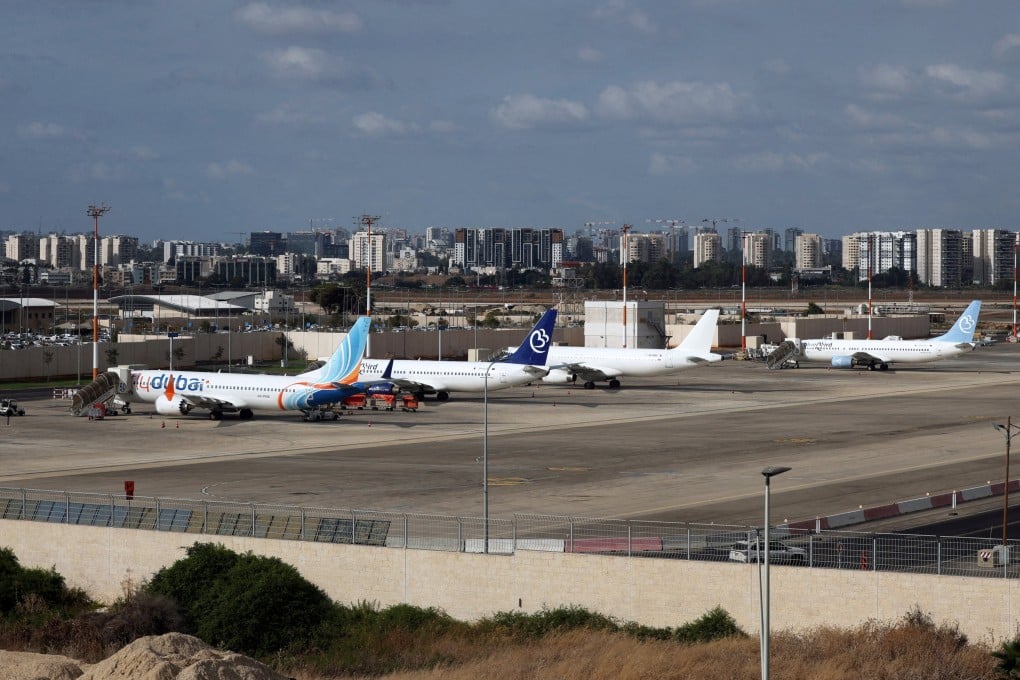
The United Arab Emirates’ top prosecutor says an Omani co-pilot on a Flydubai flight from Dubai to Tel Aviv planned to crash the aircraft into Tel Aviv’s international airport in a suicide attack. Attorney General Hamad Saif al Shamsi’s findings, released Friday and reported by state media, say the plot was inspired by the September 11, 2001, attacks and intended to cause the greatest possible loss of life. Investigators believe the co-pilot had taken two earlier flights to Tel Aviv to learn the route and airport.
The co-pilot had worked for airlines in several countries, including Oman Air and Royal Air Maroc, before joining Flydubai in January 2026. Prosecutors said he met the airline’s professional and security requirements, including holding a pilot’s license, supplying a good-conduct certificate, and completing background checks. They said those procedures gave no indication of extremist views or an intention to carry out a terrorist plot. The prosecutor’s statement did not appear to allege wrongdoing by Flydubai.
The incident occurred on September 30. The co-pilot allegedly attacked the Indian captain with an ax, injuring him. After the captain opened the cockpit door, passengers and crew overpowered the attacker, and the plane made an emergency landing in Saudi Arabia. Passengers described rushing into the cockpit and struggling to regain control after the aircraft suddenly descended about 5,000 meters (17,000 feet). Most passengers were Israeli, and they were praised as heroes in Israel. The article reports the prosecutor’s account and the events aboard the flight; it does not state that the investigation has concluded.
Entities: Hamad Saif al Shamsi, Flydubai, United Arab Emirates, Oman, Tel Aviv • Tone: analytical • Sentiment: negative • Intent: inform
09-10-2026
A Flydubai co-pilot from Oman who attacked the captain aboard a Dubai-to-Tel Aviv flight on 30 September had planned to crash the aircraft into Tel Aviv’s international airport, according to findings from the United Arab Emirates’ top prosecutor published by state media. The prosecutor said the co-pilot was inspired by Al-Qaeda’s 11 September 2001 attacks in the United States and intended to cause “the greatest possible loss of life.” The findings also said he had met the professional and security requirements for employment, including holding a pilot’s licence, supplying a certificate of good conduct and completing required checks. The article notes that he had previously been barred from flying in Oman over extremist views.
Passengers said the aircraft suddenly dropped about 5,000 metres. The co-pilot attacked the Indian captain with an axe, but the captain managed to open the cockpit door. Passengers and crew then subdued the attacker, and the plane made an emergency landing in Saudi Arabia. Most of those aboard were Israeli.
On Thursday, Israeli President Isaac Herzog presented the Presidential Award for Civilian Heroism to six Israelis who helped prevent the hijacking. Herzog praised their bravery but said their actions did not remove the need for clear answers. Prime Minister Benjamin Netanyahu also praised the passengers and captain and ordered a thorough review of security aspects concerning foreign civil aviation to Israel. The article reports the prosecutors’ account and the Israeli response, while highlighting questions about how the co-pilot passed the employment and security checks.
Entities: Flydubai, Omani co-pilot, Tel Aviv, United Arab Emirates, Saudi Arabia • Tone: analytical • Sentiment: negative • Intent: inform
09-10-2026
The United Arab Emirates’ top prosecutor says an Omani co-pilot planned to crash FlyDubai flight 1073 into Tel Aviv’s international airport in a suicide attack inspired by al Qaeda’s September 11, 2001 attacks. The Israel-bound flight, carrying 182 people, made an emergency landing at Tabuk Airport in Saudi Arabia after a steep descent damaged part of its rudder. Passengers, most of them Israeli, reported a sudden loss of altitude and a struggle for control. They were later flown onward to Israel on another FlyDubai aircraft.
According to findings published by UAE state media, the co-pilot attacked the Indian captain, Smit Machchhar, with an emergency axe. The captain fought back and tried to call for help. A pilot assigned to the return flight, who was also aboard, noticed unusual movement at the cockpit door. He and a cabin crew member and several passengers entered, rescued the injured captain and restrained the suspect, allowing the return-flight crew to land safely in Saudi Arabia.
The prosecutor said the suspect had become radicalised while studying in Australia, where he read extremist literature and followed online content praising terrorist organisations and suicide attacks. The co-pilot had flown to Tel Aviv twice before the incident and allegedly used those trips to plan the attack. He was in UAE custody at the time of the report.
The case raised questions about aviation screening. The prosecutor said the co-pilot had met employment and security requirements, and that routine procedures had not revealed extremist views or evidence of a plot. Media reports said he had previously been barred from flying in Oman over concerns about his views. Israeli Prime Minister Benjamin Netanyahu praised the captain and passengers and ordered a review of security for foreign civil aviation to Israel. The article also notes the close UAE-Israel relationship established under the 2020 Abraham Accords.
Entities: FlyDubai flight 1073, United Arab Emirates, Oman, Tel Aviv, Ben Gurion International Airport • Tone: neutral • Sentiment: negative • Intent: inform
09-10-2026
UAE authorities say a co-pilot on a Flydubai flight bound for Tel Aviv planned to take control of the aircraft and crash it into the passenger terminal at Israel’s main international airport. The alleged plan came to light after the co-pilot attacked the captain with an axe during the flight on September 30. According to a statement from the UAE’s top prosecutor, the suspect intended to cause as many casualties as possible. Most of the flight’s 174 passengers were Israeli.
The prosecutor said the co-pilot, identified by The Associated Press as 29-year-old Omani national Hamam al-Hammami, was inspired by the September 11, 2001, attacks in the United States. Authorities said he had taken two earlier flights from Dubai to Tel Aviv to familiarize himself with the route and airport. The statement said airline security and professional checks had not identified extremist views or attack plans, and that Hammami confessed to acting alone. It also said he gave a detailed account of his motives and planning in the presence of his lawyer.
The UAE prosecutor’s update was the most comprehensive account since the UAE assumed the investigation shortly after the incident. Authorities also suggested Hammami had been radicalized at a mosque in Australia while studying at the Royal Melbourne Institute of Technology in 2017. The article notes that Flydubai is a government-owned airline. These details are presented as claims from UAE authorities or reporting attributed to the AP; the article does not provide an independent account of the suspect’s alleged plans.
Entities: Hamam al-Hammami, Flydubai, United Arab Emirates, Tel Aviv, Israel’s main international airport • Tone: neutral • Sentiment: negative • Intent: inform
09-10-2026
The United Arab Emirates’ attorney general says an Omani co-pilot employed by Flydubai intended to take control of a Dubai-to-Tel Aviv flight on September 30 and crash it into a terminal at Israel’s Ben Gurion Airport. According to the statement, the captain thwarted the alleged plan. UAE public prosecutors believe the proposed suicide attack was inspired by the September 11, 2001, attacks in the United States.
The attorney general, Hamad Saif al Shamsi, issued the account on Friday. The article says his statement provided prosecutors’ most detailed public description of the suspected plot so far, while not appearing to implicate Flydubai in wrongdoing. The airline was not immediately available for comment.
A criminal investigation began on October 1. Investigators reportedly found that the suspect had taken two earlier flights to Tel Aviv, which prosecutors believe he used to familiarize himself with the route and the airport. The state news agency WAM reported that finding. The article describes this as the first public confirmation of the co-pilot’s alleged September 11 inspiration. Its account is attributed to UAE authorities and prosecutors; it does not provide a response from the suspect or further details about the investigation.
Entities: Hamad Saif al Shamsi, Flydubai, United Arab Emirates, Oman, Dubai • Tone: neutral • Sentiment: negative • Intent: inform
09-10-2026
The available article excerpt reports that a FlyDubai co-pilot is accused of attacking the pilot with an ax and trying to seize control of a commercial flight bound for Israel. According to the United Arab Emirates, the co-pilot intended to crash the aircraft into the passenger terminal at Ben-Gurion International Airport, Israel’s main airport. The report characterizes the alleged plan as comparable to a 9/11-style attack. The excerpt says the incident occurred the previous week, but provides no further details about the flight, the accused co-pilot, the pilot’s condition, how the attempt was stopped, or the evidence behind the UAE’s account. It also does not include responses from FlyDubai, Israeli authorities, or the accused. Because the supplied content consists only of a headline and one sentence of article text, it is not possible to provide a fuller account or independently assess the allegations. The summary therefore reflects only claims explicitly stated in the provided excerpt, not additional reporting from the linked article.
Entities: FlyDubai, United Arab Emirates, Ben-Gurion International Airport, Israel, commercial aviation • Tone: urgent • Sentiment: negative • Intent: inform