08-10-2026
US stocks closed lower on Wednesday after reaching record highs in the previous session, as investors weighed renewed concerns about disruption to Middle East oil supplies and rising Treasury yields. Bond yields reportedly reached their highest level in more than 20 years, with investors concerned that costly oil could add to inflation and influence interest rates. Oil prices fluctuated amid reports of increasing attacks on shipping in the Gulf and the Strait of Hormuz. Brent crude rose to $101.53 a barrel and US West Texas Intermediate reached $89.39 early Thursday.
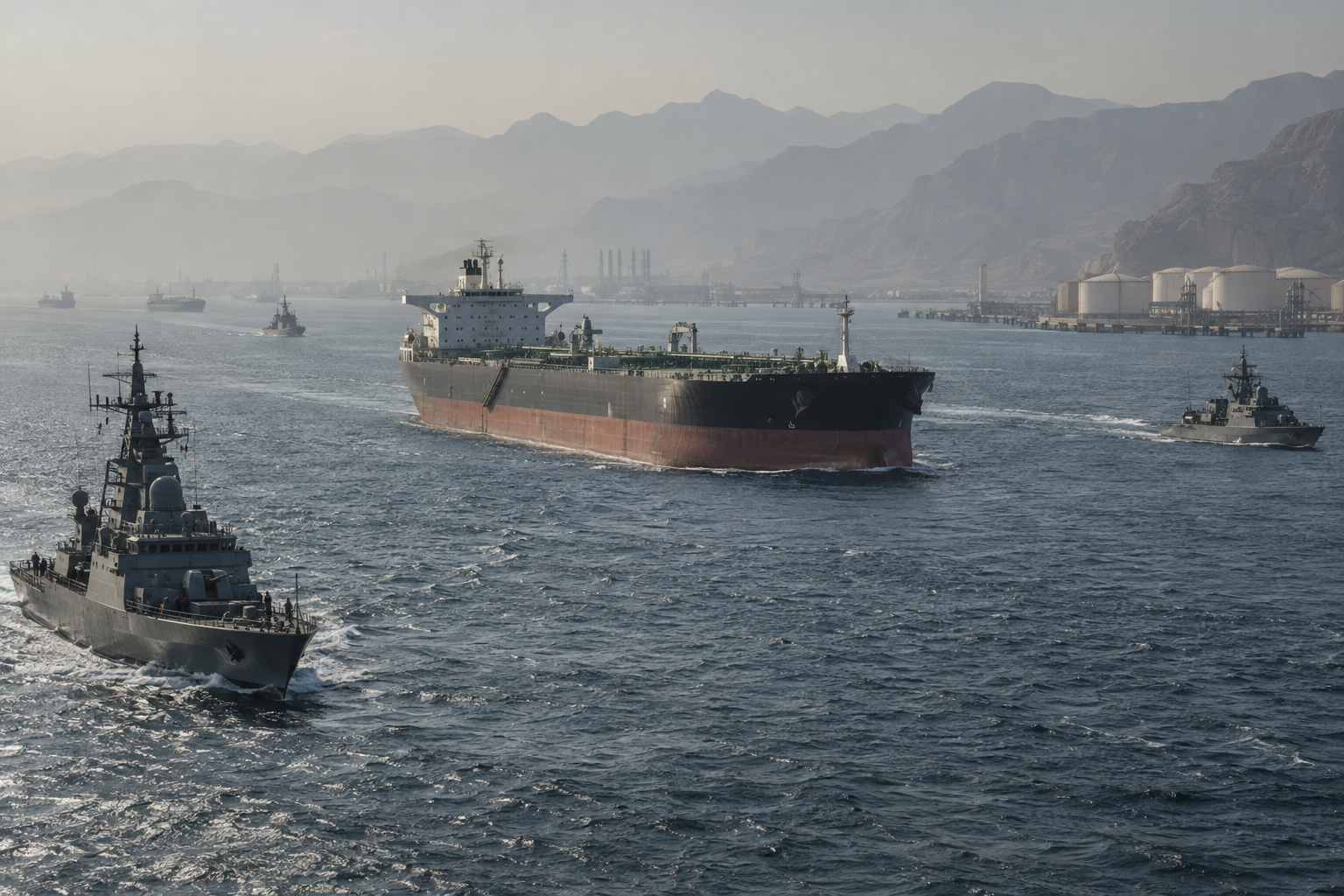
The International Energy Agency said its member countries were prepared to release more oil from reserves if needed, with diesel a priority because of tight supplies. The announcement followed a G7 agreement, coordinated with the IEA, to release 100 million barrels of diesel and crude oil to address supply concerns stemming from the United States-Iran war. The IEA statement helped calm markets after a report from the UK Maritime Trade Operations agency said nine tanker attacks had occurred in the Strait of Hormuz that month—half the combined September total for the strait and Gulf.
US Secretary of State Marco Rubio maintained Washington’s position that it controlled the strait and that oil flows were near normal. Shipping data indicate that Gulf oil exports excluding Iran recovered to more than 81 percent of pre-war levels in September, while exports from the wider Middle East exceeded pre-war levels on 14 days. However, the recovery is taking place alongside increased attacks and higher freight, insurance, and security costs. An attack by an unknown projectile injured 12 crew members aboard a Panama-flagged tanker crossing the Strait of Hormuz, according to India’s Ministry of External Affairs.
Entities: US stocks, Treasury yields, Nasdaq, S&P 500, Brent crude • Tone: analytical • Sentiment: negative • Intent: inform
08-10-2026
The live updates report on escalating regional conflict and the possibility that President Donald Trump could resume U.S. strikes on Iran before the November midterm elections. The Atlantic, citing two administration officials, reported that the White House asked the Pentagon to prepare strike options. The targets and scale remain under discussion, and a broader operation could follow the November 3 vote. According to the report, supporters of the preparations hope renewed attacks could project U.S. strength and help ease voters’ concerns about gas prices, though they do not expect the strikes to bring Iran back to negotiations or reopen the Strait of Hormuz. Brent crude rose more than 4% after the report. The White House said Trump retains all options and asserted that the U.S. has a strong position, while Trump has previously made conflicting statements about whether further strikes might occur before or after the election.
The updates also describe Houthi missile claims and heightened precautions in Saudi Arabia. The Saudi-led coalition said it intercepted two missiles fired toward Riyadh, while the Houthis claimed to have targeted the capital’s main airport. Explosions were heard, diplomats sheltered in embassies, schools moved children to basements, and some businesses reportedly evacuated staff. The Houthis have also targeted Saudi energy infrastructure and military sites, and earlier attacks reportedly killed three people.
Elsewhere, EU foreign policy chief Kaja Kallas said the bloc supports extending the U.N. peacekeeping mission’s mandate in southern Lebanon, where Israeli forces remain and fighting continues despite a June agreement involving Lebanon, Israel, and the United States. The article also reports that the UAE revoked landing permission for Israeli airlines, forcing cancellation of planned Dubai-to-Tel Aviv repatriation flights. Thousands of Israelis had been stranded after FlyDubai suspended Tel Aviv service following an alleged attempted attack by a co-pilot.
Entities: Donald Trump, The Atlantic, Pentagon, Iran war and potential renewed U.S. strikes, U.S. midterm elections • Tone: analytical • Sentiment: negative • Intent: inform
08-10-2026
Oil prices rose sharply on Thursday as escalating security risks in the Middle East and the threat of Hurricane Isaias to U.S. offshore production raised concerns about supply. Brent crude gained 4% to close at $104.28 a barrel, while U.S. West Texas Intermediate rose 3.6% to settle at $91.49. Nine tankers have been attacked in and around the Strait of Hormuz over the past week, putting the recent recovery in oil flows through the strategic waterway at risk. Kpler data showed that 9.5 million barrels per day passed through Hormuz in the week ending Tuesday, about 30% below normal prewar levels. Total crude flows from the Middle East, including pipeline routes that bypass the strait, reached 16.4 million barrels per day, nearly matching prewar levels.
Prices retreated from their session highs after President Donald Trump said the United States would not attack Iran before the November midterm elections. Earlier, NBC News, citing unnamed sources, reported that Trump and his national security team were considering renewed strikes in the coming weeks. The article also describes escalating regional hostilities: Iran-backed Houthi militants fired missiles at airports in Riyadh and Abha, killing three people and injuring 36, according to Saudi state-owned media. Saudi forces intercepted another volley aimed at Riyadh and Khamis Mushait on Thursday.
Meanwhile, companies shut in about 500,000 barrels per day—25% of offshore production in the Gulf of Mexico—as Hurricane Isaias moved toward the coasts of Alabama, Mississippi, and Florida’s panhandle. TD Securities commodity strategist Ryan McKay said that even with regional flows largely normalized, the need for U.S. Navy escorts, higher costs, logistical difficulties, and persistent attack risks could undermine the long-term viability of those flows. He said these factors justified a continuing risk premium in oil prices.
Entities: Brent crude, West Texas Intermediate (WTI), Strait of Hormuz, Iran, Donald Trump • Tone: analytical • Sentiment: negative • Intent: inform