08-10-2026
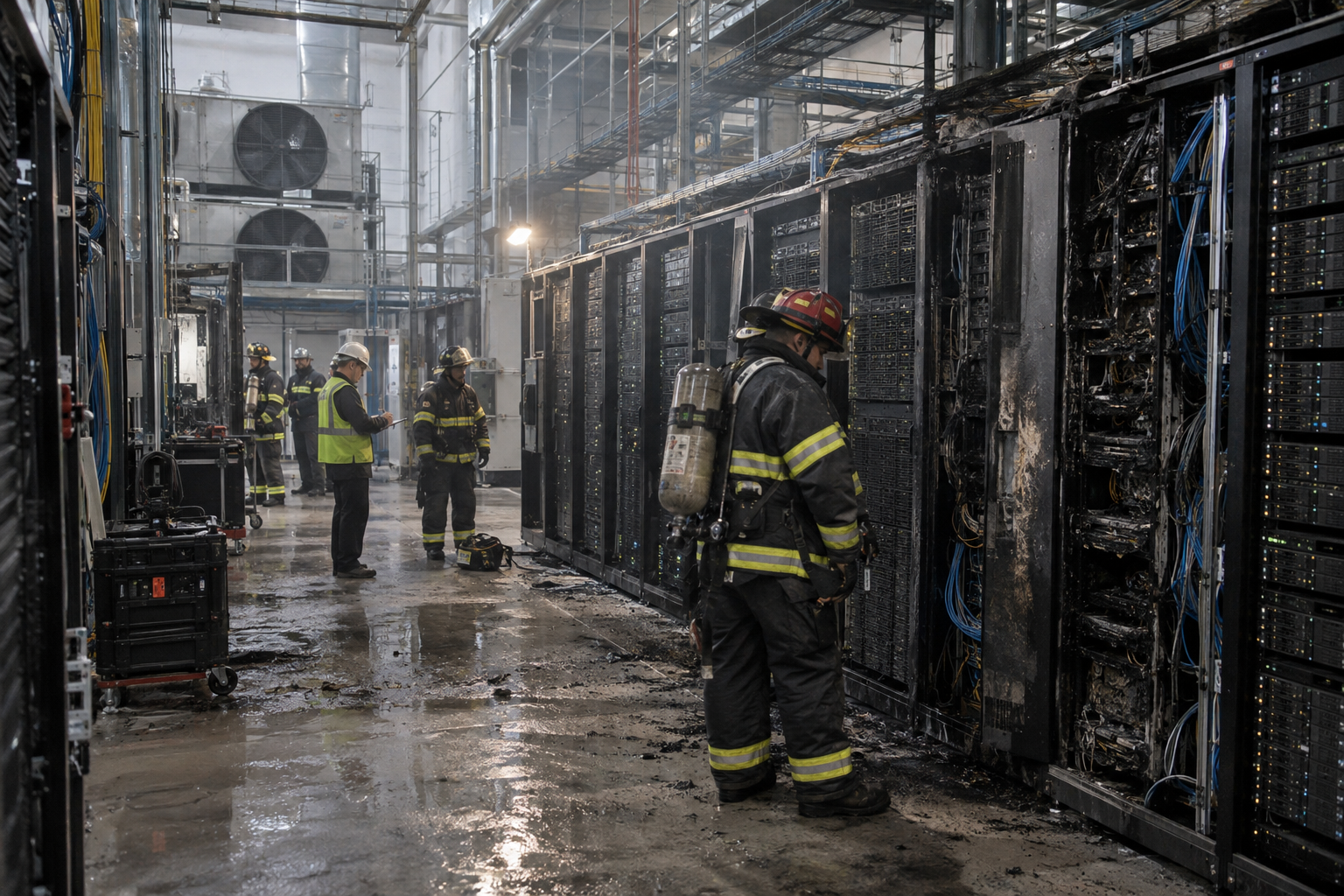
Russian internet company Yandex suspended operations at its data center in Sasovo, in Russia’s Ryazan region, after a drone strike caused a fire on Thursday. The company said the strike affected part of its infrastructure and the facility had stopped operating entirely. Some Yandex services could be unavailable, though the company said its core services were unaffected. No casualties were reported, and emergency services responded at the site.
The attack comes as Ukraine has increased strikes on Russian infrastructure, including energy facilities and oil refineries. Ukraine has not claimed responsibility for the strike on Yandex. President Volodymyr Zelenskyy has described Russian refineries as a source of funding for the war and said Ukraine would intensify attacks if the countries could not reach an energy truce. Ukrainian strikes have also targeted Russian retailer Wildberries, described in the article as an important part of the country’s consumer infrastructure.
Meanwhile, Russian attacks on Ukraine’s power grid have led to emergency power cuts in Kyiv. Russia struck facilities in Kyiv and other major Ukrainian cities the previous week, with the article reporting that Moscow is seeking to destabilize Ukraine’s energy system ahead of winter and threatening heating and other essential civilian services. The report situates the Yandex strike within an escalating campaign against energy and other infrastructure on both sides of the war.
Entities: Yandex, Sasovo, Ryazan, Russia, Ukraine • Tone: neutral • Sentiment: negative • Intent: inform
08-10-2026
Russia has been systematically targeting Ukrainian data centers since early September, expanding the threat to buildings that house the physical infrastructure behind digital services. Attacks have affected digital infrastructure in and around Kyiv, and some television channels, streaming services, and cable networks temporarily experienced outages or connection problems. Ukrainian Foreign Minister Andrii Sybiha said the strikes are intended to disrupt information flows and destabilize civilian life as Russia fails to achieve its aims on the battlefield.
Despite the damage, experts do not expect Ukraine to face a nationwide internet blackout. Telecommunications expert Oleksandr Glushchenko said the sector’s decentralized structure and large number of competing providers give users alternatives when one provider or facility is disrupted. However, individual providers may temporarily go offline while repairs are made. Lawmaker Oleksandr Fediienko likewise said the infrastructure could be reorganized and alternative sites established.
Ukrainian officials describe the attacks as part of a broader effort to frighten the public with the prospect of losing essential supplies and services. Data resilience also limits the consequences: information stored at a damaged facility may be available from other data centers, including those abroad, and systems can switch automatically to another location. Telecom companies also use cloud services such as Google and Amazon.
The article gives the example of MiroHost founder Oleksandr Olshanskyi, whose data center was almost totally destroyed. Most of his clients continued operating because they could use capacity in Poland and the Czech Republic; only about 150 of 20,000 to 25,000 clients had not shifted, duplicated, or secured their data. Experts recommend geographically dispersing facilities and keeping copies of data in foreign centers. Underground infrastructure is another possible safeguard, though it would raise costs. Repairs and stronger protection are expected to make internet services more expensive.
Entities: Russia, Ukraine, Kyiv, Andrii Sybiha, Oleksandr Glushchenko • Tone: analytical • Sentiment: neutral • Intent: inform
08-10-2026
A fire broke out at a data centre operated by Russian technology company Yandex in the western Russian region of Ryazan. The company attributed the incident to a Ukrainian drone attack. The facility, located in Sasovo, was taken offline, and Yandex warned that some of its services could be unavailable as a result. Video footage showed flames and heavy smoke rising from the site.
The report also notes a separate Ukrainian claim that a major oil refinery in Russia had been struck. Euronews says that claim could not be independently verified, distinguishing it from the information attributed to Yandex about the data-centre fire. The article places the incident within a broader pattern of attacks on Russian targets, listing energy systems, key industries, railways, post offices, shopping centres, telecommunications networks, gas stations and grain exports. It does not provide further details about the cause or extent of the fire, casualties, damage to equipment, or how long the data centre might remain offline. Overall, the report focuses on the fire, the immediate disruption warning from Yandex, and the wider context of reported strikes, while making clear that at least one related claim remains unverified.
Entities: Yandex, Ryazan region, Sasovo, Ukraine, Russia • Tone: neutral • Sentiment: negative • Intent: inform