31-08-2026
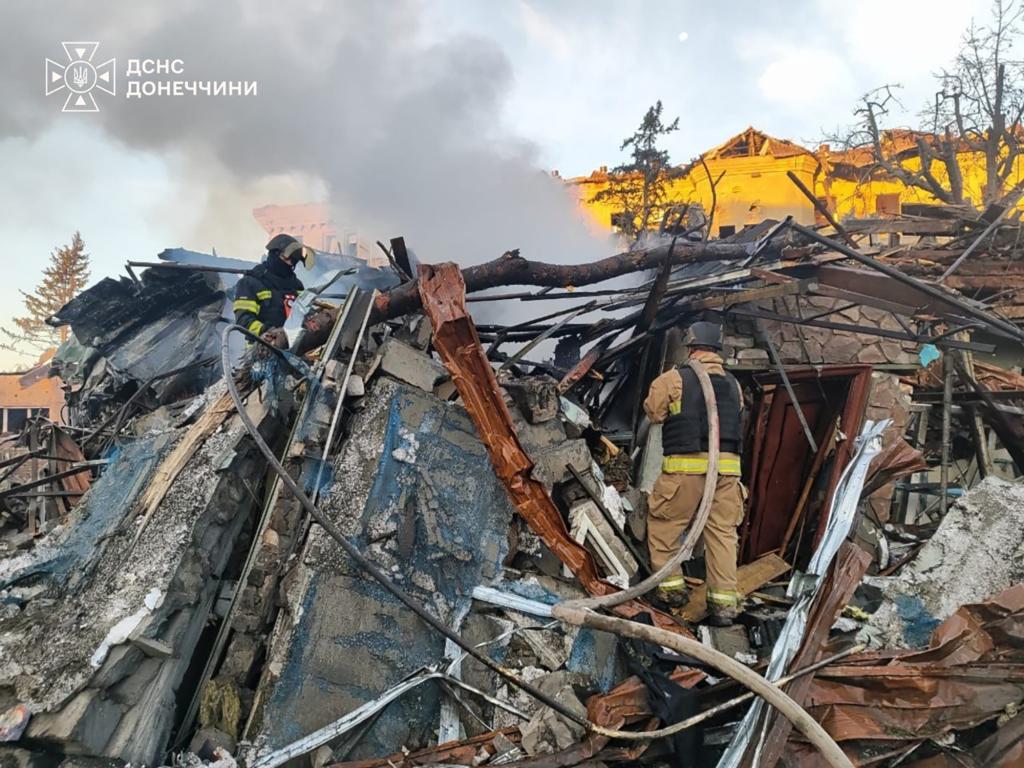
The article reports that Russian drone attacks on Kyiv and the surrounding region continued for a fifth consecutive day on Aug. 31, disrupting daily life with almost continuous air-raid sirens. Monday’s attacks injured four people and damaged warehouses, an apartment building and a retail outlet in the Kyiv region, according to regional Gov. Tymur Tkachenko. The attacks are part of an intensified Russian air campaign that has involved large waves of drones, many powered by jet engines. Ukrainian President Volodymyr Zelenskyy said Russia launched nearly 1,500 drones at Ukraine over four days, more than half of them jet-powered, in an effort to exhaust the Ukrainian population. A strike on an ammunition depot the previous Friday reportedly caused explosions and killed 38 people.
The report also describes attacks on economic and industrial targets in other parts of Ukraine. A Russian strike caused a fire at a Nova Poshta terminal in the Odesa region, while a jet-powered drone attack on an industrial business in Kryvyi Rih injured two people. Ukraine has carried out attacks in Russia as well, including a drone strike on a logistics hub in Yekaterinburg.
Russia’s increased use of daytime drone attacks has created major disruptions in Kyiv. Metro service was suspended during air-raid alerts, including at crossings over the Dnipro River, leaving commuters stranded on crowded platforms. One of those affected was Yulianna Oliynyk, a nurse and psychologist who was trying to get her two sons to school before the academic year began. She said her family had already been forced to spend the previous night with relatives because of the alerts and feared they might have to sleep in the metro. The article links the escalating attacks to Ukraine’s shortage of air-defence interceptors, particularly those capable of stopping ballistic missiles.
Entities: Kyiv, Ukraine, Russia, Ukrainian drone and air attacks, Air-raid sirens and metro disruptions, Volodymyr Zelenskyy • Tone: urgent • Sentiment: negative • Intent: inform
31-08-2026
The article reports that Russia has intensified its drone campaign against Ukraine, with Kyiv and the surrounding region facing repeated attacks and near-constant air-raid alerts. Ukrainian President Volodymyr Zelenskyy said Russia launched nearly 1,500 drones over a four-day period, more than half of them jet-powered. The attacks have increasingly occurred during daylight hours, disrupting Kyiv’s metro system, commutes, and preparations for the school year.
The report says Russia has also focused on Ukraine’s commercial and food-distribution infrastructure. Drones allegedly damaged warehouses, retail facilities, residential buildings, and logistics centers used by major supermarket chains, Ukraine’s largest private postal company, and home-goods retailers. Agriculture Minister Taras Vysotskyi said approximately 90% of the food-logistics infrastructure operated by retail chains had been destroyed, while emphasizing that Ukraine would not run out of food because retailers were shifting to alternative distribution methods. Some Kyiv supermarkets reportedly experienced shortages of bread, potatoes, apples, and oatmeal, and one chain imposed purchase limits on selected products.
Ukraine has responded by targeting Russian economic infrastructure, including oil facilities, logistics hubs, and warehouses connected to online retailers Wildberries and Ozon. Retired U.S. Air Force Lt. Gen. Richard Newton told Fox News Digital that Ukraine appeared to have gained momentum through long-range drone strikes against Russian energy and logistics networks. However, he warned that Ukraine remains vulnerable because of shortages of U.S.-made Patriot air-defense interceptors, which are also in demand internationally.
The article portrays the conflict as entering a potentially new phase, combining sustained attacks on civilian life and supply systems with an expanding long-range drone war. The supplied article excerpt ends during a reference to damage in Lviv.
Entities: Russia-Ukraine war, Russia, Ukraine, Kyiv, Volodymyr Zelenskyy • Tone: urgent • Sentiment: negative • Intent: inform
31-08-2026
Russian forces carried out a fifth consecutive day of attacks on Kyiv and surrounding areas, using increasing numbers of fast, jet-powered drones. Strikes on warehouses and food distribution centers disrupted logistics and left some supermarket shelves bare, prompting concerns about possible shortages. Ukrainian officials sought to calm the public, saying supply chains were being reorganized and European countries could help make up any food shortfall.
The attacks have also severely disrupted daily life. Almost constant air-raid alerts have affected the Kyiv region, while uncertainty surrounded the planned return to school. Classes were expected to resume Tuesday, but parents remained unsure whether to send their children despite the availability of shelters and online instruction. President Volodymyr Zelenskyy said Russia’s strategy was to wear down Ukraine and its population.
Four people were wounded in strikes on warehouses in Brovary and Boryspil, while a pall of smoke hung over Kyiv. Zelenskyy acknowledged that Ukraine’s defenses are struggling against jet-powered drones. Russia launched nearly 1,500 drones at Ukraine between Thursday and Sunday, including about 800 jet-powered models. Ukrainian companies are developing interceptor drones, but combat aircraft remain the main defense.
Russia is also continuing attacks on Ukraine’s power grid ahead of winter, potentially threatening heating and water supplies. An energy facility in the northern Chernihiv region was damaged in an overnight attack, and Russia’s Defense Ministry threatened “massive strikes” on Ukrainian energy infrastructure. Ukraine has conducted retaliatory attacks on Russian retailers and oil facilities, while a Ukrainian missile strike in Belgorod reportedly killed three people. Russia said it shot down 239 Ukrainian drones over Russian regions, occupied Crimea and the Black Sea.
Entities: Russia, Ukraine, Kyiv, Brovary, Boryspil • Tone: urgent • Sentiment: negative • Intent: inform
31-08-2026
Russian forces launched another wave of strikes against Kyiv and surrounding cities on Monday, marking the fifth consecutive day of attacks and intensifying pressure on Ukraine’s civilian population. The strikes hit warehouses in Brovary and Boryspil, wounded four people, damaged an energy facility in the northern Chernihiv region, and contributed to shortages on supermarket shelves. Ukrainian President Volodymyr Zelensky said Russia’s strategy was to “wear down” Ukraine and its people through sustained attacks.
The attacks included increasing use of fast, jet-powered drones. Zelensky said Russia launched nearly 1,500 drones between Thursday and Sunday, about 800 of which were jet-powered. Ukraine is attempting to counter them with combat aircraft and interceptor drones, with four companies developing relevant technology. Kyiv officials acknowledged that the drones remain difficult to stop.
Repeated strikes on warehouses, food distribution centers and retail hubs have disrupted logistics and raised fears of food shortages. Zelensky adviser Serhii Beskrestnov sought to reassure the public that Ukraine would not go hungry, saying supply chains were being reorganized and European countries could help cover any shortfall. Russia has also continued targeting Ukraine’s power grid, potentially leaving civilians without electricity, heating and running water before winter.
The attacks have disrupted ordinary life, with frequent air-raid alerts affecting schools and raising questions about whether parents will send children back to class. Ukraine’s Education Ministry said roughly one million textbooks had been destroyed in attacks on publishing houses, potentially delaying the new school year.
Ukraine has conducted retaliatory strikes inside Russia, including attacks on online retailers and oil facilities. Russian officials said 239 Ukrainian drones were shot down over multiple regions, Crimea and the Black Sea. Ukrainian attacks reportedly killed three people in Belgorod and wounded four in Yekaterinburg. The Russian Defense Ministry also said it was preparing “massive strikes” against Ukraine’s energy infrastructure.
Entities: Russia, Ukraine, Kyiv, Volodymyr Zelensky, Tymur Tkachenko • Tone: urgent • Sentiment: negative • Intent: inform