31-08-2026
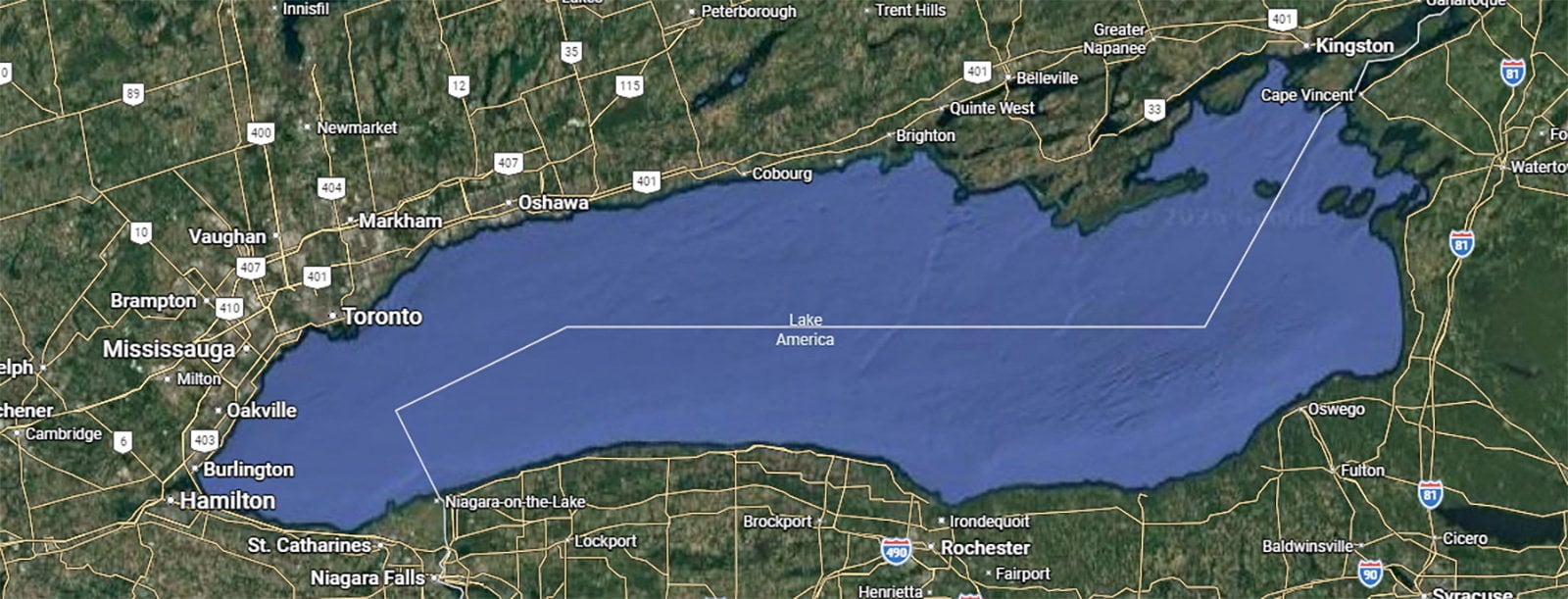
Google has updated its Maps application for users in the United States to display “Lake America” instead of “Lake Ontario,” following an executive order by US President Donald Trump. The order was issued the previous week and comes amid an escalating trade dispute between the United States and Canada, with both countries imposing billions of dollars in tariffs on each other’s goods.
Google said the change reflects its long-standing practice of using names listed by the US Geographic Names Information System. Under the update, users in the US will see “Lake America,” users in Canada will continue to see “Lake Ontario,” and users elsewhere will see both names. The lake is bordered by Ontario, Canada, to the north and New York state to the south.
The move has not been adopted universally. MapQuest has refused to rename the lake and has introduced a feature allowing users to assign their own name. Canadian officials, Indigenous leaders and politicians have criticized Trump’s decision, with some describing it as an attempt to erase Canadian and Indigenous history. The Chiefs of Ontario said the name Ontario derives from a Mohawk term meaning “beautiful lake” or “sparkling water.” Grand Chief Pierre Picard of the Wendat Nation condemned the renaming in particularly strong terms.
Ontario Premier Doug Ford responded by unveiling a bilingual billboard on the Canadian shore stating, “Lake Ontario. Now and always.” Canadian Prime Minister Mark Carney rejected the executive order, while New York Governor Kathy Hochul said her state would not use the new name. Vermont Governor Phil Scott called the decision “petty and disappointing.”
Ontario is also reviewing government websites after some began displaying “Lake America” through Google Maps data. The article notes that the White House and the offices of Carney and Ford had not immediately commented on Google’s decision.
Entities: Google Maps, Donald Trump, Lake Ontario, Lake America, United States • Tone: analytical • Sentiment: negative • Intent: inform
31-08-2026
US President Donald Trump has asked Apple to rename Lake Ontario as “Lake America” on its Maps platform, according to Interior Secretary Doug Burgum. Trump signed an executive order directing the US government to change the lake’s name after trade negotiations between the US and Canada broke down. The order instructs Burgum to update the Geographic Names Information System, the official US government database for geographical names, and to take other appropriate actions.
Google has already implemented the change for users in the United States. Canadian users continue to see “Lake Ontario,” while users elsewhere see “Lake Ontario (Lake America).” Apple has not yet confirmed whether it will follow the order, and the BBC has contacted the company for comment.
The renaming has generated opposition in Canada. Hydro One, a Toronto-based utility, apologised after a third-party mapping service displayed “Lake America” on one of its maps. Hydro Ottawa and the Liquor Board of Ontario also briefly appeared to use the new name. Ontario Premier Doug Ford rejected the change, saying the lake had been called Lake Ontario for hundreds of years and would continue to be known by that name. He also unveiled a large bilingual sign reading “Lake Ontario Now and Always.”
Not every mapping provider is complying with the US change. MapQuest said it would not rename the lake and introduced a tool allowing users to assign and share alternative names. The decision helped the application become one of the most-downloaded free apps on Apple’s Canadian App Store. The article also notes that the names of four Great Lakes, including Ontario, derive from Indigenous words.
Entities: Donald Trump, Doug Burgum, Apple Maps, Google Maps, Lake Ontario / Lake America name change • Tone: analytical • Sentiment: neutral • Intent: inform
31-08-2026
U.S. Interior Secretary Doug Burgum says President Donald Trump asked Apple to rename Lake Ontario “Lake America” on Apple Maps, extending a controversial renaming campaign that has intensified amid worsening Canada-U.S. trade relations. Burgum told Fox Business that Trump had contacted Apple directly and suggested the change could appear soon. Apple had not confirmed whether it received such a request or planned to change the name. As of Monday afternoon, Apple Maps in Canada still identified the body of water as Lake Ontario.
The development follows Trump’s executive order renaming Lake Ontario in U.S. federal documents and geographic services. Google Maps has already adopted “Lake America” for users in the United States, citing a formal change by the U.S. Geographic Names Information System. Google said Canadian users would continue to see “Lake Ontario,” but some Canadian government and other websites displayed “Lake America” because they used mapping data drawn from Google’s U.S. API. Several affected sites, including Hydro One and the LCBO, later reverted to the original name.
The naming dispute comes after Canada-U.S. trade talks broke down and the United States imposed tariffs on various Canadian goods. Canada announced retaliatory levies, while Prime Minister Mark Carney rejected the renaming, saying the lake would be known as Lake Ontario “now and always.”
Trump issued a similar 2025 order renaming the Gulf of Mexico as the Gulf of America. Although that order applies only to U.S. federal documents and geographic services, some map providers and U.S. news organizations use the alternative name. Apple Maps currently labels that area “Gulf of Mexico (Gulf of America),” leaving uncertainty over whether it will adopt the new Lake Ontario designation in the United States.
Entities: Donald Trump, Doug Burgum, Apple Maps, Google Maps, Lake Ontario • Tone: analytical • Sentiment: negative • Intent: inform
31-08-2026
Google Maps has begun displaying “Lake America” instead of “Lake Ontario” for users in the United States, following President Donald Trump’s order to rename the lake and the corresponding update to the U.S. Geographic Names Information System (GNIS). Google said its maps reflect official government sources and that naming differences are handled according to the country where the user is located. U.S. users will see “Lake America,” Canadian users will continue to see “Lake Ontario,” and users elsewhere will see both names.
The move follows Google’s earlier decision to use “Gulf of America” for the Gulf of Mexico in the United States, a change that prompted Mexico to sue the company. Lake Ontario’s original name derives from the Indigenous Wendat word “Ontari’io,” meaning “big, beautiful lake.” The name was later adopted by the Canadian province of Ontario.
The renaming comes amid an ongoing trade dispute between the United States and Canada. Negotiations between the two countries broke down after Canadian Prime Minister Mark Carney objected to what he described as unfair last-minute changes, including U.S. objections to French product-labeling rules and Quebec’s French-language streaming requirements.
Ontario Premier Doug Ford rejected the new designation, unveiling a bilingual sign on the lake’s shore that reads “Lake Ontario: Now and always.” He said that while Trump could use any name he wished, the rest of the world would continue to call it Lake Ontario.
Despite Canada’s position, “Lake America” appeared on some Canadian government websites that automatically draw map data from Google Maps. Ontario Public Services Minister Stephen Crawford said the province was reviewing its websites to ensure they identified the lake by its “correct name: Lake Ontario.”
Entities: Google Maps, Lake Ontario, Lake America, Donald Trump, U.S. Geographic Names Information System (GNIS) • Tone: analytical • Sentiment: neutral • Intent: inform
31-08-2026
Google has begun updating its Maps application for users in the United States to display Lake Ontario as “Lake America,” following an order by US President Donald Trump to rename the lake. The change is location-based: users in Canada will continue to see “Lake Ontario,” while users elsewhere in the world will see both names. Google said the rollout reflects its longstanding policy of using names assigned by the US Geographic Names Information System (GNIS) and displaying different names for geographic features when naming conventions vary between countries.
The update follows Trump’s order several days earlier and comes amid worsening economic and diplomatic tensions between the United States and Canada. Both countries have imposed billions of dollars in additional tariffs on one another’s goods as part of an escalating trade dispute. Google’s decision also mirrors its 2025 response to a Trump order that changed the name of the Gulf of Mexico to the Gulf of America.
Trump’s latest renaming decision has been met with mockery and indifference in both countries. Ontario Premier Doug Ford publicly rejected the change by displaying a large message on the Canadian shoreline reading, “Lake Ontario. Now and forever.” The White House, Canadian Prime Minister Mark Carney’s office and Ford’s office had not immediately commented on Google’s decision at the time of publication. The article, published by the Associated Press, presents the development as a factual account of Google’s naming policy and the political reaction to it.
Entities: Google Maps, Lake Ontario, Lake America, Donald Trump, United States • Tone: neutral • Sentiment: neutral • Intent: inform
31-08-2026
Google Maps has begun changing the name displayed for Lake Ontario to “Lake America” for users in the United States. The change follows an order signed by President Donald Trump the previous week, during a period of escalating trade tensions between the United States and Canada. The article presents the renaming as a policy and technology issue shaped by differing national conventions and the political dispute between the neighboring countries.
The change will not be applied uniformly worldwide. Users accessing Google Maps from Canada will continue to see “Lake Ontario,” the traditional name used in that country. People using the service outside the United States and Canada will see both “Lake America” and “Lake Ontario,” allowing Google to reflect the competing names in the international version of its mapping service.
Google said the updates are consistent with its longstanding approach to geographic features whose names differ across countries. The company stated that the changes were beginning to roll out, indicating that users might not all see the new labeling immediately.
The report does not describe public or governmental reactions beyond the U.S. presidential order and Google’s statement. Instead, it focuses on how the mapping company is implementing the naming change for different audiences. The decision illustrates how digital platforms can localize geographic information according to national policies or naming practices, particularly when an issue has political significance. It also underscores the dispute’s broader impact on the relationship between the United States and Canada, extending beyond trade into the way a major geographic landmark is identified online.
Entities: Google Maps, Google, Lake America, Lake Ontario, United States • Tone: neutral • Sentiment: neutral • Intent: inform