31-08-2026
Iranian state media reports that two people were killed and several others injured in US strikes on Larak Island in the Strait of Hormuz late Sunday. The victims’ identities and whether they were civilians or military personnel have not been disclosed. The reported attack followed a weekend exchange of fire between the United States and Iran and came after US President Donald Trump posted an AI-generated video depicting missiles striking Iran’s Kharg Island, accompanied by a threat to blow the island “to smithereens.” A US official said Kharg Island was not targeted, while Vice President JD Vance described Trump’s post as an attempt to send a message to Tehran.
The escalation has also involved the United Arab Emirates, which said it intercepted an Iranian drone over its waters. The UAE condemned the incident as a threat to its sovereignty and denied an Iranian claim that Al Minhad Air Base in Dubai had been attacked. Iran’s Foreign Ministry said the country would exercise its right to self-defense and respond to military aggression, while President Masoud Pezeshkian said Iran was not seeking war but would respond decisively to aggressors.
The article places the strikes within a broader conflict that began after US and Israeli attacks on Iran on February 28. Iran subsequently restricted traffic through the Strait of Hormuz, a major global oil route, contributing to higher energy prices and economic disruption. Washington is also increasing economic pressure on Tehran and urging other countries to isolate Iran financially, while the reopening of the strait remains a key negotiating issue.
US Central Command said its latest strikes targeted Iranian rocket launchers and forces allegedly preparing to deploy sea mines in the strait. American officials characterized the operation as limited and precise. Iranian television later broadcast footage it said showed missiles launched at US bases in Jordan; Jordan reported intercepting eight missiles. The developments indicate a renewed and dangerous cycle of military confrontation, economic pressure and threats across the Gulf region.
Entities: Iran, United States, Strait of Hormuz, Larak Island, Kharg Island • Tone: analytical • Sentiment: negative • Intent: inform
31-08-2026
Iranian state television reported that Iran launched ballistic missiles at American bases in Jordan on Monday, presenting the strikes as a response to recent US military action. The reported Iranian attack follows US strikes against Iranian rocket launchers in the Strait of Hormuz, marking Washington’s first military action in more than a month. The developments represent a renewed escalation between Iran and the United States, despite recent statements from the Trump administration that it would prioritize economic pressure over further military intervention to end the war.
The article also reports a separate incident involving the United Arab Emirates, whose air force said it intercepted an Iranian drone over UAE territorial waters. Meanwhile, US Central Command said Iranian forces had been observed preparing to launch rockets equipped with sea mines into the Strait of Hormuz. The United States had completed an operation the previous week to clear sea mines from international shipping lanes in the strait, a strategically important waterway for global energy and commercial traffic.
The report does not independently verify the Iranian state television footage or provide details about casualties, damage, or the exact locations of the alleged attacks on US bases in Jordan. It nevertheless describes a rapidly developing exchange of military actions involving missiles, drones, rocket launchers, and potential maritime mines. The sequence suggests that tensions have spread across multiple fronts, including Jordan, the UAE’s territorial waters, and the Strait of Hormuz. The reported attacks also directly contradict the administration’s recent emphasis on economic rather than military pressure, highlighting the difficulty of containing the conflict and protecting international shipping routes.
Entities: Iran, United States, Jordan, Iranian state television, US Central Command • Tone: urgent • Sentiment: negative • Intent: inform
31-08-2026
The article reports a new exchange of attacks involving the United States and Iran. According to the report, the US carried out its first strikes against Iran in a month, targeting sites on Larak Island. Iran then responded by launching missiles toward bases in Jordan that host US forces. The reported Iranian action appears to have been directed at US military personnel or facilities located in Jordan rather than at Jordanian targets themselves, although the headline describes the development as Iran targeting Jordan.
Al Jazeera correspondent Manuel Rapalo, reporting from Washington, DC, says the US maintains that the missiles fired toward the bases were intercepted and shot down. The article does not provide details about the number of missiles, the precise facilities targeted, casualties, property damage, or whether the strikes caused any lasting disruption. It also does not include a response from Iranian or Jordanian officials, nor does it independently verify the US account of the missile interceptions.
The report presents the events as a rapid sequence of US military action against Iranian sites followed by an Iranian retaliatory attack on locations hosting American forces. This suggests heightened regional tensions and the risk of further escalation, particularly because the confrontation extends beyond Iran’s territory to US-linked facilities in Jordan. However, the brief article offers no broader explanation of the dispute, the reasons for the US strikes, or the political and military consequences of the exchange. Its primary focus is the immediate development and the US assertion that the incoming missiles were successfully neutralized.
Entities: Iran, United States, Jordan, Larak Island, Manuel Rapalo • Tone: urgent • Sentiment: negative • Intent: inform
31-08-2026
This live update reports a renewed escalation between the United States and Iran after a US strike on Iran’s Larak Island. Iran’s Islamic Revolutionary Guard Corps (IRGC) said it attacked US military bases in Jordan and separately claimed to have shot down an American MQ-9 Reaper drone over the Strait of Hormuz. Iranian officials acknowledged that several Iranians, including fighters, were killed or injured in the US attack, but provided no figures. There were also no confirmed casualty figures from the reported attacks on US bases in Jordan at the time of the update.
Iranian President Masoud Pezeshkian said Tehran was not seeking war but would respond decisively to aggression. A correspondent in Tehran said Iranians were uncertain whether the attacks represented a limited retaliation or the beginning of a broader escalation. Al Jazeera correspondent Rob McBride explained that Jordan’s hosting of about 4,000 US personnel, aircraft, drones and Patriot systems makes the country both an important US military asset and a target.
Retired US naval officer Harlan Ullman questioned whether Iran would use expensive rockets to deploy sea mines, noting that smaller boats or underwater teams would be more efficient. He warned that even the possibility of mines could disrupt shipping and raise insurance costs, while US mine-sweeping capabilities remain limited.
The update also reports that former US President Donald Trump shared an AI-generated video depicting Iran’s Kharg Island being destroyed and again argued that Iran must not be allowed to acquire a nuclear weapon. Separately, China’s three largest state-owned airlines reported combined first-half losses of about $1.22bn because of higher fuel prices and disrupted routes linked to the war. In the occupied West Bank, Israeli forces reportedly killed two Palestinians and detained another during an overnight raid in Nablus.
Entities: Iran, United States, Jordan, United Arab Emirates, Larak Island • Tone: urgent • Sentiment: negative • Intent: inform
31-08-2026
The article reports that US President Donald Trump has again described Iran as a “dead” and failed nation, claiming that its government, military, currency and economy are collapsing. He also accused Iranian leaders of committing crimes against humanity and called for them to be tried. Trump made the statements as fighting between the United States and Iran resumed after a pause, with the wider US-Israel war on Iran entering its seventh month.
The renewed clashes began after the US military struck Iran’s Larak Island. Washington said the attack targeted launchers preparing to fire rockets carrying naval mines into the Strait of Hormuz. Iran responded by launching missiles at a base in Jordan that hosts US troops. The attack demonstrated Tehran’s ability and willingness to retaliate, and Trump subsequently promised that the United States would “hit them hard”. The article says the escalation could prolong the conflict, despite the Trump administration’s earlier claim that it was shifting from military operations toward economic pressure.
Trump also attributed the Iranian government’s continued survival to its crackdown on anti-government demonstrators. He cited an alleged death toll of more than 100,000 protesters, but the article notes that the source of this figure is unclear and that Trump had previously cited a lower number. Iranian authorities put the death toll at 3,117, including security personnel, and blamed the unrest on Israel-backed “rioters”.
The report further notes that Trump appeared to conflate war crimes with crimes against humanity, which are distinct legal concepts. It places his accusations in the broader context of the International Criminal Court’s warrant for Israeli Prime Minister Benjamin Netanyahu and Iran’s own accusations that the US has committed war crimes. A US strike on a girls’ school in Minab reportedly killed 168 people, mostly children.
Entities: Donald Trump, Iran, United States, Israel, Jordan • Tone: analytical • Sentiment: negative • Intent: inform
31-08-2026
The article reports that US Vice President JD Vance described an AI-generated video posted by President Donald Trump as a warning to Iran. The video depicts missiles striking what appears to be oil-processing infrastructure on an Iranian island. Trump posted the video on Truth Social and later declared that Iran was “dead” and a “failed nation.”
Vance said the posts were intended to communicate that Iran would face consequences if it continued threatening commercial shipping in the Strait of Hormuz. He accused Iran of acting like a “terrorist country” and said the United States retained numerous tools to stop or reduce attacks on shipping.
The article identifies Kharg Island as a critical part of Iran’s oil-export system, handling approximately 90 percent of the country’s oil exports. Trump has threatened to attack or seize the island since the United States and Israel began their war against Iran on February 28. US forces reportedly struck military facilities on Kharg Island in March but avoided its oil infrastructure.
The latest threats follow a renewed exchange of fire between the United States and Iran. Washington said it attacked missile or launcher sites on Larak Island that were preparing to deploy naval mines into the Strait of Hormuz, where US forces have been working for months to clear mines and restore commercial shipping. Iran responded by launching missiles toward three airbases in the United Arab Emirates and Jordan that host US forces, although the missiles reportedly failed to hit their targets.
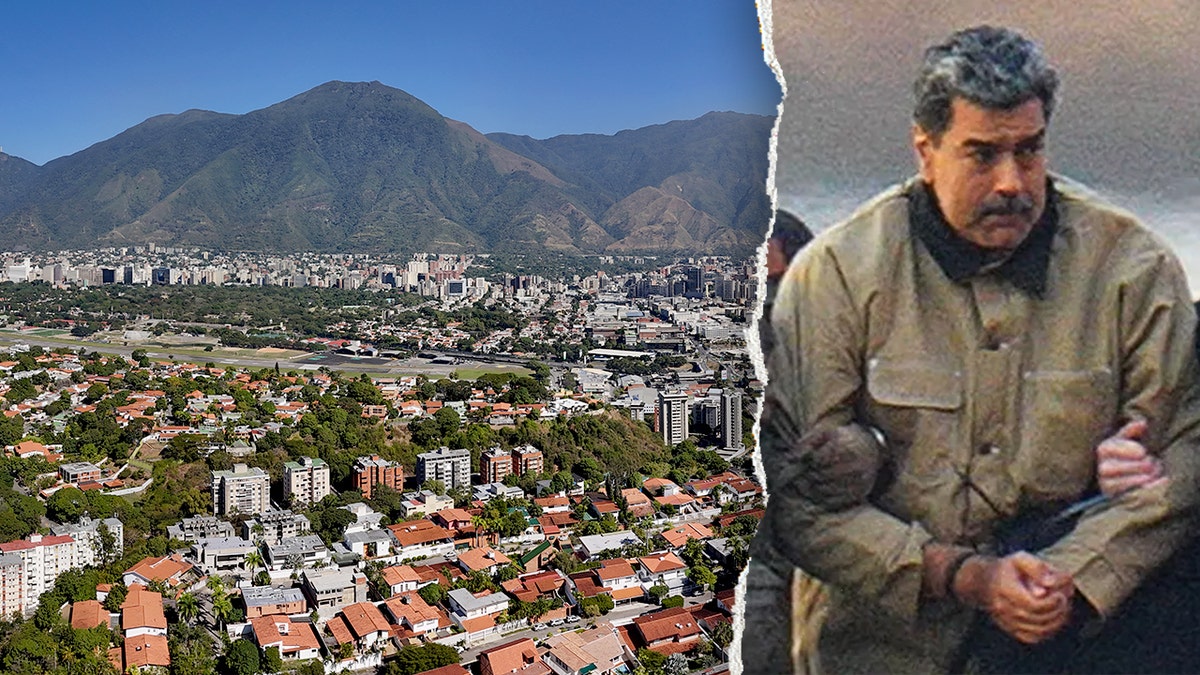
The article also briefly links the confrontation to US actions in Venezuela, noting that Washington recently announced a deal granting it majority control of Venezuela’s oil reserves after US forces abducted former President Nicolas Maduro in January.
Entities: JD Vance, Donald Trump, United States, Iran, Israel • Tone: urgent • Sentiment: negative • Intent: inform
31-08-2026
The Al Jazeera NewsFeed report, published on 31 August 2026, describes a renewed exchange of military strikes between the United States and Iran. According to the brief report, the two countries have traded attacks for the first time since July, signaling a significant escalation after a period without direct strikes. The United States reportedly targeted Larak Island, an Iranian island in the Persian Gulf. The report does not provide details about the specific targets, the scale of the damage, casualties, or the military rationale for the US operation.
Iran responded by launching missiles across Jordan and the United Arab Emirates, expanding the immediate security implications beyond the two countries directly involved. The wording indicates that the retaliation affected or crossed the airspace and territory of regional states, though the excerpt does not clarify whether the missiles struck targets in Jordan or the UAE, or whether there were casualties or material damage there.
Al Jazeera correspondent Ava Warriner is identified as providing the latest developments. The report is a short video-news item rather than a detailed analysis, and it offers no further information about diplomatic reactions, possible civilian consequences, the identities of the targets, or what might happen next. Its central message is that direct US-Iran hostilities have resumed and that Iran’s response has created a broader regional escalation involving Jordan and the UAE. The headline, “War on Iran: US bombs Iran,” frames the events as an active conflict, while the available text specifically confirms an exchange of strikes and missile launches.
Entities: United States, Iran, Al Jazeera, Ava Warriner, Larak Island • Tone: urgent • Sentiment: negative • Intent: inform
31-08-2026
The United States and Iran have exchanged strikes following the first publicly known US attack on Iranian territory since late July. US forces targeted two rocket launchers on Larak Island in the Strait of Hormuz, killing two people and injuring two others, according to Iran’s Islamic Revolutionary Guard Corps (IRGC). US Central Command said the action was limited and precise, claiming the launchers were being prepared to fire rockets and deploy sea mines into the strategically important waterway.
Iran said it retaliated by launching ballistic missiles at the King Hussein and al-Azraq military bases in Jordan. Jordan’s military reported intercepting eight missiles. Iranian state media also claimed that an air base in the United Arab Emirates had been targeted with drones, but the UAE denied that Al-Minhad Air Base was attacked while confirming that it had shot down a drone.
The confrontation raises tensions around the Strait of Hormuz, a narrow passage through which roughly 20% of the world’s oil and liquefied natural gas previously traveled. The waterway has effectively been closed since the wider conflict began in February, contributing to volatile oil prices. Iran has reportedly imposed inspections and fees on tanker traffic, while the US continues a naval blockade and says it has disabled, boarded, or redirected numerous vessels.
Both sides have disputed reports about attacks on commercial shipping. Centcom rejected an IRGC claim that a supertanker struck a mine and caught fire, calling it disinformation. Iranian President Masoud Pezeshkian said Iran was not seeking war but would respond decisively. President Donald Trump threatened further attacks and posted apparent AI-generated videos showing explosions at Iranian oil infrastructure. The escalation is occurring alongside a new US sanctions campaign intended to further isolate Iran.
Entities: United States, Iran, Donald Trump, Masoud Pezeshkian, Strait of Hormuz • Tone: urgent • Sentiment: negative • Intent: inform
31-08-2026
The article reports that US forces struck two Iranian launchers on Larak Island, near the Strait of Hormuz, in what is described as the first known American attack on Iran since late July. A US official said the launchers were being prepared by Islamic Revolutionary Guard Corps (IRGC) forces to fire rockets carrying sea mines into the strategic waterway. The IRGC said the strike killed two people and injured two others, and threatened a response.
Iranian state media later reported that the IRGC had launched ballistic missiles at US military facilities in Jordan, including King Hussein and al-Azraq. Jordan’s army said it intercepted eight missiles that entered its airspace. The reported retaliation represents a potential widening of the confrontation beyond Iran and the Strait of Hormuz.
Larak Island lies near Bandar Abbas and directly within the Strait of Hormuz, a major route for global oil and liquefied natural gas shipments. The article says Iran has been directing tanker traffic past the island for inspection and reportedly charging vessels $2m to cross. Iranian officials condemned the US operation, with an IRGC spokesman calling it a “strategic and fatal mistake” and warning that the US would face economic and military consequences.
The strike comes amid renewed US economic pressure on Iran, including sanctions announced on 24 August. It also follows a broader conflict that began when the US and Israel launched extensive attacks on Iran on 28 February. Iran retaliated against Israel, US bases and Gulf allies, while the Strait of Hormuz was effectively closed to shipping. The conflict has now lasted six months and threatens a waterway through which around 20% of the world’s oil and liquefied natural gas previously traveled. The article also notes President Donald Trump’s claims about clearing mines from the strait and his posts showing apparent AI-generated videos of attacks on Iranian oil infrastructure.
Entities: United States, Iran, Larak Island, Strait of Hormuz, Islamic Revolutionary Guard Corps (IRGC) • Tone: urgent • Sentiment: negative • Intent: inform
31-08-2026
CBS News’ live coverage reports a renewed escalation in the six-month U.S.-Iran conflict after American forces struck Iranian rocket launchers on Larak Island in the Strait of Hormuz. Iran’s Islamic Revolutionary Guard Corps said it retaliated by targeting U.S. military bases in Jordan and the United Arab Emirates, although the attacks were described as unsuccessful. President Donald Trump warned that the United States would hit Iran hard and said he was considering additional strikes, while characterizing the conflict as “a relatively little war” for the United States. The escalation follows the administration’s recently announced shift toward “economic warfare,” including new sanctions intended to pressure Tehran back to negotiations and compel it to abandon its nuclear program.
The military developments affected global markets. Brent crude rose 2.7% to more than $90 per barrel, while major U.S. stock indexes declined. The report also says U.S. Army soldiers from the 82nd Airborne Division may remain deployed in the Middle East into 2027, reflecting concerns about a potentially prolonged operation.
The coverage includes several related developments. Iranian courts reportedly sentenced two women to death over their alleged involvement in January anti-government protests, amid a broader increase in executions. Human rights organizations questioned the fairness of the legal proceedings and said Iran had already executed 29 men in connection with the demonstrations. Separately, Trump planned meetings with oil refiners and distributors as U.S. gasoline prices remained above $4 per gallon. Experts said a recently announced oil deal with Venezuela was unlikely to reduce prices soon. Treasury Secretary Scott Bessent said the administration’s economic pressure campaign was intended to create conditions that would bring Iran back to the negotiating table.
Entities: Donald Trump, Iran, United States, Islamic Revolutionary Guard Corps, U.S. Central Command • Tone: urgent • Sentiment: negative • Intent: inform
31-08-2026
The CBS News live report describes a sharp escalation in the U.S.-Iran conflict on August 30, 2026, six months after the war began. U.S. Central Command said American forces struck two Iranian launchers on Larak Island after observing Islamic Revolutionary Guard Corps personnel preparing to launch rockets and sea mines into the Strait of Hormuz. The IRGC reported that several of its fighters and civilians were killed or wounded and warned that the attack would bring retaliation.
Iran subsequently claimed it launched ballistic-missile attacks against U.S. military bases at King Hussein and Al-Azraq air bases in Jordan. Jordanian authorities said they intercepted eight missiles before they caused damage. Separately, the United Kingdom Maritime Trade Organization reported that an unidentified projectile struck a tanker in the Strait of Hormuz, although there were no reported casualties or environmental damage and no group immediately claimed responsibility.
The report also focuses on the expanding economic and diplomatic pressure on Tehran. Treasury Secretary Scott Bessent said the Trump administration plans to sanction another bank to restrict Iran-related transactions and warned that the United States would use “financial violence” if necessary. The administration is pressuring countries that continue trading with Iran, including China and India, although Bessent said the United States remains reluctant to penalize major partners directly.
Iranian President Masoud Pezeshkian acknowledged some vulnerability to sanctions, while Iranian officials continued publicly resisting them. President Donald Trump said Iran was “begging to make a deal,” but also said the war would continue “as long as necessary.” Iran’s Supreme Leader Mojtaba Khamenei called for unity among Muslim nations and portrayed the United States and Israel as enemies of the Islamic world. The report concludes with an update that United Airlines plans to resume direct San Francisco–Tel Aviv flights in March 2027, after suspending the route at the start of the war.
Entities: U.S.-Iran war, U.S. Central Command (CENTCOM), Iran, Larak Island, Strait of Hormuz • Tone: urgent • Sentiment: negative • Intent: inform
31-08-2026
The article reports a renewed escalation in the six-month U.S.-Iran war, centered on the strategically important Strait of Hormuz. U.S. Central Command said American forces struck Iranian rocket launchers and sea mines on Larak Island, marking the first U.S. attacks on Iran in several weeks. Iranian state media said the strikes killed two people and wounded several others.
Iran’s Islamic Revolutionary Guard Corps said it retaliated by targeting U.S. military facilities in Jordan and the United Arab Emirates. Jordanian and Emirati authorities said the missiles and drone were intercepted or fell without causing damage. Qatar condemned the attacks as a violation of the two countries’ sovereignty and called for an immediate end to military operations. President Donald Trump reportedly threatened a forceful U.S. response, saying, “We’re going to hit them hard.” He separately described Iran as a “failed nation” whose leadership was in “total disarray.”
The article also examines conflicting claims about commercial shipping in the Strait of Hormuz. The IRGC said it had used sea mines to stop a supertanker that attempted to transit the waterway without Iranian permission. CENTCOM rejected the claim as false and characterized it as an effort to intimidate commercial shippers through disinformation. The United Kingdom Maritime Trade Operations center had not corroborated the alleged mining incident, although it had reported that a tanker was struck by an unknown projectile the previous day.
The renewed hostilities followed the Trump administration’s shift toward “economic warfare,” including additional sanctions intended to break the conflict’s stalemate. Commercial traffic through the strait has fallen to less than half its prewar level, and oil prices rose more than 3%, with Brent crude reaching $91.40 per barrel. The developments raise concerns about further regional escalation, threats to energy shipments, and the collapse of diplomatic efforts to contain the conflict.
Entities: Iran, United States, Donald Trump, Islamic Revolutionary Guard Corps (IRGC), U.S. Central Command (CENTCOM) • Tone: urgent • Sentiment: negative • Intent: inform
31-08-2026
The article provides live updates on an escalating U.S.-Iran conflict and its effects across the Middle East. The most significant development is the U.S. military’s strike on two Iranian launchers on Larak Island, near Iran’s coast. U.S. Central Command said Iranian Revolutionary Guard forces were preparing to launch rockets and sea mines into the Strait of Hormuz, a vital shipping route that had recently been cleared of mines by American forces. Iran said the attack killed or wounded several fighters and civilians and warned that the strike would bring retaliation.
Iran’s Islamic Revolutionary Guard Corps subsequently claimed it attacked U.S. bases at King Hussein and Al-Azraq air bases in Jordan with ballistic missiles. Jordan’s military said it intercepted eight missiles before they caused damage. Separately, a tanker was struck by an unidentified projectile in the Strait of Hormuz, although no casualties or environmental damage were reported.
The conflict is also producing wider diplomatic and economic consequences. Treasury Secretary Scott Bessent said the United States plans to sanction another bank involved in Iran-related transactions and threatened further financial pressure against countries that continue trading with Tehran. He said China and other countries could face retaliation, while arguing that Washington and Beijing share an interest in reopening the Strait and preventing Iran from developing nuclear weapons.
Iranian leaders have called for resistance and regional unity. Supreme Leader Mojtaba Khamenei described the United States and Israel as enemies of Islamic nations, while President Masoud Pezeshkian acknowledged the vulnerability created by sanctions. President Trump said Iran was “begging to make a deal,” but also said the war would continue “as long as necessary.” The article additionally reports plans by United Airlines to resume direct flights between San Francisco and Tel Aviv in March 2027, suggesting some limited signs of future regional normalization despite the ongoing conflict.
Entities: United States military, Iran, Larak Island, U.S. Central Command (CENTCOM), Islamic Revolutionary Guard Corps (IRGC) • Tone: urgent • Sentiment: negative • Intent: inform
31-08-2026
Oil prices rose sharply on Monday as renewed U.S.-Iran military hostilities increased concerns about disruptions to crude supplies and shipping through the Strait of Hormuz. Brent crude futures for September delivery gained 3.3% to $90.99 per barrel, while front-month U.S. West Texas Intermediate futures rose 3.6% to $86.36.
The market reaction followed a U.S. strike on Sunday against two Iranian rocket launchers on Larak Island. U.S. Central Command said Iranian Revolutionary Guard Corps forces had been preparing to launch rockets equipped with sea mines into the Strait of Hormuz, a critical route for global energy shipments. The attack was reportedly the first publicly acknowledged U.S. strike on Iranian positions since late July.
Iran’s Revolutionary Guards said the strike killed and wounded several Iranian soldiers and claimed that Iran responded by attacking American military bases in Jordan, according to Iranian media reports. U.S. President Donald Trump also broadened his threats against Iran by warning that Kharg Island, the country’s main oil export terminal, could be destroyed.
The conflict has already disrupted vessel traffic through the Strait of Hormuz and has continued for six months. Analysts warned that supply risks could persist while global oil inventories decline. Tamas Varga of PVM Oil Associates said the crisis may have changed the Middle East’s security environment. Goldman Sachs added that increasing attacks on refineries in the Middle East and Russia were further limiting global refining capacity and driving refined-product margins to new highs.
The article presents the oil-price surge as a direct response to escalating geopolitical risk, particularly the possibility that military action could threaten the movement of crude and refined petroleum products through one of the world’s most important energy corridors.
Entities: Brent crude, West Texas Intermediate (WTI), U.S.-Iran hostilities, Larak Island, Strait of Hormuz • Tone: urgent • Sentiment: negative • Intent: inform
31-08-2026
CNBC’s Daily Open reports that the United States has resumed direct military action against Iran, striking two Iranian rocket launchers on Larak Island. The attack was the first publicly acknowledged U.S. strike on Iran since late July and raised concerns that the conflict, now approaching its seventh month, could become prolonged. The development reversed an earlier shift by President Donald Trump toward economic pressure and isolation rather than direct armed conflict. Financial markets reacted cautiously but negatively: oil futures rose slightly, while U.S. stock futures and Asian markets declined in early trading.
The article also highlights pressure on markets from Federal Reserve Chair Kevin Warsh, who suggested that interest rates might need to rise because inflation remains above target. His position contrasts with Trump’s longstanding demands for lower borrowing costs and his criticism of former Fed Chair Jerome Powell. Separately, Treasury Secretary Scott Bessent said he would encourage G20 countries to reconsider their trade arrangements with China, arguing that China’s approximately $1.2 trillion trade surplus reflects an economic imbalance that should be addressed by increasing domestic consumption.
In corporate news, OpenAI plans to end a contract that allowed users of the Cursor code editor to access its models after Cursor’s acquisition by Elon Musk’s SpaceX. OpenAI cited concerns that SpaceX might use the technology outside its contractual terms, referring to alleged contract violations by Musk’s companies. Insurance and consultancy company Aon is reportedly nearing a roughly $17 billion acquisition of insurance broker USI from private-equity firm KKR.
The article concludes with Iceland’s rejection of a proposal to reopen European Union membership negotiations. Voters opposed the proposal by 52.8% to 47.2%, with concerns about domestic control over fishing outweighing geopolitical considerations linked to U.S. President Donald Trump’s threats involving Greenland.
Entities: United States, Iran, Larak Island, Donald Trump, Kevin Warsh • Tone: analytical • Sentiment: negative • Intent: inform
31-08-2026
Oil prices climbed more than 1% in early Asian trading after U.S. forces struck two Iranian rocket launchers on Larak Island, raising concerns about further disruptions to crude supplies. Brent crude futures for November delivery rose 1.54% to $89.46 a barrel, while U.S. West Texas Intermediate futures for October gained 1.44% to $84.60.
Navy Capt. Tim Hawkins, a spokesperson for U.S. Central Command, said the launchers were targeted after Iranian Revolutionary Guard Corps forces were observed preparing to fire rockets and deploy sea mines into the Strait of Hormuz. The waterway is a critical passage for global energy shipments and has already experienced severe disruption during the six-month Middle East conflict.
The Associated Press reported that the attack was the first publicly acknowledged U.S. strike on Iranian positions since late July. Iran’s Revolutionary Guards said the attack killed and wounded several Iranian soldiers. Iranian media also reported that Iran retaliated by attacking U.S. military bases in Jordan, although the article presents those claims as reports from Iranian sources.
Analysts warned that supply risks could persist as inventories decline over the coming weeks and months. Tamas Varga of PVM Oil Associates said the crisis may have altered the security status quo in the Middle East. Goldman Sachs added that increasing attacks on refineries in the Middle East and Russia have further tightened global refining capacity, pushing refined-product margins to new highs. The article links the oil-price gains primarily to heightened geopolitical risk, threats to Strait of Hormuz traffic, and growing pressure on energy infrastructure.
Entities: Oil prices, Larak Island, Iran, United States military, Strait of Hormuz • Tone: analytical • Sentiment: negative • Intent: inform
31-08-2026
The article reports a major escalation in the six-month U.S.-Iran conflict, with both sides exchanging strikes for the first time in more than a month. U.S. forces struck two Iranian rocket launchers on Larak Island in the Strait of Hormuz after observing Iran’s Revolutionary Guard preparing rockets carrying sea mines for deployment into the waterway. The United States said the operation was intended to protect international shipping and followed efforts to clear mines from the strait’s commercial routes.
Iran’s Revolutionary Guard claimed the attack killed and wounded Iranian soldiers and said it retaliated with missile and drone strikes against the King Hussein and Al Azraq U.S. military bases in Jordan. Iranian forces said the attacks caused heavy damage, while warning that future counterattacks would become more forceful. Iran’s Foreign Ministry blamed the United States and its allies for the escalation.
U.S. President Donald Trump separately intensified his threats by warning that Kharg Island, Iran’s principal oil-export hub, would be “blown to smithereens.” He shared an AI-generated video depicting an attack on the island, although there was no evidence that Kharg had been attacked. An Iranian official reportedly dismissed the threat.
The confrontation has disrupted shipping through the Strait of Hormuz, a critical route for global energy supplies. Oil prices rose above $90 per barrel amid renewed concerns about supply interruptions. Iran also reported that a supertanker struck two naval mines after allegedly violating its passage rules, while another tanker was hit by an unknown projectile. Iranian President Masoud Pezeshkian said Tehran was seeking a diplomatic agreement to end the war, arguing that continued fighting benefits neither Iran, the region, nor humanity.
Entities: Donald Trump, Iran, United States, Iranian Revolutionary Guard Corps (IRGC), Larak Island • Tone: urgent • Sentiment: negative • Intent: inform
31-08-2026
President Donald Trump threatened a forceful U.S. response after Iran’s Islamic Revolutionary Guard Corps said it attacked two American bases in Jordan. The Iranian strikes followed a U.S. attack on two rocket launchers on Larak Island in the Strait of Hormuz, where U.S. Central Command said Iranian forces were preparing rockets carrying sea mines for launch into international shipping lanes. Trump told Fox News correspondent Trey Yingst that “there will be a response” and said the United States would hit Iran “very hard.” He reportedly said U.S. air defenses intercepted all but one of the missiles fired at the bases.
Iranian officials claimed the attacks on the King Hussein and Al Azraq bases caused heavy damage and warned that Tehran would respond to every American attack “dozens of times greater.” The exchange marked the first publicly acknowledged direct U.S. strikes on Iranian territory since late July and the first reported U.S.-Iranian exchange of strikes in more than a month.
The escalation has centered on the Strait of Hormuz, a vital route for global energy shipments. Iran has threatened vessels that violate its passage rules, while the U.S. Navy has maintained a blockade intended to pressure Tehran to reopen the waterway. Iranian forces also reported that a supertanker struck two naval mines and caught fire, while another tanker was hit by an unknown projectile.
Trump expanded his threats to Kharg Island, Iran’s primary oil-export hub, sharing an AI-generated video depicting its destruction. No attack on Kharg was reported. The conflict, now in its sixth month, has disrupted shipping and pushed Brent crude above $90 per barrel. The Pentagon also announced contracts with General Dynamics and Lockheed Martin to accelerate production of missile-defense components, amid reports that the war has depleted U.S. supplies of interceptors and Tomahawk missiles. Iran’s president, Masoud Pezeshkian, nevertheless said Tehran was pursuing a diplomatic solution.
Entities: Donald Trump, Iran, United States, Jordan, Islamic Revolutionary Guard Corps • Tone: urgent • Sentiment: negative • Intent: inform
31-08-2026
The renewed U.S.-Iran hostilities indicate that Washington may be losing patience with sanctions, according to analysts cited by CNBC. U.S. forces struck two Iranian rocket launchers on Larak Island after Iran prepared to fire mine-carrying rockets into the Strait of Hormuz. The attack ended a month-long lull in direct fighting and was the first publicly acknowledged U.S. strike since late July. Iran retaliated by launching eight missiles at two air bases in Jordan, although Jordanian defenses intercepted all of them without casualties.
President Donald Trump subsequently threatened to destroy Kharg Island, Iran’s main oil-export hub. Analysts believe the threat is more likely to remain rhetorical because an attack could destroy critical oil infrastructure, cause severe environmental damage and harm a historic early church on the island. The strike on Larak is viewed primarily as an attempt to break a strategic deadlock rather than a fundamental change in U.S. policy. Washington is continuing both its military pressure and economic campaign, with Treasury Secretary Scott Bessent saying that new sanctions, especially against Iranian banks, are expected weekly and could ultimately exclude Tehran-linked institutions from the dollar system.
Iran is expected to respond asymmetrically rather than confront U.S. forces directly. Potential methods include using regional proxies, disrupting shipping and pressuring energy markets. Houthi activity near the Bab el-Mandeb, renewed Somali piracy and the possibility of interference at both major maritime chokepoints could threaten Gulf energy exports. Although oil flows through the Strait of Hormuz recently recovered to about 7 million barrels per day under U.S. Navy escort, the Larak strike has introduced new uncertainty. Analysts expect shipping flows to decline in the short term, putting upward pressure on oil prices.
Entities: Donald Trump, Iran, United States, Kharg Island, Larak Island • Tone: analytical • Sentiment: negative • Intent: analyze
31-08-2026
Iran launched retaliatory strikes against US military positions in Jordan after the United States attacked Iranian rocket launchers and Revolutionary Guard minelaying forces on Larak island in the Strait of Hormuz. Iran’s Islamic Revolutionary Guard Corps said ballistic missiles hit two US bases and caused “heavy damage,” while Jordan’s military said it intercepted eight missiles without identifying their origin. Tehran described the attack as a response to “US-Zionist aerial aggression.”
Washington said its strike was a limited and precise operation intended to prevent Iran from deploying additional sea mines and disrupting international shipping through the Strait of Hormuz. The US Central Command said it had recently completed clearing mines from the waterway but remained prepared to protect commercial traffic.
The exchange marks a renewed escalation in a six-month war that had recently shown signs of slowing. The Trump administration has shifted from sustained military operations toward “economic warfare,” including a naval counterblockade of Iranian ports, amid pressure to end a campaign that was initially expected to be brief. Iran’s effective closure of the strait has contributed to global supply-chain disruptions, energy shortages, fertilizer problems and higher prices. Before the war began, the waterway carried approximately 20% of the world’s oil.
Diplomatic efforts led by Pakistan and Qatar have produced an April ceasefire and a June memorandum of understanding, but no final peace deal. Sporadic attacks have continued, particularly around Hormuz, while Iran has also targeted US facilities and allies across the Gulf. Following news of the renewed strikes, Brent crude rose above $90 per barrel, though prices had exceeded $120 during the conflict’s peak.
Entities: Iran, United States, Larak island, Strait of Hormuz, Islamic Revolutionary Guard Corps (IRGC) • Tone: urgent • Sentiment: negative • Intent: inform
31-08-2026
The article reports a renewed escalation in the conflict between the United States and Iran, ending a period of relative calm after an April ceasefire. The latest flare-up began when the United States struck targets in Iran, prompting Tehran to retaliate. Iran’s foreign minister has accused Israeli Prime Minister Benjamin Netanyahu of manipulating Washington into entering a war with the Islamic Republic. More than six months into the conflict, the article says there is no clear indication that the fighting will end.
Although the April ceasefire halted the most intense combat, sporadic attacks have continued around the Strait of Hormuz, a strategically important waterway. Iran’s closure of the strait during the conflict has disrupted a major route for global energy shipments and placed pressure on international oil markets. The resulting economic consequences have also created domestic political difficulties for US President Donald Trump.
The report presents the confrontation as both a military and economic crisis. The renewed exchanges of fire threaten to undermine the fragile lull, while the continued instability around the Strait of Hormuz raises concerns about energy supplies and global markets. The article does not provide a detailed account of casualties, the specific sites targeted, or the precise terms of the ceasefire, but it emphasizes the conflict’s persistence and the difficulty of restoring lasting stability.
Entities: Iran, United States, Israel, Benjamin Netanyahu, Donald Trump • Tone: urgent • Sentiment: negative • Intent: inform
31-08-2026
France 24’s liveblog reports a sharp escalation in the US-Iran conflict after US forces carried out their first known strikes on Iranian territory in about a month. US Central Command said American forces targeted two Iranian rocket launchers on Larak Island in the Strait of Hormuz after observing Iran’s Islamic Revolutionary Guard Corps preparing to launch rockets and sea mines into the strategic waterway. Iran’s Revolutionary Guards described the attack as deadly, reporting deaths and injuries, and promised retaliation.
Iran subsequently claimed it had launched ballistic missiles at US military facilities in Jordan, specifically the King Hussein and Al-Azraq airbases. Jordan’s army said its air-defense systems intercepted eight missiles that entered the kingdom’s airspace. A report cited by Fox News said most incoming missiles had been intercepted and that there had been no significant impact, although the Iranian Revolutionary Guards claimed heavy damage to infrastructure and aircraft-related facilities.
The situation also affected regional trade and energy markets. Shipping data showed visible commodity-vessel traffic through the Strait of Hormuz had fallen to about five ships per day over the weekend, although the actual number may have been higher because some vessels disabled their tracking systems. Oil prices rose more than 2%, with Brent crude moving above $90 per barrel.
US President Donald Trump separately claimed on social media that Kharg Island, Iran’s main oil-export hub, was being “blown to smithereens.” The article said an attack on Kharg could severely disrupt Iran’s energy trade, since the island previously handled about 90% of the country’s oil exports. Treasury Secretary Scott Bessent also announced plans for additional sanctions against an Iranian bank, describing the campaign as financial pressure intended to isolate Tehran. Iran’s supreme leader called for Muslim countries to unite against the United States and Israel.
Entities: Iran-US conflict, United States military, Iranian Revolutionary Guards (IRGC), Donald Trump, Larak Island • Tone: urgent • Sentiment: negative • Intent: inform
31-08-2026
On August 31, 2026, US President Donald Trump threatened to respond forcefully after the United States and Iran exchanged attacks for the first time in several weeks. The escalation followed US strikes on Iranian rocket launchers on Larak island in the Strait of Hormuz, which Washington said were intended to prevent Iran from mining the strategic waterway. Iran retaliated with missile and drone attacks aimed at US military targets in Jordan and the United Arab Emirates, and claimed to have downed American drones over the Strait. Trump said nearly all missiles had been intercepted, while Jordan reported destroying eight missiles. The UAE confirmed intercepting a drone but rejected Iranian claims that Al Minhad Air Base had been targeted. Iranian state media said three people were killed in the US attack on Larak.
The confrontation threatens to revive major hostilities after a month of relative calm in a war that has lasted six months. Iran continues to restrict shipping through the Strait of Hormuz, through which roughly one-fifth of the world’s oil previously passed, while the United States maintains a naval counter-blockade and claims control of the waterway. Both sides disputed an incident involving an oil tanker and alleged sea mines near the strait.
Alongside military pressure, the Trump administration has pursued an economic campaign against Tehran. Treasury Secretary Scott Bessent said Washington would continue applying pressure, while Trump described Iran as a failed nation. The blockade has disrupted global markets and increased fuel prices during a closely contested US midterm election year.
Iranian President Masoud Pezeshkian called for dialogue, saying continued war served neither Iran nor the region’s interests. UN officials also urged a return to diplomacy. Iran’s foreign minister said the crisis could be resolved if the United States returned to its previous commitments, but earlier mediation efforts, including a truce and memorandum of understanding, had collapsed.
Entities: Donald Trump, Iran, United States, Masoud Pezeshkian, Abbas Araghchi • Tone: urgent • Sentiment: negative • Intent: inform
31-08-2026
France 24 reports that the United States and Iran have exchanged fire for the first time in more than a month, ending a period of relative calm in their six-month conflict. US President Donald Trump threatened to respond to Iran “hard,” signaling the possibility of renewed American military action and a broader escalation. Iran’s president, however, warned that further fighting with the United States would not serve Iran’s interests.
Despite the latest exchange, the article describes the conflict as remaining at an impasse. Iran continues to keep the strategic Strait of Hormuz closed, while the United States maintains a naval counter-blockade against Iran. The standoff over the waterway is therefore central to the wider confrontation, with both sides continuing coercive measures even as direct exchanges of fire had paused.
The report provides limited operational detail about the latest attacks or the casualties and damage involved. Instead, it focuses on the political and strategic consequences of the renewed confrontation: Trump’s threat of retaliation, Iran’s stated reluctance to continue fighting, and the unresolved blockade situation. France 24 correspondent Reza Sayah reports from Tehran, offering coverage from the Iranian capital. Overall, the article portrays a fragile lull breaking down while neither side has achieved a decisive outcome. The renewed exchange raises the risk that the conflict could intensify again, particularly given the continued closure of the Strait of Hormuz and the US naval response.
Entities: Donald Trump, Iran, United States, Iranian president, Reza Sayah • Tone: urgent • Sentiment: negative • Intent: inform
31-08-2026
The United States and Iran exchanged major attacks on Sunday, ending a monthlong pause in direct hostilities that had followed the last U.S. strike on July 29. The U.S. military said it destroyed two Iranian rocket launchers on Larak Island in the Strait of Hormuz because they were preparing to deploy sea mines. Iran said the attack killed military personnel and civilians and targeted a strategically important military site near Bandar Abbas.
Iran responded with ballistic missile attacks against U.S. forces and helicopters at a base in the United Arab Emirates and targeted military facilities in Jordan. Iran claimed the Jordanian bases and aircraft had supported the U.S. operation. The UAE denied reports that its al-Minhad Air Base had been hit but said it intercepted drones launched from Iran. Jordan reported shooting down eight missiles that entered its airspace, while providing no details about whether other projectiles reached military bases.
The exchange occurred amid continuing disputes over navigation in the Strait of Hormuz, a vital global shipping route. The U.S. says it has cleared international shipping lanes of mines, while Iran claims a burning supertanker struck two Iranian naval mines and warned vessels against entering the strait without authorization. Iran’s president said the country would respond to aggression but was not seeking war.
The attacks followed new U.S. economic sanctions and renewed threats from President Trump, including an apparently AI-generated video suggesting that Kharg Island had been destroyed. Iranian officials denied that the island had been attacked. The confrontation reflects a broader U.S. and Israeli campaign against Iran that began in February and has failed to remove Iran’s leadership. Washington’s focus has increasingly shifted toward reopening the Strait of Hormuz, whose disruption has driven global energy prices higher.
Entities: United States, Iran, Strait of Hormuz, Larak Island, Bandar Abbas • Tone: analytical • Sentiment: negative • Intent: inform
31-08-2026
President Donald Trump called for Iran’s leaders to be prosecuted for “war crimes against humanity,” while describing Iran as a “failed nation” and claiming that its government is collapsing economically, militarily, and politically. In a post on Truth Social, Trump alleged that Iran had no effective navy or air force, was unable to pay soldiers and police, and was suffering from 300% inflation. He also accused the Iranian leadership of killing protesters, citing a death toll of more than 100,000, although the article notes that other estimates place the number at 30,000 or higher.
Trump’s comments followed a US military strike against rocket launchers on Larak Island that were allegedly being used by Iran’s Islamic Revolutionary Guard Corps to deploy mines in the Strait of Hormuz. US Central Command said the operation was limited and precise, and intended to protect civilian mariners, commercial shipping, and global commerce. The Strait is a major oil-shipping route that carried nearly one-fifth of the world’s oil before the conflict.
Jordan said it intercepted eight Iranian missiles aimed at US military installations inside Jordanian territory. Officials reported no significant damage, but Trump warned that the United States would retaliate forcefully. The article says that US forces recently cleared mines from sections of the Strait and have been guiding tankers through the waterway.
The conflict reportedly began on February 28, with Iran using disruption of the Strait as a major source of leverage against the United States. Energy Secretary Chris Wright said approximately 9 million barrels of oil were passing through the waterway daily, compared with more than 20 million barrels before the war.
Entities: Donald Trump, Iran and the Islamic Republic, Iranian leadership, Truth Social, Iranian protesters • Tone: urgent • Sentiment: negative • Intent: inform
31-08-2026
President Donald Trump posted a 10-second AI-generated video on Truth Social depicting Iran’s Kharg Island, a major oil-export hub, being “blown to smithereens.” The post appeared hours after the first US airstrikes against Iran in a month. Trump did not identify the clip as AI-generated, and the article says there was no evidence that Kharg Island had been attacked. Iranian officials rejected the claim, with National Iranian Oil Co. chief executive Hamid Bovard saying conditions on the island were calm, operations continued, and workers were repairing earlier damage.
The article reports that US Central Command acknowledged strikes against rocket launchers on Iran’s Larak Island, roughly 400 miles east of Kharg. Iran responded by launching missiles toward US sites in Jordan; Jordanian authorities said eight missiles were intercepted after entering the country’s airspace. The United Arab Emirates also said it had neutralized an Iranian drone over its waters, while denying Iranian claims that Al Minhad Air Base in Dubai had been targeted. No damage was reported in either incident.
The hostilities briefly pushed Brent crude above $90 per barrel. At the same time, Treasury Secretary Scott Bessent prepared to lead Group of 20 finance ministers’ meetings in Asheville, North Carolina, as the Trump administration sought greater international pressure on Iran. Bessent said Washington would announce weekly penalties against institutions doing business with Iran, beginning with banks. The Treasury had already sanctioned UAE branches of Egypt’s Banque Misr over alleged financial connections to Iran, and Bessent suggested further measures could exclude an institution from the dollar-based financial system. The article also notes that the UAE had suspended trade with Iran after renewed attacks and that Bessent attributed the decision partly to US pressure.
Entities: Donald Trump, Kharg Island, Iran, Truth Social, Hamid Bovard • Tone: urgent • Sentiment: negative • Intent: inform
31-08-2026
US President Donald Trump claimed that Iran’s Kharg Island, a major energy hub, was being “blown to smithereens” in a social-media post on Aug 30, but provided no supporting details. Reuters found no independent evidence that the island was under attack and determined that an accompanying video showing explosions was probably AI-generated. Kharg handled about 90 per cent of Iran’s oil exports before the war, meaning an attack could seriously damage Iran’s energy trade and economy.
The claim came amid a renewed military escalation. A US official said American forces had conducted “limited, precise” strikes against two Iranian rocket launchers on Larak Island in the Strait of Hormuz after observing Iranian Revolutionary Guard forces preparing to launch rockets and sea mines. Iran then retaliated with ballistic missile attacks against two US bases in Jordan. Jordanian authorities said eight missiles entering the country’s airspace had been intercepted, while Iranian state media reported casualties and promised further punishment.
Alongside the military actions, Washington is intensifying economic pressure. Treasury Secretary Scott Bessent said the United States expected to impose new secondary sanctions against Iranian banks and other entities weekly, potentially cutting institutions off from the dollar-based financial system. The measures followed penalties against United Arab Emirates branches of Egypt’s Banque Misr over alleged financial links to Iran.
The fighting has also heightened concerns about shipping through the Strait of Hormuz, a waterway that previously carried nearly one-fifth of global crude oil and liquefied natural gas shipments. The number of visible commodity vessels fell to five per day over the weekend, although the actual figure may be higher because some ships disabled tracking systems. Trump said the strait was open and mines had been removed, while Iran’s Revolutionary Guards disputed that assertion and said ships required Iranian permission.
Entities: Donald Trump, Iran, Kharg Island, Larak Island, United States • Tone: analytical • Sentiment: negative • Intent: inform
31-08-2026
The article reports that US President Donald Trump’s social media post about Iran’s Kharg Island being “blown to smithereens” was intended as a strategic warning to Tehran, according to Vice-President J.D. Vance. Trump’s Aug. 30 post consisted of a single line accompanied by an AI-generated video. Vance said Trump does not use social media to announce military operations, but suggested that the post was designed to send a message to Iranian officials.
A US official subsequently confirmed that American forces had not targeted Kharg Island in overnight strikes. An Iranian official dismissed Trump’s post as “laughable.” Kharg Island is a critical part of Iran’s energy infrastructure and handled about 90 per cent of the country’s oil exports before the war began on Feb. 28 following US and Israeli attacks. A real attack on the island would seriously damage Iran’s oil trade and place substantial additional pressure on its economy.
The article also describes the first known US military strikes since late July. According to a US official, American forces attacked two Iranian launchers on Larak Island. The report distinguishes between Trump’s threatening social media message regarding Kharg and the separate military action against launchers on Larak, indicating that the post did not correspond to an attack on the energy hub itself. The developments come amid continuing exchanges of fire and discussions over whether Iran still seeks a negotiated end to the conflict.
Entities: Donald Trump, J.D. Vance, Iran, United States, Kharg Island • Tone: analytical • Sentiment: negative • Intent: inform
31-08-2026
The G20 finance ministers’ meeting in North Carolina opened amid a sharp escalation between the United States and Iran. US President Donald Trump said Washington’s new, sweeping sanctions against Tehran were “kicking in really strongly” and warned that the US would retaliate after Iran attacked American forces stationed in Jordan. Trump said US air defences intercepted all but one Iranian missile, which was permitted to pass because it was not expected to hit a significant target.\n\nUS Treasury Secretary Scott Bessent used the summit to seek international backing for Washington’s campaign to pressure Iran economically. He welcomed the European Union’s commitment to impose sanctions and warned companies and countries dealing with Tehran that they could be excluded from the dollar-based financial system. Bessent argued that Iran’s recent attacks indicated it was responding to the economic impact of the sanctions.\n\nThe military exchanges followed overnight US strikes on an island in the Strait of Hormuz. The US Central Command said it had carried out “limited, precise action” after detecting Iranian preparations to lay new mines in the strategic waterway. Iran subsequently attacked US bases in Jordan, while Jordan said its forces intercepted eight missiles. The incidents marked the first direct exchange of fire between the US and Iran in the Middle East in more than a month.\n\nTrump promised that the US would “hit them hard” but also suggested that negotiations might remain possible, saying Iran wanted talks while expressing doubt that Tehran could be trusted to reach an agreement. Dr Anwar Gargash, diplomatic adviser to UAE President Sheikh Mohamed, said the Iranian attacks on Gulf states and Jordan had “proven to be a failure.”
Entities: Donald Trump, Iran, United States, G20 summit, North Carolina • Tone: urgent • Sentiment: negative • Intent: inform
31-08-2026
The supplied page extract presents a live-news update on the Iran war, dated August 31, 2026. Its main headline reports that the United States has launched its first strikes on Iran in a month, although the excerpt does not include the article’s full body or operational details about the strikes. The listed updates indicate a rapidly escalating regional crisis involving military action, retaliation claims, diplomatic efforts and economic pressure.
The Islamic Revolutionary Guard Corps (IRGC) is reported to have claimed attacks on US bases in Jordan. The extract also says that US President Donald Trump posted an AI-generated video depicting Kharg Island being “blown to smithereens.” US officials reportedly believe Iran is losing leverage over the Strait of Hormuz, while Iran’s supreme leader has instructed officials not to damage public morale. Turkey, Saudi Arabia and Pakistan are expected to hold their first meeting under a new defence pact.
Other associated updates describe diplomatic activity and worsening economic conditions. Qatar’s prime minister is reported to have met Iran’s foreign minister in Tehran, while France is focusing on Gulf diplomacy amid the Hormuz crisis. Iranians are reportedly panic-buying as fuel shortages worsen, and Iran’s ambassador in Lebanon has lost diplomatic immunity. Additional coverage concerns possible market disruption from US sanctions, a new US economic campaign against Iran, a United Nations call to end the standstill in the Strait of Hormuz, and US pressure on allies to support its Iran strategy. Trump is also quoted as saying Iran is not ready for what he described as the “right” deal. Because the provided material consists primarily of headlines and interface text, specific claims cannot be independently assessed from the excerpt alone.
Entities: Iran, United States, Islamic Revolutionary Guard Corps (IRGC), Donald Trump, Jordan • Tone: urgent • Sentiment: negative • Intent: inform
31-08-2026
The article reports that Jordanians are increasingly treating the ongoing US-Iran conflict as a distant disruption rather than an immediate national emergency, even though Iranian missiles and drones have targeted US military installations in Jordan. In northern Jordan, residents near Mafraq and Azraq have witnessed air-defence interceptions and occasional impacts. Three American soldiers were killed in an Iranian strike on an airbase near Azraq the previous month, while a newer attack near Mafraq caused no reported casualties. The Islamic Revolutionary Guard Corps said the strikes were retaliation for a US attack on Iran’s Larak Island in the Strait of Hormuz.
Despite the risks, the latest escalation generated relatively little fear or public attention. Fayez Youssef, an agricultural engineer managing olive groves near Mafraq, said he ignored news of the missile attacks because residents were more concerned about daily economic pressures, including a damaging heatwave and the prospect of another poor harvest. Jordan is also facing broader financial difficulties, with tourism revenue falling 9.2 percent to $2.8 billion during the first five months of the year compared with the same period in 2025.
In Amman, air-raid sirens that had sounded frequently at the beginning of the war were silent. Residents described the conflict as having settled into a pattern of attacks on US bases, with the capital apparently excluded from the latest exchanges. Bank employee Rania Al Jammal said people were tired of what she called an “empty war.” A barber near the US embassy said he had stopped watching the news, while the conflict had largely disappeared from everyday conversation. The article portrays a population adapting to the danger while prioritizing work, income, agriculture, and basic livelihood concerns.
Entities: Jordan, Iran, United States, Amman, Mafraq • Tone: analytical • Sentiment: negative • Intent: inform
31-08-2026
The article reports that US Vice President JD Vance interpreted President Donald Trump’s social-media post about Kharg Island as a deliberate signal to Iran. Trump had posted a one-line message on Sunday, accompanied by an AI-generated video clip, claiming that Iran’s strategically important energy hub was being “blown to smithereens.” Vance said Trump uses social media in an unpredictable way but does not generally announce military operations through such posts, suggesting that the message was intended to pressure or warn Tehran rather than confirm an actual attack.
The report notes that a US official said American forces had not targeted Kharg Island during overnight strikes. An Iranian official reportedly dismissed Trump’s claim as “laughable.” Kharg Island is central to Iran’s oil-export infrastructure and handled approximately 90% of the country’s oil exports before the conflict began following US and Israeli attacks on February 28. Any attack on the island could significantly disrupt Iran’s energy trade and further damage its economy.
The article also describes a broader escalation. US forces reportedly struck two Iranian launchers on Larak Island, in the first known American military strikes since late July. Iran then launched missiles at US sites in Jordan, although the missiles were intercepted. After more than a month without major fighting, these developments have renewed concerns about a wider conflict and the security of the Strait of Hormuz, a crucial passage for global energy supplies.
Entities: Donald Trump, JD Vance, Iran, Kharg Island, Larak Island • Tone: analytical • Sentiment: negative • Intent: inform
31-08-2026
The article reports that US forces carried out their first confirmed strike against Iran in about a month, targeting Iranian rocket launchers near Larak Island in the Strait of Hormuz late Sunday. US Central Command said Iran’s Revolutionary Guard was preparing to launch rockets carrying sea mines into the strategic waterway, shortly after the US-led effort to clear mines from international shipping routes. Iranian media reported explosions near Larak Island, while the Revolutionary Guard acknowledged that fighters and civilians were killed or wounded.
Iranian officials immediately threatened retaliation. Parliament’s National Security Commission chief Ebrahim Azizi warned that the attack would bring a devastating response, while Revolutionary Guard spokesperson Gen. Hossein Mohebi called it a “fatal mistake” that would carry military and economic consequences. Iranian state television later showed what it described as ballistic missiles fired at US bases in Jordan. Jordanian forces said they intercepted eight missiles, while reports of explosions at US bases in Qatar remained unconfirmed by US officials.
The strike ended a pause that began after the US conducted a “heavy wave of strikes” against Iranian Revolutionary Guard targets on July 29. President Donald Trump had said on August 1 that he would suspend further attacks following appeals from Qatar, Saudi Arabia and the UAE. His administration had recently emphasized sanctions and economic pressure instead of additional military action, amid concerns about depleted US munitions and military readiness.
The conflict continues to threaten the Strait of Hormuz, through which roughly 20% of global oil normally passes. Commercial traffic has fallen sharply, and oil prices rose after the US strike. Although Trump says the strait remains open, vessel movements are far below prewar levels. A tanker was also hit by an unidentified projectile near Oman, although there were no reported casualties or environmental damage. The US military said it had redirected 83 commercial vessels and disabled three others during its blockade of Iranian ports.
Entities: United States, Iran, Larak Island, Strait of Hormuz, Jordan • Tone: urgent • Sentiment: negative • Intent: inform
31-08-2026
The article reports that President Donald Trump threatened to take forceful action against Iran after Iranian attacks targeted U.S. forces in Jordan. His warning came as the United States intensified economic pressure on Tehran, with the effects of that pressure becoming increasingly visible. The report places Trump’s statement within a broader escalation between Washington and Tehran: Iran has carried out attacks affecting U.S. personnel, while the Trump administration has responded by increasing pressure on Iran’s economy. The article does not provide further details in the supplied excerpt about the nature or scale of the attacks, the specific economic measures imposed, or the administration’s possible military plans. It does, however, connect the president’s threat of retaliation directly to both the security incident in Jordan and the growing economic strain on Iran. The reference to Iran being “long-accustomed” to sanctions suggests that the country has substantial experience coping with international economic restrictions, while the article’s emphasis on newly evident pressure indicates that the latest U.S. measures may be producing noticeable consequences. The dateline, Dubai, places the report within the broader Middle Eastern regional context. Overall, the excerpt presents a developing confrontation involving military attacks, presidential threats, and economic coercion. Its focus is primarily factual and explanatory, highlighting the relationship between the Iranian attacks and Washington’s escalating response rather than offering a detailed analysis of Iran’s internal economic conditions or the likely consequences of Trump’s warning.
Entities: Donald Trump, Rachel Chason, Iran, Tehran, Jordan • Tone: urgent • Sentiment: negative • Intent: inform
31-08-2026
The article reports a rapid escalation between the United States and Iran following American military strikes on Iranian missile or rocket-launching sites on Larak Island in the Strait of Hormuz. According to the report, the U.S. strikes occurred on Sunday as Iranian forces were preparing to disperse sea mines into the strategically important waterway. Navy Capt. Tim Hawkins, a spokesperson for U.S. Central Command, said the operation targeted Iranian rocket launchers located on the island. The reported mining preparations suggest that U.S. officials viewed the Iranian activity as a potential threat to shipping and maritime access through the Strait of Hormuz, a major regional waterway.
Iran subsequently launched overnight attacks against U.S. allies in the Middle East. Those attacks represented retaliation for the American strikes and ended a period described as one of “tenuous quiet.” The sequence of events indicates that the U.S. operation was intended to prevent or disrupt an imminent Iranian maritime action, but it also produced a broader regional response involving attacks on American partners.
The excerpt does not provide details about the specific U.S. allies targeted, the scale or effects of the Iranian attacks, possible casualties, or whether the sea-mining operation was completed. It also does not include statements from Iranian officials or further information about U.S. military plans. Based on the available text, the central development is the transition from a fragile lull to direct military escalation involving U.S. strikes, Iranian preparations to deploy sea mines, and retaliatory attacks across the Middle East.
Entities: United States, Iran, Larak Island, Strait of Hormuz, U.S. Central Command • Tone: urgent • Sentiment: negative • Intent: inform
31-08-2026
Oil prices rose more than 2% on Monday as renewed military tensions between the United States and Iran threatened to disrupt energy flows through the Strait of Hormuz. The latest escalation followed US strikes on Iranian rocket launchers on an island in the strait, which prompted Iran to attack US military targets in Jordan. The exchange occurred after hostilities had begun to ease and raised concerns that stalled peace efforts could fail. The waterway remains a critical energy chokepoint, carrying roughly one-fifth of global crude and gas supplies, although physical flows have improved from their worst levels.
At the same time, investors increased their expectations of a US interest-rate hike after Federal Reserve Chair Kevin Warsh delivered hawkish remarks at the Jackson Hole symposium. Warsh said inflation, currently 3.7% compared with the Fed’s 2% target, remained concerning and suggested that financial conditions might not yet be restrictive enough. Although he stopped short of explicitly endorsing a rate increase, his comments pushed up short-term Treasury yields and the US dollar while weighing on equities and gold.
Asian markets followed Wall Street lower, with technology companies particularly affected because they depend heavily on borrowing to finance artificial-intelligence investments. Investors are now focused on upcoming US employment and consumer-price data, which could determine the Fed’s next move. Analysts said an employment report that provides little guidance would make core CPI the key market catalyst.
The article highlights the competing pressures facing markets: geopolitical risks are adding a premium to oil and worsening inflation, while the Fed’s increasingly hawkish stance is putting a ceiling on expectations for monetary-policy patience. Analysts warned that the situation around Hormuz remains fragile and that renewed conflict could quickly push energy prices higher again.
Entities: Oil prices, United States-Iran war, Kevin Warsh, Federal Reserve, US interest-rate hike • Tone: analytical • Sentiment: negative • Intent: inform
31-08-2026
The United Arab Emirates has warned that the ongoing conflict between the United States and Iran cannot continue in its current form after intercepting another Iranian attack. Anwar Gargash, a diplomatic adviser to UAE President Sheikh Mohamed bin Zayed Al Nahyan, said the region’s condition of “neither war nor peace” was unacceptable and could not provide a sustainable solution. He also argued that Iran’s policy of targeting Gulf states and Jordan had failed.
Gargash called for realistic political and economic measures to de-escalate the crisis, restore normal shipping through the Strait of Hormuz, and replace June’s memorandum of understanding with a more practical and acceptable roadmap. The memorandum has been criticized by UAE officials as insufficient.
The UAE’s Defense Ministry said an Iranian drone was intercepted over the country’s territorial waters on Monday. Iran claimed that it had targeted Al Minhad Air Base in Dubai, but the UAE denied that assertion. The UAE Foreign Ministry condemned the incident as a violation of its sovereignty and warned that it would respond to further Iranian military aggression. The country has also cut off trade with Iran, increasing economic pressure on Tehran.
The attack followed fresh US airstrikes against Iranian launchers that Washington accused of attempting to lay additional mines in the Strait of Hormuz. Qatar, which has acted as a regional mediator, condemned attacks on both the UAE and Jordan and warned that renewed active warfare would further destabilize the Middle East and damage diplomatic efforts.
President Trump separately threatened that the United States would strike Iran “hard.” He reinforced the warning by posting an AI-generated video depicting Iran’s Kharg Island oil hub being destroyed. The developments underscore the widening regional consequences of the conflict and the urgency of efforts to restore diplomatic engagement and freedom of navigation.
Entities: United Arab Emirates (UAE), Iran, Anwar Gargash, United States, President Trump • Tone: urgent • Sentiment: negative • Intent: inform