22-09-2026
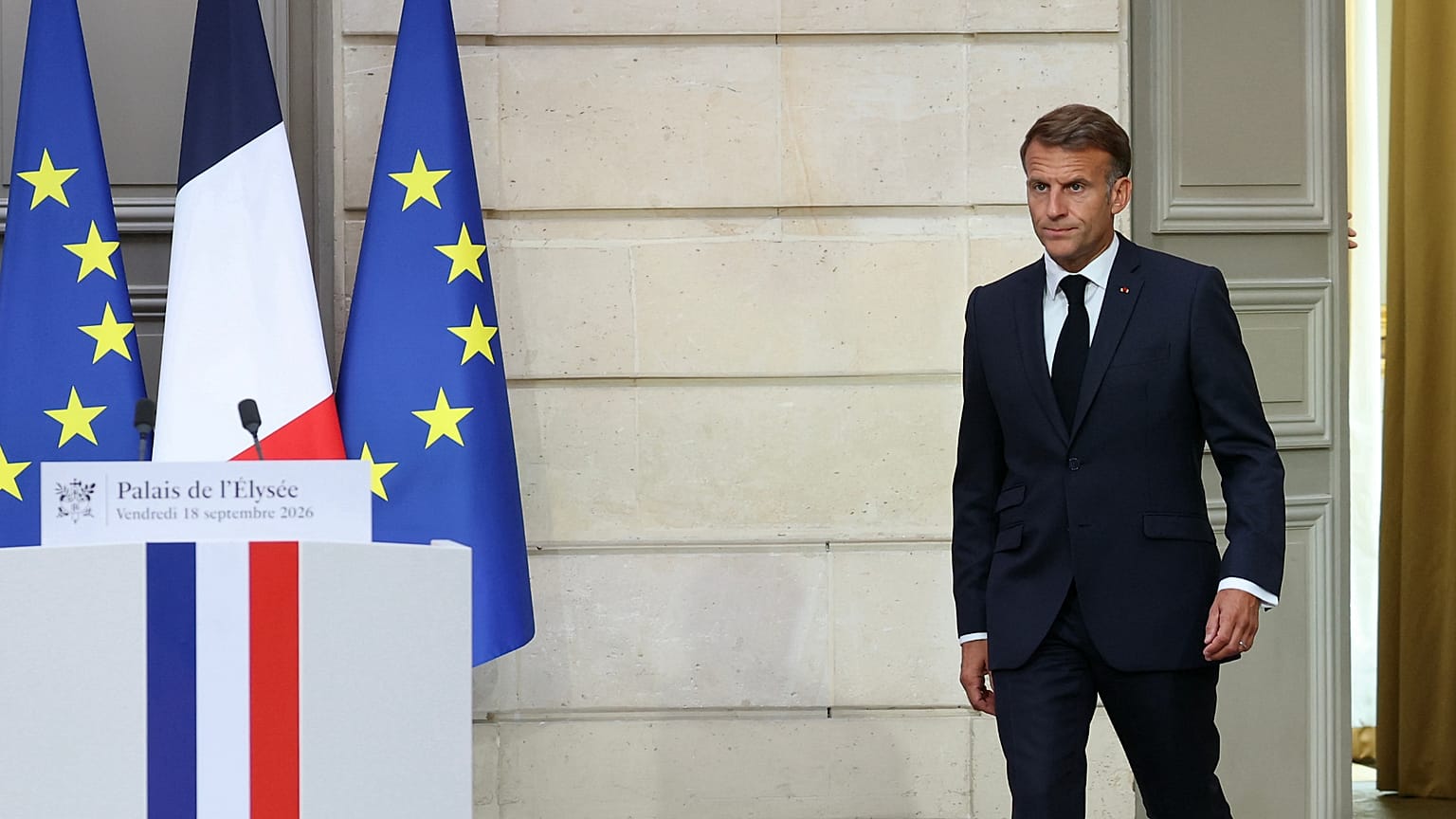
French President Emmanuel Macron has urged the European Commission to take emergency measures to prevent a further deterioration in Europe’s supply of diesel and jet fuel. In a letter to Commission President Ursula von der Leyen, Macron warned that the prolonged disruption of the Strait of Hormuz, attacks on energy infrastructure in Russia and the Middle East, and recovering Asian demand could trigger another major oil-price shock.
Macron said global markets have so far been supported by higher refinery output, weaker Asian demand, redirected trade and the use of existing stockpiles. However, he argued that these buffers are rapidly disappearing. Global oil inventories have declined by more than 500 million barrels, while 14% of French service stations were experiencing shortages or near-shortages on 22 September. A continued closure of the Strait of Hormuz and the failure of Saudi Arabia’s East-West pipeline to resume operations could remove at least 4 million barrels per day from global supply.
To increase fuel availability, Macron proposed temporarily relaxing selected EU fuel-quality requirements. Adjustments to specifications such as density, volatility and desulphurisation could, depending on the refinery, increase output by 5% to 20%. France also wants the EU to permit wider use of B10 diesel, which contains up to 10% biodiesel, subject to safety agreements with vehicle manufacturers.
Macron additionally called for a one-year delay to methane-reporting obligations for oil and gas importers, arguing that the rules could create legal uncertainty during a supply crisis. He proposed examining whether the EU’s joint gas-purchasing mechanism could be expanded to diesel and jet fuel. The Commission said potential shortages were a major priority and would be discussed with governments and industry at a high-level meeting.
Entities: Emmanuel Macron, Ursula von der Leyen, France, European Union, European Commission • Tone: urgent • Sentiment: negative • Intent: inform
22-09-2026
European petrol prices have reached record levels, with Euro-super 95 averaging €2.063 per litre across the EU on 14 September, the highest level in the European Commission’s data series since 2005. The article attributes the surge to a war with Iran that disrupted energy flows through the Strait of Hormuz, pushing Brent crude from about $72 to more than $100 per barrel for next-month delivery. Refining margins have also increased, adding an estimated €0.17 per litre to petrol prices and €0.41 to diesel prices in the euro area.
Taxes account for a substantial share of the price paid at the pump. EU drivers paid an average of €0.976 per litre in taxes, or 47.3% of the final petrol price. The tax burden generally consists of fixed excise duties, carbon or other levies, and VAT, which is applied after those charges have been added. This means motorists effectively pay VAT on fuel taxes as well as on the underlying fuel price.
The Netherlands has the highest petrol tax burden in the EU at €1.270 per litre, followed by Denmark at €1.230 and Finland at €1.193. Germany, Greece, France and Italy also collect more than €1 per litre. Portugal, Estonia and Latvia complete the top ten. Denmark has the EU’s most expensive petrol overall at €2.564 per litre, but the Netherlands collects more tax because of its higher excise duty. Greece has the largest tax share among the ten countries, with taxes representing 52.5% of the pump price. The article details the specific excise, carbon, security-of-supply and VAT charges used in each country.
Entities: Piero Cingari, Euronews, European Union, European Commission, European Central Bank (ECB) • Tone: analytical • Sentiment: negative • Intent: analyze
22-09-2026
Spanish farming organisations are demanding urgent direct government aid to offset a sharp rise in diesel, fertiliser, transport and energy costs linked to the war in Iran. Leaders of Asaja, COAG, UPA, Unión de Uniones and Cooperativas Agroalimentarias met Agriculture Minister Luis Planas and warned that protests would continue if no substantial support is provided. The groups say the increase threatens agricultural production, Spain’s food sovereignty and consumer prices.
Asaja estimates that agricultural diesel has risen by almost 50% since the conflict began and warns that as much as 40% of mainly arable crops could remain unsown without compensation. COAG is seeking support covering up to 70% of the diesel increase, the maximum permitted under European Union rules, alongside additional assistance for fertilisers and agricultural plastics. UPA proposed financing the aid through a special tax on the profits of major oil companies. Unión de Uniones called for structural reforms, including a professional diesel rate, and criticised the lack of enforcement of Spain’s Food Chain Law, which prevents farmers from passing higher costs on to buyers. Cooperativas Agroalimentarias said farms and cooperatives had absorbed much of the increase but warned that harvesting costs would eventually reach consumers.
The government is considering whether to extend support for productive sectors beyond 30 September and has indicated that it may assist agriculture beyond its existing response plan. The crisis is especially urgent because higher fuel prices coincide with the grape harvest and the beginning of olive and winter cereal campaigns. Fuel costs for fishing vessels have also risen by more than 85%.
The article links Spain’s agricultural crisis to the wider conflict, which has disrupted oil markets and threatened shipping through the Strait of Hormuz. Oil prices rose from below $70 to nearly $120 per barrel before settling around $90, while nitrogen fertiliser prices increased by as much as 50% in some markets.
Entities: Spain, Asaja, COAG, UPA, Unión de Uniones • Tone: urgent • Sentiment: negative • Intent: inform