24-09-2026
The France 24 business item reports travel and freight disruption linked to tighter United States sanctions on Iran’s aviation industry. Flights between Iran and the United Arab Emirates have been suspended, cutting Tehran’s direct air connection to Dubai, described in the article as one of the region’s most important commercial hubs. The report presents the suspension as a significant loss of access for Iranian travelers and businesses that rely on the route, though it provides no details about the number of affected flights, the duration of the suspension, or the specific sanctions measures involved.
The disruption is not limited to air travel. The article also describes major backups near Iran’s border with Turkey, where overland shipping routes are struggling to compensate for the gaps left by the air-service suspension. It therefore frames the effects of the sanctions as a broader challenge to movement and commerce, involving both air connections and land-based freight routes. The item does not quantify the delays or explain which goods or carriers are affected.
A brief teaser adds that another item in the same edition concerns Donald Trump and Xi Jinping, who are described as hailing strong ties between the United States and China while discussing artificial intelligence, trade, and energy. That teaser is separate from the Iran travel report. Overall, the article’s central focus is the immediate logistical impact of tighter U.S. sanctions on Iran’s aviation sector and the pressure on alternative overland routes. It is a short news-program description rather than a detailed investigation, and it offers no responses from Iranian, Emirati, Turkish, or U.S. officials.
Entities: Iran, United States, United Arab Emirates, Tehran, Dubai • Tone: analytical • Sentiment: negative • Intent: inform
24-09-2026
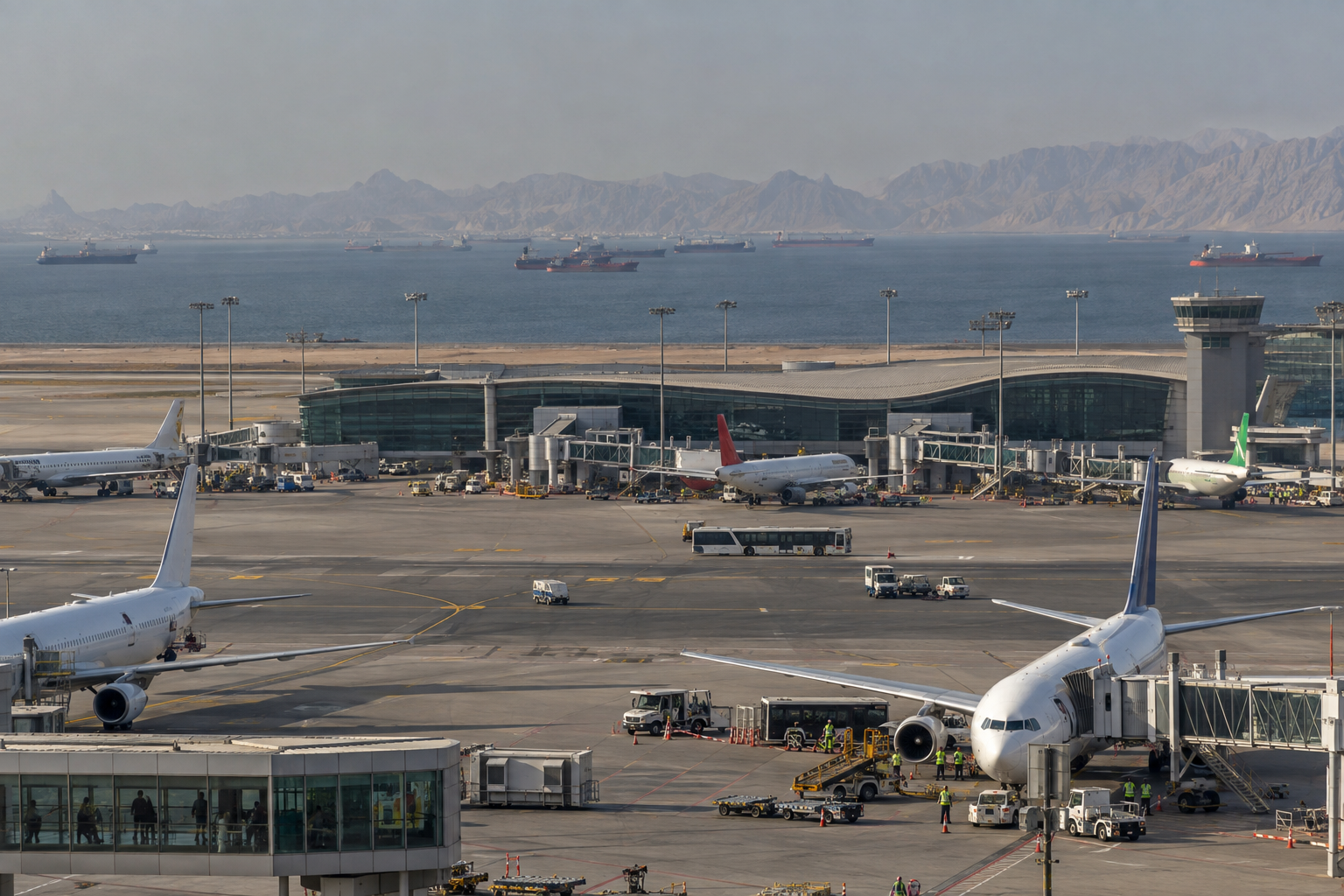
Iranian media reported on September 24 that the United Arab Emirates had suspended all flights operated by Iranian airlines, a measure said to comply with US sanctions imposed in connection with the Middle East conflict. The suspension disrupted Tehran–Dubai services, including an Iran Airtour flight that was cancelled shortly before departure despite tickets having been issued. UAE officials had not immediately commented.
Dubai is a major destination for Iranian airlines and a transit hub for Iranian travellers connecting to Europe, Asia and Africa, as well as a destination for business trips. Turkey, another important destination, remained open to Iranian travellers.
The disruption followed US sanctions announced in early September targeting Iran’s aviation sector. Companies were given until September 23 to stop providing services such as refuelling Iranian aircraft or risk losing access to the dollar-based financial system. From that date, neighbouring countries began imposing restrictions that forced major Iranian airlines to cancel international flights. Turkmenistan also denied Iranian airlines access to its airspace. As a result, a Tehran–Dushanbe flight could not reach its destination and returned to Imam Khomeini Airport, according to an Iranian civil aviation spokesman.
Despite the restrictions, some smaller Iranian carriers continued flying internationally, particularly to China and Armenia. China opposes the US sanctions. Iran has nearly 30 airlines, most focused on domestic and regional routes; Iran Air and the private carrier Mahan are the country’s largest airlines for international travel.
Entities: United Arab Emirates (UAE), Iran, Dubai, Tehran, Turkmenistan • Tone: neutral • Sentiment: neutral • Intent: inform
24-09-2026
Japanese Prime Minister Sanae Takaichi said discussions aimed at ending restrictions on shipping through the Strait of Hormuz should involve regional countries, nations that rely on the waterway, and the International Maritime Organization (IMO). Speaking to The National at an event on the sidelines of the UN General Assembly in New York, she called for free and safe navigation to be restored without additional charges. The issue is especially important to Japan: in normal circumstances, tankers using the strait carry about 93 per cent of the country’s crude oil imports, according to Japan’s Economy Ministry.
The article describes renewed diplomatic efforts between the United States and Iran amid the conflict and disruption to the route. Iranian President Masoud Pezeshkian said Tehran was ready for dialogue and negotiations, but not under what he called the “language of force.” US Secretary of State Marco Rubio said President Donald Trump had several options, including military ones. Middle East sources told The National that Iran had proposed a road map involving a regionwide ceasefire, a gradual reopening of the strait, and an end to the US blockade of Iranian ports. US and Iranian officials had also held talks on the sidelines of the UN General Assembly.
Before the conflict, about 20 million barrels of crude oil and petroleum products travelled through the strait each day, making it a major global energy route. Interruptions have strained energy supplies. Japan has pursued diplomatic engagement while seeking alternative oil supplies, and has supported international discussions on freedom of navigation. It has also proposed safe maritime corridors at the IMO for ships and crews in the Arabian Gulf. Takaichi said Japan would continue direct engagement with Iran and other countries, including through calls and meetings between leaders.
Entities: Sanae Takaichi, Masoud Pezeshkian, Donald Trump, Marco Rubio, Japan • Tone: analytical • Sentiment: neutral • Intent: inform