06-10-2026
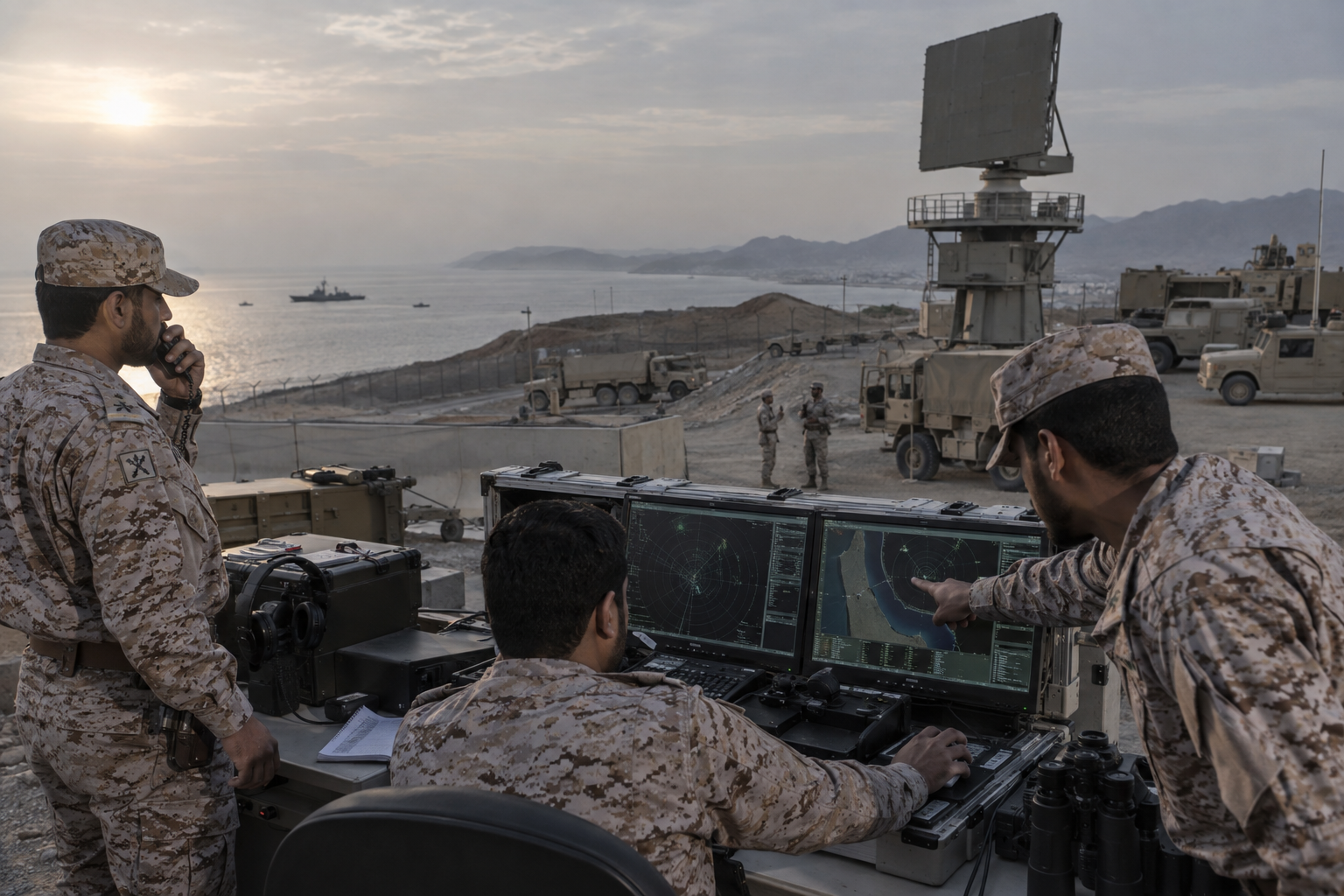
The article examines the activation of the August 2026 Mecca defence pact among Saudi Arabia, Pakistan and Turkiye, following an emergency meeting in Riyadh. The pact’s committee agreed to move forward with deploying Pakistani and Turkish forces and capabilities to Saudi Arabia, which is supporting a Yemeni government offensive against Houthi-held territory. The joint statement did not disclose the forces’ size or mission. Pakistan’s Defence Minister Khawaja Asif said Pakistani and Turkish personnel were providing support, including reconnaissance, while Saudi forces conducted the fighting. Analysts say this raises the unresolved question of whether Pakistan can remain outside direct combat as the campaign develops.
Pakistan has a long military relationship with Saudi Arabia, including decades of training and troop deployments, and signed a strategic mutual defence agreement with the kingdom in 2025. Pakistan has confirmed that forces and aircraft are present but has not published troop numbers. Islamabad describes its commitment as defensive and keeps operational details confidential. Turkiye’s role is less certain: its forces have reportedly been present, but Ankara has not confirmed a deployment, and parliament has not ratified the pact, a constitutional requirement for sending troops abroad.
Analysts suggest the pact could strengthen Saudi air and missile defences and signal that attacks will involve consequences beyond a bilateral Saudi-Houthi confrontation. Saudi officials’ reference to responding to attacks and “all those responsible” could be read as a warning to the Houthis and their external supporters. Pakistani and Turkish contributions are expected to be limited and specialized, such as air defence, drones, intelligence, electronic warfare and logistical support, rather than large ground forces. The article distinguishes defending Saudi territory from efforts to change the balance of power inside Yemen. Pakistan has not publicly clarified whether its role extends to operations there; Asif’s remarks leave the scope of its commitment open.
Entities: Saudi Arabia, Pakistan, Turkiye, Houthis, Mecca pact • Tone: analytical • Sentiment: neutral • Intent: analyze
06-10-2026
The report says that Turkiye and Pakistan agreed to send rapid deployment forces to Saudi Arabia following emergency talks in Riyadh. The agreement comes as fighting in Yemen intensifies. Yemen’s government forces, which are backed by Riyadh, have launched a counter-offensive against the Houthis with the aim of retaking territory they had lost. The report presents the deployment agreement and the battlefield development together, indicating that the regional security situation is becoming more active, but it does not provide further details about the forces, their size, timing, destination within Saudi Arabia, or intended duties. It also does not explain whether the deployment is directly connected to the counter-offensive or describe the response of the Houthis. No officials are quoted, and no additional background on the emergency talks or the course of the fighting is included. The available article is a brief news update rather than a detailed account: its central information is the agreement by Turkiye and Pakistan to send forces to Saudi Arabia and the simultaneous effort by Yemen’s Saudi-backed government forces to regain lost territory from the Houthis. The report is dated October 6, 2026.
Entities: Turkiye, Pakistan, Saudi Arabia, Riyadh, Yemen • Tone: neutral • Sentiment: neutral • Intent: inform
06-10-2026
The article warns that Saudi Arabia and Iran may be moving closer to direct conflict after Riyadh resumed major air strikes against Yemen’s Houthi rebels, ending a four-year lull. The Houthis are aligned with Tehran, and the report says they had received support from Iranian military advisers. On Monday, more than 100 Saudi warplanes struck rebel positions, enabling Yemeni government forces to retake much of the Red Sea coastal territory that the Houthis had captured the previous month.
Analysts cited in the article expect the Houthis to retaliate by stepping up drone and ballistic-missile attacks on Saudi Arabia. They also expect Iran’s Revolutionary Guards to provide weapons and targeting intelligence to partner groups within what is called the “Axis of Resistance.” The report frames these expected responses as a risk that could turn the Saudi campaign into a broader proxy conflict involving Iran more directly.
The article further warns that a widening war could draw in additional international players and increase casualties on all sides. Its central message is that the renewed Saudi bombing campaign, alongside Iranian support for the Houthis, raises the danger of escalation beyond Yemen. The supplied article does not provide further details about the analysts, the scale of casualties, or the identities of prospective international participants.
Entities: Saudi Arabia, Iran, Yemen, Riyadh, Tehran • Tone: urgent • Sentiment: negative • Intent: warn