06-10-2026
President Donald Trump signed an executive order temporarily expanding access to red-dyed diesel, a tax-exempt fuel normally reserved for off-road uses such as farming and construction, as U.S. diesel prices reached record levels. The order allows truckers and farmers to use the cheaper fuel more broadly through the end of 2026 and defers collection of the federal excise tax on highway diesel. The tax is 24.4 cents per gallon; using dyed diesel on public roads is ordinarily illegal and can lead to fines for tax evasion. Some states have already relaxed restrictions in response to rising fuel costs.
The national average price of diesel exceeded $6 per gallon in September for the first time. The article attributes the increase to fuel-supply disruptions related to the conflicts in Ukraine and Iran, as well as limited refining capacity. Higher fuel costs are also affecting transportation and household expenses. Rapidan Energy president Bob McNally estimated that Americans are spending about $700 million more each day on gasoline and diesel than they did a year earlier. The White House said truckers could save more than $100 per fill-up under the measure.
The order directs the Treasury secretary, in consultation with the Department of Defense, to defer the federal highway-diesel excise tax through the end of 2026, without interest or penalties. Treasury is also instructed to explore ways to eliminate the requirement to pay the deferred taxes. Separately, the Group of Seven nations agreed to release 100 million barrels of diesel and crude reserves after Trump pressed for action and floated a possible U.S. fuel-export ban. The article presents the order as a temporary response to tight global supply and elevated costs, while noting the usual legal restrictions on using dyed fuel on highways.
Entities: Donald Trump, United States, Ukraine war, Iran conflict, red-dyed diesel • Tone: analytical • Sentiment: negative • Intent: inform
06-10-2026
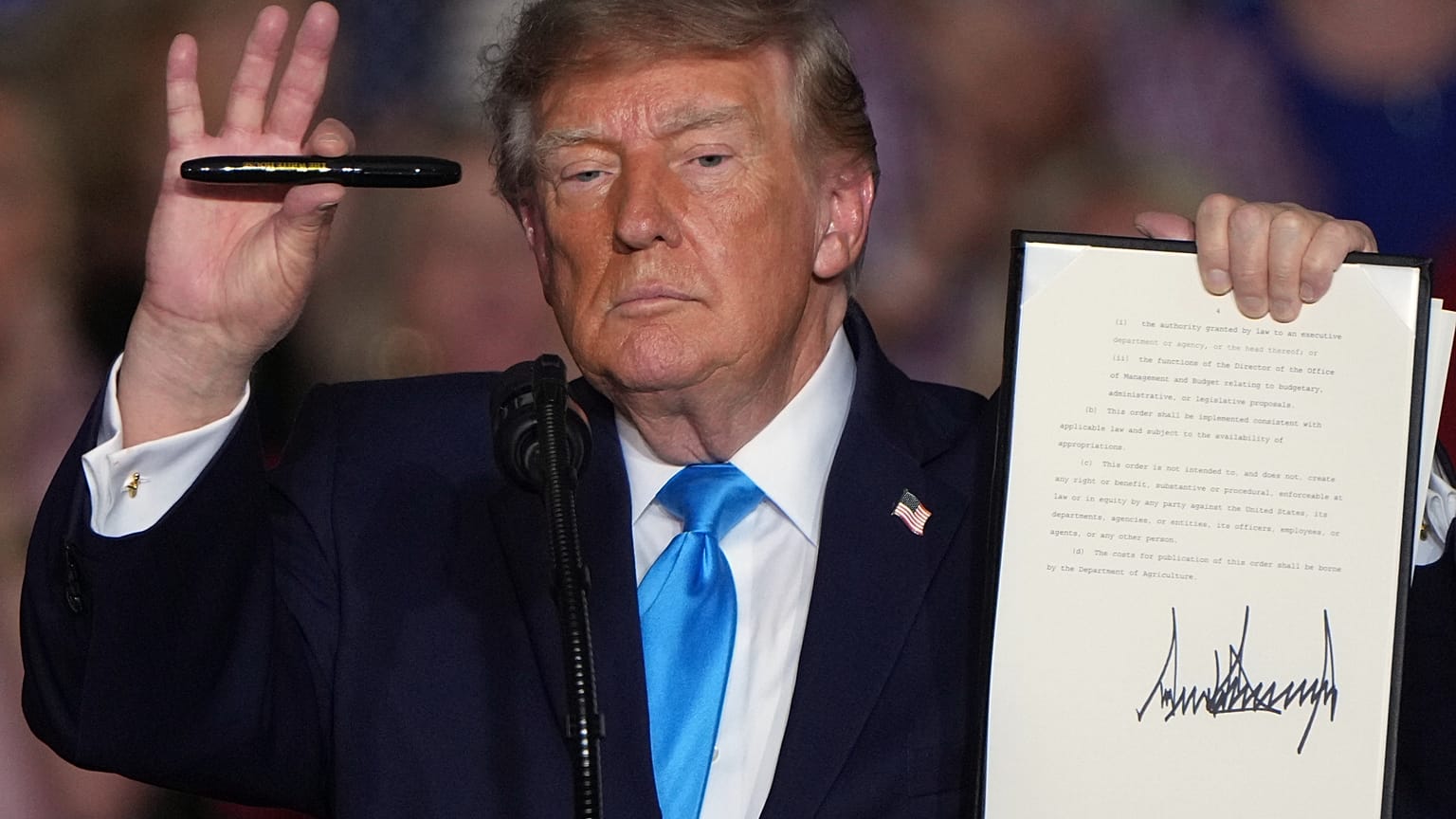
US President Donald Trump signed an executive order deferring taxes on red-dyed diesel used on public roads from 5 October through 31 December, as high fuel prices put pressure on truckers, farmers and Republicans ahead of next month’s midterm elections. The dyed fuel is normally tax-exempt because it is intended for off-road machinery; using it on roads usually incurs penalties. Trump presented the order at a campaign rally in Nebraska as allowing anyone to buy the fuel tax-free.
The order is more limited than that description suggests. It postpones payment of the federal diesel tax—24.4 cents per gallon—rather than eliminating it. The White House says the savings could exceed $100 per fill in states that also suspend their taxes. The executive order asks Treasury Secretary Scott Bessent to assess whether a law allowing tax deadlines to be postponed during disasters or military action applies, and to explore ways to cancel the deferred amounts. Unless the administration finds a way to do so, the taxes will remain payable after the relief period ends. The order does not specifically name truckers or farmers, though they are among those most likely to benefit; authorities and governors may also suspend inspections or taxes.
Diesel averaged $6.32 per gallon on Monday, near the September record of $6.53 and more than 70% above its price a year earlier. The article links the increase to the Iran war’s disruption of shipping through the Strait of Hormuz and to Russian export restrictions following Ukrainian attacks on refineries. The White House instead emphasized the Russia-Ukraine war, limited global refining capacity and policies in Democratic-led states. Trump also cited a G7 agreement to release 100 million barrels of refined diesel from strategic reserves over four months. Farmers welcomed the measure during harvest, while oil prices eased on Tuesday as Gulf exports excluding Iran recovered toward pre-war levels.
Entities: Donald Trump, Scott Bessent, Pete Hegseth, Zippy Duvall, Grand Island, Nebraska • Tone: analytical • Sentiment: negative • Intent: inform
06-10-2026
President Donald Trump signed an executive order in Nebraska to ease limits on the tax-free use of red-dyed diesel, presenting the move as a way to help farmers, truckers and consumers facing high fuel and grocery costs. The order comes four weeks before the November 3 midterm elections, as fuel prices—up after the Iran war—are weighing on Republican candidates. At a rally in Grand Island, Trump linked the measure to the campaigns of Republican Senator Pete Ricketts and Governor Jim Pillen, telling them it should help secure their elections.
The article notes that off-road diesel used for agriculture is already exempt from excise taxes and dyed for enforcement purposes. GasBuddy analyst Patrick De Haan argued that the change could save money for on-road users but would not help farmers already using tax-exempt fuel; he said supply, not taxes, was the central problem. Trump, by contrast, said truckers could save more than $100 per fill-up and that the order would lower the cost of goods.
Economic discontent is a political concern in rural areas that have supported Republicans. Nebraska ranchers are also unhappy with the administration’s proposal to increase foreign beef imports, which they say could undercut domestic producers. Voters interviewed at the rally expressed faith that costs would eventually fall, while one attendee blamed political opposition rather than Trump for economic difficulties.
The article also outlines competitive races in Nebraska and elsewhere. Ricketts faces independent Dan Osborn, while the state’s Omaha-area House seat is contested by Republican Brinker Harding and Democrat Denise Powell. A Republican super PAC cancelled planned broadcast spending in that race. Osborn, who previously lost a Senate race, has criticized Ricketts for not holding town halls. Trump is expected to campaign in several other battleground states, though those plans could change.
Entities: Donald Trump, Pete Ricketts, Jim Pillen, Dan Osborn, Nebraska • Tone: analytical • Sentiment: neutral • Intent: inform