04-09-2026
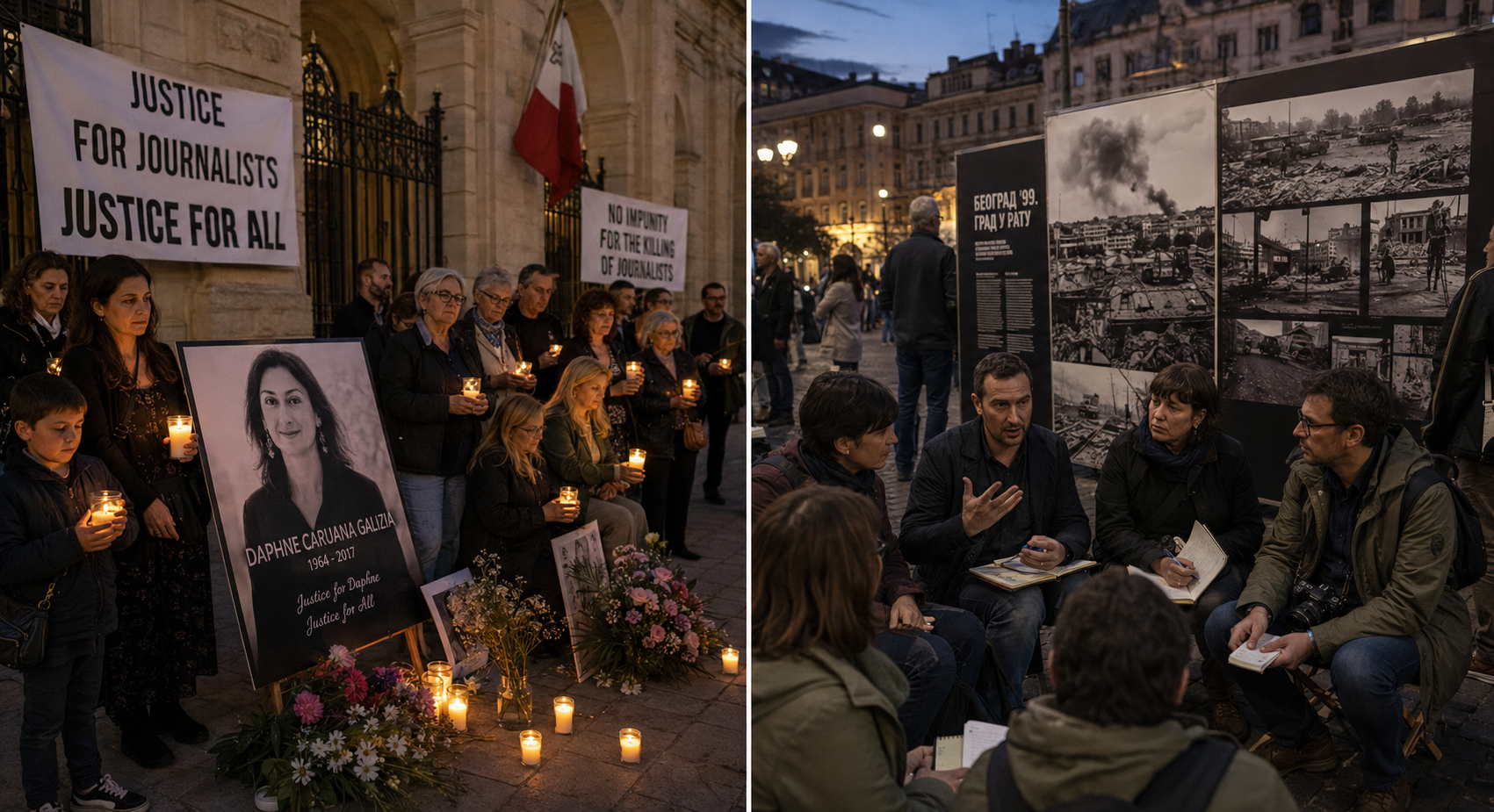
Maltese businessman Yorgen Fenech has been acquitted of ordering the 2017 murder of investigative journalist Daphne Caruana Galizia, provoking anger among protesters and her family. Eight of nine jurors rejected the prosecution’s case that Fenech had contracted intermediary Melvin Theuma to arrange the killing. Caruana Galizia’s son, Matthew, called the verdict “terrible,” “obscene,” and contrary to the evidence and truth.
Caruana Galizia was killed by a remotely detonated car bomb on October 16, 2017. Three men convicted of obtaining, placing, and detonating the bomb have already been punished, but the person who allegedly commissioned the murder has never been legally identified. Fenech had long been considered the central suspect. His 2019 arrest aboard his yacht, after it was intercepted by a military patrol boat, triggered widespread protests and intensified scrutiny of alleged links between the murder and senior government figures. Then-Prime Minister Joseph Muscat resigned in 2020 amid accusations that his government had protected political allies.
The prosecution argued that Fenech had a motive because Caruana Galizia was investigating his company 17 Black and the ElectroGas energy consortium for possible corruption. Its case depended heavily on Theuma, who received a pardon for cooperating with investigators. Fenech’s defense challenged Theuma’s credibility and argued that evidence implicating Muscat’s former chief of staff, Keith Schembri, had not been properly investigated.
Although many Maltese citizens are outraged, the article notes there is no evidence that Fenech received an unfair trial. The acquittal has instead renewed criticism of Malta’s institutional failures, slow justice system, and limited progress on press-freedom reforms. A 2021 inquiry found that an “atmosphere of impunity” had enabled the murder. Further investigations may now follow, as the judge ordered trial evidence sent to the police chief. The Institute of Maltese Journalists has urged authorities to pursue every lead, including those involving former senior politicians. Nearly nine years after the killing, no one has been held legally responsible for commissioning it.
Entities: Yorgen Fenech, Daphne Caruana Galizia, Matthew Caruana Galizia, Melvin Theuma, Joseph Muscat • Tone: analytical • Sentiment: negative • Intent: analyze
04-09-2026
The return of Ratko Mladic’s body to Serbia has reopened a deep and unresolved conflict over the country’s interpretation of the Bosnian War and its wartime legacy. Mladic, the former commander of the Bosnian Serb army, died in The Hague while serving a life sentence for genocide, war crimes and crimes against humanity. He was convicted for the 1995 Srebrenica genocide, in which more than 8,000 Muslim men and boys were killed, the siege of Sarajevo, and the detention and abuse of non-Serb civilians and prisoners of war.
After his remains arrived in Belgrade, supporters gathered along the route, displaying banners that called him a hero and thanked him for his service. Pro-government tabloids portrayed him as a Serbian general who had been “killed” in The Hague. Reports that he might receive a funeral with the highest state honors prompted criticism from European officials. President Aleksandar Vucic later said the decision would be left to Mladic’s family, while security agencies prepared for a potentially large gathering.
Jasmina Lazovic of the Humanitarian Law Center says Mladic has been glorified for years through murals, media narratives and the selective presentation of Serbia’s wartime history. She argues that this framing depicts Serbia as having fought only defensive wars and marginalizes the experiences of victims, including those killed, raped, tortured or forcibly displaced across Bosnia and Herzegovina, Croatia and Kosovo.
The question of state honors is also legally contentious because Serbian law strips people convicted of crimes carrying sentences longer than one year of their military rank and related privileges. Interviews in Vojvodina showed sharply divided opinions, although many citizens expressed apathy or frustration with the issue’s political manipulation. Lazovic argues that confronting Mladic’s legacy and the wider consequences of the wars is necessary for Serbian society to move forward.
Entities: Ratko Mladic, Aleksandar Vucic, Jasmina Lazovic, Marta Kos, Humanitarian Law Center • Tone: analytical • Sentiment: negative • Intent: analyze
04-09-2026
The body of Bosnian Serb war criminal Ratko Mladic arrived in Serbia from The Hague on Thursday and was received with military honours. Mladic’s coffin, covered by the Serbian flag, was carried from the aircraft by six soldiers. He was accompanied on the journey by his son, Darko Mladic, and Serbia’s Justice Minister, Nenad Vujic. After the arrival ceremony, the body was transported under police escort, reportedly to a military hospital in Belgrade.
Mladic died the previous week while serving a life sentence in a United Nations detention facility. He had been convicted of genocide, war crimes and crimes against humanity committed during the 1992–1995 Bosnian war. His convictions relate to some of the conflict’s worst atrocities, and he remains a deeply divisive figure in the region.
Pro-government media in Serbia showed footage of dozens of people, most of them young men, gathering on motorway footbridges as the convoy passed. The supporters displayed banners honouring Mladic and lit flares in his memory. The same media outlets published reported details of funeral arrangements, including a public service at a church on Monday. However, the article notes that these plans had not been officially confirmed.
The report highlights the contrast between Mladic’s status as an internationally convicted war criminal and the public honours and expressions of support he received upon his return to Serbia. It also indicates that a large funeral was expected, although official information about the ceremony remained limited at the time of publication.
Entities: Ratko Mladic, Darko Mladic, Nenad Vujic, Serbia, Belgrade • Tone: neutral • Sentiment: negative • Intent: inform
04-09-2026
FRANCE 24’s media programme Scoop examines the implications for journalists of the acquittal of Maltese businessman Yorgen Fenech in the case concerning the murder of investigative journalist Daphne Caruana Galizia. The programme presents the verdict as a major development that has angered press-freedom organizations, particularly because Caruana Galizia’s killing has been associated with concerns about corruption, political influence and accountability in Malta.
Caruana Galizia is described as an outspoken critic of the Maltese government and as a “one-woman WikiLeaks,” highlighting the scale and impact of her investigative work. She was killed by a car bomb in 2017. Following her death, speculation emerged that influential figures could have been involved in the attack. Fenech’s acquittal of involvement has therefore renewed questions about whether those responsible for the killing, and any broader network behind it, will be held accountable.
The episode features Herman Grech, editor-in-chief of the Times of Malta, as its guest. His participation indicates that the discussion focuses not only on the legal outcome but also on its consequences for journalism, investigative reporting and press freedom. The programme’s framing suggests that the case remains significant for journalists because it concerns the risks faced by reporters who investigate powerful people and institutions, as well as the ability of the justice system to address attacks on the media.
Overall, the article serves as a brief introduction to the episode rather than a detailed account of the trial or the reasons for Fenech’s acquittal. It informs viewers about the programme’s subject and places the verdict within the wider debate over the safety of journalists, government criticism and accountability in Malta.
Entities: Daphne Caruana Galizia, Yorgen Fenech, Herman Grech, William Hilderbrandt, FRANCE 24 • Tone: analytical • Sentiment: negative • Intent: analyze