27-10-2026
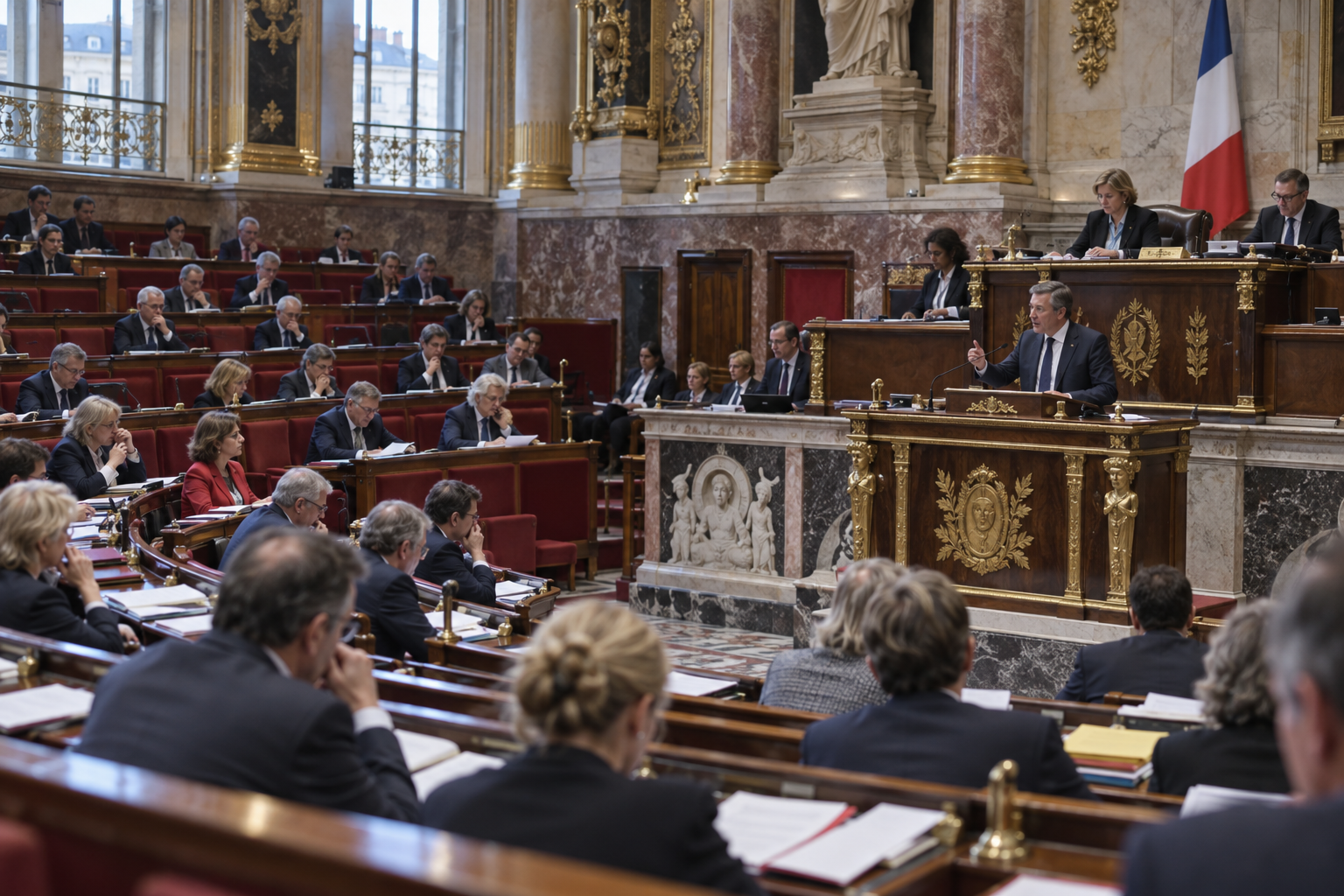
The France 24 item is a short video report, issued on 27 October 2026, about a bill under consideration by France’s Senate following recent unrest and violence across the country. According to the supplied description, the proposed “casseurs-payeurs,” or “rioters pay,” measure would require rioters to pay for damage caused during the unrest if the Senate passes it. The report also highlights a contentious addition to the draft law concerning social media platforms. Senators are to vote on whether the government should be allowed to block platforms that respond too slowly to authorities’ reports of dangerous content. The description presents these provisions as part of the same legislative debate, but gives no further details about the bill’s wording, the nature or scale of the damage, the protests, the platforms involved, or arguments made by supporters and opponents. It also does not state the vote’s outcome. The video is credited to Charlotte Lam and has a listed duration of 1 minute 39 seconds. Because the supplied page text contains only a brief description rather than a full transcript, the report’s explanations and any additional context cannot be reconstructed from the material provided. Overall, the item informs viewers about the Senate’s consideration of a proposed compensation measure and a related social-media enforcement provision, emphasizing that both remain subject to a Senate vote.
Entities: France, French Senate, Charlotte Lam, “Rioters pay” bill, “Casseurs-payeurs” bill • Tone: analytical • Sentiment: neutral • Intent: inform
27-10-2026
A proposed French law would make people who knowingly belong to a group jointly liable for damage caused by any member, with penalties of up to €10,000. The government says the measure would help compensate businesses and other victims of vandalism and looting during protests, including unrest on October 17. The protests have concerned poor conditions in French schools and the high cost of living, and have been accompanied by some of France’s worst unrest in years.
Rights groups and lawyers argue the bill could weaken the democratic right to protest. They warn that peaceful demonstrators near violence might be treated as responsible for damage they did not cause. The bill would also allow the state to seize welfare entitlements from people convicted under it, or from their parents if they are minors. Lawyer Hanna Bouchareb, who represented people accused of rioting, says the proposal undermines protest rights. The Human Rights League and trade unionists have also called for the bill to be scrapped.
Interior Minister Laurent Nuñez rejects the criticism, describing the proposal as joint rather than collective responsibility. The debate is unfolding amid concerns about policing: police faced accusations of excessive force during the 2020 Yellow Vest protests, and student protesters have recently alleged heavy-handed tactics. Lawyers have also questioned fast-tracked riot convictions.
Supporters point to surveys indicating broad public backing. Marine Le Pen’s National Rally says the proposal does not go far enough, objecting to the €10,000 cap. The bill is being debated in parliament this week.
Entities: France, Emmanuel Macron, Laurent Nuñez, Hanna Bouchareb, Edwige Diaz • Tone: analytical • Sentiment: neutral • Intent: inform
27-10-2026
A proposed French law would make people who knowingly belong to a group jointly liable for damage caused by any member, with payments capped at €10,000. It would also allow the state to seize welfare benefits from people convicted under the law, or from their parents if they are minors. The bill is being debated in parliament amid pressure on President Emmanuel Macron’s government to respond to social protests and serious unrest, including looting and vandalism reported on October 17. Businesses say they have lost millions of euros through damage and closures during protests.
Rights groups and lawyers oppose the proposal, arguing that its wording could expose peaceful demonstrators who were merely near violent acts to legal responsibility and prosecution. Paris-based lawyer Hanna Bouchareb says the measure undermines the right to protest. The Human Rights League and trade unionists have also called for the bill to be scrapped, rejecting the government’s distinction between joint and collective responsibility.
Interior Minister Laurent Nunez defended the measure, saying it establishes joint responsibility without making individuals collectively accountable. He had offered his resignation after security forces were overwhelmed by unrest, but Macron asked him to remain in office. The debate takes place against a wider backdrop of disputes over police conduct: officers faced accusations of excessive force during the 2020 yellow vest protests, and student protesters have recently alleged heavy-handed tactics. Lawyers have also questioned fast-tracked convictions of people accused of rioting.
Supporters point to surveys indicating broad public backing. The far-right National Rally, whose leader Marine Le Pen is a frontrunner in the next presidential election, supports joint responsibility but argues that the €10,000 cap is too low. The article presents the competing arguments over compensation, public order, and the potential effect of the bill on the right to protest.
Entities: Emmanuel Macron, Hanna Bouchareb, Laurent Nunez, Edwige Diaz, Paris • Tone: analytical • Sentiment: neutral • Intent: inform