27-10-2026
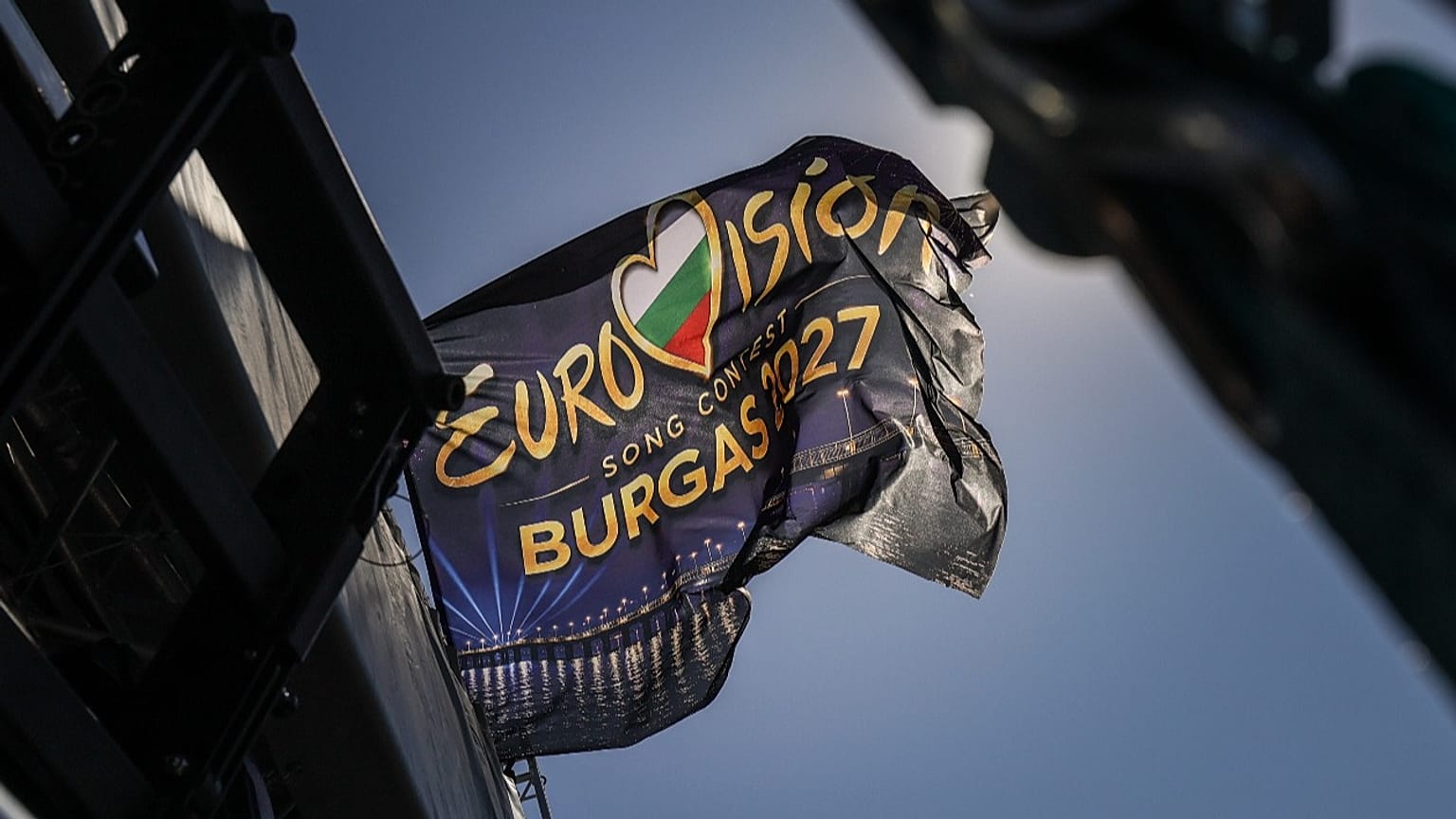
The Netherlands will not participate in the 2027 Eurovision Song Contest, the Dutch public broadcaster NPO has confirmed. NPO said Israel’s participation has prompted varied public reactions and social division, and that it decided to withdraw after consulting the board of broadcasters. The decision reverses an earlier move by NPO to take responsibility for the Dutch entry after broadcaster AVROTROS announced in August that it would boycott the contest, arguing that Eurovision could no longer be considered neutral. NPO executive chairman Jet de Ranitz said the broadcaster understood the decision would disappoint fans, but would continue airing the competition on public channels. The Netherlands had also boycotted the 2026 edition. Iceland, Spain, Ireland and Slovenia withdrew from that contest, while Spain, Ireland and Slovenia also declined to broadcast it. Organisers have said countries cannot host Eurovision when armed conflict or other sensitive circumstances significantly affect security, safety or stability in the host country or nearby region. That policy has not stopped further withdrawals: Ireland has already said it will sit out the 2027 contest for a second consecutive year. The Czech broadcaster has also pulled out of next year’s event, citing spending cuts rather than the Israel-related dispute. Bulgaria is set to host Eurovision 2027 in Burgas, on the Black Sea, after Bulgarian singer Dara won the 2026 contest in Vienna with “Bangaranga.” The article places the withdrawals in the context of growing disagreement over Israel’s participation, while also noting Eurovision’s long history and broad reach as a major televised music event.
Entities: Netherlands, Eurovision Song Contest 2027, NPO, Jurre Bosman, Jet de Ranitz • Tone: analytical • Sentiment: neutral • Intent: inform
27-10-2026
The Netherlands will not participate in the 2027 Eurovision Song Contest, reversing a decision announced last month to return after boycotting the 2026 competition. Public broadcaster NPO said Israel’s participation has prompted strong and divided reactions in Dutch society. NPO media director Jurre Bosman said the broadcaster had decided to forgo participation, while chair Jet de Ranitz explained that discussions initially suggested enough support for a return but failed to produce a suitable format. The organisation concluded that it was too soon to take part and would step back for the time being. Eurovision will still be broadcast in the Netherlands, despite the likelihood that some fans will be disappointed.
Contest director Martin Green said he was sorry to lose the Dutch entry but respected the decision and the strength of feeling behind it. He described Eurovision as a rare opportunity for people from across Europe and beyond to come together through music, creativity and shared experience, and said organisers hoped to welcome the Netherlands back when the time was right.
The Netherlands, Iceland, Spain, Ireland and Slovenia boycotted the 2026 event amid criticism of Israel’s military actions in Gaza and the Middle East. Eurovision organisers have announced changes intended to address divisions, including a rule excluding countries involved in armed conflict from hosting and changes to voting. Ireland has also ruled out participating in 2027, while Spain’s public broadcaster chief has supported a boycott. The Czech broadcaster has withdrawn too, citing budget cuts rather than Israel’s participation. The 2027 contest is scheduled for 15 May in Burgas, Bulgaria, following Dara’s win in Vienna with “Bangaranga.”
Entities: Netherlands, Eurovision Song Contest, NPO, Avrotros, Jurre Bosman • Tone: analytical • Sentiment: neutral • Intent: inform
27-10-2026
The Netherlands will not participate in the 2027 Eurovision Song Contest, reversing an earlier decision to return. The Dutch public broadcasting umbrella organization NPO said it could not find a broadcaster willing to send a Dutch artist. NPO director Jet de Ranitz explained that initial discussions had suggested enough support for a return, but the organization concluded it was too early to take part amid sensitivities surrounding the issues currently affecting the contest. NPO will nevertheless broadcast the event.
The reversal follows criticism of the planned return. Dutch broadcaster AVROTROS had said in August that it would not participate because Israel was in the contest, and about 400 NPO employees signed a letter asking the organization to reconsider its participation. Eurovision director Martin Green said he was sorry about the Netherlands’ withdrawal, while respecting the decision and the strength of feeling behind it. He defended the contest as a rare occasion for people to come together through music and shared experience, and said organizers would welcome a Dutch entry again when NPO, its members and audiences felt the time was right.
The Netherlands is not alone in stepping away from the 2027 competition. Ireland has also announced it will not participate, Spain’s public broadcaster chief has backed an ongoing boycott, and Czechia has withdrawn, citing budget pressures. In the previous year, Spain, the Netherlands, Ireland, Iceland and Slovenia boycotted after organizers declined to exclude Israel over its military actions in Gaza and violence against Palestinians in the West Bank. The article also recalls broadcasters’ public explanations for their earlier decisions, including concerns about civilian deaths, the humanitarian crisis and the values they believed participation would conflict with.
The 2026 contest drew 131 million viewers, 35 million fewer than the year before. Eurovision 2027 is scheduled for 15 May in Burgas, Bulgaria, following Dara’s victory in Vienna.
Entities: Netherlands, Eurovision Song Contest 2027, NPO, AVROTROS, Jet de Ranitz • Tone: analytical • Sentiment: negative • Intent: inform