22-09-2026
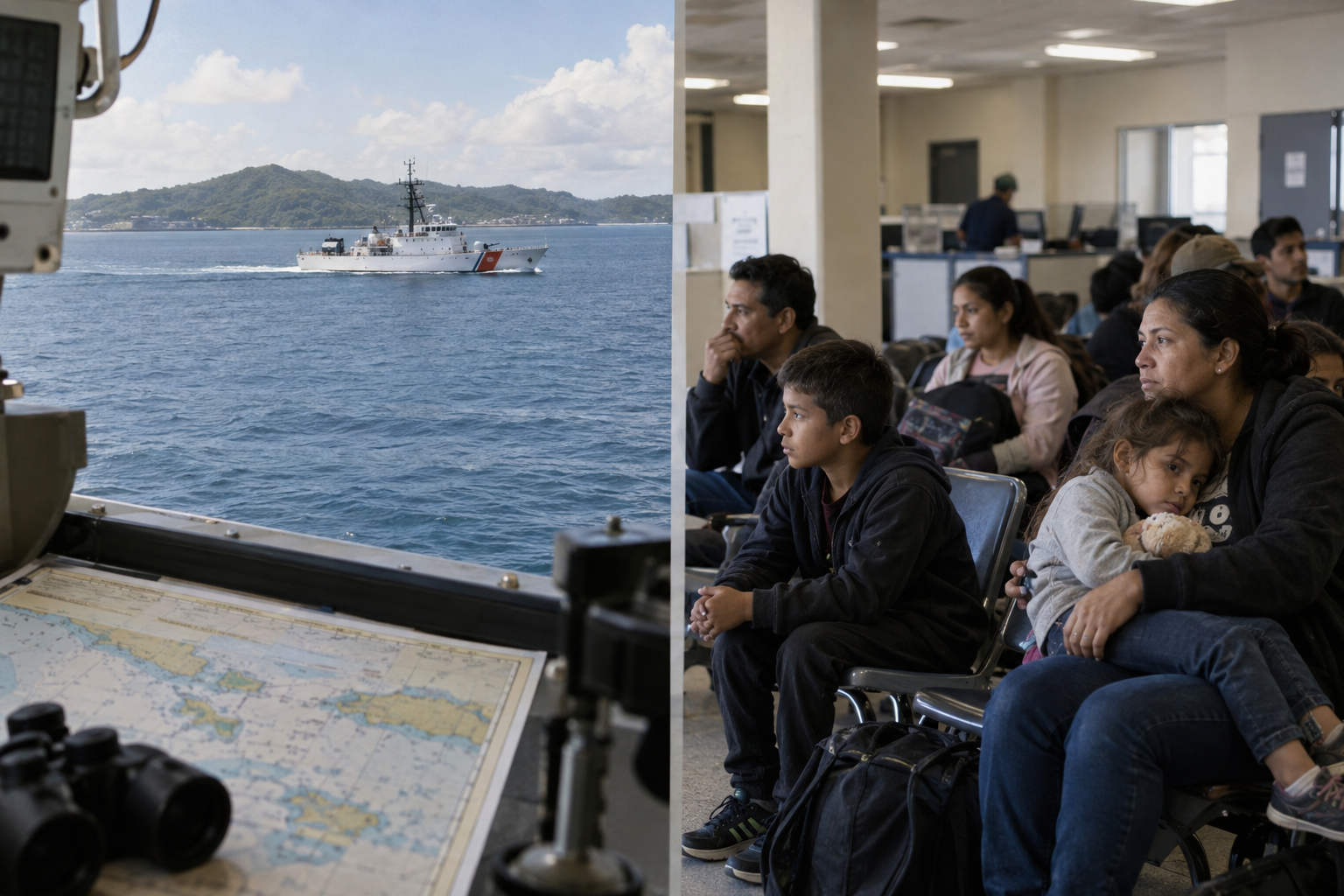
A United Nations report says US military strikes on alleged drug-trafficking vessels in the Pacific Ocean and Caribbean Sea may violate international, maritime and humanitarian law and could constitute crimes against humanity. Since September 2025, the US has reportedly attacked at least 68 vessels, killing at least 223 people. The Trump administration calls the operation “Southern Spear” and argues that it is necessary self-defence against Latin American drug gangs, including Venezuela’s Tren de Aragua and Cartel de los Soles, which the US has designated as Foreign Terrorist Organisations.
UN Special Rapporteur Ben Saul found no legal basis for the strikes. According to his report, the targeted organisations had not carried out an armed attack against the United States, there was no evidence Venezuela used them as armed proxies, and the attacks were neither necessary nor proportionate. The US could have intercepted or boarded the vessels instead. Because the boats and their occupants did not pose an imminent military threat, Saul concluded that the strikes amounted to attacks on non-military vessels and individuals during peacetime, potentially constituting serial extrajudicial killings. He also found reasonable grounds to consider them part of a widespread or systematic attack on civilians.
The report said the campaign had not reduced drug flows into the United States. Cocaine prices, supply and border seizures reportedly remained stable, while much cocaine is transported on container ships rather than small boats. The strikes also did not address fentanyl and opioids, the main drivers of US overdose deaths, and had cost an estimated $4.7 billion.
Despite the findings, President Donald Trump has discussed expanding military action to Mexico, Colombia and Cuba. The report also criticised US-linked operations in Ecuador and the January operation that captured former Venezuelan President Nicolás Maduro, calling the latter an unlawful use of force and arbitrary detention. Maduro and his wife, Cilia Flores, deny the US allegations against them.
Entities: Donald Trump, Ben Saul, Nicolás Maduro, Cilia Flores, United Nations Human Rights Council • Tone: analytical • Sentiment: negative • Intent: inform
22-09-2026
A United Nations human rights expert has concluded that US military strikes against suspected drug-trafficking boats in the Caribbean Sea and Pacific Ocean violate international law and may constitute crimes against humanity. In a report, Ben Saul, the UN special rapporteur on human rights and counterterrorism, said the United States attacked 68 vessels in international waters between September 2025 and August 2026, killing at least 223 people.
The US government has defended the operations as acts of self-defence against “narco-terrorists.” President Donald Trump has told Congress that the campaign reflects an armed conflict with designated terrorist organisations. Saul rejected that justification, arguing that drug trafficking does not qualify as an armed attack that would permit the use of force in self-defence. He also said there was no factual basis for claiming that groups such as Tren de Aragua were armed proxies of the Venezuelan government.
The report found that the attacks violated the International Covenant on Civil and Political Rights because lethal force is permitted only as a last resort against an imminent threat. It said the killings were systematic, organised under state policy, and widespread enough to plausibly meet the definition of murder as a crime against humanity. Saul called for investigations, prosecutions of those responsible—including political and military leaders—and reparations for victims’ families.
The report also questioned whether the strikes are effective in reducing drug trafficking. Cocaine seizures at the US border have remained steady, while much of the region’s cocaine is transported by container ships rather than the small boats being targeted. The operations do not address fentanyl and opioids, which are not typically transported by sea from Venezuela and are the leading cause of overdose deaths in the United States. Saul said the campaign could undermine efforts to dismantle cartel networks, while costing an estimated $4.7bn by mid-2026 that could have been used for law enforcement, public health and development programs.
Entities: Ben Saul, United Nations, United Nations Special Rapporteur on Human Rights and Counterterrorism, United States military, Donald Trump • Tone: analytical • Sentiment: negative • Intent: analyze
22-09-2026
The Trump administration plans to allocate 17,500 refugee places for fiscal year 2027, primarily for White Afrikaners from South Africa, according to a State Department notice to Congress obtained by CBS News. The fiscal year begins in October. The planned admissions would add to the thousands of Afrikaners resettled in the United States over the previous year and a half, while the administration has effectively halted refugee resettlement for most people fleeing persecution and violence elsewhere.
The administration says Afrikaners, descendants of European settlers, face racial oppression in post-apartheid South Africa. Its notice cites property seizures without compensation, policies affecting employment, education and business, and rhetoric it says fuels disproportionate violence against racial minorities. South Africa’s government denies persecuting the group. The U.S. effort is projected to cost $500 million; the notice says the government expects Afrikaners to assimilate and does not anticipate other countries resettling them.
The article places the plan in the context of President Donald Trump’s claims that Afrikaners face a “genocide,” which have been strongly disputed. During a tense Oval Office meeting with South African President Cyril Ramaphosa last year, Trump presented a video highlighting murders of farmers. A “60 Minutes” report this year featured Afrikaners who rejected the genocide claim and said farm murders are part of a broader crime problem affecting people of all races. The story also notes that the United States recently imposed sanctions on South African officials over alleged discrimination against Afrikaners.
Entities: Donald Trump, Cyril Ramaphosa, South Africa, United States, State Department • Tone: analytical • Sentiment: neutral • Intent: inform