14-09-2026
European leaders met in Rovaniemi, Finland, to discuss a stronger European Union role in the increasingly important Arctic region. The talks focused on the opportunities and risks created by rapidly melting Arctic ice, including emerging shipping routes, access to raw mineral deposits, and growing military and security activity by the United States, China and Russia.
German Chancellor Friedrich Merz and 11 other EU leaders issued a joint declaration calling for a “more strategic and proactive” EU presence in the European Arctic. The declaration urged greater efforts to promote stability, sustainable development and prosperity while protecting European interests. It also called for improved monitoring and information-sharing, more investment in transport and digital infrastructure, stronger military mobility, and better protection against hybrid threats targeting critical infrastructure on land and at sea.
The meeting was initiated by Finnish Prime Minister Petteri Orpo and is expected to contribute to the European Commission’s new Arctic strategy, which is due to be released in the coming weeks. No formal decisions were expected, but national leaders may still influence the final policy. The EU’s previous Arctic strategy was published in 2021.
The Arctic is warming nearly four times faster than other regions. As sea ice retreats, transport routes such as the Northern Sea Route and access to energy and mineral resources are becoming more viable, encouraging increased activity from major powers. China and South Korea recently tested the Northern Sea Route with container ships.
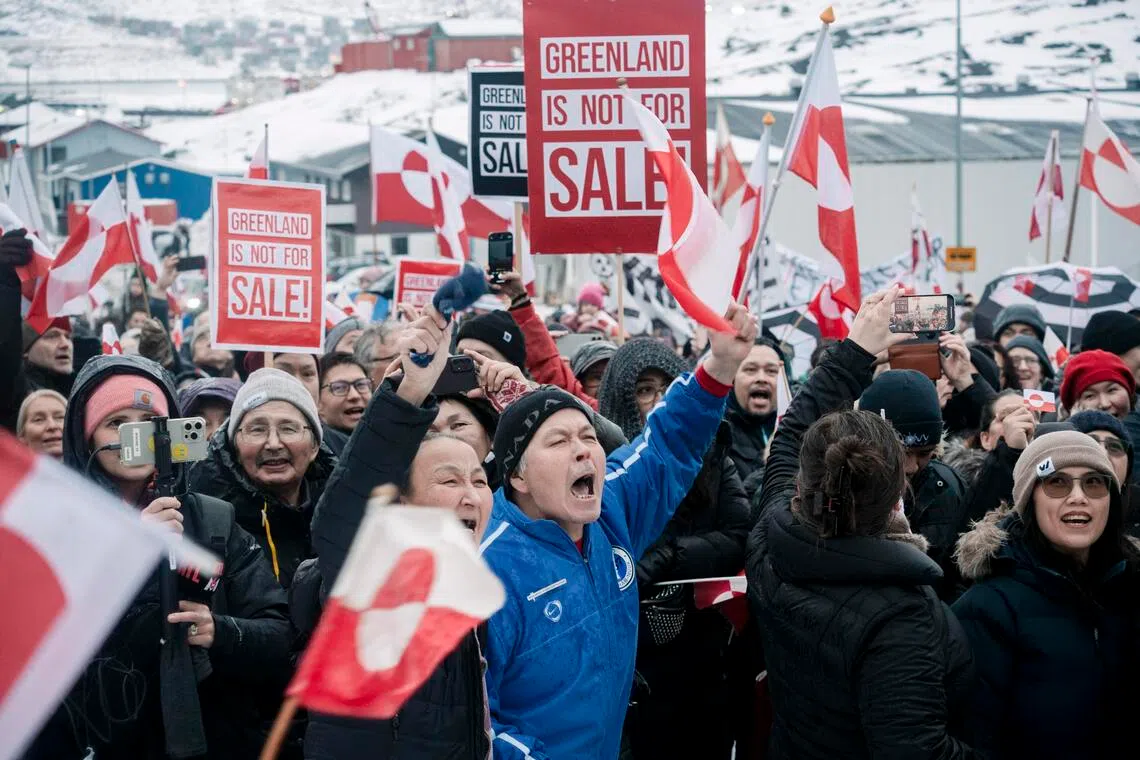
A major political concern for the EU and Denmark is US President Donald Trump’s demand that the United States acquire Greenland, a self-governing territory of Denmark. Trump has cited security concerns involving China and Russia, but his position has strained NATO relations. The EU has responded by seeking closer cooperation with Greenland and announcing a €200 million investment package, partly aimed at developing infrastructure for extracting critical raw materials.
Entities: European Union (EU), Arctic region, Rovaniemi, Finland, German Chancellor Friedrich Merz, Finnish Prime Minister Petteri Orpo • Tone: analytical • Sentiment: neutral • Intent: inform
14-09-2026
Twelve European countries have called on the European Union to adopt a more strategic and proactive role in the Arctic, citing increasing security threats and intensified competition in the region. The appeal followed the European Arctic Summit in Rovaniemi, Finland, which was attended by German Chancellor Friedrich Merz, Danish Prime Minister Mette Frederiksen and French Foreign Minister Jean-Noël Barrot.
EU foreign policy chief Kaja Kallas said the bloc must remain vigilant because of Russia’s expanding military activity in the Arctic and China’s growing interest in the region. She said the EU plans to publish a new Arctic strategy in October, with security at its core, and described the Arctic as part of Europe’s wider security architecture.
The region is strategically important because it connects North America and Europe through transport, communications and trade routes. NATO says Russia has significantly increased its military presence by establishing a new Arctic Command, opening military facilities and testing novel weapons systems. China is also seeking access to the Arctic’s critical minerals, energy resources and emerging communications routes.
The summit took place shortly after European Commission President Ursula von der Leyen visited Greenland, an autonomous Danish territory that US President Donald Trump has repeatedly said the United States should acquire for national security reasons. The EU has sought to demonstrate its support for Greenland, including through a €200 million investment partnership announced during von der Leyen’s visit.
Trump has argued that Russia or China could otherwise take control of Greenland, prompting opposition from European governments. The United States once operated 17 military facilities and deployed more than 10,000 troops on the island during the Cold War. It now maintains one installation, Pituffik Space Base, which supports missile warning, missile defense and space surveillance missions.
Entities: Arctic, European Union, Kaja Kallas, Russia, China • Tone: analytical • Sentiment: neutral • Intent: inform
14-09-2026
European Union leaders are meeting in Rovaniemi, Finland, to develop a stronger and more coordinated strategy for the Arctic as the region becomes increasingly important for security, trade, natural resources and geopolitics. The summit, initiated by Finnish Prime Minister Petteri Orpo, comes shortly before the European Commission is expected to publish a new Arctic strategy, giving participating governments an opportunity to influence the document. German Chancellor Friedrich Merz, Danish Prime Minister Mette Frederiksen, EU foreign policy chief Kaja Kallas and EU Council president Antonio Costa are among the scheduled participants.
The meeting follows heightened tensions caused in part by US President Donald Trump’s repeated threats to bring Greenland, an autonomous Danish territory, under US control. Although Trump has ruled out annexing Greenland by force, his position has created a diplomatic crisis among allies. NATO has responded by launching a new mission intended to strengthen Arctic security, while the European Commission has pledged a €200 million support package for Greenland and promised greater EU engagement in the territory and the wider region.
Climate change is intensifying the Arctic’s strategic importance. The region is warming nearly four times faster than the global average, causing serious environmental damage and threatening local livelihoods. Melting sea ice is also opening new maritime routes and increasing competition over resources. Russia, China and the United States have expanded their activities in the Arctic, while China and South Korea recently sent container ships to test the Northern Sea Route through Russian waters. Although the Rovaniemi summit is not expected to produce formal decisions, leaders will discuss economic and security matters and issue a joint declaration.
Entities: European Union, Arctic, Rovaniemi, Finland, European Arctic Summit, Petteri Orpo • Tone: analytical • Sentiment: negative • Intent: inform