14-09-2026
US President Donald Trump publicly urged Ukrainian President Volodymyr Zelensky to stop Ukrainian attacks on Russian diesel-fuel facilities, arguing that the strikes are contributing to a shortage in Russia. Speaking to reporters on Sunday, Trump said Zelensky should continue pursuing military targets but refrain from hitting diesel fuel specifically. His remarks came after a reporter asked whether he had spoken with Zelensky following Trump’s recent conversation with Russian President Vladimir Putin.
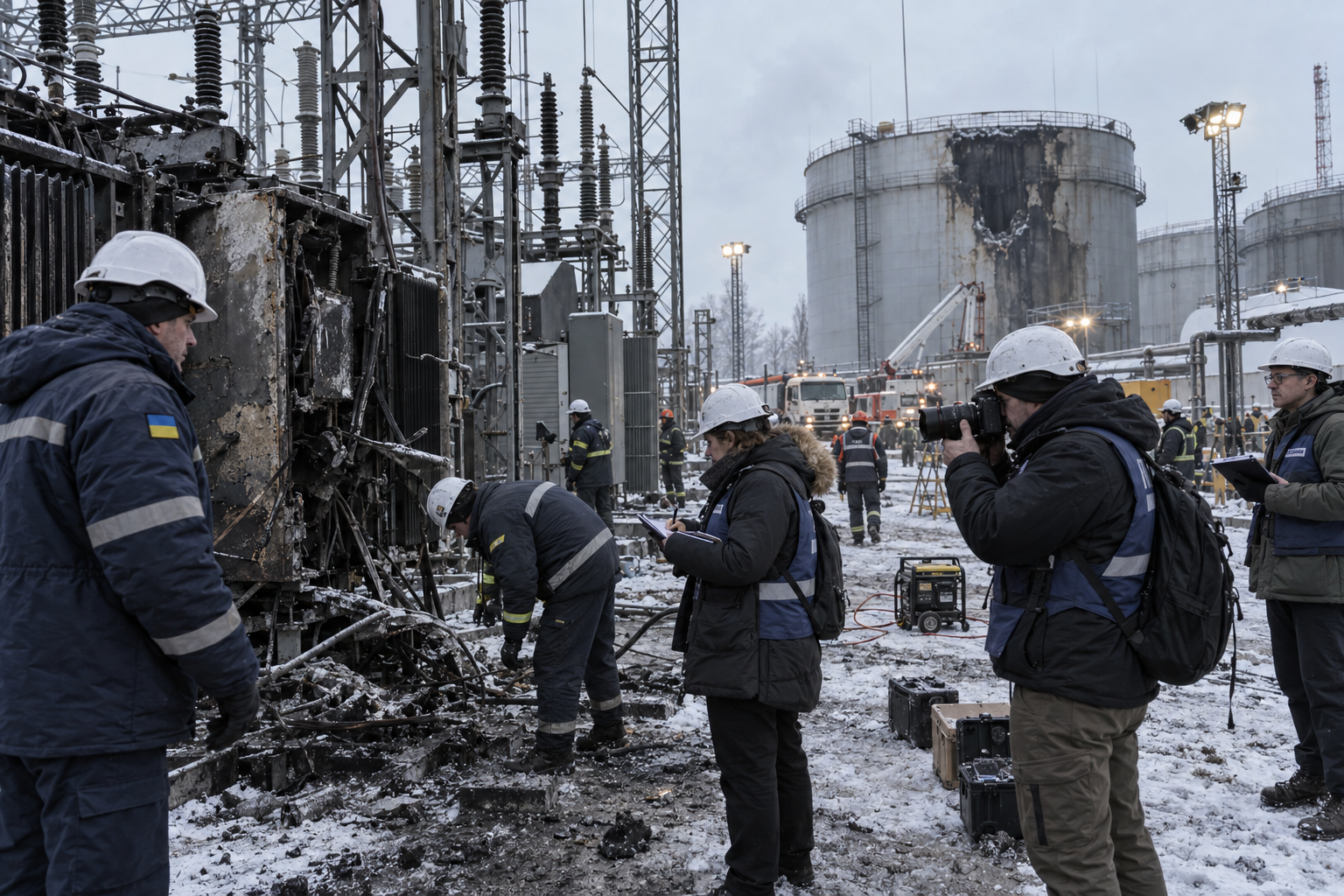
The AP report places Trump’s comments within Ukraine’s ongoing campaign against Russia’s oil and gas infrastructure. Kyiv maintains that these facilities are legitimate strategic targets because the energy sector helps finance and directly support Moscow’s war effort. Trump’s request therefore highlights a tension between his concern about fuel availability and Ukraine’s stated military rationale for attacking the industry.
The article also reports a separate incident in Russia’s Tatarstan region, near an oil and industrial hub, where two people were killed and 14 injured on Sunday. It does not explicitly establish whether that incident was connected to the strikes or identify its cause. The report provides no response from Zelensky or Russian officials, no details about the specific facilities targeted, and no indication that Ukraine agreed to Trump’s request. Overall, the article presents Trump’s statement as a direct public appeal while outlining the competing explanations surrounding attacks on Russia’s energy infrastructure and noting casualties near a major industrial area.
Entities: Donald Trump, Volodymyr Zelensky, Vladimir Putin, United States, Ukraine • Tone: neutral • Sentiment: negative • Intent: inform
14-09-2026
US President Donald Trump claimed that Russia and Ukraine had agreed to stop attacking each other’s energy targets, presenting the announcement as a diplomatic breakthrough. However, Russia did not immediately comment, while Ukrainian President Volodymyr Zelenskyy responded cautiously. Zelenskyy said Ukraine had proposed an agreement to protect critical infrastructure, food supplies, energy facilities and other essentials during the approaching winter, but stressed that Kyiv was not convinced Moscow would honor such a deal.
Zelenskyy said Ukraine would halt its own strikes if international partners could guarantee that Russia would genuinely stop attacking Ukraine’s electricity system, energy infrastructure, critical facilities and food-supply routes. He also insisted that any agreement must be lasting rather than a temporary arrangement designed to ease fuel prices in Russia before elections. Kyiv is awaiting concrete details from its partners.
The reported understanding comes as US-mediated negotiations between Russia and Ukraine remain largely stalled. Both sides have indicated some willingness to continue talks, and Zelenskyy has said he could meet Russian President Vladimir Putin at the G20 summit in Miami if Putin is invited.
Ukraine has increasingly used long-range drones to attack Russian refineries, warehouses and petroleum infrastructure. The strikes have caused localized fuel shortages and price increases in Russia, while global oil prices have risen amid the US war in Iran and continuing uncertainty surrounding the Russia-Ukraine conflict. Trump’s statement also appeared aimed at attributing high US diesel prices primarily to the Ukraine war rather than the conflict in Iran.
Russia, meanwhile, has repeatedly attacked Ukraine’s energy infrastructure during winter in an effort to intensify the country’s humanitarian and economic difficulties. Ukraine’s ability to defend itself has also been weakened by the depletion of US Patriot missile supplies, which have been redirected toward US military operations in the Middle East. Against this backdrop, any energy-strike truce remains uncertain and dependent on credible guarantees and Russian compliance.
Entities: Donald Trump, Volodymyr Zelenskyy, Vladimir Putin, Ukraine, Russia • Tone: analytical • Sentiment: negative • Intent: inform
14-09-2026
President Donald Trump said Monday that Ukraine and Russia had agreed to stop attacking each other’s energy infrastructure, particularly after he criticized Kyiv for striking Russian diesel facilities. Trump said Ukraine had agreed not to hit Russian energy targets and that Russia had agreed to do the same, while arguing that the global diesel-price surge was primarily caused by the Russia-Ukraine war rather than the US conflict with Iran. Kyiv did not immediately respond to his statement.
The announcement came as US diesel prices reached a record national average of $6.23 per gallon, according to AAA. Trump said Ukrainian President Volodymyr Zelenskyy should avoid targeting diesel fuel because the attacks were contributing to worldwide economic harm. Ukraine has defended its strikes by saying Russia’s oil industry finances and directly supports Moscow’s invasion.
The article links the fuel crisis to several supply disruptions. Ukraine’s attacks have damaged Russia’s refining system and contributed to Moscow’s diesel-export restrictions, while the war with Iran has reduced petroleum shipments through the Strait of Hormuz. The International Energy Agency reported that August diesel and gasoil exports from Gulf countries fell to just over one-quarter of prewar levels. Before the conflict with Iran, Gulf and Russian exports represented nearly 45% of global seaborne diesel and gasoil trade.
Meanwhile, fighting continued. Russian forces intensified air attacks on Ukraine’s power grid ahead of winter, while Ukrainian drones struck Russian energy and industrial sites, including facilities in Tatarstan and the Krasnodar region. Local officials reported deaths and injuries in Russia, while Ukrainian authorities said a major Russian attack on Odesa injured at least nine people. Russia claimed to have shot down 389 Ukrainian drones during one night, underscoring the continuing escalation despite Trump’s reported energy-strike understanding.
Entities: Donald Trump, Ukraine-Russia war, Ukraine, Russia, Volodymyr Zelenskyy • Tone: urgent • Sentiment: negative • Intent: inform