09-09-2026
The United States is imposing an import ban and additional tariffs on a range of Canadian products, escalating a months-long trade war between the two neighbouring countries. The restrictions, announced by President Donald Trump in a series of executive orders, are due to begin on 29 September. They target products including alcoholic spirits, dairy goods, non-alcoholic beer, motorbikes, and certain types of wine, rum and vodka. Other goods, such as cheese, paper, furniture, metals, motorboats, golf carts and fishing equipment, will face higher import taxes.
The White House claims Canada is discriminating against US businesses by restricting American goods while allowing similar products from other countries. The measures follow Canada's introduction of dollar-for-dollar tariffs on US goods, including steel, clothing and furniture. Those counter-tariffs came into effect after midnight on Tuesday, in response to US tariffs of 50% on roughly $20bn worth of Canadian goods imposed last month.
The dispute has placed significant pressure on an historically close economic relationship. More than two-thirds of Canada's exports normally go to the US, while Canada is the second-largest trading partner of the US after Mexico. Businesses on both sides of the border fear that the trade war will increase prices and reduce customer demand.
Canadian Prime Minister Mark Carney said moving away from the US as Canada's largest trading partner would come at a cost, but argued that remaining passive would cost more. Both governments say they want a trade agreement, although negotiations collapsed in late August and no new talks have been scheduled.
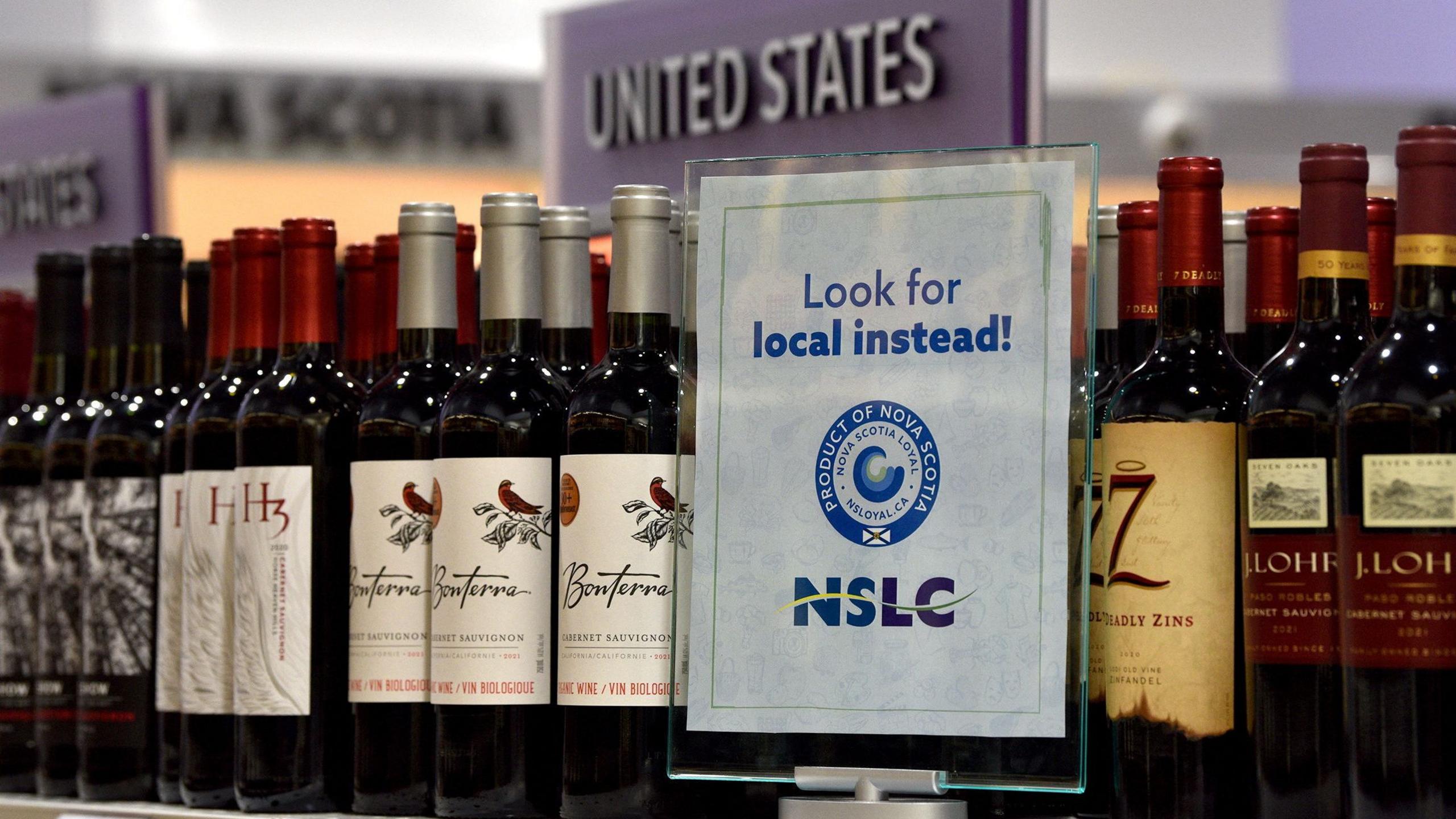
Trade expert Deborah Elms said the ban could have a strong effect on Canadian companies dependent on US buyers, although preliminary estimates suggest the measures will affect about $1bn in goods. She said Canada was likely to maintain its current course while adjusting support for affected businesses. The dispute has also encouraged some Canadians to boycott US products, particularly alcohol. Tensions have extended beyond trade, including Trump's controversial proposal to rename Lake Ontario as Lake America.
Entities: United States, Canada, Donald Trump, Mark Carney, US-Canada trade war • Tone: analytical • Sentiment: negative • Intent: inform
09-09-2026
The United States will ban imports of several Canadian products, including some alcoholic drinks, dairy goods and motorbikes, beginning on 29 September. President Donald Trump announced the measures in a series of executive orders, accusing Canada of discriminating against US businesses. The restrictions follow Canada’s implementation of retaliatory, “dollar-for-dollar” tariffs on American goods after negotiations between the two countries collapsed in late August.
The banned products include whey, cane molasses, non-alcoholic beer, various wine, rum and vodka products, malt beer and motorbikes such as mopeds. The US will also raise import taxes on Canadian cheese, paper, furniture, mattresses, metals, motorboats, golf carts, fishing equipment and electrical switchboards. Washington says Canada unfairly limits access for US goods while allowing similar products from other countries into its market.
Canada’s trade minister, Dominic LeBlanc, called the US measures unjustified and said the government would protect Canadian workers, families and businesses. Prime Minister Mark Carney acknowledged that reducing Canada’s reliance on the US as its largest trading partner would be costly, but defended retaliation as preferable to inaction.
The measures are the latest escalation in a months-long trade war between two highly integrated economies. Canada sends more than two-thirds of its exports to the US, and business groups on both sides of the border fear higher prices and declining customer demand. Although the affected Canadian exports were worth about $1bn in 2025, economists estimate that the newly banned goods represent only around 0.25% of Canada’s exports to the US. They nevertheless argue that the bans are intended primarily to inflict economic pain rather than generate revenue.
Analysts warn that consumers and businesses in both countries will bear the costs. Tensions have also expanded beyond tariffs, with Trump threatening Bombardier’s US market access and ordering the controversial renaming of Lake Ontario as “Lake America.”
Entities: United States, Canada, Donald Trump, Mark Carney, Dominic LeBlanc • Tone: analytical • Sentiment: negative • Intent: inform
09-09-2026
U.S. President Donald Trump has announced new measures targeting Canadian imports, including an outright ban on Canadian alcohol, motorcycles, whey products and molasses beginning Sept. 29. The action follows the implementation of Canadian retaliatory tariffs after trade negotiations between the two countries broke down last month.
Trump signed five proclamations imposing the bans and 50 per cent tariffs on additional Canadian goods. The tariffed products include certain dairy, paper, wood, aluminum, furniture and mattress products. The administration said it chose import bans for some products because several Canadian provinces had stopped selling American alcohol through provincially operated liquor stores. A senior U.S. official said the bans would affect Canadian goods worth “single-digit billions” of dollars.
The measures rely on Section 338 of the U.S. Tariff Act, also known as the Smoot-Hawley Act. The proclamations also remove tariffs from products such as salt, toilet paper, refined lead and fishing rods. Separately, Trump directed the General Services Administration to exclude Canadian-made products from certain U.S. government purchasing contracts. Although the program represents about US$50 billion in annual procurement, only 58 Canadian companies received contracts through it in the 2024-25 fiscal year.
Canadian Trade Minister Dominic LeBlanc called the U.S. response unjustified and said the government was assessing the new measures while remaining open to negotiations. Prime Minister Mark Carney warned that reducing Canada’s dependence on the United States would be costly, but argued that remaining dependent would be more damaging. Canada plans to pursue new trade agreements with other countries. Canadian negotiators abandoned a proposed agreement after Carney concluded that the U.S. offer was uneconomic and would make Canada more reliant on the United States.
Entities: Donald Trump, Mark Carney, Dominic LeBlanc, Kirsten Hillman, Jamieson Greer • Tone: analytical • Sentiment: negative • Intent: inform
09-09-2026
The United States is escalating its trade dispute with Canada by banning imports of Canadian motorbikes, mopeds, whey products, molasses, non-alcoholic beer and numerous alcoholic beverages beginning Sept. 29, 2026. The restrictions largely replace tariffs of 50% on the affected goods. The U.S. also plans to modify and extend tariffs on other Canadian products from Sept. 15, adding all-terrain vehicles and animal hides while removing rock salt and cement.
The measures were announced as Canada implemented retaliatory tariffs on CA$27.6 billion of U.S. imports. Ottawa described its tariffs as a “dollar for dollar” response to the 50% U.S. tariffs imposed in August after trade negotiations collapsed. Canada’s measures cover more than 700 products, including steel, dairy, farm equipment, pulp and paper, electronics, furniture, appliances, clothing and beauty products.
Both governments accuse the other of discriminatory trade practices and claim they are defending domestic workers and businesses. President Donald Trump has criticized Canadian policies affecting U.S. auto, alcohol and dairy exports and has threatened a 50% tariff on Canadian cars, trucks and auto parts starting Jan. 1, 2027. Canadian Prime Minister Mark Carney argues that the U.S. trade deficit with Canada is linked to American energy purchases and emphasizes Canada’s importance as a market for U.S. cars and steel.
Although the tariffs cover a relatively small share of the $715.5 billion bilateral goods trade, economists and trade experts warn that businesses face higher tariff, compliance and uncertainty costs, with small and medium-sized companies particularly vulnerable. Canada is also considering closer trade and security ties with the European Union. Alcohol has become a major flashpoint: Canadian provinces have removed U.S. alcohol from stores and encouraged boycotts, while U.S. spirits exports to Canada fell more than 70% year over year from March through December 2025. Industry leaders are calling for negotiations and a return to zero-for-zero tariffs.
Entities: United States, Canada, Donald Trump, Mark Carney, Jamieson Greer • Tone: analytical • Sentiment: negative • Intent: inform
09-09-2026
The United States has escalated its trade dispute with Canada by announcing import bans on Canadian dairy products, motorcycles, and alcoholic beverages, alongside new 50% tariffs on goods including mattresses, motorboats, and golf carts. The alcohol ban is scheduled to begin on September 29, while the additional tariffs take effect on September 15.
The measures follow Canada’s decision to impose retaliatory tariffs of up to 50% on approximately $20 billion of US goods. Those tariffs were introduced after Washington imposed 50% duties on selected Canadian imports the previous month. The White House said the alcohol restrictions were partly retaliation for Canadian provinces removing US wines and spirits from store shelves during a broader boycott of American products. A senior administration official said the policy was intended to ensure reciprocity, deter further retaliation, and protect US producers.
President Donald Trump also instructed the US General Services Administration to exclude Canadian products from long-term government procurement contracts unless Ottawa restores what he described as “full and fair reciprocity.” He separately threatened to prevent Bombardier from selling aircraft in the US unless the company manufactures them domestically.
The escalation places additional pressure on the United States-Mexico-Canada Agreement (USMCA), under which roughly 80% of Canadian shipments to the US have entered duty-free. Canadian Prime Minister Mark Carney said Ottawa would accelerate efforts to reduce the country’s dependence on the US, arguing that Canada must not be vulnerable to pressure from another country. Trump’s repeated references to Canada as a potential 51st US state and his order to rename Lake Ontario “Lake America” have further angered Canadians.
The dispute is also encouraging Canada to explore closer economic and political ties with the European Union. Carney is scheduled to visit Strasbourg and address the European Parliament, as other governments assess the consequences of Trump’s tariff strategy.
Entities: Donald Trump, Mark Carney, Canada, United States, White House • Tone: analytical • Sentiment: negative • Intent: inform
09-09-2026
The United States and Canada have sharply escalated a trade dispute, with Washington announcing import bans on a wide range of Canadian alcoholic beverages, motorcycles and selected dairy-related products. The measures, published on the White House website, are scheduled to take effect on September 29 and follow Canada’s retaliatory tariffs on approximately $20 billion of US goods. Ottawa imposed those countermeasures after the United States introduced 50% tariffs on some Canadian products worth roughly $20 billion the previous month, following the collapse of several rounds of negotiations.
The US restrictions cover beer, wine, whisky, bourbon, rum, vodka, tequila, mezcal, brandy and other alcohol products. Certain dairy-related items, including whey protein and molasses, were banned, while some cheese products were placed under a 50% tariff. Additional paper, aluminium, wood, furniture and lighting products were also added to the tariff list. A US official said President Donald Trump’s threat to raise tariffs on Canadian automobiles from 25% to 50% on January 1 remained active.
Canadian counter-tariffs range from 15% to 50% and target US steel, furniture, clothing, electronics and other goods. Canadian officials say the measures are intended to pressure Washington, particularly in politically competitive states such as Michigan and Ohio, ahead of the US midterm elections. Prime Minister Mark Carney urged Canadians to diversify away from the United States, while Canadian Trade Minister Dominic LeBlanc continued discussions with US Trade Representative Jamieson Greer.
The dispute threatens to undermine the US-Mexico-Canada Agreement, which has supported North American trade for decades. Analysts warn that continued escalation could harm investment and economic growth, especially because Canada sends nearly 68% of its exports to the United States. Although Carney’s approval rating has risen in Canada, the political effects could change as the economic consequences deepen. Public support for Trump’s Canadian tariffs remains low among Americans.
Entities: United States, Canada, Donald Trump, Mark Carney, Jamieson Greer • Tone: analytical • Sentiment: negative • Intent: inform
09-09-2026
The United States is escalating its trade dispute with Canada by banning several categories of Canadian goods and imposing a 50 percent surcharge on a broader range of imports. According to the White House, the prohibited products will include Canadian dairy goods, most alcoholic drinks and motorcycles. The ban is scheduled to take effect in three weeks.
The measures follow Canada’s decision to impose retaliatory tariffs on US$20 billion worth of American imports. A presidential executive order also establishes a 50 percent surcharge on Canadian products including mattresses, motorboats and golf carts, beginning September 15. The new trade restrictions mark a further deterioration in relations between the two countries, which are long-time allies and major trading partners.
US President Donald Trump has taken additional action against Canadian products by directing the US General Services Administration to exclude them from large, long-term federal government contracts. Canadian goods will remain ineligible until Canada provides what the order describes as “full and fair reciprocity” for American products.
The measures came as Canadian Prime Minister Mark Carney said Ottawa would accelerate efforts to reduce the country’s economic dependence on the United States. Carney framed the strategy as an effort to strengthen Canada’s independence and prevent any single country from exerting excessive leverage over it. The article presents the developments as a rapidly intensifying cycle of tariffs and countermeasures between neighboring countries whose economies are closely connected.
Entities: Donald Trump, Mark Carney, United States, Canada, White House • Tone: analytical • Sentiment: negative • Intent: inform
09-09-2026
US President Donald Trump escalated the trade conflict with Canada by imposing new import bans and raising tariffs on a broad range of Canadian goods. Under an executive order issued late Tuesday, Canadian mattresses, motorboats, golf carts and other products will face a 50 per cent surcharge beginning September 15. Separate executive orders will ban imports of various alcoholic beverages and certain dairy products, including whey, starting September 29.
The measures deepen a dispute that has already prompted retaliation from Ottawa. Canada’s counter-tariffs took effect earlier Tuesday and cover C$27.6 billion (US$20 billion) in US imports. The targeted goods include steel and aluminium products, as well as dairy items such as cheese. Ottawa imposed the duties in response to tariffs announced by Washington on August 22.
Canadian Prime Minister Mark Carney defended the country’s response, acknowledging that reducing Canada’s economic dependence on the United States would be costly. However, he argued that the long-term benefits would outweigh the immediate economic pain. In a video address, Carney said Canada had “everything we need to pivot and prosper.”
The latest US actions indicate that neither side is preparing to quickly de-escalate the dispute. Washington is targeting consumer goods, alcohol and dairy, while Ottawa is using retaliatory tariffs against major US industrial and agricultural exports. The escalating measures threaten to disrupt the deeply integrated US-Canada trading relationship and increase costs for businesses and consumers in both countries. The article presents the conflict as ongoing, with the economic consequences likely to expand as each government responds to the other’s trade restrictions.
Entities: Donald Trump, Mark Carney, United States, Canada, White House • Tone: urgent • Sentiment: negative • Intent: inform
09-09-2026
The United States has announced import bans on a wide range of Canadian alcoholic beverages, motorcycles and dairy-related products, with the measures taking effect on Sept 29. The action escalates a trade dispute that worsened after negotiations between the two longtime allies collapsed. It follows US tariffs of 50 per cent on about US$20 billion of Canadian goods imposed in August and Canada’s retaliatory tariffs, which began after midnight on Sept 9 and cover roughly US$20 billion of US exports.
The US restrictions appear to cover beer, wine, whisky, bourbon, rum, vodka, tequila, brandy and other alcoholic products. They also include motorcycles and products such as whey protein, molasses and non-alcoholic beer. Various cheese products will face a 50 per cent tariff rather than an outright ban, while paper, aluminium, wood, furniture and lighting products were added to the tariff list. Washington also maintained a threat to raise tariffs on Canadian automobiles from 25 per cent to 50 per cent from Jan 1.
Canada designed its countermeasures to put economic and political pressure on the United States, particularly in competitive states such as Michigan and Ohio before the November midterm elections. Canadian Prime Minister Mark Carney urged the country to diversify away from its largest trading partner, although officials said discussions with Washington remain possible.
Analysts warned that continued escalation could destabilise the US-Mexico-Canada Agreement, which has supported North American trade for decades. Businesses such as Sapporo-owned Sleeman Breweries are considering production changes because of tariff risks. Canada sends nearly 68 per cent of its exports to the US, with about 80 per cent previously moving duty-free under USMCA protections.
The dispute has increased uncertainty over Canadian investment and growth. Carney’s approval rating rose to 62 per cent, while only 20 per cent of Americans supported Trump’s tariffs in a Reuters/Ipsos poll. The article also notes President Donald Trump’s continuing public attacks on Canada, including threats involving Bombardier and Canadian-made vehicles.
Entities: United States, Canada, Donald Trump, Mark Carney, Jamieson Greer • Tone: analytical • Sentiment: negative • Intent: inform
09-09-2026
The article reports that President Donald Trump has announced new restrictions on certain Canadian products, marking another escalation in trade tensions between the United States and Canada. The measures were issued through several proclamations signed on Tuesday and affect multiple categories of Canadian goods, including alcohol, dairy products, and motorcycles. According to the article, the proclamations both alter the scope of tariffs that were already in place and establish new bans on selected Canadian products.
The article frames the announcements as part of an increasingly confrontational trade relationship between the two countries. Its description of the actions as the “latest broadside” in an “escalating trade war” emphasizes that the measures are not isolated decisions but part of a broader pattern of economic retaliation and policy changes. The focus is on identifying which Canadian products have been targeted and distinguishing between products affected by higher tariffs and those subject to outright bans.
However, the supplied content is only a short excerpt and does not include the detailed product list, tariff rates, effective dates, exemptions or the Canadian government’s response. It confirms that alcohol, dairy and motorcycles are among the affected categories, but it does not specify which individual products within those categories are covered. It also does not explain the legal or economic rationale for each proclamation. Based on the available text, the central news is that the Trump administration has expanded or modified trade restrictions on Canadian goods while introducing new prohibitions, deepening tensions in U.S.-Canada economic relations.
Entities: Donald Trump, Canada, United States, The Washington Post, Canadian products • Tone: analytical • Sentiment: negative • Intent: inform