07-10-2026
US President Donald Trump says he has arranged a call with Russian President Vladimir Putin about the death of a worker at a plague research centre in Siberia. The Kremlin, however, says no call has been scheduled. Russian authorities are investigating the death of 28-year-old Darya Shipilova, whose illness was initially described as pneumonia of undetermined cause. They have not confirmed that she had pneumonic plague and say there is no risk of an epidemic.
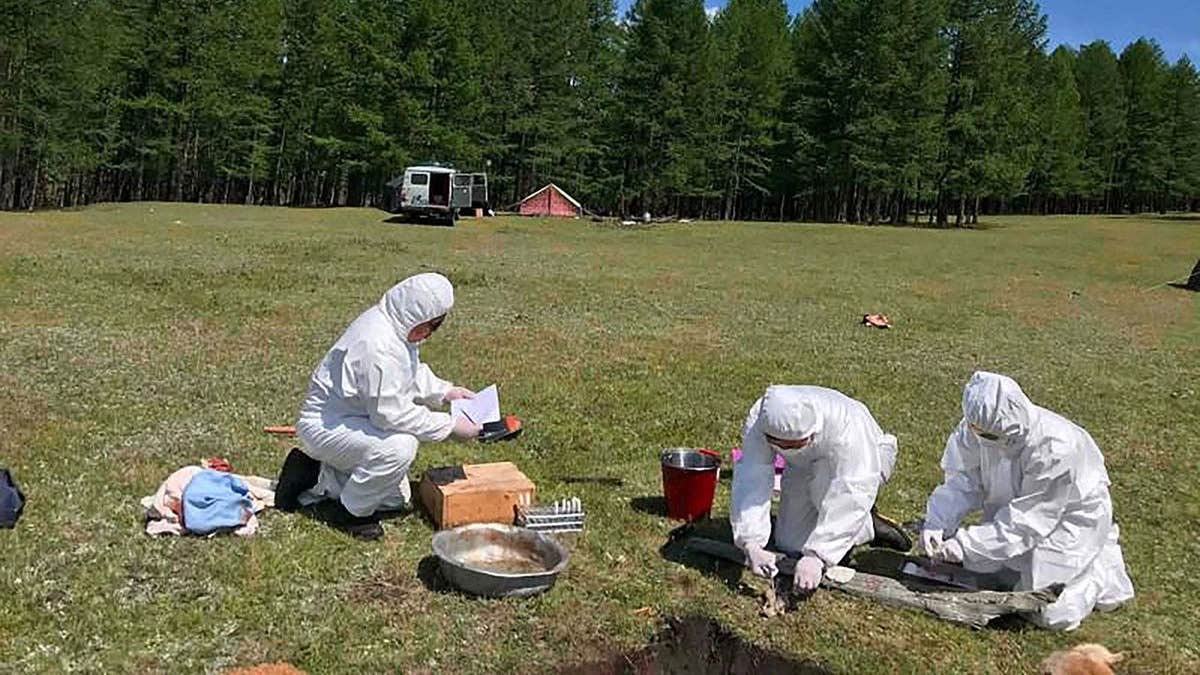
Reports said nearly 200 people had been placed under observation. Russia’s health watchdog, Rospotrebnadzor, said more than 90% of the victim’s contacts had completed medical observation without signs of infectious disease. Unconfirmed accounts suggested Shipilova may have been exposed after breaking a test tube at the Anti-Plague Institute of Siberia and the Far East, or during a field trip to an area where plague occurs naturally among rodents. Russian media posts and a local travel warning referring to a possible plague case were reportedly deleted, adding to questions about the official account.
The World Health Organization has asked Russia for timely, complete and transparent information, including laboratory test results and verification of reports that a second employee had pneumonia of undetermined cause. WHO Director-General Tedros Adhanom Ghebreyesus said the organization did not yet have the full picture. The United States has also requested information diplomatically; Secretary of State Marco Rubio said the US had measures available to help if the situation proved more serious than Russia claimed.
Mongolia has introduced health surveillance at its border with Russia, while Lithuania says it is prepared to test, isolate and treat possible cases. Both countries characterized the current risk as low or said there was no evidence of increased risk. The article explains that pneumonic plague is a potentially fatal lung infection transmitted through infected flea bites, contaminated materials or respiratory particles. It is caused by Yersinia pestis, a bacterium found among rodents in the region, and requires prompt diagnosis and treatment.
Entities: Donald Trump, Vladimir Putin, Darya Shipilova, Tedros Adhanom Ghebreyesus, Dmitry Peskov • Tone: analytical • Sentiment: neutral • Intent: inform
07-10-2026
U.S. President Donald Trump said Tuesday that he has a call scheduled with Russian President Vladimir Putin to discuss a possible plague case at a Siberian research institute. Speaking to reporters at the White House, Trump said the conversation would take place “very soon” and that the United States was in “very deep discussions” about the case. He said he expected the U.S. government would be able to report more, probably the following day.
Russian health authorities are investigating the death of an employee at the Irkutsk Anti-Plague Research Institute of Siberia and the Far East. Authorities have attributed the death to pneumonia of unknown cause. The World Health Organization said the incident presents a “very low” risk outside Russia and reported that it was in contact with Russian authorities. The article also notes that about 200 people in Siberia had been placed under medical observation after the laboratory worker’s death, which was reportedly connected to an accident at a plague research facility. On Monday, Trump said the United States would be willing to help Russia.
The planned call comes amid a separate U.S. policy decision concerning Russia. The Trump administration faces an Oct. 18 deadline to determine which Russian entities, if any, to sanction under the Lindsey O. Graham Sanctioning Russia and Iran Act, signed by Trump on Sept. 18. Ukraine has provided the administration and Congress with a list of Russian companies, vessels and individuals it wants sanctioned under the law. The article reports these developments without establishing that the suspected illness is plague; the WHO assessment quoted in the story characterizes the risk beyond Russia as very low.
Entities: Donald Trump, Vladimir Putin, United States, Russia, Siberia • Tone: analytical • Sentiment: neutral • Intent: inform
07-10-2026
Reports from Russian media have raised concern that Darya Shipilova, a 28-year-old researcher at the Irkutsk Anti-Plague Institute in Siberia, may have died after a laboratory accident involving Yersinia pestis, the bacteria that causes plague. Initial accounts said she broke a test tube containing the bacteria in late September, developed severe pneumonia and died. However, Russia’s health watchdog, Rospotrebnadzor, denied that an accident occurred and described her cause of death as “pneumonia of unknown origin.” The World Health Organization said Russia informed it on October 6 that no plague had been detected, while the agency has requested details about the pathogen involved. U.S. officials, including Secretary of State Marco Rubio, have urged Russia to share more information. The WHO says the risk to the general public appears low based on what is currently known. Medical experts quoted by CBS also said the American public need not be worried, while questioning whether the reported response and circumstances fit a plague infection. The article explains that plague is caused by Yersinia pestis and occurs in three forms: bubonic, septicemic and pneumonic. It describes their symptoms, noting that pneumonic plague affects the lungs, is the most serious form and is fatal if untreated. Plague most often spreads through fleas carried by infected rodents; pneumonic plague can also spread between people through droplets from coughing. Russian officials said nearly 200 contacts of Shipilova were tested and none had plague. The article emphasizes that antibiotics can successfully treat plague when given promptly, and that researchers who work with the disease may be vaccinated. It places the current concern in context: plague killed millions in the Middle Ages, but about seven cases are reported annually in the United States today, most of them bubonic and occurring in the West and Southwest. U.S. cases are usually treated successfully; the last fatal U.S. case was recorded in 2021.
Entities: Darya Shipilova, Dr. Céline Gounder, Dr. Amesh Adalja, Marco Rubio, Irkutsk Anti-Plague Institute • Tone: analytical • Sentiment: neutral • Intent: inform
07-10-2026
President Donald Trump said Wednesday that the United States does not believe the death of a Russian laboratory worker from a suspected case of plague was caused by a bioweapon. Speaking at an Oval Office event, Trump said the situation appeared to be under control according to Russia, while adding that the U.S. would learn more soon. He noted that Russia, like China early in the Covid-19 outbreak, was not sharing much information, though he said Russian officials claimed the situation was controlled.
Trump also said he had a call scheduled with Russian President Vladimir Putin later that day, which was Putin’s 74th birthday. Trump had previously said the call would focus on the plague-related incident.
Russian media had reported that nearly 200 people in the Irkutsk region of eastern Siberia were placed under medical observation over suspected exposure to plague. The reports followed the illness and death of a female worker at an anti-plague research institute in Irkutsk. The article does not establish the cause of her death or independently confirm the scale of the reported exposure.
Trump made his remarks while promoting Trump Accounts, newly introduced tax-deferred savings and investment accounts that, according to the article, had automatically enrolled more than 60 million American children under 18. The report focuses on Trump’s assessment of the Russian incident and his planned conversation with Putin, while noting the limited information publicly available from Russia.
Entities: Donald Trump, Vladimir Putin, United States, Russia, Irkutsk region • Tone: analytical • Sentiment: neutral • Intent: inform
07-10-2026
President Donald Trump said he expects to speak with Russian President Vladimir Putin “very soon” about the death of a laboratory worker in Siberia linked to a suspected case of pneumonic plague. Trump made the comment Tuesday during a White House press interaction. Asked what U.S. intelligence agencies had learned, he said discussions were ongoing and that the administration might be able to provide an update the following day. Trump had offered U.S. assistance to Russia on Monday, amid wider concern about the incident and continuing tensions over Russia’s war in Ukraine.
The U.S. Centers for Disease Control and Prevention said it was closely monitoring reports of a suspected pneumonic plague case in Russia’s Irkutsk region that resulted in a death. The CDC emphasized that the circumstances remain unconfirmed. It noted that pneumonic plague can spread between people through respiratory droplets during close contact, but said there was no indication at that time of a broader threat to the United States. The agency and its interagency partners said they were prepared and would continue monitoring the situation.
The World Health Organization assessed the risk to the general public as low based on the information available. WHO Director-General Tedros Adhanom Ghebreyesus said the organization had asked Russian health authorities for more information to clarify the cause of the severe pneumonia and identify the pathogen involved. He stressed that timely, complete, and transparent information-sharing is necessary to assess potential public health risks. The article therefore reports a developing diplomatic and public-health response while underscoring that the suspected case and its cause had not been confirmed.
Entities: Donald Trump, Vladimir Putin, Tedros Adhanom Ghebreyesus, Siberia, Irkutsk region • Tone: analytical • Sentiment: neutral • Intent: inform
07-10-2026
The World Health Organization says it cannot yet fully assess the circumstances or risks surrounding the suspected plague death of a laboratory employee in Russia, because it lacks a complete picture of the event. WHO chief Tedros Adhanom Ghebreyesus urged Russian authorities to clarify reports that a second employee at the Irkutsk research institute had pneumonia of undetermined cause.
The 28-year-old technician, who worked at a plague research institute in Siberia’s Irkutsk region, died after contracting the disease, possibly from a broken test tube. Russia’s Kremlin spokesperson Dmitry Peskov dismissed reports about the situation as “false information” and said people should rely on official Russian statements. Russian health authorities maintain that residents are safe, reporting no emergency from their investigation, that more than 90% of contacts had completed medical observation, and that nearly 5,000 laboratory tests had found no dangerous pathogens.
The United States, the European Union, and the WHO have called for greater transparency. The United States formally requested additional information, according to AFP. US President Donald Trump said the death did not appear to be connected to a biological weapon and said Russia had claimed the incident was under control. Trump also announced a planned call with Russian President Vladimir Putin, though Peskov said he had no information about it.
Mongolia said it had introduced health surveillance and monitoring measures along its border with Russia. The article explains that pneumonic plague is a highly contagious bacterial lung infection that can spread between people through the air, including by coughing. The central issue is the gap between international calls for information and Russia’s assurances that there is no danger to the public.
Entities: World Health Organization (WHO), Tedros Adhanom Ghebreyesus, Dmitry Peskov, Donald Trump, Vladimir Putin • Tone: analytical • Sentiment: negative • Intent: inform
07-10-2026
The article reports uncertainty surrounding the death of a 28-year-old Russian laboratory worker in Siberia and explains the risks and treatment of pneumonic plague. The European Centre for Disease Prevention and Control (ECDC) says it is monitoring the situation, but, based on the limited information available, there are no reported secondary cases and no evidence of sustained human-to-human transmission. Russian authorities deny that the worker died from plague, saying she died of pneumonia of unknown origin and that samples showed no microorganisms connected to her work. This account conflicts with earlier local media reports that she dropped a test tube at a plague research institute. Authorities reportedly quarantined two hospitals and a children’s clinic, while local reports said institute staff were quarantined at their workplace. Axios reported that about 200 contacts were under observation; no further infections had been reported. The article notes persistent distrust of Russian information handling but does not establish that a plague infection occurred.
The article then explains that plague is caused by the bacterium Yersinia pestis and has bubonic, septicemic, and pneumonic forms. Pneumonic plague infects the lungs, can spread through respiratory particles, and may develop from untreated infection in another form. It can progress quickly: symptoms include fever, headache, weakness, breathing difficulty, chest pain, and sometimes a bloody cough. The World Health Organization describes it as the most virulent form, with an incubation period as short as 24 hours. Without treatment, pneumonic plague can be fatal within 18 to 24 hours of symptoms; antibiotics are effective when given promptly, and clinicians are advised not to wait for laboratory confirmation. Patients are isolated, and close contacts are advised to take preventive antibiotics. The WHO does not recommend public vaccination, reserving it for high-risk groups such as laboratory and health workers.
Entities: European Centre for Disease Prevention and Control (ECDC), Yersinia pestis, pneumonic plague, bubonic plague, septicemic plague • Tone: analytical • Sentiment: neutral • Intent: inform
07-10-2026
Former CIA officer Glenn Corn says Russia’s history of concealing information makes its account of the death of Darya Shipilova difficult to accept without independent verification. Shipilova, a 28-year-old researcher at the Irkutsk Anti-Plague Research Institute of Siberia and the Far East, died on Oct. 2 after developing pneumonia of unknown cause. Unconfirmed social-media reports claimed she died of pneumonic plague. Russian authorities have rejected that claim, saying tests found no evidence that she contracted a pathogen from the institute’s lab. The death nevertheless prompted quarantines and heightened health precautions in the region.
Corn, now a professor at the Institute of World Politics, cited past examples of Russian and Soviet deception. In 1979, an anthrax outbreak in Sverdlovsk killed at least 64 people. Soviet officials attributed the deaths to tainted meat for years; in 1992, President Boris Yeltsin acknowledged that the illnesses resulted from activity at a nearby biological-weapons facility. Corn also pointed to Russia’s former denials of ties to the Wagner mercenary group, which Putin later said had been financed by the Russian state.
Corn characterized concealment as part of a broader governing culture, in which officials may fear consequences for disclosing bad news. He compared this incentive to suppress information with criticism of China’s handling of information early in the COVID-19 pandemic. He urged U.S. officials not to rely solely on Moscow’s statements about Shipilova’s death, but to verify them independently and watch for evidence of wider transmission. The article reports that, so far, there is no sign the illness has spread. Russia’s health watchdog said 60% of about 200 people quarantined after possible contact with Shipilova had been released. The provided article text ends mid-sentence after this update.
Entities: Glenn Corn, Darya Shipilova, Irkutsk Anti-Plague Research Institute of Siberia and the Far East, Russia, Soviet Union • Tone: analytical • Sentiment: negative • Intent: analyze
07-10-2026
US President Donald Trump said he plans to speak “very soon” with Russian President Vladimir Putin about reports that a laboratory technician in Siberia died after a possible exposure to plague. The reports have prompted calls from Washington and the World Health Organization (WHO) for Russia to provide clear, transparent information, while Russian officials have disputed claims of a plague incident or special anti-plague measures.
US Secretary of State Marco Rubio urged Moscow to share more details so countries can assess and respond appropriately. The Wall Street Journal reported that the US State Department sent Russia a confidential diplomatic warning, known as a demarche, saying a failure to disclose information could conflict with international health obligations.
Russian media identified the deceased worker as 28-year-old Darya Shipilova and reported that she may have contracted pneumonic plague from a broken test tube. Some reports also claimed that as many as 200 possible contacts were quarantined. Russian authorities said the cause of death remained undetermined, that postmortem tests found no plague, and that no dangerous microorganisms were detected in her samples. Regional Governor Igor Kobzev said an inspection concluded she died of pneumonia and that no other institute staff had sought medical care.
The WHO said Russia had reported no plague cases in Irkutsk and had opened an epidemiological investigation into community-acquired pneumonia. The reported update said contacts had been identified and monitored, with testing showing no dangerous pathogens. The WHO described the public-health risk to Irkutsk as “moderate to low” based on information available, while stressing that timely, complete and transparent reporting is needed to resolve conflicting accounts. The article also explains that pneumonic plague can spread through respiratory transmission and can be fatal without early treatment. Russia, in turn, offered to help the United States with infectious-disease outbreaks and cited measles and a recent plague death in New Mexico. An international conference on plague and other infectious diseases is scheduled in Irkutsk, though organizers said it was unrelated to the worker’s death.
Entities: Donald Trump, Vladimir Putin, Darya Shipilova, Marco Rubio, Tedros Adhanom Ghebreyesus • Tone: analytical • Sentiment: neutral • Intent: inform
07-10-2026
France 24 reports that a senior World Health Organization official is seeking further information from Russia about the death of a laboratory worker in Siberia. The death has prompted international concern over a suspected case of pneumonic plague, but the article does not establish that the worker had the disease or explain how the person died. The WHO official said the agency does not know the cause of death and urged Russian authorities to provide more details. The report is presented by France 24 correspondent Monte Francis. It offers no additional account of the worker, the circumstances of the death, the laboratory’s activities, or the evidence behind the suspicion of plague. It also does not provide a response from Russian officials in this article. Consequently, the central point is the WHO’s request for information amid uncertainty, rather than confirmation of an outbreak or a finding about the origin of the suspected infection. The headline and report characterize the case as suspected, and the available text gives no basis for treating it as confirmed. The article’s brief framing highlights the potential public-health significance of pneumonic plague and the international attention the case has drawn, while leaving key questions unresolved. The supplied page includes related-story links and website notices, but those are not part of the article itself.
Entities: World Health Organization (WHO), Russia, Siberia, Monte Francis, Irkutsk Anti-Plague Research Institute of Siberia and Far East • Tone: neutral • Sentiment: neutral • Intent: inform
07-10-2026
NPR explains pneumonic plague amid questions surrounding the death of a 28-year-old woman who worked at a Siberian laboratory that studies plague. The researcher died from pneumonia of unknown origin. Russia’s consumer health watchdog said its investigation found no pathogens in her body connected to her work, while local media raised concerns about pneumonic plague—reports NPR says it has not independently confirmed. Russia has denied plague cases in the area, though about 200 contacts were reportedly quarantined. World Health Organization Director-General Tedros Adhanom Ghebreyesus said the available information was incomplete and did not allow a full risk assessment.
The article distinguishes forms of plague by where the bacteria affect the body. Bubonic plague, usually associated with a flea bite, causes swollen, painful lymph nodes called buboes; it can be diagnosed using blood or lymph-node samples. If the bacteria spread to the lungs, pneumonic plague can result. It may lack an obvious telltale sign, spreads between people through respiratory droplets, and can progress rapidly. Emory University medical entomologist Adelaide Miarinjara emphasizes that early diagnosis is crucial. Treatment involves antibiotics, often given intravenously.
The article describes Madagascar’s 2017 pneumonic plague outbreak, which began after an infected person traveled from a rural area to the coastal city of Toamasina. More than 2,400 suspected cases were recorded, nearly 1,900 of them pneumonic; one study estimated that about a quarter of confirmed cases were fatal.
Finally, NPR places quarantine in historical context. Isolation practices are described in the Book of Leviticus, while the term “quarantine” traces to Dubrovnik during the Black Death. Visitors were made to wait 40 days on an island before entering the city. The article notes that the first purpose-built quarantine buildings, the Lazarettos of Dubrovnik, were created there, and that breaking quarantine could bring severe punishment.
Entities: Michaeleen Doucleff, Marc Silver, Charles Maynes, Tedros Adhanom Ghebreyesus, Adelaide Miarinjara • Tone: analytical • Sentiment: neutral • Intent: inform
07-10-2026
Russian officials are facing accusations of withholding information about a possible pneumonic plague outbreak in Siberia after local travel warnings and related posts reportedly vanished from websites and social media. The concern centers on Daria Shipilova, a 28-year-old laboratory technician at the Irkutsk Anti-Plague Research Institute, who reportedly became ill after dropping a test tube containing the pathogen and died over the weekend. Early reports suggested she may have contracted the disease after visiting Buryatia, near Mongolia, but regional official Alexei Tsydenov said she had not traveled there. He first stated that she had died of plague, then amended his statement to say she had “possibly died of plague.”
On Oct. 3, Baikalsk officials advised residents to avoid nearby Shelekhov, where the reported death occurred. According to the independent outlet People of Baikal, that warning was removed about two hours later, while pro-government channel REN TV deleted five posts about plague-related lockdowns. Regional authorities subsequently described reports of quarantine measures as fake and said no such decisions had been made.
Russia’s health watchdog, Rospotrebnadzor, said none of the 187 people who had contact with Shipilova in the preceding 10 days had tested positive for plague. The World Health Organization said Russia had reported no plague cases in Irkutsk, though its statement did not clarify whether officials considered Shipilova’s death unrelated to plague. Tests among contacts found Covid-19 and rhinovirus in two people each, and no other infectious pathogens. Irkutsk Governor Igor Kobzev also said no microorganisms connected to Shipilova’s work had been detected in her body.
The article says Central Asian neighbors have increased quarantine measures. President Trump offered US assistance and the White House said it was monitoring the situation, while Secretary of State Marco Rubio warned that an outbreak could spread quickly despite limited travel between the United States and Russia. The institute, founded in 1934, studies plague and other dangerous diseases, including anthrax and cholera.
Entities: Daria Shipilova, Alexei Tsydenov, Igor Kobzev, Marco Rubio, Donald Trump • Tone: analytical • Sentiment: neutral • Intent: inform
07-10-2026
Russia says it notified the World Health Organization about the death of a laboratory worker at a Siberian plague research institute in accordance with established procedures. Kremlin spokesman Dmitry Peskov made the statement on Wednesday, while accusing media outlets of spreading false information about the incident. He was responding to an ABC News report that the United States had filed a formal diplomatic complaint about Russia’s handling of the death and had called on Moscow to be more transparent.
The worker became ill and died in circumstances that have not been disclosed. The incident prompted authorities to quarantine dozens of people and send the head of Russia’s health watchdog to the Irkutsk region. Peskov said the public should rely on information from Rospotrebnadzor, the state health watchdog, rather than what he described as inaccurate reporting. On Tuesday, Rospotrebnadzor said no plague cases had been detected among people who had contact with the deceased. Local residents told reporters that their daily lives had been barely disrupted.
The article identifies the worker as Daria Shipilova, a 28-year-old laboratory assistant at the Irkutsk Anti-Plague Research Institute of Siberia and the Far East. It also reports that no call had yet been scheduled between Russian President Vladimir Putin and U.S. President Donald Trump. Trump had said on Tuesday that he expected to speak with Putin “very soon” about the case. The report presents the competing accounts and official statements but does not resolve the circumstances of the worker’s death or the U.S. complaint.
Entities: Dmitry Peskov, Daria Shipilova, Vladimir Putin, Donald Trump, World Health Organization (WHO) • Tone: analytical • Sentiment: neutral • Intent: inform
07-10-2026
President Trump said he did not believe a Russian plague researcher’s death was caused by a biological weapon, while adding that the United States would learn more soon. Speaking after a briefing by US officials, Trump said Russia had shared little information but claimed the situation was under control. He said he expected Moscow to provide more details and had arranged a call with Russian President Vladimir Putin, though he gave no time for it. Trump also compared Russia’s limited disclosures to China’s early communication during the emergence of COVID-19, which US agencies have linked to a possible laboratory leak.
Daria Shipilova, 28, died Friday at a hospital outside Irkutsk. She worked at the nearby Anti-Plague Research Institute, and early reports said she may have broken a test tube before becoming ill. Accounts from officials were inconsistent about whether she died from pneumonic plague, a disease that is usually fatal without early antibiotic treatment. The case drew heightened attention because Soviet scientists reportedly modified the plague bacterium, Yersinia pestis, in the 1980s to make it antibiotic-resistant for potential use as a biological weapon.
Several US experts and former officials voiced concern about the lack of transparency and the response in the region. Former CDC official Nirav Shah said Russia likely knew the cause and had genomic information, but cautioned that claims of a bioweapon-related incident remained hypotheses. Harvard professor Joseph Allen described the public-health response as disproportionate, while MIT professor Kevin Esvelt said a physical lockdown could suggest the illness was not controllable with preventive antibiotics—or might not be plague. Former US official Marshall Billingslea cited claims from Soviet bioweapons defector Ken Alibek that Irkutsk had been involved in research on antibiotic-resistant plague and pathogen combinations. Billingslea called the outbreak deeply concerning, while the article emphasizes that a weapon-related explanation has not been established.
Entities: Donald Trump, Daria Shipilova, Vladimir Putin, Irkutsk, Anti-Plague Research Institute • Tone: analytical • Sentiment: neutral • Intent: inform
07-10-2026
Russia’s health regulator, Rospotrebnadzor, said there was no risk of an epidemic in Siberia after a 28-year-old worker at a plague institute died. The worker, identified as Darya Shipilova, died on Friday from pneumonia whose origin had not yet been established. The circumstances prompted international concern, including from US President Donald Trump, and led authorities to initially place about 200 people in quarantine. The World Health Organization has asked Moscow for more information about the cause of the worker’s death. Rospotrebnadzor said it had shared its latest information with the WHO and was winding down the precautionary measures introduced after the death. According to the regulator, no plague cases had been identified among people who had contact with Shipilova. Nearly 5,000 laboratory tests had found no dangerous pathogens, and 90 per cent of those initially quarantined had been released. The article reports the official assessment and response while noting that the precise origin of the pneumonia remained undetermined.
Entities: Darya Shipilova, Rospotrebnadzor, World Health Organization (WHO), Russia, Siberia • Tone: neutral • Sentiment: neutral • Intent: inform
07-10-2026
US President Donald Trump said he would speak “very soon” with Russian President Vladimir Putin about reports that a laboratory technician in Irkutsk, Siberia, died after possibly contracting pneumonic plague. The reports have prompted calls from Washington and the World Health Organisation (WHO) for Russia to provide transparent information. US Secretary of State Marco Rubio said openness would help countries assess the situation and respond appropriately. The Wall Street Journal also reported that the US State Department sent Moscow a confidential diplomatic warning, or demarche, about its international health-information obligations.
Russian authorities dispute reports of a plague outbreak or special anti-plague measures. Local outlet People of Baikal identified the deceased as 28-year-old Darya Shipilova and reported that she may have been exposed through a broken test tube; it also said as many as 200 contacts were quarantined. Russian officials say the cause of death remains undetermined. Irkutsk Governor Igor Kobzev said an inspection found pneumonia, but no organisms associated with Shipilova’s work, and no other institute employees had sought medical care. Russia told the WHO that it had investigated a case of community-acquired pneumonia, identified contacts and arranged monitoring and tests; tests reportedly found no dangerous pathogens among them.
The WHO said the available information indicated a “moderate to low” risk for Irkutsk and that it was monitoring the situation. The article explains that pneumonic plague is the most contagious form of plague, spreads through respiratory transmission and can be fatal without prompt treatment; bubonic plague spreads through infected fleas.
The account also notes an exchange of pointed public statements: Trump had offered assistance to Russia, while Russia’s health watchdog responded that Moscow could help the United States with infectious-disease outbreaks, citing measles cases in three states and a fatal plague case in New Mexico. An international conference on plague and other infectious diseases is scheduled in Irkutsk, though organizers said it is unrelated to the technician’s death.
Entities: Donald Trump, Vladimir Putin, Marco Rubio, Tedros Adhanom Ghebreyesus, Darya Shipilova • Tone: analytical • Sentiment: neutral • Intent: inform
07-10-2026
Reports of a possible pneumonic plague case in Siberia have prompted international concern, although the World Health Organization says the risk outside Russia is currently “very low.” The concern arose after a woman employed at the Irkutsk Anti-Plague Research Institute of Siberia and the Far East died. Russian authorities described her illness as pneumonia of unknown cause; claims in Russian media and on social media suggested plague, but no public confirmation establishes that she died from it. Russia told the WHO that no plague case had been recorded in Irkutsk and that tests of the woman’s contacts found no dangerous infectious pathogens. Contact tracing, testing and medical monitoring were carried out, and officials said the epidemiological situation was stable.
The article explains that pneumonic plague affects the lungs and, unlike the more common bubonic form, can spread between people through respiratory particles. It can be fatal if untreated, but prompt treatment with antibiotics can lead to recovery and help prevent wider spread. WHO spokesman Christian Lindmeier said there was no indication that the situation resembled the Covid-19 pandemic, despite renewed attention to the possibility of disease emerging from a laboratory.
Russian officials have urged the public to rely on the public health watchdog Rospotrebnadzor rather than speculation. Media accounts have floated possible explanations, including a laboratory accident or travel, but the article says there is no public evidence supporting these theories and that the watchdog rejected the laboratory-accident account.
US President Donald Trump said he planned to speak with Russian President Vladimir Putin about the case and that the United States was engaged in discussions. Secretary of State Marco Rubio called on Moscow to share more information, while acknowledging that the situation might not be serious. The Kremlin welcomed offers of assistance but directed inquiries to Rospotrebnadzor. The article also notes that plague still occurs naturally in parts of the world, including Siberia, and that the Irkutsk institute has studied plague and other dangerous diseases since its establishment in 1934.
Entities: Donald Trump, Vladimir Putin, Marco Rubio, Christian Lindmeier, Dmitry Peskov • Tone: analytical • Sentiment: neutral • Intent: inform