01-09-2026
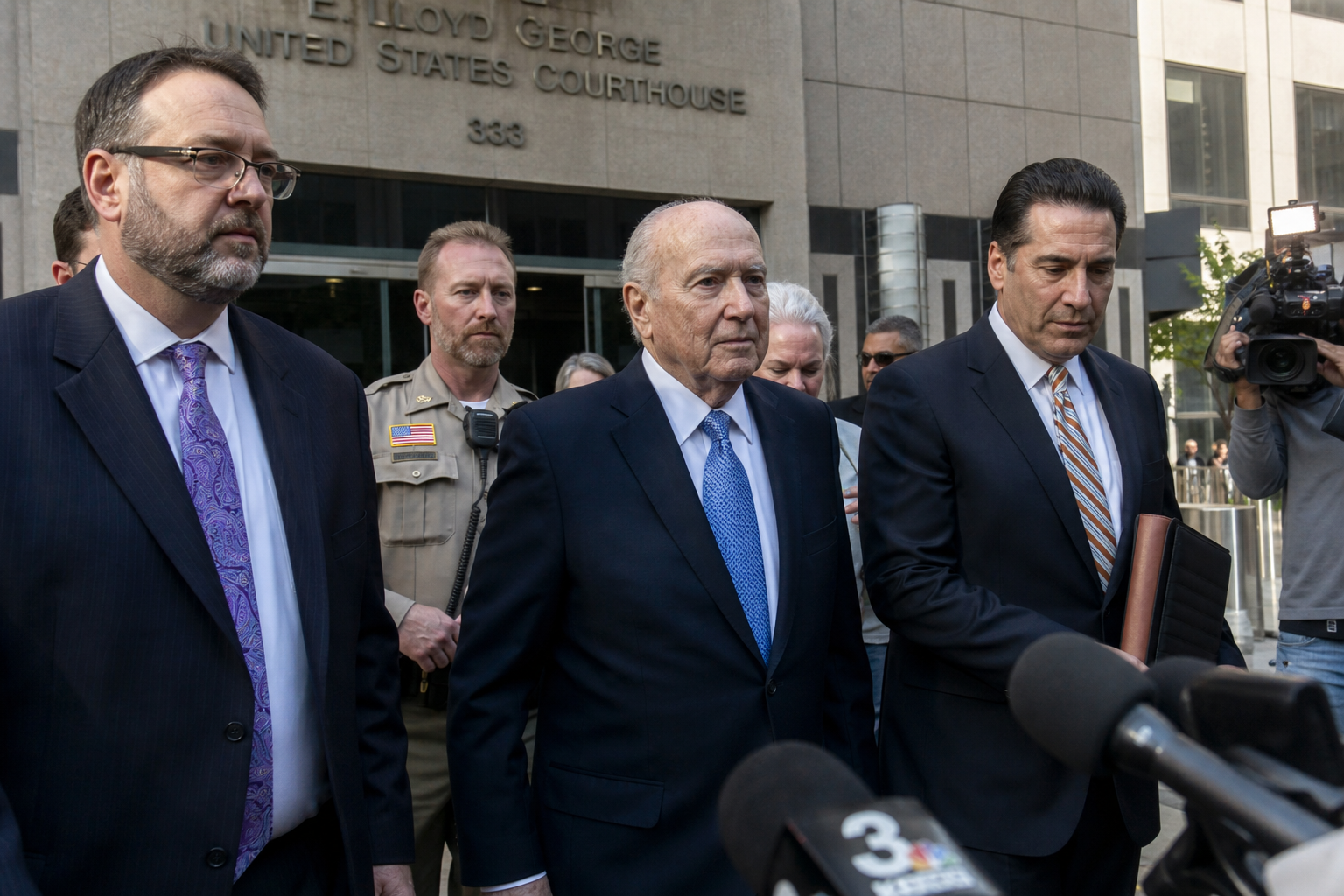
Duane “Keffe D” Davis, a former leader of the South Side Compton Crips, was found guilty by a Las Vegas jury of the 1996 murder of rapper Tupac Shakur. After only a few hours of deliberation, jurors convicted Davis of first-degree murder with the use of a deadly weapon. He could face life in prison without parole and has said he plans to appeal; sentencing is scheduled for October 13.
Prosecutors argued that Davis organized the attack after his nephew was beaten by members of Shakur’s entourage at a Las Vegas casino on September 7, 1996. Davis allegedly obtained a firearm, gathered members of his group, and participated in a pursuit that ended when a white Cadillac pulled alongside the BMW carrying Shakur and Death Row Records co-founder Marion “Suge” Knight. Prosecutors said Davis handed a gun to someone in the Cadillac’s back seat and ordered the person to shoot. Shakur was struck by gunfire and died six days later. Knight was wounded.
Davis was the only surviving occupant of the Cadillac and the sole person charged in connection with the shooting. The case remained unsolved for decades, but prosecutors revived it after Davis described his involvement in his 2019 memoir, “Compton Street Legend,” as well as in interviews with law enforcement and the media. Although he had repeatedly claimed involvement, Davis later recanted those statements and pleaded not guilty.
The defense argued that Davis’s accounts were fabricated to promote his book and maintained that no evidence beyond his own statements connected him to the crime. Prosecutor Binu Palal presented clips of Davis’s alleged confessions, while defense attorney Michael Sanft disputed their reliability. The verdict closes one of the most prominent cold cases in American music history, involving a central figure in the East Coast-West Coast hip-hop rivalry.
Entities: Duane “Keffe D” Davis, Tupac Shakur (2Pac), Las Vegas, South Side Compton Crips, Marion “Suge” Knight • Tone: neutral • Sentiment: negative • Intent: inform
01-09-2026
Duane “Keffe D” Davis, a former leader of the South Side Compton Crips, was found guilty by a Las Vegas jury of the 1996 murder of rapper Tupac Shakur. After only a few hours of deliberation, jurors convicted Davis of first-degree murder with the use of a deadly weapon. He could face life in prison without parole and has said he plans to appeal; sentencing is scheduled for October 13.
Prosecutors argued that Davis organized the attack after his nephew was beaten by members of Shakur’s entourage at a Las Vegas casino on September 7, 1996. Davis allegedly obtained a firearm, gathered members of his group, and participated in a pursuit that ended when a white Cadillac pulled alongside the BMW carrying Shakur and Death Row Records co-founder Marion “Suge” Knight. Prosecutors said Davis handed a gun to someone in the Cadillac’s back seat and ordered the person to shoot. Shakur was struck by gunfire and died six days later. Knight was wounded.
Davis was the only surviving occupant of the Cadillac and the sole person charged in connection with the shooting. The case remained unsolved for decades, but prosecutors revived it after Davis described his involvement in his 2019 memoir, “Compton Street Legend,” as well as in interviews with law enforcement and the media. Although he had repeatedly claimed involvement, Davis later recanted those statements and pleaded not guilty.
The defense argued that Davis’s accounts were fabricated to promote his book and maintained that no evidence beyond his own statements connected him to the crime. Prosecutor Binu Palal presented clips of Davis’s alleged confessions, while defense attorney Michael Sanft disputed their reliability. The verdict closes one of the most prominent cold cases in American music history, involving a central figure in the East Coast-West Coast hip-hop rivalry.
Entities: Duane “Keffe D” Davis, Tupac Shakur (2Pac), Las Vegas, South Side Compton Crips, Marion “Suge” Knight • Tone: neutral • Sentiment: negative • Intent: inform
01-09-2026
Former gang leader Duane "Keffe D" Davis has been found guilty of the 1996 murder of rapper Tupac Shakur, marking the first conviction in one of the United States’ most famous unsolved cases. A Las Vegas jury convicted the 63-year-old of murder with a deadly weapon for his role in the drive-by shooting that killed Shakur on 7 September 1996. Davis was not accused of firing the fatal shots, but prosecutors argued that he orchestrated the attack, ordered the shooting and supplied the gun used by his nephew, Orlando Anderson.
The prosecution relied heavily on Davis’s own statements. In a 2008 police interview, recorded during an investigation into the death of rapper Notorious B.I.G., Davis acknowledged being in the white Cadillac from which the shots were fired. He later discussed his involvement in his memoir, "Compton Street Legend", as well as in documentaries, podcasts and media interviews. Prosecutors said these admissions demonstrated that Davis, a leader within the South Side Compton Crips, was the person who authorized the attack.
The shooting was presented as retaliation after Anderson was involved in a fight with Shakur and his associates in Las Vegas earlier that evening. The incident occurred amid an intense East Coast-West Coast rap rivalry and longstanding tensions between the Bloods and Crips. Anderson, who denied involvement, died in an unrelated shooting in 1998.
Davis’s defence argued that his statements were exaggerated fabrications intended to sell books and attract attention. The jury rejected that explanation and returned its verdict shortly after receiving the case. Shakur’s family and fans reacted with tears and celebration outside court. Davis said he would appeal. His sentencing is scheduled for 13 October, and prosecutors say he faces at least 40 years in prison, although they will not seek additional gang enhancements, partly because of his age.
Entities: Duane "Keffe D" Davis, Tupac Shakur, Orlando Anderson, Las Vegas, South Side Compton Crips • Tone: neutral • Sentiment: neutral • Intent: inform
01-09-2026
Former South Side Compton Crips leader Duane “Keffe D” Davis has been found guilty of orchestrating the 1996 murder of rapper Tupac Shakur in Las Vegas. The jury convicted the 63-year-old of one count of murder with a deadly weapon, making him the first person to be convicted in the case after nearly three decades of speculation and conspiracy theories.
Shakur was killed in a drive-by shooting on 7 September 1996, when he was 25 and at the height of his career. Prosecutors argued that Davis planned the attack as retaliation after his nephew, Orlando Anderson, became involved in a fight with Shakur and his associates earlier that night. They said Davis supplied the gun and ordered Anderson to shoot from a white Cadillac, although Davis did not fire the weapon himself. Anderson, who denied involvement, died in an unrelated shooting in 1998.
The prosecution’s central evidence was Davis’s own statements. In a 2008 police interview connected to the murder of fellow rapper Notorious B.I.G., Davis acknowledged being in the vehicle from which the shots were fired. He later discussed his role in his memoir, “Compton Street Legend,” and in media interviews. Prosecutors argued that these admissions demonstrated his responsibility as the gang’s leader or “shot caller.” A protective agreement that had previously prevented charges was ruled void after Davis publicized his involvement, allowing the interview to be used at trial.
Davis’s defence claimed his statements were exaggerated or fictional attempts to sell books and attract attention. His lawyer urged jurors to regard Davis as a liar and argued there was no proof connecting him to the murder. The jury nevertheless reached a guilty verdict within hours of receiving the case.
Shakur’s relatives held hands, cried and embraced after the verdict, while fans outside the courthouse celebrated emotionally. Davis said he would appeal. Judge Carli Kierny scheduled sentencing for 13 October.
Entities: Duane “Keffe D” Davis, Tupac Shakur, Orlando Anderson, Las Vegas, South Side Compton Crips • Tone: neutral • Sentiment: negative • Intent: inform
01-09-2026
The BBC News video report focuses on the courtroom reaction to the verdict in the murder trial of rapper Tupac Shakur. The jury found 63-year-old Duane “Keffe D” Davis guilty of murdering Shakur, who was killed in 1996. According to the report, jurors reached their decision after only two hours of deliberation, bringing a major criminal case connected to the rapper’s death to a verdict.
BBC presenter Anoushka Mutanda-Dougherty describes what it was like inside the courtroom as the decision was announced. The report is presented primarily as an eyewitness account of the atmosphere and events surrounding the reading of the verdict, rather than as a detailed examination of the evidence, the prosecution and defence arguments, or the sentence.
The story is associated with Las Vegas and is categorized under crime. Its central news event is the conviction of Davis, whose nickname is given as “Keffe D,” for Shakur’s murder. The brief article description does not provide further information about the jury’s reasoning, Davis’s response, the relatives or supporters present, or the next legal steps. Those details may be contained in the accompanying video, but they are not included in the supplied text.
Overall, the report uses a concise, factual style while emphasizing the immediacy of the courtroom moment. By highlighting the short deliberation period and the presenter’s presence inside court, it gives audiences a direct account of how the verdict was experienced. The article’s primary purpose is to inform viewers about the conviction and offer a firsthand description of the verdict announcement.
Entities: Tupac Shakur, Duane “Keffe D” Davis, Anoushka Mutanda-Dougherty, BBC News, Las Vegas • Tone: neutral • Sentiment: neutral • Intent: inform
01-09-2026
A Las Vegas jury found 63-year-old Duane “Keffe D” Davis guilty of first-degree murder with the use of a deadly weapon in the 1996 killing of rapper Tupac Shakur. The verdict, reached after three hours of deliberation following a weeks-long trial, is the first conviction in a case that has remained a subject of intense interest among hip-hop fans and crime experts for decades. Davis could receive a life sentence.
Prosecutors argued that Davis orchestrated the drive-by shooting as retaliation after Shakur and Death Row Records co-founder Marion “Suge” Knight allegedly beat up Davis’s nephew earlier that night. Chief Deputy District Attorney Binu Palal told jurors that Davis obtained the gun, helped organize the attack and directed the group to search for Shakur. Prosecutors did not claim Davis fired the shots; instead, they argued he was criminally responsible under Nevada law because he provided the weapon and ordered the attack. They characterized the shooting as premeditated, citing accounts that the group spotted Shakur, made a U-turn and pursued him.
The prosecution relied heavily on Davis’s public statements, memoir and interviews. Davis repeatedly placed himself inside the white Cadillac from which the shots were fired, although his accounts varied about who pulled the trigger. Prosecutors argued that the central facts remained consistent despite changes in names and other details.
Defence attorney Michael Sanft argued that the case lacked independent evidence placing Davis in Las Vegas or inside the Cadillac, pointing to the absence of surveillance footage, phone records and other corroboration. He also challenged Davis’s reliability and suggested his statements were motivated by financial gain.
Shakur was shot at a Las Vegas intersection on Sept. 7, 1996, and died six days later. Knight was wounded but survived. Davis was the only living person among the four men prosecutors said were in the Cadillac. Shakur’s sister, Sekyiwa “Set” Shakur, cried after the verdict, while Davis’s son covered his face.
Entities: Duane “Keffe D” Davis, Tupac Shakur, Sekyiwa “Set” Shakur, Marion “Suge” Knight, Binu Palal • Tone: analytical • Sentiment: negative • Intent: inform
01-09-2026
A Las Vegas jury found former gang leader Duane “Keffe D” Davis guilty of orchestrating the 1996 murder of rapper Tupac Shakur. The verdict came after nine days of testimony, with jurors deliberating for less than three hours. Davis, 63, was convicted of murder with the use of a deadly weapon and could receive a life sentence. He has said he plans to appeal and had pleaded not guilty.
Shakur was wounded in a drive-by shooting on September 7, 1996, and died six days later in a hospital at age 25. The award-winning rapper, actor, and activist sold more than 75 million records worldwide, including many albums released after his death. The killing remained unsolved for nearly three decades and Davis is the only person ever charged in the case.
Prosecutors argued that Davis obtained a gun and sought revenge against Shakur and Death Row Records co-founder Marion “Suge” Knight after Davis’ nephew was beaten earlier that night. Clark County Chief Deputy District Attorney Binu Palal said Davis’ changing accounts of the killing reflected shifting motivations and attempts to protect himself. However, prosecutors maintained that one central detail remained consistent: Davis repeatedly placed himself inside the white Cadillac from which the shots were fired.
Davis is the sole surviving member of the four men prosecutors say were in the Cadillac. The alleged supplier of the gun and the other suspected participants are dead. Police had long suspected Davis but lacked sufficient evidence to charge him. The prosecution ultimately relied heavily on Davis’ public media appearances, memoir, and recordings of secret meetings with investigators, which prosecutors used to establish his involvement.
Entities: Duane “Keffe D” Davis, Tupac Shakur, Las Vegas jury, Las Vegas, Nevada, Clark County District Attorney’s Office • Tone: analytical • Sentiment: negative • Intent: inform
01-09-2026
A Las Vegas jury convicted 63-year-old Duane “Keffe D” Davis of first-degree murder in the 1996 killing of rapper Tupac Shakur. Davis was found guilty of a single count of murder with a deadly weapon after jurors deliberated for less than three hours following a weeks-long trial. He could receive a life sentence and is expected to appeal; sentencing is scheduled for October.
Prosecutors argued that Davis orchestrated the shooting after Shakur and Death Row Records co-founder Marion “Suge” Knight had beaten Davis’s nephew earlier that night. According to the prosecution, Davis obtained a gun, joined younger men in a white Cadillac and directed them to pursue Shakur and Knight. Although prosecutors acknowledged that Davis did not fire the weapon himself, they said he was responsible because he ordered or encouraged the shooting. They also cited changing accounts in Davis’s interviews, memoir and public statements, in which he repeatedly placed himself in the Cadillac but did not clearly identify the shooter.
Defense attorney Michael Sanft argued that there was no physical evidence linking Davis to the crime and that Davis’s memoir, “Compton Street Legend,” and other statements reflected dramatized bravado intended to generate money rather than factual confessions. The trial included testimony from 24 prosecution witnesses and three defense witnesses. Prosecutors agreed to dismiss a gang-enhancement charge because of difficulties involving witnesses.
Shakur was shot at a Las Vegas intersection on September 7, 1996, when a white Cadillac pulled alongside his vehicle. He died six days later, while Knight survived his injuries. The verdict brought a measure of resolution to a case that had fueled decades of speculation among hip-hop fans and true-crime observers. Shakur’s sister, Sekyiwa “Set” Shakur, cried and embraced prosecutors after the verdict, while Davis’s son covered his face.
Entities: Duane “Keffe D” Davis, Tupac Shakur, Sekyiwa “Set” Shakur, Marion “Suge” Knight, Binu Palal • Tone: neutral • Sentiment: negative • Intent: inform
01-09-2026
Duane “Keffe D” Davis was found guilty by a Las Vegas jury of orchestrating the 1996 murder of rapper Tupac Shakur, making him the first person convicted in the decades-old case. Davis, 63, was convicted of murder with a deadly weapon and could receive a life sentence. The jury reached its verdict in less than three hours after a weekslong trial that included testimony from 24 prosecution witnesses and three defense witnesses.
Prosecutors argued that Davis obtained the gun used in the shooting and ordered the attack as retaliation after Shakur and Death Row Records co-founder Marion “Suge” Knight assaulted Davis’ nephew, Orlando “Baby Lane” Anderson, earlier that night. Although prosecutors did not claim Davis fired the weapon, they said he was criminally responsible under Nevada law because he supplied the gun and helped plan the killing. They emphasized that Davis consistently placed himself in the white Cadillac from which the shots were fired and argued that the group deliberately searched for Shakur before making a U-turn and opening fire.
Shakur was shot at a Las Vegas intersection on September 7, 1996, and died six days later. Knight was wounded but survived. Davis later made public statements and discussed the shooting in his 2019 memoir, “Compton Street Legend,” saying he had handed the gun to someone in the back seat while refusing to identify the shooter.
The defense challenged Davis’ credibility and argued that he had changed or fabricated his accounts for money. Defense attorney Carl Arnold Sanft also questioned whether Davis had actually been a gang leader capable of directing the attack. The case was complicated by its age, limited historical evidence and the deaths of the other men prosecutors said were in the Cadillac. Prosecutors later dismissed a gang enhancement because of witness logistics.
Entities: Duane “Keffe D” Davis, Tupac Shakur, Las Vegas, Clark County District Court, Marion “Suge” Knight • Tone: analytical • Sentiment: negative • Intent: inform
01-09-2026
A jury in Clark County, Nevada, found former gang member Duane “Keffe D” Davis guilty of the murder of rapper Tupac Shakur. The verdict was delivered on August 31, 2026, and reported by France 24 on September 1. Davis, 63, is not believed to have fired the shots that killed Shakur, but prosecutors successfully applied Nevada’s accomplice-liability law, under which a person who assists another individual in committing murder may be convicted of the same crime.
Davis was described as the only surviving member of the group that was in the vehicle when the deadly shooting occurred. His conviction therefore represents a significant development in a case involving one of the most prominent unsolved killings in hip-hop history. The article does not identify the person who fired the fatal shots, nor does it provide details about Davis’s sentence or the prosecution’s specific evidence. It focuses instead on the jury’s verdict, Davis’s alleged role as an accomplice, and his status as the sole surviving participant in the car.
The report is a concise legal and crime-news update. It places the verdict in the context of Nevada law and emphasizes that direct responsibility for firing the weapon is not required for a murder conviction when a defendant is found to have helped facilitate the crime. The article is accompanied by a photograph caption identifying Davis at the final day of his trial in Las Vegas and credits video reporting to Camille Corcoran.
Entities: Tupac Shakur, Duane “Keffe D” Davis, Clark County Court, Clark County, Nevada, Las Vegas • Tone: neutral • Sentiment: negative • Intent: inform
01-09-2026
Duane “Keffe D” Davis, a former leader of the South Side Compton Crips, was found guilty of first-degree murder with a deadly weapon for his role in the 1996 drive-by shooting that killed rapper Tupac Shakur in Las Vegas. The Clark County jury deliberated for nearly three hours after an 11-day trial before reaching its verdict on Aug. 31, 2026. Davis, 63, told the judge that he planned to appeal.
Prosecutors argued that Davis orchestrated the attack after Shakur and members of his entourage assaulted Davis’ nephew, who was associated with his gang. Binu Palal of the Clark County District Attorney’s Office told jurors that Davis responded by obtaining a firearm, assembling a group and searching for Shakur. Davis and three other men reportedly traveled in a white Cadillac looking for Shakur and Death Row Records executive Marion “Suge” Knight. According to statements Davis made during an unrelated investigation, he passed a gun to the back seat and one of the men opened fire when they located Knight and Shakur’s vehicle.
Although prosecutors did not identify the shooter, Nevada law allowed Davis to be charged with murder because of his alleged role in organizing the attack. The other three men in the Cadillac have since died.
The prosecution’s case relied heavily on Davis’ public media appearances, his 2019 memoir, “Compton Street Legend,” and recordings of secret meetings with investigators. Davis’ attorney, Michael Sanft, argued that the evidence was unreliable, that Davis’ account could not be independently corroborated and that the investigation was affected by police corruption, mismanagement and missing files.
Shakur’s killing became one of the defining tragedies of 1990s rap and intensified concerns about violence surrounding the era’s East Coast-West Coast rivalry. The conviction closes a decades-old case, though Davis’ planned appeal could prolong the legal proceedings.
Entities: Duane “Keffe D” Davis, Tupac Shakur, Clark County, Nevada, Las Vegas, Clark County District Attorney’s Office • Tone: analytical • Sentiment: negative • Intent: inform