23-09-2026
European governments are responding to energy-price increases linked to the war in the Gulf with temporary subsidies and tax cuts. France has extended targeted fuel subsidies for low-paid workers and several other groups, bringing its total fuel-subsidy spending for the year to €1.4 billion. Germany is reducing petrol and diesel taxes by €0.17 per litre through the end of 2026 and is considering a fuel-price cap. The UK is cutting VAT on household electricity bills for six months.
The measures offer immediate relief, but critics argue they do not address the structural vulnerabilities that leave households exposed to international crises. Good Energy chief executive Nigel Pocklington says durable affordability requires changes to energy markets and faster growth in domestic energy generation and infrastructure. He points to Spain’s solar investment as one example of how renewable power can help shield a country from price shocks.
Europe’s energy security is under pressure from the blockade of an important shipping channel, Houthi attacks on a Saudi pipeline, and low gas reserves. Germany’s winter reserves are at their lowest level in 15 years, while gas reserves across the EU are also historically low. In the UK, household electricity prices have risen substantially since 2010. The Institute for Fiscal Studies says a general VAT cut benefits higher-income households more in cash terms than lower-income households, and notes that taxes and green levies have contributed to rising bills.
The debate also includes calls to approve new North Sea oil and gas fields, while Prime Minister Andy Burnham has reiterated Britain’s commitment to climate action. Energy insecurity is influencing foreign policy too: the UK plans to provide limited air-to-air refuelling support to Saudi Arabia as it fights the Houthis, with Burnham citing cost-of-living pressures. Energy economist Nick Butler warns that energy infrastructure is increasingly seen as an early target in conflict. The article concludes that the need for resilient energy systems is growing, even as efforts to secure an energy ceasefire between Ukraine and Russia show signs of progress.
Entities: Lemma Shehadi, France, Germany, United Kingdom, European Union • Tone: analytical • Sentiment: negative • Intent: analyze
23-09-2026
Higher road fuel prices have cost the European Union an estimated €53 billion since the Iran war began, according to a report from Brussels-based environmental group Transport & Environment (T&E). Comparing the 28 weeks to 6 September with the same period a year earlier, adjusted for inflation, T&E calculates that extra transport costs averaged €270 million per day: €203 million for diesel and €67 million for petrol. Diesel accounts for €40 billion of the total increase.
The report attributes Europe’s exposure to its heavy reliance on diesel. Diesel and gasoil make up about 43% of EU oil-product use by volume, and road transport consumed 77% of the bloc’s diesel and gasoil in 2024. T&E estimates that an EU diesel-car driver paid around €142 more over the period studied. A German long-haul truck faced about €6,000 in additional fuel costs, or €236 a week; this is an example for a German truck, not an EU-wide truck average.
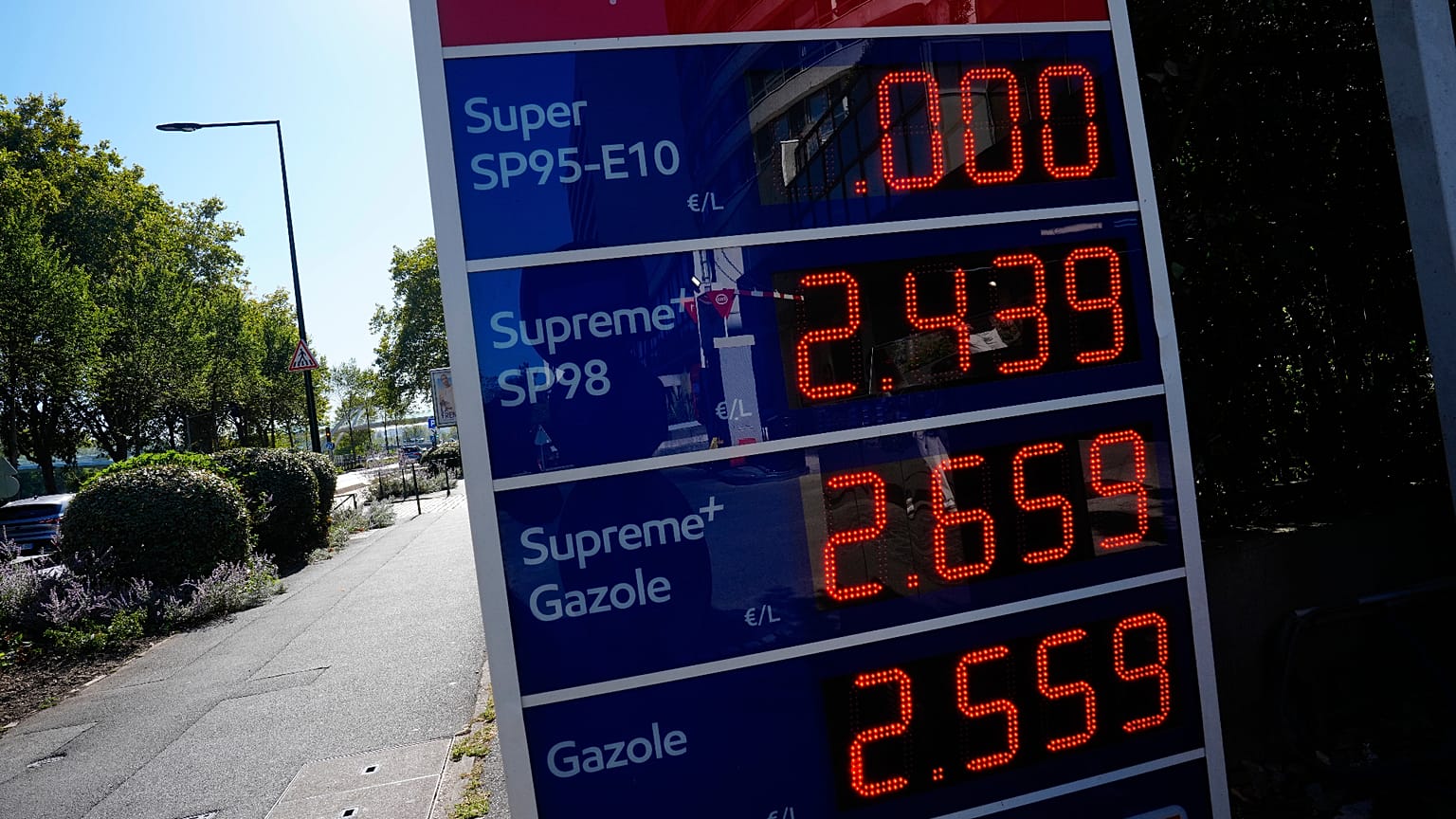
Diesel prices have risen faster than crude oil prices amid disrupted Middle Eastern fuel production and exports, as well as attacks on Russian refineries. T&E says diesel and gasoil exports from the Middle East and Russia fell almost 75% year-on-year in August. The gap between crude and wholesale diesel prices exceeded $100 a barrel in early September, far above its typical $10–$30 range. The EU’s weighted average diesel price reached €2.159 a litre on 14 September, the highest in the European Commission’s records dating to 2005.
Further supply pressure could come from rising autumn demand and refinery maintenance. A possible US diesel-export ban could also make supplies harder for Europe to secure, though none has been announced. To reduce demand, T&E supports measures including remote work, lower motorway speed limits, improved public transport and fuel-saving driving advice. It also argues that electric vehicles can limit exposure to oil shocks: nearly eight million EU electric cars reportedly avoided about 46 million barrels of oil use in 2025, saving €2.9 billion in oil imports.
Entities: Transport & Environment (T&E), European Union (EU), Iran war, Diesel and gasoil, Petrol • Tone: analytical • Sentiment: negative • Intent: inform
23-09-2026
A global oil supply crisis, driven by attacks and disruption around the Strait of Hormuz and Bab-el-Mandeb, has pushed European petrol and diesel prices above €2 per litre in several countries. The article reports that petrol is most expensive in the Netherlands, at an average of €2.43 per litre, followed by Denmark and Finland. Denmark has the highest listed diesel price, €2.52 per litre, with France and Italy also facing high costs. Prices vary substantially across Europe: diesel in North Macedonia and Andorra is around €1.70 per litre.
However, pump prices alone do not show how burdensome fuel is for residents. The article compares the cost of filling a 50-litre tank with GDP per capita, adjusted using purchasing power standards. On that measure, the Balkans face the greatest pressure, with Bosnia and Herzegovina at the top of the estimate. Within the EU, Greece is identified as the country where fuel costs weigh most heavily on consumers, for both petrol and diesel.
The crisis is also affecting the supply and refining of fuel. The International Energy Agency says global refinery production in July 2026 was nearly five million barrels per day below the level a year earlier. Disrupted crude supplies have forced refineries to seek alternative sources, which can be costly because different crude grades are not always interchangeable. Attacks on refineries in Saudi Arabia, Kuwait and Bahrain have further reduced production, while the war in Ukraine has added pressure to diesel supplies. The article concludes, citing European Central Bank experts and diesel futures data, that diesel refining margins are expected to peak in October; petrol margins peaked in August.
Entities: Strait of Hormuz, Bab-el-Mandeb, Iran, United States, Houthi rebels • Tone: analytical • Sentiment: negative • Intent: analyze