22-07-2026
The article reports that Keir Starmer has left office after just two years as U.K. prime minister and has been replaced by Labour’s new leader, Andy Burnham, making Burnham Britain’s seventh prime minister in a decade. The transition followed a constitutional formality in which King Charles III asked Burnham to form a government. The article explains that, under Britain’s parliamentary system, voters elect parties rather than prime ministers directly, allowing leaders to change without a national election if the governing party changes its leader.
Burnham used his first remarks outside 10 Downing Street to acknowledge public concern over Britain’s frequent leadership changes and to call for stability, reflection, and a “new resolution.” He said his government’s challenge is to make politics work and raise standards, promising a “new plan for Britain” aimed at shifting power and investment away from London and toward regional and local authorities. He also said he would quickly announce measures to address the rising cost of living.
The article highlights that Burnham’s domestic challenges are substantial, including declining Labour support from both the right and left. Reform UK, led by Nigel Farage, is gaining strength, while the Green Party is drawing progressive voters. Burnham must also manage relations with President Trump, who has criticized him in the past but later described a recent call as productive. Overall, the piece frames Burnham’s rise as a test of whether he can bring stability and lasting change after years of political churn in Britain.
Entities: Andy Burnham, Keir Starmer, King Charles III, 10 Downing Street, Labour Party • Tone: analytical • Sentiment: neutral • Intent: inform
22-07-2026
Andy Burnham has become the new UK prime minister after being invited by King Charles III to form a government, replacing Keir Starmer and becoming the seventh prime minister since 2016. In his first remarks outside 10 Downing Street, Burnham framed his ascent as a turning point for Britain, calling for a more collaborative style of politics and a major shift away from Thatcher-era economic ideas. He said his government would move power out of London and into local communities, pursue a new political model, and build a new economic model centered on stronger public control over essentials and reindustrialization.
The article emphasizes the scale of political instability in the UK, highlighting Burnham’s acknowledgment that Britain has had six people walk into Downing Street in the past decade. Burnham said politics has not been good enough and promised to restore stability, improve governance, and make politics work better. Outgoing Prime Minister Keir Starmer formally resigned and offered Burnham his support, describing politics as a team effort and thanking the public for the opportunity to serve.
The piece also notes Burnham’s likely early foreign-policy challenge: managing relations with Washington. Burnham has criticized Donald Trump in the past, warning against importing American-style polarization, but he has also said the U.S.-U.K. relationship remains important and reaffirmed support for NATO, Britain’s nuclear deterrent, and Ukraine. The article says Burnham took office without a national election, prompting Reform UK to argue he should call a general election to secure a democratic mandate.
Entities: Andy Burnham, Keir Starmer, King Charles III, Donald Trump, Reform UK • Tone: analytical • Sentiment: neutral • Intent: inform
22-07-2026
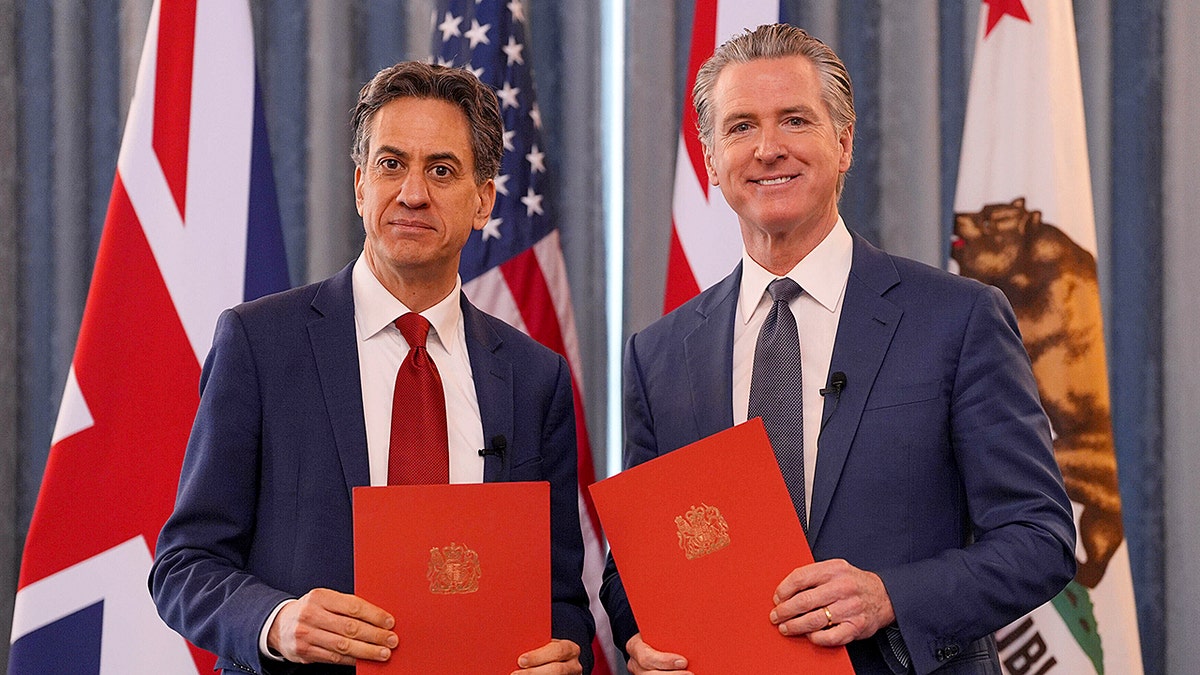
Fox News reports that allies of President Donald Trump are warning British Prime Minister Andy Burnham’s decision to appoint Ed Miliband as foreign secretary could damage the U.S.-U.K. “special relationship.” The concern centers on Miliband’s history of sharply criticizing Trump and his association with the Labour government’s net-zero energy agenda, which Trump and his allies strongly oppose. The article says Burnham, who recently became prime minister after Keir Starmer’s resignation, has tried to reassure Trump about the importance of bilateral ties, including a direct call shortly after taking office. But the appointment of Miliband, a former Labour leader and former energy security and net zero secretary, is being portrayed by Trump-aligned figures as a provocative and strategically poor choice.
The piece emphasizes that Miliband previously described Trump in highly personal and insulting terms during the 2016 campaign, calling him a “racist, misogynistic, self-confessed groper.” It also notes that as energy secretary, Miliband championed the UK’s net-zero agenda and opposed new North Sea oil and gas licensing, positions that clash with Trump’s preference for expanded fossil-fuel production. The article quotes Nile Gardiner, a former Margaret Thatcher aide and Heritage Foundation official, who says the appointment is “disastrous” and reflects poor strategic thinking by Burnham. Overall, the article frames the appointment as a potential flashpoint in UK-U.S. relations, particularly on energy policy and political trust.
Entities: Donald Trump, Andy Burnham, Ed Miliband, Yvette Cooper, Keir Starmer • Tone: negative • Sentiment: negative • Intent: inform