20-10-2026
Oil prices fell on Tuesday as traders weighed hopes for diplomatic progress between the United States and Iran against a worsening security situation in the Middle East. November West Texas Intermediate (WTI) futures dropped 1.8% to settle at $101.79 a barrel after reaching $110.48 earlier in the session. The November contract expired Tuesday. The December WTI contract slipped 26 cents to $98.28, while December Brent fell 0.7% to $108.79, below its session high of $111.99.
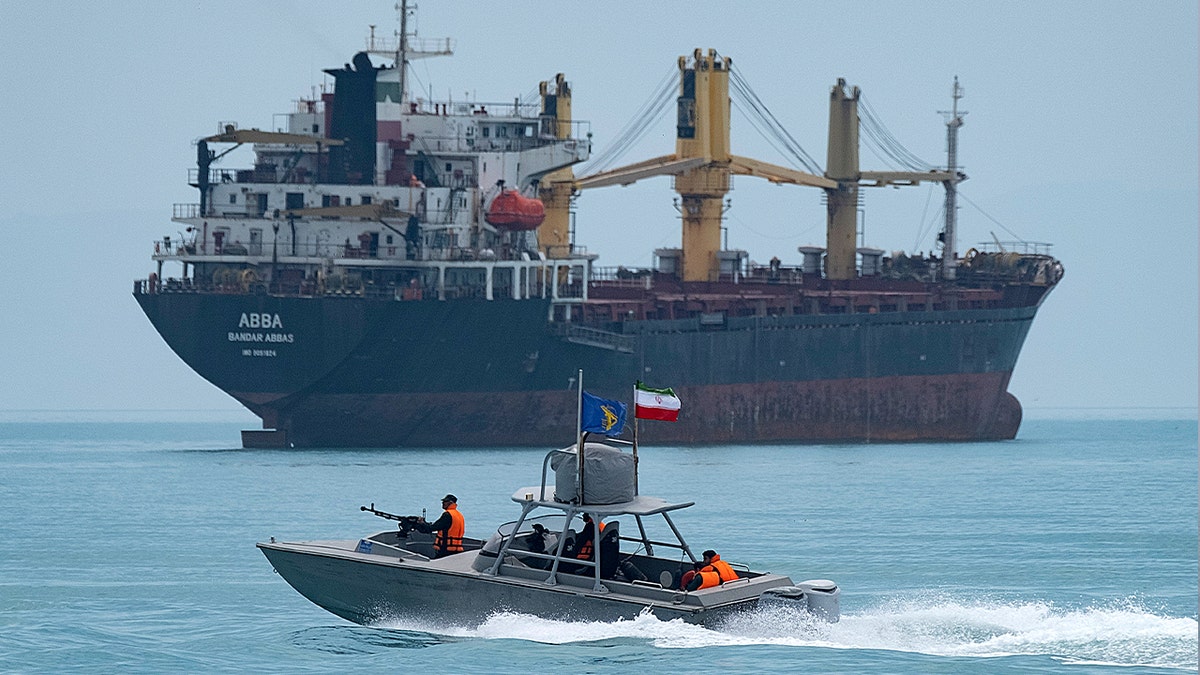
Attacks on commercial shipping in the Strait of Hormuz have increased in recent weeks. Ship tracker Kpler reported that at least 18 vessels had come under fire in the previous two weeks. Iran’s Revolutionary Guard Corps said two tankers it described as “non-compliant” had caught fire after striking naval mines in the strait, according to the Iranian state-affiliated Tasnim news agency. Iranian Foreign Ministry spokesperson Esmaeil Baqaei also warned that Tehran would respond to any U.S. strike “in equal measure, if not more forcefully.” Earlier in the month, President Donald Trump said U.S. forces would not attack Iran before the Nov. 3 midterm elections.
PVM Oil Associates analyst Tamas Varga said strength in front-end WTI ahead of contract expiry indicated tightness in the global crude market. He attributed that tightness to falling Middle Eastern export volumes amid tanker attacks and Houthi strikes on Saudi oil infrastructure. He also said a U.S. decision to exempt Russia’s shadow fleet from sanctions could lower freight rates, removing a barrier to demand for U.S.-sourced crude as an alternative to Middle Eastern oil. Varga added that U.S. commercial oil stocks were expected to have declined the previous week.
Entities: Donald Trump, Tamas Varga, Esmaeil Baqaei, United States, Iran • Tone: analytical • Sentiment: neutral • Intent: analyze
20-10-2026
Oil prices climbed to their highest level in five months on Tuesday as renewed Houthi attacks on Saudi targets added to concerns about Middle East supply disruptions and persistent inflation. Brent crude rose by more than 1.4 per cent to around $111 a barrel, while US benchmark West Texas Intermediate gained more than 2 per cent to $100.80. Prices had last reached comparable levels in mid-May; Brent had crossed $110 on Friday, and WTI had topped $100 for the first time in a month.
The Iran-aligned Houthis claimed six attacks on Saudi Arabia, targeting energy sites, Riyadh’s King Khalid International Airport, a military airbase near Abha, a naval task-force camp and a radar installation in Bir Askar. The attacks intensified regional tensions and weighed on Gulf stock markets. Meanwhile, the continuing US-Iran conflict and pressure on shipping through the Strait of Hormuz have constrained Middle Eastern crude flows. The strait handled roughly a fifth of global energy exports before the war.
Efforts to maintain supplies include an International Energy Agency agreement to release more than 20 million barrels of diesel. Gulf producers have also rerouted tanker transfers toward India and cut prices to keep crude moving to Asia, though congestion and attacks are straining the improvised export network. US Energy Secretary Chris Wright said Washington was prepared to allow some sanctioned tankers to begin legitimate shipments. But Kpler estimated that only 24 of almost 160 vessels sanctioned by the US Treasury could return to mainstream trade, given restrictions related to vessel age and ownership; it also said easing sanctions would do little to relieve record freight rates.
High energy costs are stoking inflation concerns and increasing expectations that the Federal Reserve will raise interest rates for a second consecutive time at its meeting the following week. Analysts at Duncan Oil said investors increasingly expect rates to remain higher for longer. Wholesale diesel prices had already exceeded $200 in Singapore and reached about $220 in Europe and the US, according to the IEA.
Entities: Brent crude, West Texas Intermediate (WTI), Houthi rebels, Saudi Arabia, Strait of Hormuz • Tone: analytical • Sentiment: negative • Intent: inform
20-10-2026
Oil prices remained close to $110 per barrel on Tuesday as traders balanced the possibility of increased Russian energy supplies against renewed security risks in the Middle East. West Texas Intermediate crude rose 18 cents, or 0.18%, to $98.72, while Brent gained 16 cents, or 0.15%, to $109.70. Brent had reached $110.70 in the previous session, its highest price since May 20. The market was assessing a Friday executive order by US President Donald Trump that waived certain Russia-related sanctions and tariffs, potentially allowing more Russian oil and fuel into global markets. Trump said he had not made a final decision, and Secretary of State Marco Rubio said officials needed more time to evaluate the situation. Russia’s oil production rose by 65,000 barrels per day in September to 8.43 million barrels per day, according to the International Energy Agency. That level was still about 870,000 barrels per day below production a year earlier. The prospect of added Russian supply could offset some disruption risks, but concerns about Gulf energy infrastructure continued to support prices. Those concerns intensified after Yemen’s Iran-aligned Houthis claimed they had attacked Saudi energy, airport and military sites, including an Aramco facility in Yanbu, the Shaybah oilfield, King Khalid International Airport in Riyadh and Abha airport. Saudi authorities did not immediately confirm the claims, which Reuters could not independently verify. Separately, a Houthi attack on a security forces training camp in Yemen’s Shabwa province killed 58 people and injured more than 200. The article presents these conflicting supply factors as the reason oil prices remained above $100 per barrel, despite the possibility of increased Russian exports.
Entities: WTI crude, Brent crude, Yemen’s Houthis, Saudi Arabia, Russia • Tone: analytical • Sentiment: neutral • Intent: inform
20-10-2026
The article reports renewed concern about sea mines in the Strait of Hormuz after Iran claimed that two oil tankers caught fire after striking naval mines on October 17. Iran’s Islamic Revolutionary Guard Corps navy said the ships were carrying roughly two million barrels of crude oil; one was reportedly left immobilized. Iranian state media said the vessels had disabled positioning and radar systems and tried to use a route Tehran had not authorized.
International Maritime Organization Secretary-General Arsenio Dominguez said the recognized traffic separation scheme, established in 1968, may still contain mines. Because the ongoing conflict makes independent verification difficult, the IMO cannot guarantee that ships using the route will avoid the hazards. Dominguez said Iran had communicated information about a temporary route in its territorial waters, but the organization has not officially approved it. Any proposed alternative would need to undergo review by the IMO and its member states.
The article describes a dispute over control and safety in the waterway. Tehran is maintaining its own passage and reportedly imposing tolls and safety fees through the IRGC. Washington and the IMO reject that framework as inconsistent with international maritime law. The reports of mine strikes come amid a surge in attacks on vessels over the preceding two weeks and stalled negotiations between the United States and Iran over ending the conflict and restoring shipping.
Iranian official Mohsen Rezaei described the latest U.S. response to negotiations as insufficient. He said the United States had accepted some of Iran’s seven conditions, but other issues remained unresolved, and Tehran was no longer responding to Washington. The article emphasizes that the combination of mines, competing routes, and diplomatic deadlock leaves shipping and crews exposed to serious risk.
Entities: Strait of Hormuz, Iran, International Maritime Organization (IMO), Arsenio Dominguez, Islamic Revolutionary Guard Corps (IRGC) • Tone: analytical • Sentiment: negative • Intent: warn