20-10-2026
The Liberty Justice Center has filed a new lawsuit challenging the Trump administration’s 50% tariffs on about $20bn of Canadian goods. The case was brought on behalf of Gellert Global Group, a New Jersey food importer that pays the tariffs on cheese from Canada and also faces Canadian retaliatory duties on American-made cheese it sells there. The lawsuit asks the US Court of International Trade to rule the levies unlawful and require refunds, with interest, for affected importers. It argues that the administration exceeded its authority and caused immediate harm to US businesses.
The dispute concerns the White House’s use of Section 338 of the Tariff Act of 1930, a provision intended to protect US businesses from foreign discrimination. The Liberty Justice Center argues that Section 338 does not authorize broad tariffs or import restrictions in response to trade disputes, and that its requirements were not met. In particular, the law calls for a 30-day waiting period, while cheese was added to the tariff list only a week before collection began. The suit also argues that Section 338 has been superseded by Section 301 of the Trade Act of 1974, or, alternatively, that the administration has not established a legal basis for its actions.
The tariffs followed the breakdown of US-Canada trade talks in August. Canada has imposed countermeasures against US tariffs, and Prime Minister Mark Carney responded to the US Section 338 duties with matching measures “dollar for dollar.” Gellert Global Group co-chief executive Thomas Gellert said the tariffs disrupt long-standing supplier and customer relationships and create costs and uncertainty across the supply chain.
The case is the Liberty Justice Center’s fourth challenge to Trump’s tariffs. The group previously succeeded in a case against broad tariffs imposed under the International Emergency Economic Powers Act, which were struck down in February. The organization says its lawsuits concern the constitutional division of tariff powers: Congress sets the limits, it argues, and the executive branch must follow them. The White House had been contacted for comment.
Entities: Donald Trump, Liberty Justice Center, Gellert Global Group, US Court of International Trade, Thomas Gellert • Tone: analytical • Sentiment: negative • Intent: inform
20-10-2026
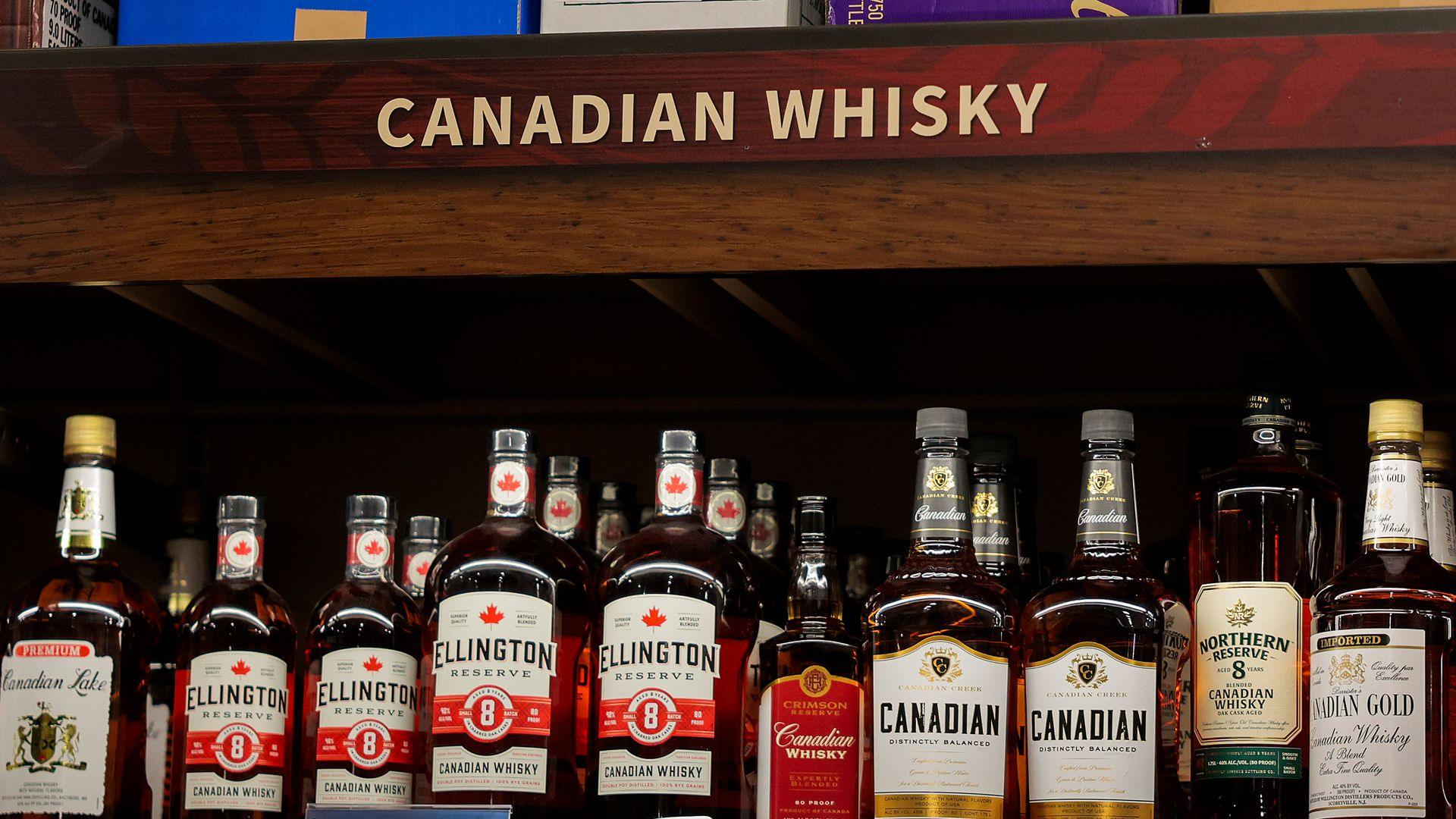
A U.S. lawsuit has been filed challenging President Donald Trump’s tariffs on Canadian goods. The Liberty Justice Center brought the case in the U.S. Court of International Trade on behalf of food importer Gellert Global Group. It argues that Trump exceeded his authority by invoking Section 338, a 1930 trade statute that has never previously been used to impose tariffs in this way. The administration imposed a 50 per cent levy on a range of Canadian goods after trade talks broke down in August, and later used the statute to restrict imports of additional products, including motorcycles and some alcohol and dairy items.
The White House says Section 338 allows tariffs when another country’s policies disadvantage U.S. exporters. Officials cite provincial bans on U.S. liquor, Canada’s supply-managed dairy system and quotas on some U.S. vehicles. The lawsuit contends those policies do not justify the broad duties, and says some measures—including auto quotas and liquor bans—were responses to Trump’s own tariffs. It also notes that Canada’s dairy policies are covered by the Canada-U.S.-Mexico Agreement, negotiated during Trump’s first term.
Gellert Global says the tariffs have disrupted long-standing business relationships and created costs and uncertainty across food supply chains. The company faces U.S. duties on Canadian cheese as well as Canadian retaliatory tariffs on American cheese sold by its Canadian division. It points to a cross-border supply chain in which New York milk is processed into brie in Canada and then shipped back to the United States, arguing that tariffs harm businesses and farmers on both sides.
The lawsuit asks the court to declare the tariffs unlawful and order a refund. Its broader concern is that allowing the duties to stand could enable future presidents to impose trade restrictions under Section 338 without meaningful congressional oversight. The Trump administration says it will vigorously defend the president’s actions. The Liberty Justice Center has also challenged Trump’s prior use of the International Economic Emergency Powers Act for other tariffs; the article reports that the U.S. Supreme Court previously ruled that statute could not be used for that purpose because the Constitution gives Congress authority over taxes and tariffs.
Entities: Donald Trump, Sara Albrecht, Thomas Gellert, Kelly Geraldine Malone, Liberty Justice Center • Tone: analytical • Sentiment: negative • Intent: inform
20-10-2026
A New Jersey food importer, Gellert Global Group, has sued the Trump administration over 50% tariffs on certain Canadian goods imposed under Section 338 of the Tariff Act of 1930. The lawsuit, filed Tuesday in the U.S. Court of International Trade, asks the court to declare the tariffs unlawful, block their enforcement, and require refunds with interest for duties already paid.
President Donald Trump invoked Section 338 in July, targeting products including hockey sticks, wine, honey, wigs and cheese in response to alleged Canadian trade discrimination. The 96-year-old law had never before been used to impose tariffs. Gellert argues that later legislation has effectively repealed the provision and that, in any event, the administration did not satisfy its requirements. The law permits tariffs only after a factual finding that a foreign country imposes unreasonable or discriminatory trade burdens, and allows duties only to offset those burdens. The complaint contends that the Canadian actions cited by Trump do not meet that standard, including Canada’s retaliation against U.S. tariffs and dairy quota terms negotiated in the U.S.-Mexico-Canada Agreement (USMCA).
Gellert says it imported $71 million in Canadian cheese in 2025 and previously paid no tariffs on those imports under USMCA. It estimates the new 50% duty will cost it about $40 million annually. The company says it can absorb the expense through year-end but warns that continuing tariffs could force price increases, reduce sales and customer loyalty, jeopardize product placements, and disrupt supply chains.
The case is brought by the Liberty Justice Center, which also successfully challenged Trump’s reciprocal tariffs at the Supreme Court. The court struck those tariffs down in February, and the administration is working to refund an estimated $166 billion in collected duties. The White House had not immediately commented. Canada imposed matching tariffs on U.S. goods after the new duties took effect in August.
Entities: Donald Trump, Gellert Global Group, Liberty Justice Center, Sara Albrecht, U.S. Court of International Trade • Tone: analytical • Sentiment: negative • Intent: inform