18-09-2026
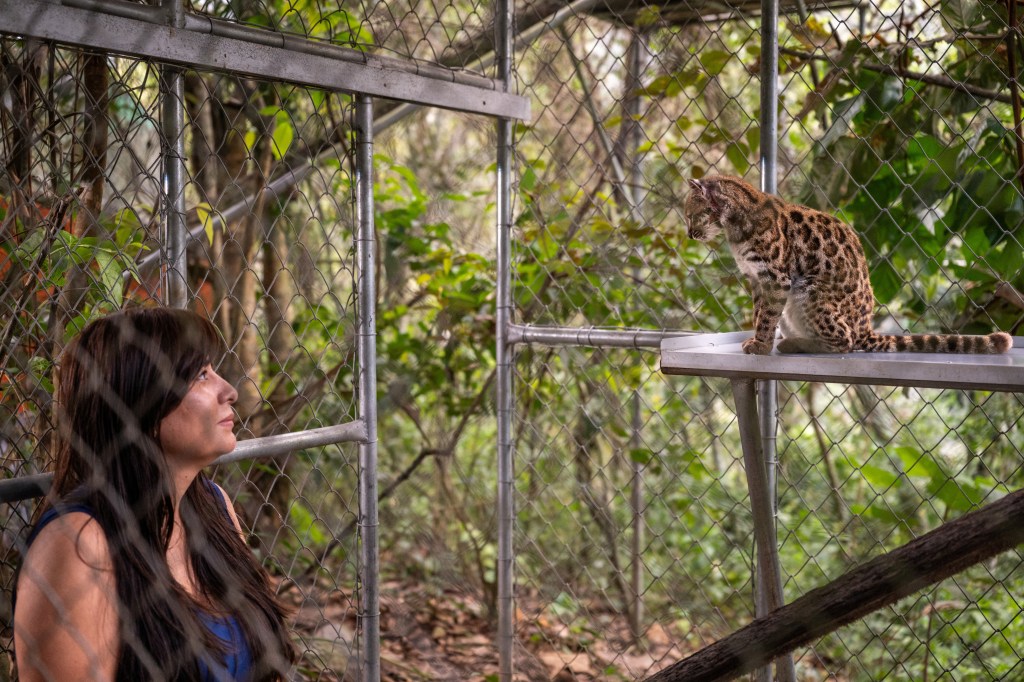
Researchers have identified a previously unknown tiger cat species in Bolivia’s Yungas cloud forests, the first living feline species to be formally named and described in more than a century. The small cat, known locally as “tilcayo,” has been given the scientific name Leopardus tilcayo. It measures approximately 46 centimetres long and weighs about 1.4 kilograms, making it smaller than an average domestic cat. Its light-brown fur is marked with irregular rosettes.
The discovery was led by National Geographic Explorer Paola Nogales-Ascarrunz, with evolutionary biologist Jonas Lescroart of the University of Antwerp serving as a study co-lead author. Researchers became interested in the Bolivian population because its physical characteristics did not correspond to descriptions largely based on tiger cats from Brazil. The team subsequently analysed DNA from 38 cats across several South American countries, including eight museum specimens.
The genetic analysis found that tiger cats comprise five genetically distinct species. The Bolivian cat’s lineage diverged from other tiger cats roughly 1.4 million years ago. Tiger cats are considered “cryptic species” because they can look very similar despite being genetically distinct, making them difficult to identify through appearance alone.
Little is currently known about Leopardus tilcayo’s behaviour or ecology. Scat samples contained remains of small rodents, suggesting they may be part of its diet, while camera-trap images indicate the cat may be primarily nocturnal. The researchers also described a new tiger cat subspecies in Peru’s Yungas region, naming it Leopardus tigrinus antisuyo after Antisuyu, an area of the former Inca Empire. The findings were published in the journal Current Biology.
Entities: Leopardus tilcayo, Bolivia’s Yungas forest, Tiger cats, Paola Nogales-Ascarrunz, Jonas Lescroart • Tone: analytical • Sentiment: neutral • Intent: inform
18-09-2026
Scientists have confirmed that a small spotted wildcat found in Bolivia is a previously unrecognised species, named Leopardus tilcayo, or the Tilcaya cat. The discovery was made after researchers noticed that a 10-year-old cat living in a Bolivian wildlife sanctuary looked different from other tiger cats. The animal, nicknamed Tigrino, had originally been found in a forest by a local resident who believed it was a domestic kitten. As it matured, its appearance and behaviour suggested that it was a wild species.
Researchers from Bolivia, Brazil and the UK investigated the animal’s evolutionary history by comparing DNA from living cats and museum specimens. Their study, published in Current Biology, indicates that there may be five tiger cat species rather than the three previously recognised. Tiger cats are small, spotted felines found across Central and South America, but their similar markings and limited representation in museum collections have made them difficult to distinguish.
Only one confirmed living member of the new species is currently known, although scientists believe other Tilcaya cats may exist in Bolivia’s Yungas forests. Researchers say the discovery demonstrates how much biodiversity remains undocumented, even among animals that are similar in size to domestic cats. It also has important conservation implications: a species cannot be effectively protected unless scientists know what it is, where it lives and what threats it faces.
Tiger cats are considered vulnerable because of deforestation, habitat loss and illegal hunting. The new species was not included in earlier conservation assessments. The finding may also increase the recognised number of living cat species from 41 to 44 or 45. Experts describe tiger-cat classification as a long-standing taxonomic challenge and hope the discovery will generate greater attention for these lesser-known wild cats.
Entities: Leopardus tilcayo (Tilcaya cat), Tigrino, the only confirmed living member, Tiger cats, Bolivia, Yungas forests • Tone: analytical • Sentiment: positive • Intent: inform
18-09-2026
Scientists have identified a previously unknown species of wild cat in Bolivia, marking the first discovery of a new feline species in more than a century. The animal, named the Tilcayo tiger cat and scientifically designated Leopardus tilcayo, was found in the mountainous Yungas region near La Paz, in the Bolivian Andes.
The small cat has a spotted, leopard-like coat, rounded ears, and measures approximately 18 inches—slightly smaller than a domestic cat. Local residents had reportedly mistaken the animals for ordinary house cats. The species’ nickname, “tilcayo,” came from local people and was incorporated into its scientific name.
Biologist and National Geographic Explorer Paola Nogales-Ascarrunz was part of the research team that studied the cats. Researchers conducted whole-genome sequencing on the only two Tilcayos identified so far, providing genetic evidence for their classification as a distinct species. The study, which began in 2021, was published in the journal Current Biology.
One male Tilcayo is being cared for at an animal shelter in the Yungas after a family surrendered it. A female was rescued and released into the wild after being attacked by local people. Researchers say the species has so far been detected only in Bolivia and nowhere else in the world.
Although the discovery is scientifically significant, conservationists are concerned about the cat’s survival. The species is currently classified as vulnerable to extinction, but its extremely small known population could place it at much greater risk in the future. Nogales-Ascarrunz described the discovery as remarkable, noting that no new wild cat species had been formally described since the Uruguayan pampas cat in 1923.
Entities: Tilcayo tiger cat, Leopardus tilcayo, Paola Nogales-Ascarrunz, Yungas region, La Paz, Bolivia • Tone: analytical • Sentiment: neutral • Intent: inform
18-09-2026
Scientists in Bolivia have identified a previously unknown species of small wild cat, naming it Leopardus tilcayo after the nickname used by local communities. The cat was found in Bolivia’s remote Yungas forest, on the eastern slopes of the Andes. It is approximately 46 centimeters long and weighs about 1.4 kilograms, making it smaller than an average domestic cat. Its light-brown fur is marked by irregular rosettes, giving it a leopard-like appearance.
The discovery was led by biologist and National Geographic Explorer Paola Nogales-Ascarrunz. She first encountered the animal in 2016 after a wildlife sanctuary contacted her about a “weird cat.” Although she initially photographed the animal out of curiosity, subsequent research showed that it did not match any previously documented feline species. Nogales-Ascarrunz described the finding as especially significant because no new wild cat species had been formally described in roughly a century; the last was the Uruguayan pampas cat in 1923.
The research, published in the journal Current Biology, used genetic analysis conducted with evolutionary geneticist Eduardo Eizirik and researcher Jonas Lescroart of the University of Antwerp. Whole-genome sequencing has been completed for two tilcayos, which are currently the only known examples of the species. So far, the animal has been detected only in Bolivia.
Researchers say the discovery demonstrates that unknown species remain to be found, even among well-studied groups such as cats. Eizirik also warned that many undiscovered species could disappear before scientists have an opportunity to identify them, highlighting the importance of biodiversity research and conservation.
Entities: Leopardus tilcayo, Paola Nogales-Ascarrunz, Eduardo Eizirik, Jonas Lescroart, Bolivia • Tone: analytical • Sentiment: positive • Intent: inform
18-09-2026
Researchers have identified Leopardus tilcayo, a previously undescribed species of small wild cat found in Bolivia’s Yungas forest. The discovery is the first identification of a new cat species in more than 100 years, since the pampas cat was described in 1923. Weighing about three pounds and measuring roughly 18 inches long, the animal is smaller than an average house cat. It has a slender, light-brown body, rosette-shaped spots resembling those of a leopard, short rounded ears, and a distinctive scrunched-up face. The species belongs to a group of tiger cats found throughout much of South America.
Biologist Paola Nogales-Ascarrunz first encountered the animal after being contacted about a “weird cat” brought to a wildlife sanctuary. A local man had found it beside a road and initially believed it was a domestic cat. After keeping it for about a year, he transferred it to the sanctuary. Nogales-Ascarrunz photographed the animal in 2019 while preparing a booklet about Bolivia’s cat species and noticed that it did not resemble other members of the Leopardus genus.
She later collaborated with geneticist Eduardo Eizirik and study co-lead Jonas Lescroart to investigate the animal. Their genetic analysis indicated that the tilcayo lineage diverged from other tiger cats approximately 1.4 million years ago. The findings were published in Current Biology.
Much remains unknown about the species, including its population size, diet, reproductive behavior, and daily habits. Researchers hope the techniques used to distinguish L. tilcayo will help reveal other undocumented species. The discovery also underscores the need to expand conservation efforts in Bolivia’s complex mountain forests and other habitats. Nogales-Ascarrunz emphasized that additional undescribed cats may still exist and called for scientists to find and protect them.
Entities: Leopardus tilcayo, Paola Nogales-Ascarrunz, Eduardo Eizirik, Jonas Lescroart, Yungas forest • Tone: analytical • Sentiment: positive • Intent: inform