18-09-2026
Denmark is accelerating a planned aid package for Ukraine after a Russian frigate reportedly fired flares at a Danish military helicopter in international waters. The incident occurred when the helicopter was attempting to photograph the Russian vessel. Denmark said the flares were fired without warning and narrowly missed the aircraft. Moscow offered a contrasting account, accusing Denmark of conducting dangerous manoeuvres near the ship.
The accelerated package is valued at approximately 1.8 billion Danish crowns, or about US$276 million, and will primarily fund air-defence capabilities for Ukraine. Defence Minister Jeppe Bruus said Denmark’s decision was intended to demonstrate that Russian pressure would not weaken Copenhagen’s support for Kyiv. He described the faster delivery of aid as a direct response to any attempt to intimidate Denmark.
Foreign Minister Lars Lokke Rasmussen similarly said that anyone seeking to pressure Denmark into limiting its assistance to Ukraine would be mistaken. The statements followed a meeting between the defence minister and Danish parliamentarians.
Denmark has been one of Ukraine’s most outspoken supporters since Russia launched its full-scale invasion in 2022. It is also among the leading providers of financial assistance to Ukraine when measured on a per-capita basis. The incident involving the helicopter and the subsequent aid decision highlight the broader security tensions between Russia and European countries supporting Ukraine, as well as Denmark’s determination to maintain and intensify its backing despite possible military or political pressure from Moscow.
Entities: Denmark, Ukraine, Russia, Copenhagen, Jeppe Bruus • Tone: analytical • Sentiment: negative • Intent: inform
18-09-2026
Polish Prime Minister Donald Tusk warned NATO allies that Russia could launch hybrid attacks against European countries supporting Ukraine, particularly Poland and other nations on NATO’s eastern flank. He said potential attacks could involve drones or projectiles presented as accidental incidents, allowing Moscow to test NATO’s resolve and avoid triggering a unified response under Article 5, which treats an attack on one member as an attack on all.
Tusk said Russia is using faster, jet-powered drones that are harder for air defenses to intercept. He also warned that Moscow is targeting Ukrainian supply lines and logistics near the Polish and Moldovan borders, with intelligence indicating a possible high-intensity barrage against six Ukrainian cities during the winter. According to Tusk, Russia wants to damage Ukraine’s economy and prevent Poland from continuing to provide assistance.
The Polish prime minister said he would travel to Kyiv to meet President Volodymyr Zelenskyy and discuss countering Russia’s newer drone technology. He also planned to address further sanctions with Slovakian officials. The warning followed Russian missile and drone attacks on Kyiv and other Ukrainian cities, which injured more than 20 people, as well as incidents involving Russian drones near Polish territory and the Ukraine-Poland border.
The article also reports that President Donald Trump said progress was being made toward establishing a permanent US Army base in Poland. Poland is spending 4.8% of its GDP on defense in 2026 and has sought a larger American military presence despite a temporary US troop withdrawal earlier in the year. Separately, Congress passed legislation imposing additional sanctions on Russia and Iran. NATO Secretary-General Mark Rutte said the attacks near NATO territory reflected Russian recklessness and desperation, but would only strengthen the alliance’s support for Ukraine.
Entities: Donald Tusk, Vladimir Putin, NATO, Poland, Ukraine • Tone: urgent • Sentiment: negative • Intent: warn
18-09-2026
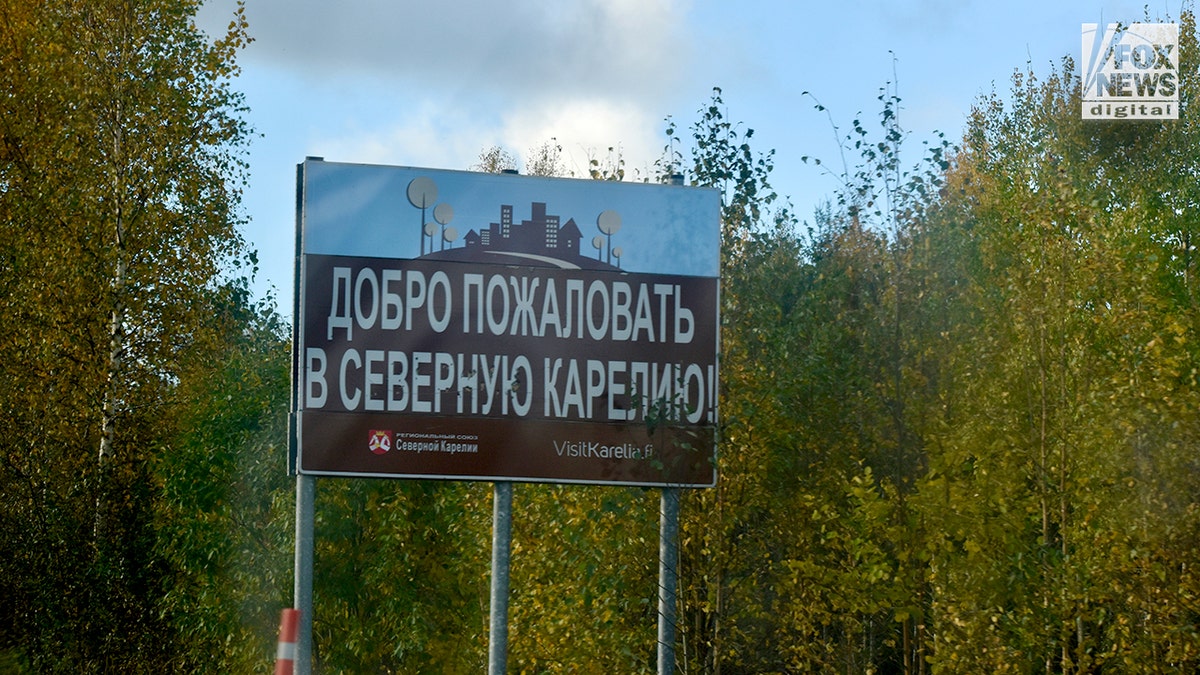
Finland has completed approximately 200 kilometers, or 124 miles, of fencing along parts of its 833-mile eastern border with Russia. The barrier is intended to supplement border closures and strengthen Finland’s ability to respond to what officials describe as Russian “hybrid warfare,” particularly the alleged use of migrants to create political and administrative pressure.
Petri Hakkarainen, political director for Finland’s Ministry for Foreign Affairs, said Russia has previously attempted to push migrants toward the Finnish border, forcing Helsinki to process large numbers of asylum claims. Finnish officials argue that a sudden, sustained influx could strain government institutions and destabilize society. In response, Finland closed its entire land border with Russia in 2023. Moscow condemned the decision as “Russophobic” and said it had replaced decades of pragmatic relations with an anti-Russian policy.
The border measures followed Russia’s full-scale invasion of Ukraine and Finland’s decision to join NATO in April 2023, ending its longstanding policy of military neutrality. Finnish officials said more than 1,300 migrants without visas arrived at the eastern border after the country joined the alliance, reinforcing their concerns that migration was being weaponized. The Kremlin denied the accusation.
Finland also enacted a temporary Border Security Act allowing authorities to restrict asylum applications and return migrants when a foreign power is believed to be using migration to destabilize the country. The law generated concerns about possible violations of human rights and international law, but Hakkarainen said national security and sovereignty carried greater weight.
The article presents Finland’s actions as part of a broader European response to Russian disinformation, economic coercion and other destabilization campaigns. Hakkarainen characterized Russia as a long-term threat not only to Ukraine and Europe, but to transatlantic security as a whole.
Entities: Finland, Russia, Petri Hakkarainen, Finnish Ministry for Foreign Affairs, NATO • Tone: analytical • Sentiment: negative • Intent: inform