17-08-2026
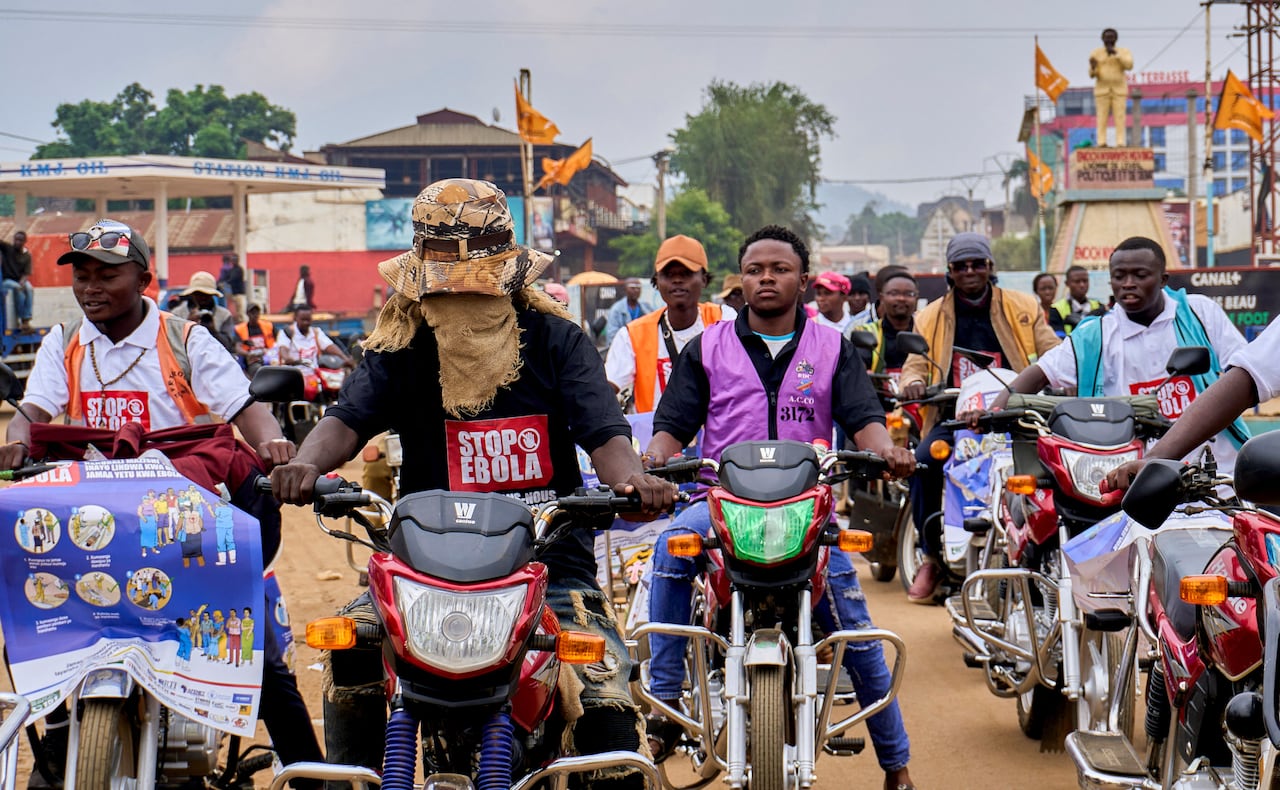
An Ebola outbreak in the Democratic Republic of the Congo (DRC) has become the deadliest in the country’s history, killing 2,325 people and surpassing the 2,299 deaths recorded during the 2018–2020 outbreak. The number of confirmed infections has reached 4,945, including 101 new cases reported in the previous 24 hours. The outbreak is also the country’s largest by number of cases and has been described by United Nations humanitarian chief Tom Fletcher as the fastest-growing Ebola outbreak on record.
The World Health Organization’s Director-General, Tedros Adhanom Ghebreyesus, warned that the outbreak could eventually exceed the 2014–2016 Ebola crisis in West Africa, which killed more than 11,000 people and intensified efforts to develop vaccines. The current DRC outbreak involves the Bundibugyo species of Ebola virus, for which no approved vaccines or treatments exist.
The outbreak was declared on May 15 and has expanded amid weak health infrastructure, remote communities, and ongoing conflict near the DRC’s borders with South Sudan, Uganda, and Rwanda. These conditions have made surveillance, contact tracing, treatment, and containment more difficult.
The case fatality ratio has increased sharply, from approximately 20 percent in early June to 46 percent, meaning nearly half of confirmed patients have died. Thomas Parisch of Doctors Without Borders said the trend is especially concerning because fatality rates would normally decline as patients are identified and treated earlier. Instead, many infections are being detected late, including after people die in their communities.
A limited number of experimental vaccines and therapies are being assessed, while global health authorities investigate whether existing Ebola treatments could provide protection. However, available evidence remains limited to animal studies, leaving the response dependent on urgent public-health measures and international support.
Entities: Ebola outbreak, Democratic Republic of the Congo, DRC National Public Health Institute, 2018–2020 DRC Ebola outbreak, Tom Fletcher • Tone: urgent • Sentiment: negative • Intent: inform
17-08-2026
The Democratic Republic of Congo’s ongoing Ebola outbreak has become the deadliest in the country’s history, with 2,325 deaths and 4,945 confirmed cases, according to government data. The death toll has surpassed the 2,299 fatalities recorded during the 2018–2020 outbreak, which previously held the country’s record. The current outbreak is also Congo’s largest by number of confirmed cases and is the country’s 17th Ebola outbreak.
The outbreak was formally declared on May 15 and has escalated rapidly. It reached 2,000 deaths in less than three months, compared with nearly five months for the 2014–2016 West African outbreak to reach 1,000 deaths. Only the West African epidemic, which caused 28,616 cases and 11,310 deaths across Guinea, Liberia and Sierra Leone, has been larger.
The current outbreak is caused by the Bundibugyo species of Ebola, for which there are no approved vaccines or treatments. Weak health infrastructure, community resistance and insecurity have hampered surveillance, contact tracing and access to care. The case-fatality ratio has risen from approximately 20 per cent in early June to 46 per cent. Experts say this increase does not necessarily mean the virus has become more lethal; rather, many infections are being detected late, sometimes only after patients die in their communities.
Experimental vaccines and therapies are being evaluated, but available evidence remains limited. The outbreak also previously spread to neighbouring Uganda, where officials contained it after 20 confirmed cases and two deaths. Health authorities remain concerned about further regional spread, while efforts continue to promote prevention and improve case detection and treatment.
Entities: Democratic Republic of Congo, Ebola outbreak, Bundibugyo species of Ebola, D.R.C. public health institute, World Health Organization • Tone: urgent • Sentiment: negative • Intent: inform
17-08-2026
The Ebola outbreak in the Democratic Republic of the Congo has become the deadliest recorded in the country, with at least 2,325 deaths and 4,945 confirmed cases, according to government data. The death toll has surpassed that of the country’s 2018–20 Ebola outbreak, while 101 new cases were identified in the 24 hours before the latest update.
The outbreak is also described as the fastest-growing known Ebola outbreak. It has spread across six of the DRC’s 26 provinces, primarily in the northeast, with more than 3,400 cases reported in Ituri province, where the outbreak began. Uganda has also reported at least 20 cases, all in Kampala. In May, the World Health Organization declared the outbreak in the DRC and Uganda a public health emergency of international concern.
The United Nations warned that “Ebola is winning” in the DRC and estimated that the epidemic was killing one person every 30 minutes. The current surge is caused by the rare Bundibugyo strain, for which there are no approved vaccines or treatments. Médecins Sans Frontières public health specialist Thomas Parisch said that cases are continuing to be detected late, often only after patients die in the community. This is preventing the case fatality ratio from falling as it normally would when contact tracing and early treatment improve.
The article explains that Ebola spreads from wild animals to people and then through contact with infected bodily fluids or contaminated materials. Symptoms can include fever, fatigue, muscle pain, headache and sore throat, followed by vomiting, diarrhoea, abdominal pain, rash, and signs of kidney and liver impairment. The scale and speed of the outbreak, combined with limited treatment options and delayed detection, have intensified the public-health emergency.
Entities: Ebola outbreak, Democratic Republic of the Congo, Ituri province, Bunia, Uganda • Tone: urgent • Sentiment: negative • Intent: inform