13-10-2026
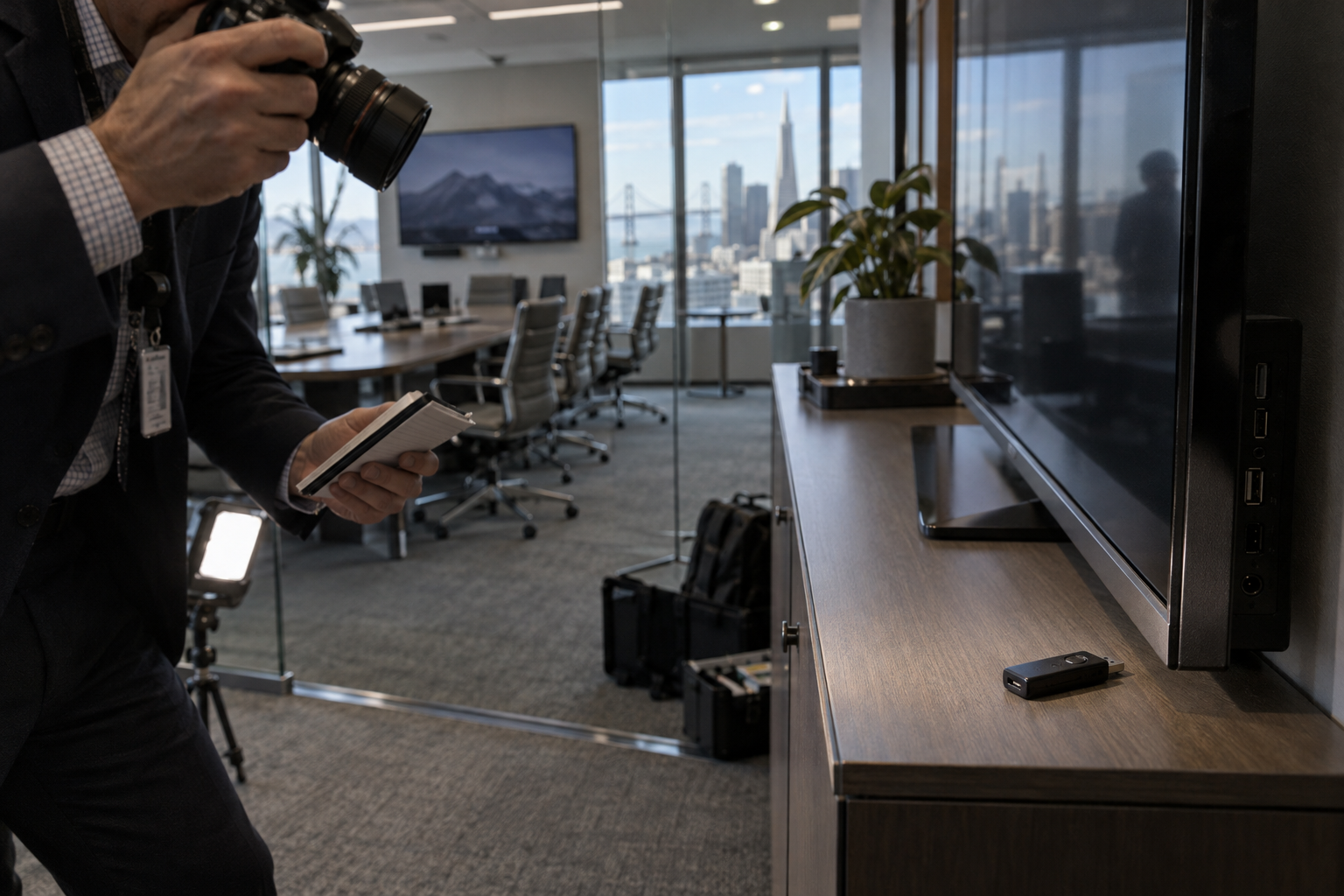
Saudi national Abdulrahman Alfozan, an engineer at OpenAI, has been charged in the United States with allegedly planting a covert recording device in the company’s San Francisco office. Federal prosecutors say the device was concealed in toilet paper and inserted into a USB port on a television in an executive conference room. OpenAI reported finding a “sophisticated recording device” on 30 September, two days after prosecutors allege it was installed, and alerted the FBI. The company said it used its AI models to help identify the device and determine that an employee had planted it. OpenAI said it had no indication that source code, model weights or customer data had been improperly accessed or taken, and confirmed Alfozan had been fired.
According to prosecutors and the FBI, Alfozan used a productivity tool and chatbot to research sensitive areas at OpenAI and ways to build, conceal, and remotely access audio-recording equipment. The alleged chatbot searches included questions about continuous recording, Wi-Fi connectivity, live listening and encrypting an SD card. Prosecutors also say he returned to inspect the device on 5 October; CCTV footage was used to link him to the scene. That day, OpenAI security staff reportedly found a similar recording device, along with Alfozan’s wallet and identification, in a bag he had left unattended elsewhere in the building.
FBI Director Kash Patel said the alleged purpose was to capture sensitive communications concerning the company’s AI product. Alfozan appeared in court on Tuesday. The article says it was unclear whether he had legal representation. If convicted, he could face up to five years in prison and a $250,000 fine. The allegations have not been established in court.
Entities: Abdulrahman Alfozan, OpenAI, San Francisco, California, Federal Bureau of Investigation (FBI) • Tone: neutral • Sentiment: neutral • Intent: inform
13-10-2026
A Saudi national employed as an OpenAI engineer, Abdulrahman Alfozan, was arrested by U.S. federal agents and charged with installing a covert audio-recording device in an executive conference room, according to the U.S. Justice Department. The device was found on September 30, plugged into a USB port behind a television in an OpenAI office in San Francisco. An FBI complaint says the thumb-sized recorder, which could connect to a camera, had been concealed in toilet paper and installed around September 28. Its stored data was encrypted and investigators could not access it. Authorities also found a similar customized device in Alfozan’s personal bag.
OpenAI said its internal AI models helped identify the person responsible and trace the device’s origins. The company said it had evidence that the employee intended to place additional recording devices in sensitive office areas. It reported no indication that he had improperly accessed or taken model weights, source code, or customer data, and said it had fired him. The FBI is continuing its investigation. The complaint also alleges that Alfozan used an AI productivity agent for about a month to seek information about meeting-room calendars and capabilities. He has been a U.S. legal permanent resident since 2020. If convicted, he could face up to five years in prison, a $250,000 fine, and three years of supervised release.
The case draws attention to security concerns surrounding sensitive AI research amid competition for advanced technology and talent. The article also notes other developments involving OpenAI: a report that it was in early, uncertain talks to acquire cybersecurity startup Trail of Bits, and the company’s recent firing of three researchers over alleged violations of sensitive-information policies. Those researchers publicly criticized the abrupt dismissals, saying they could create uncertainty and weaken a culture in which employees raise safety concerns.
Entities: Abdulrahman Alfozan, OpenAI, Federal Bureau of Investigation (FBI), U.S. Department of Justice, Kash Patel • Tone: analytical • Sentiment: neutral • Intent: inform
13-10-2026
OpenAI said an employee was arrested after a hidden recording device was found in a conference room at the company’s San Francisco offices. According to a criminal complaint filed in federal court, the device was discovered late last month, and the 35-year-old Saudi national, who worked as an engineer, was arrested on Friday. OpenAI reported the discovery to the FBI and fired the employee. The federal investigation is ongoing.
The suspect appeared in court on Tuesday and was charged with using or attempting to use an electronic, mechanical, or other device to intercept oral communications. The complaint does not specify what he intended to do with any recordings. It says he used a tool to look up OpenAI building addresses, meeting rooms, room capacities, and calendars.
OpenAI said its models helped identify the device and trace it to a particular employee. A company spokesperson said there was no indication that the employee had improperly accessed or taken model weights, source code, or customer data. The Justice Department said the suspect wrapped a USB device in toilet paper and concealed it inside a television in an executive conference room. Cameras reportedly recorded him near the room several times, although he was not authorized to attend meetings there. After that activity was noticed, an additional camera was installed and captured him checking on the concealed device.
Entities: OpenAI, ChatGPT, San Francisco, Federal Bureau of Investigation (FBI), US Department of Justice • Tone: analytical • Sentiment: negative • Intent: inform