13-10-2026
The article examines how a civil lawsuit over alleged sexual assault at Cornell University has renewed scrutiny of fraternity and sorority culture in the United States. In September, a woman identified as Jane Doe sued Cornell’s Chi Phi fraternity and seven members, alleging they gang-raped her at a party in October 2024. Cornell and Doe’s sorority, Delta Delta Delta, are also named as co-defendants. The allegations remain claims in a lawsuit. The article places the case in the broader history and social role of Greek life, describing fraternities’ origins in eighteenth-century men’s clubs and their evolution from groups emphasizing scholarship and character toward cultures that some historians say can reward athleticism, sexual status, recklessness, and loyalty to the brotherhood. That loyalty, critics argue, can encourage secrecy around conduct that violates rules or laws.
The article also considers how Greek organizations can reproduce social hierarchies. Experts point to membership costs, social expectations around appearance, and exclusivity as barriers that favor wealthier and conventionally attractive students. At the same time, networking can offer members career advantages: a 2021 survey cited in the article found higher rates of job placement among Greek-life members than nonmembers.
Hazing is presented as another concern. Though prohibited by law in most states, it can involve humiliating or dangerous initiation tasks, and its consequences can be fatal. The article recalls the 1873 death of Cornell pledge Mortimer M. Leggett, who fell into a gorge during a nighttime hazing-related exercise. Overall, it analyzes how exclusivity, initiation rituals, social status, and norms of brotherhood may shape harmful behavior, while noting that Greek organizations and their membership have changed over time.
Entities: Jane Doe, Cornell University, Chi Phi fraternity, Delta Delta Delta, North American Interfraternity Conference • Tone: analytical • Sentiment: neutral • Intent: analyze
13-10-2026
Cornell University has banned parties at fraternity houses for the remainder of the school year as it responds to criticism over its handling of an alleged sexual assault in 2024. A woman identified in a lawsuit as Jane Doe says she was given drugs and raped by several men at a fraternity party. Cornell President Michael Kotlikoff apologized for the harm she suffered and said the university must address students’ concerns about safety. Under the new policy, students who violate the party ban may be suspended. Cornell also plans to add staff to help survivors report sexual misconduct and access support, and to allow trauma-informed New York State Police officers to interview survivors who want to pursue criminal charges and prepare investigative summaries for law enforcement.
The case has drawn scrutiny over what Cornell provided to local prosecutors. Tompkins County District Attorney Matthew Van Houten said his office received a six-page statement signed by Doe and Snapchat messages advertising a sexual encounter with her. State officials have criticized Van Houten for not filing charges or personally interviewing victims and witnesses. New York Governor Kathy Hochul appointed Attorney General Letitia James to investigate.
Doe’s attorney, Thomas Giuffra, said the measures are helpful but came too late to protect his client, who he says left university after the alleged assault. Giuffra said Doe filed the civil lawsuit in an effort to improve Cornell and its response to abuse claims. Kotlikoff described the announced measures as the start of systematic change and said Cornell would bring in national experts to examine factors contributing to campus sexual violence and ways to promote responsible sexual citizenship.
Entities: Cornell University, Jane Doe, Michael Kotlikoff, Thomas Giuffra, Matthew Van Houten • Tone: analytical • Sentiment: negative • Intent: inform
13-10-2026
Cornell University has suspended all fraternity parties and events for the remainder of the 2026–27 academic year in response to mounting concern over an alleged sexual assault involving seven members of its Chi Phi fraternity. University president Michael Kotlikoff announced the measure Tuesday and warned that any fraternity holding an in-house party or social event would face immediate emergency suspension. He described the suspension as part of a broader effort to strengthen campus safety, support survivors, and address the social context of sexual violence at Cornell.
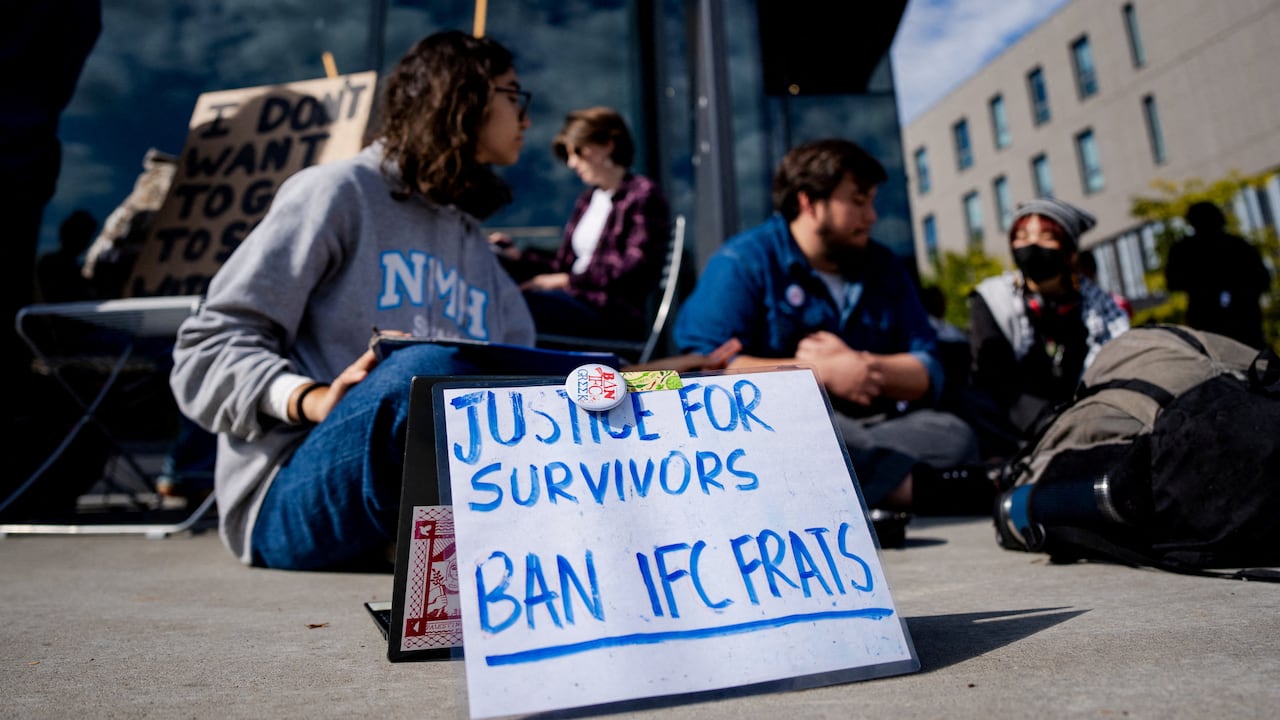
The case has drawn international attention and prompted protests and demands for accountability, including calls for Kotlikoff to resign. A woman identified in court documents as Jane Doe filed a lawsuit last month against Cornell and the seven men. She alleges that she was incapacitated and raped at the fraternity house over seven hours in October 2024. The allegations have prompted discussion about consent, sexual violence, and campus culture, as well as demonstrations at Cornell and in solidarity at the University of British Columbia.
New York Gov. Kathy Hochul appointed state Attorney General Letitia James as a special prosecutor earlier this month to investigate the case. Cornell has also appointed former U.S. deputy attorney general Sally Yates to review the university’s prevention and response practices for sexual harassment, sexual assault, and related misconduct, including its handling of Doe’s allegations.
Kotlikoff said Cornell would assign a dedicated case manager to help people reporting sexual misconduct navigate matters such as housing and academic accommodations. The university will also allow independent investigators from New York State Police to investigate campus sexual-assault allegations. The article notes that Cornell’s campus police, although they have full law-enforcement powers, are controlled by the university and generally investigate crimes reported on campus.
Entities: Cornell University, Michael Kotlikoff, Chi Phi fraternity, Jane Doe, Cornell 7 case • Tone: neutral • Sentiment: negative • Intent: inform
13-10-2026
Cornell University has suspended fraternity parties and social events in Interfraternity Council (IFC) houses for the remainder of the 2026–2027 academic year as it faces criticism over its handling of a 2024 alleged gang rape at a fraternity house. The allegations were described in a September lawsuit filed by a woman identified as Jane Doe, who says fraternity members gave her alcohol and drugs until she was intoxicated and then sexually assaulted her. The fraternity was suspended after she first reported the incident, and the university disciplined several students, but no criminal charges were filed.
The case has prompted protests across the United States and accusations that Cornell did not adequately punish those involved. University President Michael Kotlikoff expressed regret for the harm Jane Doe suffered and acknowledged that sexual violence occurred within the Cornell community. He said the party suspension would allow a thorough review of fraternity life and whether it can continue safely. Cornell has also imposed a zero-tolerance policy: fraternities that host in-house parties or social events will be suspended.
The university is taking additional steps while it reviews its response. It appointed former US Deputy Attorney General Sally Yates to conduct a comprehensive independent review, though Kotlikoff said Cornell could not wait for the review’s findings before acting. Planned measures include assigning a dedicated case manager to support people reporting sexual misconduct and involving New York State Police criminal investigators in future campus sexual-assault allegations. Kotlikoff said women on campus continue to question their safety and that the university must acknowledge its shortcomings and take meaningful action.
Entities: Cornell University, Jane Doe, Michael Kotlikoff, Sally Yates, Ithaca, New York • Tone: analytical • Sentiment: negative • Intent: inform