13-08-2026
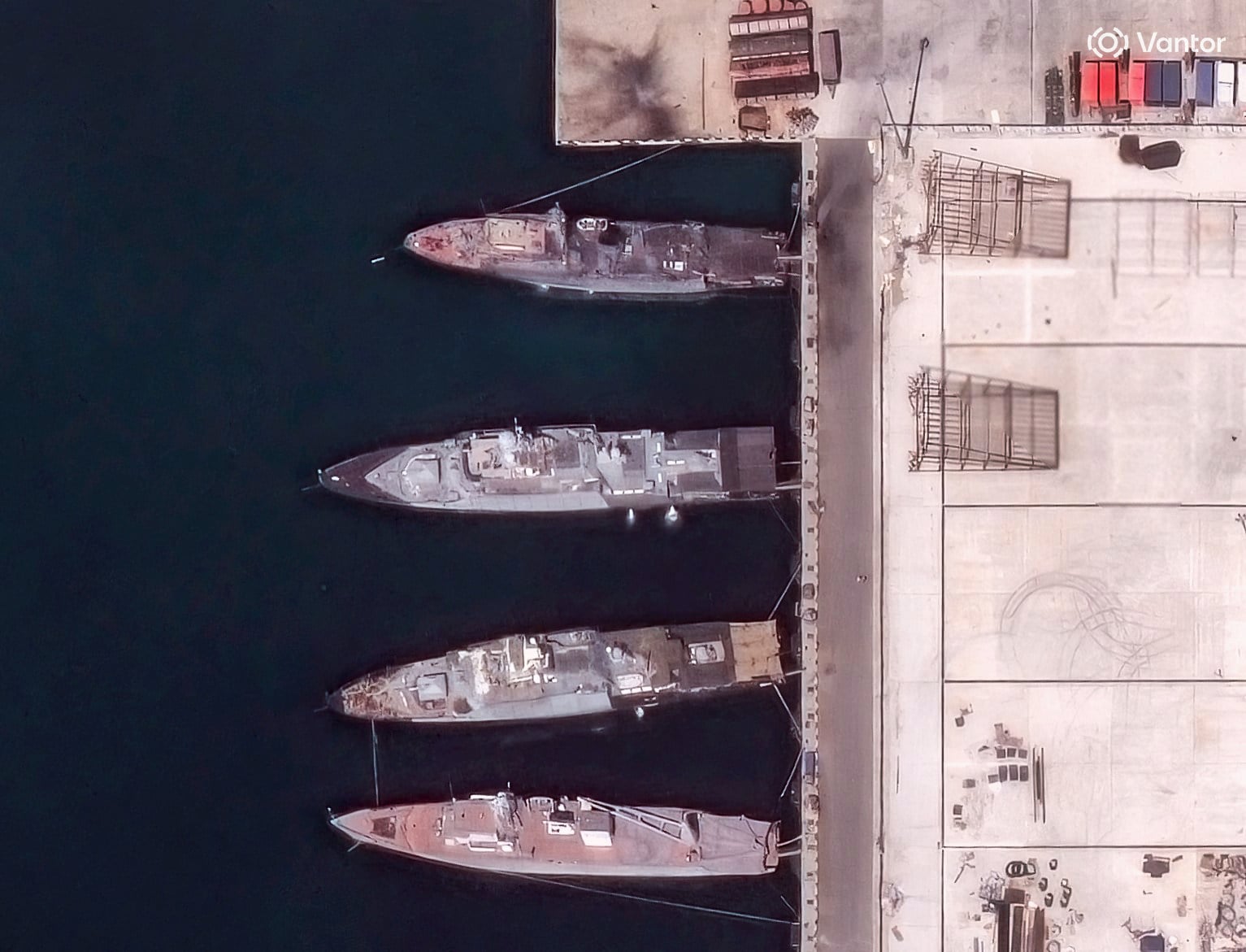
A large Ukrainian drone and missile attack on Russia’s Black Sea port of Novorossiysk reportedly damaged two major grain-export terminals and struck Russia’s principal remaining naval base in the region. Local officials said three people, including an eight-year-old child, were killed and 24 injured. Ukrainian President Volodymyr Zelensky said the operation used rockets, aircraft and naval drones, while Ukraine’s military claimed four Russian warships, including two frigates, were hit. Russia has not directly commented on the reported military damage.
Novorossiysk has become the main base for much of Russia’s Black Sea Fleet after Russian vessels were moved from Sevastopol in occupied Crimea because of repeated Ukrainian attacks. The strike also damaged pipelines and disrupted the city’s water supply, prompting authorities to declare an emergency. Drone debris killed another person elsewhere in the region, while hundreds of drones reportedly struck locations across Krasnodar, damaging dozens of buildings.
The attack affected Russia’s grain-export infrastructure. A major grain trader confirmed damage to its terminal, and another company reported similar damage. Russia’s agriculture ministry said it was redirecting cargo to ports in the Baltic and Caspian seas and to land routes because of logistical constraints. Analysts expect Russian wheat exports in August to fall by more than half compared with the average for the same month over the previous five years, owing to disruption in the Black and Azov seas.
The assault occurred amid intensified exchanges of strikes in the Black Sea. Russia launched its own overnight attacks on Ukraine, killing at least 11 civilians, mostly in Zaporizhzhia. The conflict is also threatening global grain supplies: Russia and Ukraine are major exporters to North Africa, the Middle East and Asia. The article recalls the collapse of the 2022 Black Sea Grain Initiative and reports that both sides accuse the other of endangering maritime trade and food security.
Entities: Ukraine, Russia, Novorossiysk, Black Sea Fleet, Volodymyr Zelensky • Tone: urgent • Sentiment: negative • Intent: inform
13-08-2026
The article describes a major Ukrainian drone and missile attack on Novorossiysk, a strategically important Russian Black Sea naval base and commercial export hub, alongside large-scale Russian naval exercises in the Pacific. Ukrainian President Volodymyr Zelenskyy said the operation targeted what he called the Russian fleet’s “last major stronghold” in the Black Sea. He claimed Ukraine used Palianytsia jet-powered drones, Neptune missiles and unmanned naval systems against Russian air defenses, piers and port infrastructure.
According to Russian industry sources cited by Reuters, the attack disabled two major grain terminals, raising concerns about disruptions to Russian agricultural exports. Chicago wheat futures reportedly rose about 3% amid the uncertainty. Russian officials said the wider attack killed at least two people, including an eight-year-old child, and damaged residential buildings, businesses and educational facilities. The city’s water supply was also suspended.
The attack follows earlier Ukrainian strikes that prompted Russia to relocate parts of its Black Sea Fleet from Crimea to Novorossiysk. The incident demonstrates how the war is increasingly affecting ports, naval infrastructure and international trade routes beyond the conventional front line.
At the same time, Russian President Vladimir Putin observed Pacific Fleet exercises from the missile cruiser Varyag near Sakhalin. He warned that Russia would retaliate if European countries seized Russian merchant vessels or property, describing such actions as “outright piracy.” The warning relates to European efforts to sanction and inspect vessels linked to Russia’s so-called shadow fleet, which is suspected of helping Moscow evade sanctions.
The Pacific exercises involved more than 13,000 personnel, approximately 60 ships and submarines, and about 30 aircraft, helicopters and unmanned systems. Russian forces conducted simulated anti-ship missile strikes from Kamchatka and the Kuril Islands. Putin also accused NATO of expanding its presence in the Asia-Pacific and Arctic regions. Together, the developments highlight the growing maritime dimension of the Russia-Ukraine war and the risk that attacks, sanctions enforcement and naval deployments could affect wider international shipping and security.
Entities: Ukraine, Russia, Novorossiysk, Black Sea Fleet, Volodymyr Zelenskyy • Tone: analytical • Sentiment: negative • Intent: inform
13-08-2026
Three of Russia’s largest grain terminals at the Black Sea port of Novorossiysk have suspended operations after a major overnight Ukrainian drone attack caused extensive damage to terminal infrastructure. The affected facilities include United Grain’s Novorossiysk Grain Plant, Demetra’s terminal and the KSK terminal. Damage reportedly includes the collapse of a loading gallery, damaged grain silos, destruction at another gallery and a truck-unloading facility, and other impacts that have made grain shipments from the port temporarily impossible.
The incident comes as Russia and Ukraine intensify attacks on Black Sea ports and commercial shipping. The two countries together account for more than a quarter of global wheat exports, making disruption at a major Russian export hub a potential threat to international food supplies. The attack also occurred during the current harvest season, increasing concern about the effect on grain availability and prices. Wheat futures in Chicago rose as much as 4 per cent on Wednesday, marking their largest intraday gain in three weeks.
The Russian government blamed Ukraine for worsening pressure on global food markets. Foreign Ministry spokeswoman Maria Zakharova said Ukrainian strikes against Russian grain and agricultural infrastructure were driving up food prices and aggravating grain shortages. She accused Kyiv of conducting a deliberate campaign to create “chaos in the global food market” and claimed that the attacks served the interests of certain Western countries.
The article presents the damage and market reaction while relying on unnamed sources familiar with the situation for details about the terminals. It does not provide an account from Ukraine or independent confirmation of the full extent of the damage, leaving the broader claims about responsibility and motive contested within the context of the Russia-Ukraine war.
Entities: Russia, Ukraine, Novorossiysk, Black Sea, United Grain’s Novorossiysk Grain Plant • Tone: urgent • Sentiment: negative • Intent: inform
13-08-2026
Ukrainian farmers are facing a severe financial and logistical crisis as Russian attacks have nearly halted agricultural exports through the Black Sea. Serhiy Rybalko, a farmer in Zhytomyr Region who already lost two-thirds of his land to Russian occupation in 2022, says his grain storage is nearly full and he has nowhere to sell his harvest. Ukraine exports about 90% of its wheat, corn and sunflower products through the Black Sea, making the disruption especially damaging during the peak wheat harvest and ahead of the corn harvest.
Agriculture generates nearly 60% of Ukraine’s export revenue, and the blockade threatens both the wartime economy and global food supplies. Ukraine produces about 6% of the world’s wheat and 11% of its corn, with many import-dependent countries in Africa and the Middle East relying on its shipments. Although global grain prices have risen because of fears of shortages, domestic Ukrainian prices have fallen as grain accumulates.
The crisis could also undermine next year’s harvest. Farmers need export income to buy fuel, pay workers, service loans and sow winter crops. Ukraine expects a grain harvest of approximately 60 million tons, but storage shortages could reach 11 million tons. The country’s grain corridor, established after Russia withdrew from a United Nations- and Turkey-brokered agreement in 2023, has been severely disrupted by more than 70 attacks on port infrastructure and 62 strikes on vessels in July and early August.
Alternative routes through neighboring countries, railways, roads and the Danube are now constrained by political tensions, stricter European Union trade rules, low river levels and attacks on rail infrastructure. Ukraine’s central bank estimates $2.5 billion in lost foreign-currency revenue, while farmers’ losses from higher logistics costs could reach $3 billion. Despite emergency government aid, farmers warn that continued export restrictions could threaten planting, farm solvency and future food production.
Entities: Serhiy Rybalko, Ukraine, Russia, Black Sea blockade, Ukrainian agricultural exports • Tone: urgent • Sentiment: negative • Intent: inform