04-11-2026
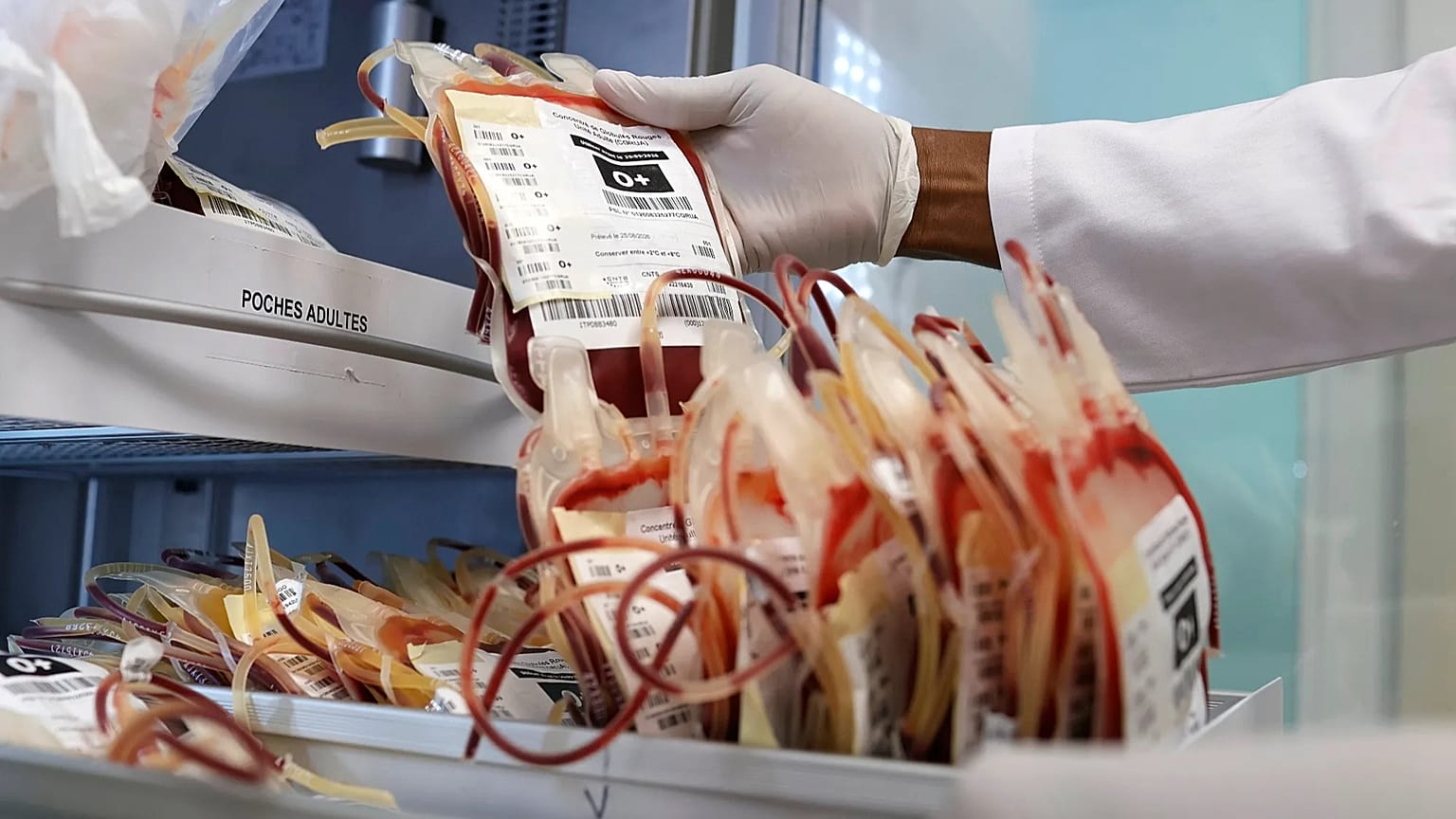
Cyber-attacks on freezer systems have affected blood-storage facilities in France, the French Blood Establishment (EFS) says. The attacks caused temperatures in cold rooms storing donated blood to rise, but staff intervened. EFS reported no health impact and no loss of blood products. Until this disclosure, the known targets of the freezer hacks had been supermarkets in several European countries.
Responsibility for the attacks remains unconfirmed. Russian hacktivist groups Noname057(16) and Z-Pentest Alliance claimed to have hacked Danfoss, a maker of freezer-control equipment, prompting speculation that they were behind the wider attacks. Cyber-security firms and analysts caution that this claim does not establish responsibility. They say possible culprits could include Russian or Iranian actors, state-backed hackers, or even teenagers, although the apparent coordination suggests a capable group. One firm also warns that the attacks could have been carried out by different groups or copycats across separate waves.
Researchers at three cyber-security companies are examining activity recorded by honeypots—decoy systems designed to attract hackers and reveal their methods without exposing real systems. Evidence indicates that the second wave of attacks, which affected multiple European countries, was targeted and planned. Ryan Dewhurst of Previdian says attackers likely gathered public IP addresses for vulnerable devices and timed temperature changes overnight to maximize damage. Lupovis reported scanning activity against its fake freezer systems in Europe, but not in Africa or South America, and said even its Ukraine-based decoys were not targeted.
Sekoia observed scanning before the second wave but says it may have been automated and not malicious. Its report says the activity could align with Russian actors or Iranian-aligned hackers, who have previously targeted exposed industrial control systems. Sekoia cites compromised Danfoss controllers in Israeli supermarkets in 2022 and reports that freezers at US military bases were forced into defrost mode in August, though the controller models remain unconfirmed. Authorities in several countries are investigating and warning supermarkets, but no formal attribution has been made.
Entities: French Blood Establishment (EFS), Danfoss, Noname057(16), Z-Pentest Alliance, Ryan Dewhurst • Tone: analytical • Sentiment: neutral • Intent: inform
04-11-2026
A cyberattack targeted refrigeration equipment at three French Blood Establishment (EFS) sites storing plasma, attempting to raise temperature and defrosting settings to extremely high levels. EFS said monitoring systems detected the changes on Monday, allowing staff to intervene before any blood products or samples were damaged. Plasma intended for transfusions and for manufacturing medicines was transferred or secured, and the organization reported no health consequences or lost products. Blood collection and distribution continued without interruption. French authorities are investigating, but the Health Ministry has not identified who may have been responsible. The refrigeration-equipment supplier, Coolworld, said the reported vulnerability involved a component supplied by a third party and was outside its direct control; it said only a limited number of units were affected and that it was taking appropriate measures. The incident follows attacks on refrigeration systems at hundreds of supermarkets and independent stores in France, Belgium, and the Netherlands in mid-October. Ahold Delhaize, a Dutch supermarket chain affected in that episode, warned that the attack could reduce fourth-quarter sales by up to $281 million and operating income by more than $112 million. CEO Franz Muller said most disruption had been contained within two weeks, though restoration work continued, and described cyber threats as an increasingly harsh reality of business. The blood-bank attack and the supermarket incidents have renewed concerns about the security of critical infrastructure and internet-connected devices.
Entities: French Blood Establishment (EFS), France, Le Canard Enchaîné, Coolworld, France’s national cybersecurity agency • Tone: analytical • Sentiment: neutral • Intent: inform
04-11-2026
Cyberattacks on grocery-store refrigeration systems in Europe have spoiled food and caused financial losses, following a similar incident in France the previous month. France’s national emergency blood supply network was also compromised, but alerts and backup systems prevented cold-storage facilities from shutting down and no blood supplies were lost. These events have renewed concern about the security of both critical infrastructure and ordinary internet-connected devices in homes.
Cybersecurity experts interviewed by CBS News say smart appliances—including fridges, televisions, cameras, locks, heating systems and ovens—are small computers and may be vulnerable to weak or reused passwords, outdated software and security flaws in widely sold models. If compromised, a device may be used for functions it is already authorized to perform, such as turning off heating, unlocking a door or disabling a camera. Cameras and microphones could expose people’s routines or conversations, while a hacked device might provide a route into other devices on the same home network and expose personal or financial information.
Experts warn that attacks on large numbers of identical devices could be more consequential than attacks on individual households. The 2016 Mirai malware infected hundreds of thousands of connected devices, including routers and cameras, and used them to launch large-scale cyberattacks. George Loukas cautioned that artificial intelligence could make similar operations easier to carry out and lower the level of skill needed to cause disruption at scale.
The experts say ordinary households are unlikely to be deliberately singled out, recommending awareness rather than panic. Practical safeguards include changing default passwords, enabling two-factor authentication where available, installing software updates and retaining manual control over essential systems. Consumers are also encouraged to consider whether a device needs an internet connection and what might happen if it were hacked.
Entities: France, Oxford Brookes University, University of Greenwich, University of the West of England, Dr. Manny Niri • Tone: analytical • Sentiment: negative • Intent: warn
04-11-2026
The French Blood Establishment (EFS) said that several of its facilities were affected by a cybersecurity incident involving remotely altered refrigeration controls. Cold-storage units operated by external providers at three EFS sites held blood products and samples; attackers reportedly raised temperature and defrost thresholds to excessively high levels. The affected equipment was used to store blood products before delivery to healthcare facilities, samples for EFS biobanks, and frozen plasma used for transfusions and for manufacturing medicinal products.
EFS said its monitoring and alarm systems detected the anomalies quickly. Depending on the circumstances, equipment was either brought under control without affecting its contents or taken offline, and samples were moved to other facilities. The organization reported that no blood products or samples were lost and that no health impact had been identified. It is coordinating with France’s National Cybersecurity Agency (ANSSI) and the Ministry of Health, while increasing equipment monitoring.
The incident is part of a broader wave of attacks on refrigeration systems in Europe. Hundreds of supermarkets in France and other countries—including Belgium, Sweden and Finland—had fridges remotely hacked and temperatures raised, potentially spoiling food worth millions of euros. The French Health Ministry said the situation at EFS was under control and being closely monitored, and credited monitoring and alarm systems and immediate precautionary measures with preserving the safety of blood supplies.
Entities: French Blood Establishment (EFS), French National Cybersecurity Agency (ANSSI), French Ministry of Health, France, Belgium • Tone: neutral • Sentiment: neutral • Intent: inform
04-11-2026
French blood banks were among the targets of cyberattacks on refrigeration systems in several European countries on Sunday and Monday, French authorities said. The French Blood Establishment (EFS) reported that an incident involving a refrigeration service provider affected controls at three cold-storage sites holding plasma and blood samples. The attack attempted to drive refrigerator temperatures to extremely high levels, but monitoring and alarm systems detected the anomalies and staff intervened before any products were damaged. The EFS said the plasma was transferred or otherwise secured, no blood products or samples were lost, no health consequences had been identified, and distribution operations continued without interruption.
The French weekly newspaper Le Canard Enchaîné first reported that the refrigerators had been programmed to reach 110°C (230°F), instead of the required -30°C (-22°F). France’s cybersecurity agency and Health Ministry said an investigation was underway but did not identify a suspected perpetrator. The Health Ministry said remote access to the affected refrigerators had been disabled and credited monitoring and alarms with protecting the blood supply. Coolworld, the refrigeration equipment supplier, said the vulnerability involved a component supplied by a third party and was outside its direct control.
The incident occurred amid attacks on supermarket refrigeration systems in several European countries, including France and Germany. Those attacks destroyed large quantities of frozen food and followed a similar incident at dozens of French supermarkets three weeks earlier. The resulting losses have cost retailers millions of euros. Dutch supermarket chain Ahold Delhaize said it expected an October cyberattack to reduce quarterly sales by as much as €250 million ($281 million). Its CEO, Franz Muller, said most disruption had been contained within two weeks, although efforts to restore normal operations were continuing.
Entities: French Blood Establishment (EFS), France, Germany, Le Canard Enchaîné, France’s cybersecurity agency • Tone: neutral • Sentiment: neutral • Intent: inform
04-11-2026
A cyberattack targeting a supplier of refrigeration equipment affected three cold-storage sites operated by the French Blood Establishment (EFS), which stores plasma for transfusions and for the manufacture of medicines. On Monday, temperature and defrosting thresholds at the sites were raised to extremely high levels, authorities said. The EFS reported that monitoring and alarm systems quickly detected the unusual settings, allowing staff to respond before any blood products or samples were compromised. Plasma products were either transferred or secured, and the EFS said there were no health consequences and no products were lost. Blood collection and distribution continued without interruption, so services to patients at hospitals and other healthcare facilities were maintained. France’s national cybersecurity agency and the Health Ministry are investigating the incident. The attack followed reports that supermarket refrigeration systems in several European countries had been remotely taken over, warming fridges and freezers and causing large quantities of food to spoil, with losses of millions of euros. The article presents the blood-bank incident as a successfully contained threat to critical health-related storage, while noting that the investigation is ongoing.
Entities: French Blood Establishment (EFS), France, France’s national cybersecurity agency, French Health Ministry, plasma • Tone: neutral • Sentiment: neutral • Intent: inform
04-11-2026
A cyberattack targeting a refrigeration service provider affected monitoring and control systems at three French sites storing donated blood products, the French Blood Establishment (EFS) said Wednesday. The attack occurred Monday. According to French magazine Le Canard Enchaîné, which first reported the incident, the cold stores were programmed to reach 110°C instead of -30°C. The facilities’ alarm and monitoring systems helped avert harm: EFS reported no loss of blood products and no health impact. Blood collection and distribution continued without interruption, maintaining supplies for hospitals and other healthcare facilities.
The incident is part of a wider wave of suspected cyberattacks on refrigeration systems in Europe. Recent attacks on supermarket refrigerators caused disruption, prompting concern about the security of connected infrastructure and the food supply. On Wednesday, French cooperative bank Crédit Mutuel Arkéa also reported a similar attack that enabled fraudulent transactions. The bank said the incident had been contained, operations were resuming, and clients’ money and assets were unaffected.
Separately, Dutch retail conglomerate Ahold Delhaize said a cyberattack last month affecting stores in the Netherlands, Belgium and the United States could reduce its fourth-quarter sales by as much as €250 million ($281 million), according to AFP. French Health Minister Stéphanie Rist’s office said safety systems protected the blood supplies. The health ministry and France’s national cybersecurity agency opened investigations into the blood-storage incident; authorities had not identified who was responsible. Despite the apparent disruption, officials said patient services and blood-product distribution remained uninterrupted.
Entities: French Blood Establishment (EFS), France, European supermarket refrigeration systems, Credit Mutuel Arkéa, Ahold Delhaize • Tone: neutral • Sentiment: negative • Intent: inform
04-11-2026
Hackers attacked temperature-control systems at three regional blood banks in France, reportedly attempting to raise freezer temperatures from about -22 degrees Fahrenheit to 230 degrees. The French health ministry confirmed that the attack targeted cold-storage monitoring and control systems. The French Blood Establishment (EFS) said staff responded to alerts and moved the blood supplies into refrigerators that were not connected to the compromised systems. According to EFS spokesperson Charley Dubois, round-the-clock staffing helped ensure that the life-saving blood was rescued. The equipment was back under control by Wednesday, and remote access to the refrigerators was disabled.
The incident is part of a broader series of attacks on internet-connected refrigeration equipment in Europe. A large-scale cyberattack affected store refrigerators in eight countries, including Sweden, Belgium, Luxembourg and Estonia, with freezer temperatures reportedly raised to 122 degrees Fahrenheit and groceries spoiled. The article also cites earlier attacks in France that affected hundreds of supermarket refrigerators, resulting in fires and food losses. Separately, the Pentagon said it was treating a freezer malfunction at six military bases in August as a potential cyberattack.
Investigations are underway to determine how the attackers accessed the systems and when the affected equipment can safely return to service. The incidents have heightened concern within the European Union about vulnerabilities in critical infrastructure, amid an increase in suspected Russian sabotage attacks. Unlike the supermarket losses, the blood-bank supplies were reportedly saved through staff intervention.
Entities: French blood banks, France, French health ministry, French Blood Establishment (EFS), Charley Dubois • Tone: urgent • Sentiment: negative • Intent: inform
04-11-2026
A cyberattack affected cold-storage monitoring and control systems at three regional facilities of the French Blood Establishment (EFS) overnight from Nov. 1 to 2. France’s health ministry said the incident did not affect blood supplies. EFS spokesperson Charley Dubois explained that staff received alerts, worked around the clock, and moved blood to refrigerators that were not connected to the affected systems, allowing operations to continue safely.
The incident occurred at roughly the same time as attacks on supermarket refrigerators in eight European countries, from Sweden to Belgium. Retailers were forced to discard large quantities of food. The attacks recalled a separate incident in France three weeks earlier, when hackers reportedly took control of cooling units at hundreds of supermarkets, resulting in fires and food losses.
By Nov. 4, the health ministry said the situation at the blood-bank facilities was under control and remote access to the affected refrigerators had been disabled. Investigators are examining how the attack was carried out, which equipment may have been affected, and when the systems can safely return to service.
The incidents have heightened concerns in the European Union about vulnerabilities in connected infrastructure, particularly as security tensions have grown since Russia’s 2022 invasion of Ukraine. The article reports no confirmed cause or attribution for the attacks and says investigations remain ongoing.
Entities: French Blood Establishment (EFS), Charley Dubois, France, European Union, Sweden • Tone: analytical • Sentiment: neutral • Intent: inform
04-11-2026
A cyberattack targeted refrigeration equipment at three French plasma-storage sites, raising temperature and defrosting thresholds to levels that could have endangered stored blood products and samples. The affected equipment was supplied to the French Blood Establishment (EFS), the organization responsible for France’s blood collection and distribution network. EFS said monitoring and alarm systems detected the unusual changes quickly, enabling staff to intervene before any products were damaged. No blood products were lost, and authorities reported no health consequences. As a precaution, products and samples in the affected equipment were secured or transferred to other facilities. The sites stored plasma for transfusions as well as plasma used to manufacture medicines. EFS said the incident affected only a limited number of sites, but further technical information from its service provider is needed to determine the full extent. It has not identified the origin of the attack or those responsible. The incident comes amid a broader campaign targeting refrigeration systems in Europe. Supermarkets in several countries have reported food spoilage after attackers remotely tampered with refrigerators and freezers, causing losses worth millions of euros. Despite the attack, EFS said its collection and distribution operations continued without interruption, maintaining supplies to hospitals and other healthcare facilities. The organization has increased monitoring of refrigeration equipment across its network. France’s national cybersecurity agency, ANSSI, and the health ministry are investigating.
Entities: French Blood Establishment (EFS), France, ANSSI, French health ministry, Sky News • Tone: neutral • Sentiment: neutral • Intent: inform