04-11-2026
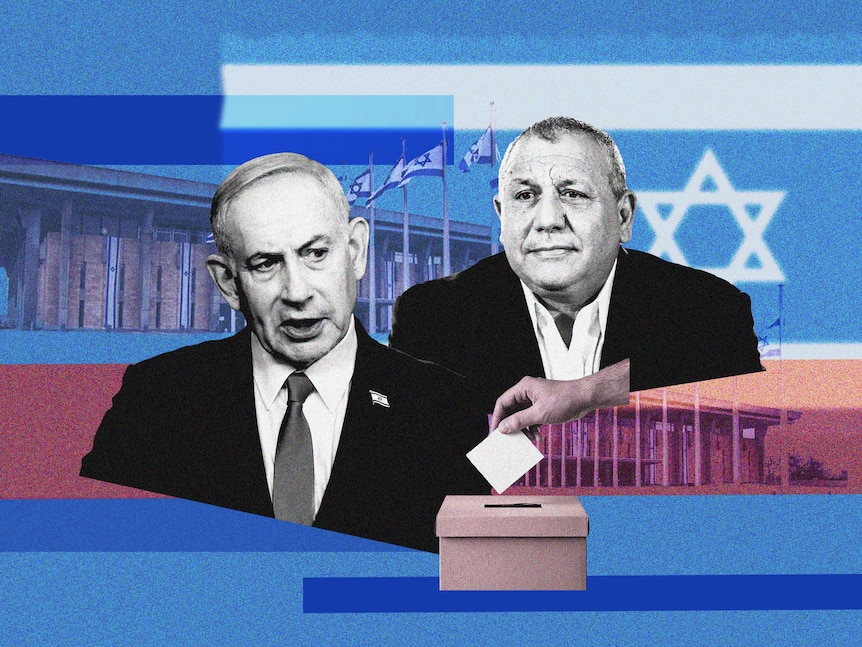
Israeli President Isaac Herzog has accepted last week’s parliamentary election results as certified and legally binding, following an election commission review that found no evidence of fraud or irregularities capable of affecting the outcome. The findings contradict Prime Minister Benjamin Netanyahu and supporters who have made unsubstantiated allegations that Arab-led parties stole the election, possibly with foreign help. Netanyahu’s religious-nationalist bloc lost its parliamentary majority, but opposition leader Gadi Eisenkot’s bloc also failed to win enough seats to form a government. Arab-led parties gained a record 19 of the Knesset’s 120 seats, up from 10 in the previous election.
The election commission said it examined complaints individually and thoroughly, and that the results accurately represent voters’ choices. A separate Shin Bet investigation into possible foreign interference remains underway. An intelligence assessment cited at a private committee meeting alleged substantial funds had entered Israel from foreign states, including hostile countries, but provided no evidence. Election committee head Supreme Court Justice Noam Sohlberg reiterated that any suspected interference had not been shown to affect the result and warned that casting doubt on elections could damage public trust.
The Shin Bet reportedly sought permission to question elected officials, including Ra’am leader Mansour Abbas, but Attorney General Gali Baharav-Miara rejected the request, saying there was no evidence to justify interrogating them. Arab party representatives described the move as incitement. Herzog said the investigation should continue while warning against smearing Arab Israeli voters and condemning racist rhetoric.
Herzog will consult with elected parties before choosing the candidate he considers best placed to form a coalition, likely Netanyahu or Eisenkot. The political deadlock could lead to an alliance between the rivals, an Eisenkot-led arrangement involving Arab parties, or another election early next year if neither can form a government.
Entities: Isaac Herzog, Benjamin Netanyahu, Gadi Eisenkot, Israel, Knesset • Tone: analytical • Sentiment: neutral • Intent: inform
04-11-2026
Benjamin Netanyahu’s ability to remain prime minister is uncertain after Israel’s final election count left his bloc with 53 seats in the 120-member Knesset, short of the 61 needed to form a government. The opposition alliance led by Gadi Eisenkot won 48 seats, while the predominantly Arab Joint List and Ra’am parties secured a combined 19, potentially giving them a decisive role in the formation process. President Isaac Herzog is beginning consultations with party leaders and will decide which lawmaker to ask to form a government. A Joint List source told Fox News Digital that the alliance is likely to recommend Eisenkot, whose nomination could be backed by parties representing more than 61 seats. If chosen, he would have 28 days to form a government, with a possible 14-day extension.
Netanyahu criticized the prospect of a government dependent on the Arab parties, saying they support terrorism and reject the existence of the Jewish state. He said he was open to discussions with parties that do not support terrorism and called for a broad government with his partners. Commentator Amir Oren said Herzog would be inclined to select the candidate backed by parties representing a Knesset majority, which could mean tasking Eisenkot with forming a government. That would not ensure success, however.
Eisenkot may struggle to unite the opposition. Naftali Bennett and Avigdor Liberman are unlikely to join a government dependent on the Joint List, given its pro-Palestinian positions and opposition to Zionism. One possible alternative is a minority government supported from outside the coalition by Arab parties. Although Israel has not formed a minority government immediately after an election, parties have previously withdrawn from coalitions while continuing to support governments from outside. The article also reports that Religious Zionism-Zehut, Otzma Yehudit and Shas confirmed they would—though the supplied text cuts off before stating what they would do.
Entities: Benjamin Netanyahu, Isaac Herzog, Gadi Eisenkot, Israel, 26th Knesset • Tone: analytical • Sentiment: neutral • Intent: inform
04-11-2026
After Israel’s Oct. 27 election produced no clear governing majority, President Isaac Herzog began consultations with political parties on Nov. 4 to decide whom to invite to form a government. Prime Minister Benjamin Netanyahu’s bloc holds 53 of the Knesset’s 120 seats, ahead of opposition leader Gadi Eisenkot’s Yashar-led bloc with 48, but neither reaches the 61 seats needed for a majority. Herzog, whose office is largely ceremonial, has discretion over the first mandate and has indicated he wants to explore every option and avoid another election. His consultations begin with smaller parties, with meetings with Likud and Yashar scheduled for the second day; he may also hold further discussions or explore a unity government.
Eisenkot could potentially reach a majority with support from Arab-majority parties, whose combined representation rose to 19 seats. However, some opposition figures are reluctant to depend on Arab lawmakers. Netanyahu has urged a broad coalition excluding Arab parties and accused them of electoral wrongdoing. Israel’s attorney general asked the Shin Bet to report on its investigation into fraud allegations, although no evidence had been submitted. Arab-Israeli leaders rejected the claims, and Eisenkot accused Netanyahu’s party of attacking democracy.
The political standoff reflects deeper divisions after three years of war and Netanyahu’s hard-right government. Netanyahu, Israel’s longest-serving prime minister, faces corruption charges and could lose the immunity associated with remaining in power. He has also threatened renewed full-scale war on Iran. Opposition leaders say they will move quickly to remove him, while rejecting his proposed unity government and citing his responsibility for failing to prevent the Oct. 7, 2023 Hamas attack. Under the process, a candidate given the mandate has 28 days, with a possible 14-day extension, to form a government. If successive efforts fail, lawmakers get a further chance to nominate a candidate; otherwise, Israel would hold another election. The country held five elections between 2019 and 2022 after previous deadlocks.
Entities: Isaac Herzog, Benjamin Netanyahu, Gadi Eisenkot, Israel, Jerusalem • Tone: analytical • Sentiment: negative • Intent: inform