02-11-2026
The article examines why Democrats may fail to take control of both chambers of Congress in the 2026 U.S. midterm elections, despite strategists’ expectations that they are likely to win the House. Republicans are considered vulnerable in numerous House districts, and the party of the president has historically lost House seats in most midterms. Donald Trump’s low approval rating also appears to favor Democrats. The Senate presents a more difficult challenge: Democrats need to gain four seats for a majority, but the electoral map gives them few opportunities. Many Republican-held seats are in states Trump won decisively in 2024, so Democrats would need substantial shifts in states such as Ohio, Iowa, Texas, Alaska or Kansas.
The article outlines several obstacles. First, the Senate map is unfavorable to Democrats. Second, polling may underestimate Republican support, as polling in the Trump era has sometimes missed the eventual Republican vote; close surveys within the margin of error cannot reliably identify a leader. Third, the outcome will depend on turnout. Democrats may be more motivated to oppose Trump, but they need independent voters and must make a persuasive case for voting for them—not merely against Republicans. Fourth, Republicans and allied groups have spent more on campaign advertising than Democrats, including substantial spending by Elon Musk. The Texas Senate contest between Republican Ken Paxton and Democrat James Talarico is described as exceptionally expensive. The supplied article text ends during a promotional video description, before giving the fifth reason, so that reason cannot be identified from the provided content.
Entities: Democratic Party, Republican Party, U.S. Congress, 2026 U.S. midterm elections, U.S. Senate • Tone: analytical • Sentiment: neutral • Intent: analyze
02-11-2026
As U.S. voters prepare for the midterm elections, consumer pessimism and anger over the economy are sharply at odds with strong headline economic indicators. The University of Michigan’s long-running Index of Consumer Sentiment has fallen below levels recorded during major recessions, and 74 per cent of Americans now say the government is doing a bad job managing the economy. Labour economist Kathryn Anne Edwards describes the decline as unprecedented and says it indicates that, at a fundamental level, the economy is failing households.
Yet the U.S. economy is growing quickly: GDP expanded at an annual rate of 3.8 per cent in the July-to-September quarter, retail sales and AI investment are rising, stock markets are at record highs, and layoffs and unemployment remain low. The article explains the disconnect by noting that many people experience “the economy” primarily as inflation. Higher prices can outweigh positive reports about employment, housing, or markets in voters’ everyday lives.
The article identifies tariffs and the U.S.-led war with Iran as major contributors to that frustration. Gasoline prices rose after the war began, making the impact visible even to people who do not drive. Inflation has reached 3.7 per cent, and economists expect it may rise further. A New York Federal Reserve study estimated that, by February 2026, tariffs had added 2.9 percentage points to goods-price inflation; without tariffs, goods prices would have fallen slightly. Edwards says consumer sentiment fell sharply after tariffs were introduced and again when the war began, suggesting voters connect policy choices with higher costs.
Voters will carry those concerns into the midterms. If polling proves accurate, the elections could substantially change control of Congress. However, whether a new Congress would take steps to reduce tariffs affecting Canadians remains uncertain.
Entities: Donald Trump, Peter Armstrong, Kathryn Anne Edwards, University of Michigan Index of Consumer Sentiment, U.S. midterm elections • Tone: analytical • Sentiment: negative • Intent: analyze
02-11-2026
The article explains the purpose and stakes of the 2026 US midterm elections, scheduled for Tuesday, 3 November. Midterms occur halfway through a president’s four-year term and do not determine who occupies the White House: Donald Trump will remain president regardless of the result. Instead, voters will elect all 435 members of the House of Representatives and 35 of the Senate’s 100 members. Gubernatorial elections in 36 states, along with thousands of state and local contests, will also take place.
The central national question is whether Republicans can keep their narrow majorities in both chambers of Congress. Democrats need a net gain of four seats in each chamber to take control. If Republicans retain both, Trump would have a clearer path to passing legislation and advancing his domestic agenda. Results will arrive at different times as polling stations close across the country, with initial results expected after East Coast polls close. European viewers can expect the first results during the night between Tuesday and Wednesday.
The article identifies Maine, Ohio, North Carolina, Iowa and Georgia as important states in closely contested Senate races. The House contest is spread across all 435 seats, with control potentially decided by a small number of closely fought districts. Beyond congressional control, the elections are widely viewed as a referendum on Trump’s first two years in office. Voters’ views on the cost of living, the economy, immigration and foreign policy may influence the outcome. The results will indicate public support for Trump’s policies and help shape the political landscape ahead of the 2028 presidential election.
Entities: 2026 US midterm elections, Donald Trump, United States Congress, House of Representatives, US Senate • Tone: analytical • Sentiment: neutral • Intent: inform
02-11-2026
France 24’s The Debate examines whether the 2026 US midterm elections will test the strength of American democracy and how the president and his administration might affect the process. The program asks how far President Donald Trump might go if Republicans lose, pointing to his campaign promises framed around a Republican victory and the Justice Department’s involvement in election races. It raises questions about ballot counting and the possibility of pressure from the White House on electoral outcomes.
The discussion is placed in the context of Trump’s earlier “stop the steal” rhetoric and the January 6, 2021 storming of the US Capitol. It also highlights the structure of US elections: individual states, rather than the federal government, organize them, making the midterms a stress test for that decentralized system. Other issues include who controls political communication across traditional media and digital platforms, the role of AI in campaigning, and the consequences of court decisions that have substantially weakened campaign-finance restrictions.
The program compares the current election with 2024, when Democrats argued that democracy was at stake but many swing voters prioritized economic concerns and supported Trump. It asks whether democracy is genuinely a central issue in this midterm election—and, if so, how much it matters to voters. The page presents these topics as questions for debate rather than reporting conclusions or providing answers.
Entities: Donald Trump, France 24, The Debate, 2026 US midterm elections, Republican Party • Tone: analytical • Sentiment: neutral • Intent: analyze
02-11-2026
The article examines how the US economy and voters’ financial concerns are shaping the 2026 midterm elections, presenting polling and economic indicators across five broad areas: consumer confidence and spending, inflation, fuel prices, interest rates and housing, and the stock market. Polls show that the economy and cost of living are highly important to voters, while approval of President Donald Trump’s handling of the economy and living costs is low. Many Americans also believe tariffs have harmed both the economy and household budgets.
Consumer confidence improved somewhat in October as petrol prices eased, but remains on a persistent downward trend. Consumers report frustration with the cost of groceries, goods and fuel and expect to spend less over the coming months. Still, consumer and business spending helped US GDP grow at a 3.4 per cent annual rate in the third quarter, indicating resilience despite the energy shock associated with the war with Iran.
Inflation, which had fallen from its 2022 peak, has picked up again following broad tariffs and rising energy costs. In September, inflation reached 3.7 per cent, with petrol accounting for nearly half of the monthly increase. The article links higher energy prices to the prolonged closure of the Strait of Hormuz and to Ukrainian strikes on Russian refineries. Average petrol and diesel prices are substantially higher than a year earlier.
Higher inflation expectations, government borrowing and heavy investment in artificial intelligence have also affected bond yields. Mortgage rates remain above their level a year ago, adding pressure to housing costs. Meanwhile, the S&P 500 has risen more than 10 per cent this year and reached a record, driven in part by AI-related investment and major technology firms. The article describes the result as a K-shaped economy: asset-owning, higher-income households benefit from rising stock values, while workers face increasing living costs.
Entities: Donald Trump, United States, 2026 US midterm elections, Gallup, Ipsos • Tone: analytical • Sentiment: neutral • Intent: analyze
02-11-2026
The article reports how rising living costs are affecting Americans in Lansing, Michigan, and may influence the 2026 midterm elections. Through interviews with residents and small-business owners, it describes people cutting back on everyday purchases, struggling with fuel costs, and postponing major life decisions. Nicholas Kolacz, a delivery driver, now buys coffee only once a week despite previously visiting a cafe several times weekly. He says rent and bills leave him with little discretionary income and that he measures purchases against the hours he must work to afford them.
Cafe owner Trisha Kosloski says delivery expenses have risen and coffee-bean prices jumped after President Donald Trump introduced tariffs on countries that grow coffee. Tariffs on Canadian goods also affected beans roasted in Canada. She says costs have squeezed profit margins and forced her and many employees to take second jobs. The article contrasts the price of coffee with the federal minimum wage and notes that prices did not fall substantially after some tariffs were ruled unconstitutional.
Fuel is another major burden. Gasoline is around $4.30 per gallon, roughly a dollar above its 2025 average. Students and families describe limiting how much they fill their tanks and finding that driving long distances can cost more than flying. A small-business owner whose plumbing company uses several trucks says the increase has been significant. Other residents say high rent, utilities, and related expenses make moving out of the family home unaffordable.
The article connects these pressures to politics in Michigan’s Seventh Congressional District, a competitive seat held by a Republican. Cost-of-living concerns could benefit Democratic candidate Will Lawrence, though the report notes that voters must be motivated to turn out. Business owner Josh Mayo describes higher packaging and shipping costs for his legal cannabis business, as well as uncertainty caused by sudden tariff announcements and disruptions to imported equipment. He supports rebuilding American manufacturing but criticizes how the tariffs have been introduced. The supplied article ends mid-quote, before his argument is completed.
Entities: Adam Harvey, Richard Mockler, Lansing, Michigan, Hob Nob cafe, Nicholas Kolacz • Tone: analytical • Sentiment: negative • Intent: inform
02-11-2026
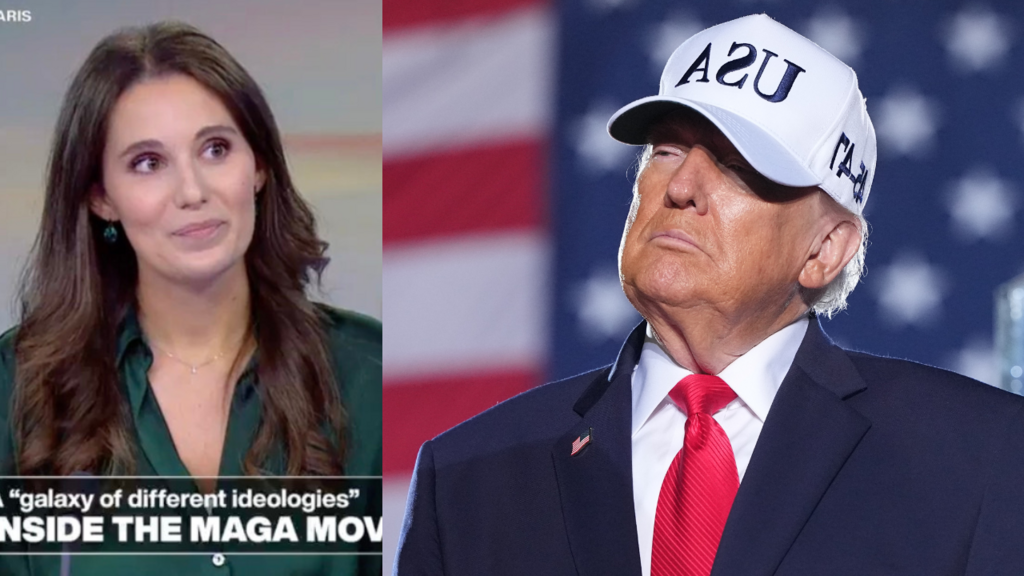
The France 24 article introduces a video report examining whether Donald Trump is losing support among the Republican and MAGA coalition that helped return him to power. Published the day before the US midterm elections, it says Trump’s approval rating is 32%, described as one of the lowest recorded at this point in a presidency, and argues that dissatisfaction is no longer confined to Democratic voters. Some of Trump’s traditionally loyal supporters, the article says, are increasingly caught between political allegiance and economic pressures.
Several issues are contributing to the strain. The report points to the war in Iran and rising costs associated with a blockade of the Strait of Hormuz, alongside what it calls unfulfilled “America First” promises. It also cites controversial matters such as the Epstein files scandal. Together, these concerns are presented as widening a rift between Trump and parts of his electoral base.
The article frames the central question as whether Trump can regain control of MAGA, a diverse coalition with differing priorities. France 24 journalist Stella Elgersma speaks with MAGA and Republican experts to explore how the movement has changed, what its supporters expect, and what is behind their growing discontent. The page promotes the full YouTube documentary and credits Elgersma and François Picard for the video. The supplied article text does not include the documentary’s interviews or further findings, so it outlines the report’s subject and questions rather than providing a detailed account of its conclusions.
Entities: Donald Trump, Stella Elgersma, François Picard, MAGA, Republican Party • Tone: analytical • Sentiment: negative • Intent: analyze
02-11-2026
The France 24 report examines how economic pressure on farmers in North Carolina could affect Republican prospects ahead of the US midterm elections. It describes the state as rural, with one in five jobs tied to agriculture, and says it is among places where seats previously viewed as Republican strongholds are now considered uncertain. The report points to several pressures facing farmers: rising diesel prices, soaring fertiliser costs and the effects of President Donald Trump's tariffs on global markets. Together, these factors have created what the article calls immense economic uncertainty for the agricultural community. The report's central question is whether Trump's policies have changed farmers' political loyalties, as his unpopularity is said to be affecting Republicans across the country. The story is reported by France 24 journalists Fanny Allard and Fraser Jackson. The supplied page contains a brief programme description rather than a transcript or detailed account of farmers' interviews, so it does not provide specific responses from farmers or say how they intend to vote. Its focus is the intersection of inflation and trade policy with rural livelihoods and electoral politics in a closely watched state.
Entities: North Carolina, United States midterm elections, Donald Trump, Republican Party, FRANCE 24 • Tone: analytical • Sentiment: negative • Intent: inform