31-08-2026
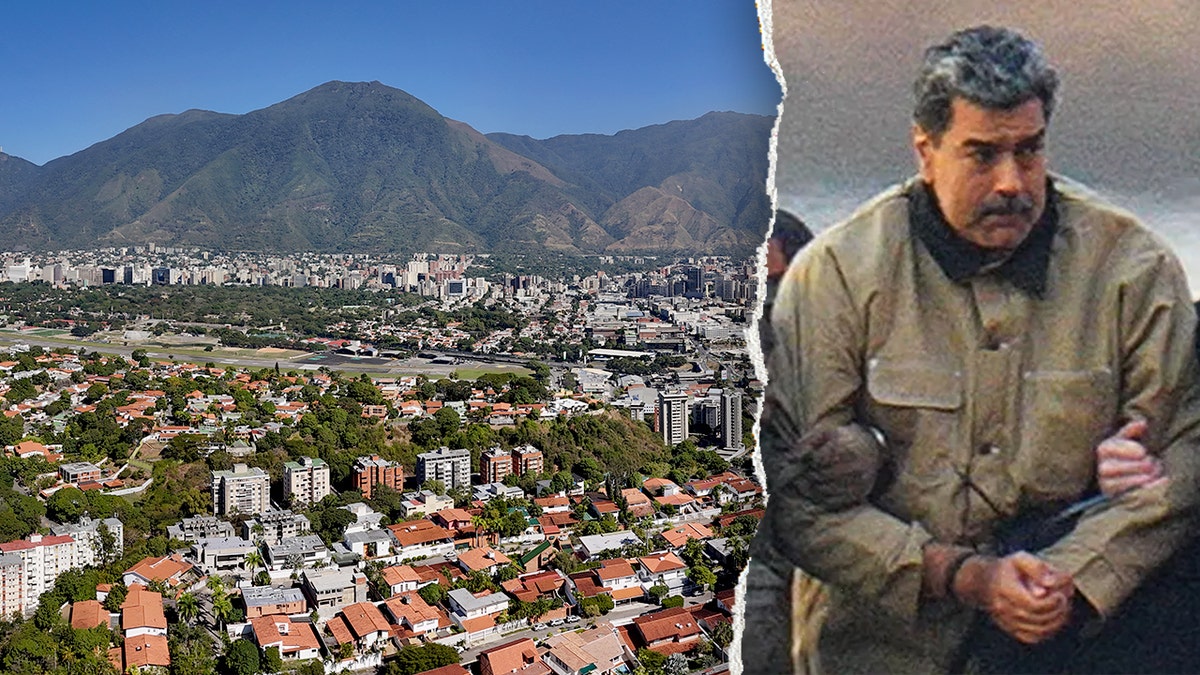
ABC News reports that former Venezuelan president Nicolás Maduro has released photographs that appear to show him inside a US detention facility months after he and his wife, Cilia Flores, were captured during a US military operation in January. The images, posted on X, show Maduro wearing a grey tracksuit and glasses, smiling and making peace signs. He described them as a “small gift” for his family and supporters and said that he and Flores were “standing firm.”
Metadata attached to the photographs indicates they were taken on June 25, one day after two major earthquakes struck Venezuela. The earthquakes reportedly killed more than 6,500 people, according to figures cited from Venezuelan National Assembly President Jorge Rodríguez. ABC confirmed that the images were not generated by artificial intelligence but could not independently verify when or where they were taken. It also remains unknown who took the photographs or how they were released from the detention centre.
The United States, under the Trump administration, accuses Maduro and Flores of facilitating drug trafficking and firearms offences. Both deny the allegations, and their federal trial in New York is scheduled to begin on June 1, 2027. Maduro is reportedly unable to access newspapers or the internet but can speak with family members and lawyers by telephone for approximately 500 minutes per month.
The post came shortly after interim Venezuelan President Delcy Rodríguez announced an oil agreement allowing the United States to operate Venezuelan oil fields. Maduro’s son, Nicolás Maduro Guerra, said his father was in good health and spent time studying the Bible. Maduro’s message included biblical references and expressed confidence that Venezuela would be “reborn.”
Entities: Nicolás Maduro, Cilia Flores, Delcy Rodríguez, Nicolás Maduro Guerra, Trump administration • Tone: analytical • Sentiment: neutral • Intent: inform
31-08-2026
Former Venezuelan President Nicolás Maduro has published two photographs that appear to show him inside a United States detention facility in Brooklyn, New York. The images are the first publicly released photographs of Maduro since he and his wife, Cilia Flores, were allegedly abducted from Caracas by US special forces in January and transported to the United States. Both are facing US charges of drug trafficking and firearm possession, which they deny.
In the photographs, Maduro wears a grey tracksuit and makes peace signs with both hands. He appears to have lost significant weight since his capture. The images were posted on Maduro’s X and Telegram accounts on Sunday, although their timestamps indicate they were taken on June 25, one day after twin earthquakes killed more than 6,500 people and caused extensive destruction in northern Venezuela. The AFP news agency said it contacted the detention centre to determine whether the photographs were genuine and had been authorised, but had not received an immediate response.
Maduro described the images as a gift for his grandchildren, Venezuelan children, and supporters. He said he and Flores remained strong, calm, and confident, adding that Venezuela would rise again. According to a source close to the former president, Maduro has no access to newspapers or the internet while detained, but can speak with family members and lawyers for about 300 minutes each month, with calls limited to 15 minutes.
The photographs emerged shortly after interim President Delcy Rodriguez announced a major oil agreement allowing the United States to operate Venezuelan oil fields. Maduro and Flores are scheduled to stand trial in a New York federal court beginning June 1, 2027.
Entities: Nicolás Maduro, Cilia Flores, Delcy Rodriguez, Venezuela, United States • Tone: analytical • Sentiment: negative • Intent: inform
31-08-2026
The article reports that deposed Venezuelan leader Nicolás Maduro shared photographs from a Brooklyn jail, where he has been detained since being captured by U.S. forces in Caracas in January. In a message posted on Telegram, Maduro said he was “standing firm” and sent the images as a gift to his grandchildren, children, and supporters. He expressed gratitude for their prayers and solidarity, while also saying that Venezuela would eventually rise again. The photographs show Maduro wearing a gray tracksuit and making peace signs; he appears to have lost weight. Metadata indicates that the images were taken on June 25, one day after earthquakes in northern Venezuela reportedly killed more than 6,500 people.
Maduro and his wife, Cilia Flores, are being held on drug-trafficking and firearms-possession charges, which they deny. Their federal trial is scheduled to begin in New York on June 1, 2027. U.S. prosecutors allege that Maduro worked with Venezuelan law enforcement to help drug traffickers move thousands of tons of cocaine into the United States. Both defendants have pleaded not guilty, and Maduro has declared himself a decent man and the constitutional president of Venezuela. While he has no access to newspapers or the internet, he can reportedly make limited telephone calls to family and lawyers. His son says he is in good health and spends much of his time studying the Bible.
The article also connects Maduro’s message to a new oil agreement announced by interim President Delcy Rodriguez. The deal would allow the United States to operate Venezuelan oil fields, with Washington controlling 55% of the joint venture. President Donald Trump said the arrangement could help replenish U.S. strategic oil reserves, while Rodriguez described it as a diplomatic effort to develop Venezuela’s resources with U.S. capital and technology.
Entities: Nicolás Maduro, Cilia Flores, Delcy Rodriguez, Donald Trump, Nicolas Maduro Guerra • Tone: analytical • Sentiment: neutral • Intent: inform
31-08-2026
Fox News reports that ousted Venezuelan President Nicolás Maduro has appeared in the first publicly shared photographs of him inside a U.S. prison since his capture during a U.S. military operation in Caracas. The photographs were posted to Maduro’s social media account and show him wearing a gray sweatsuit and white sneakers, smiling and making peace signs. The article says he appears noticeably thinner and is being held at the Metropolitan Detention Center in Brooklyn while facing drug-trafficking charges.
In a message accompanying the images, Maduro described the photographs as a gift to his family, supporters, and Venezuelan children. He expressed gratitude for their prayers and solidarity and said that he and his wife, Cilia, remained strong, calm, and confident. He also wrote that Venezuela would be reborn. Cilia Maduro was reportedly transported to New York on related drug-trafficking charges.
The article states that although the images were posted on Sunday, timestamps indicate they were taken on June 25, one day after earthquakes in northern Venezuela reportedly killed more than 6,500 people. Their release also came shortly after President Donald Trump announced an agreement under which Venezuela would give the United States majority control of 65 billion barrels of oil reserves. The article presents the agreement as a major development for the U.S. oil market amid price increases linked to the war with Iran.
According to Maduro’s son, Nicolás Maduro Guerra, the former leader has spent much of his time in detention reading the Bible. The article also reports that Maduro is permitted 510 minutes per month for outside conversations. Maduro and his wife are expected to stand trial in New York in June 2027. Both have pleaded not guilty and could face life sentences if convicted of conspiring to send cocaine into the United States.
Entities: Nicolás Maduro, Cilia Maduro, Nicolás Maduro Guerra, Donald Trump, Venezuela • Tone: neutral • Sentiment: neutral • Intent: inform
31-08-2026
Nicolás Maduro, Venezuela’s ousted president, has reappeared in photographs posted on social media while remaining in US custody. The images, dated June 25 and released on Aug 30, show Maduro smiling in a grey tracksuit and making peace signs. They are reportedly the first photographs of him since a January raid removed him and his wife, Cilia Flores, from Caracas so they could face federal charges in the United States. Previously, only court sketches had shown him in custody.
Maduro’s reappearance came shortly after Venezuela’s acting President Delcy Rodríguez signed a major 25-year oil agreement with Washington. The deal covers 17 strategic oilfields, including resources in the Orinoco Belt and Lake Maracaibo, and seeks to raise Venezuelan production above 1.5 million barrels per day. US President Donald Trump said the agreement would give the US majority control over more than 65 billion barrels of proven reserves, while Rodríguez described it as a sovereign arrangement that could generate approximately US$209 billion for the Venezuelan state.
The agreement has triggered opposition from both socialist hardliners and political opponents, increasing pressure on Rodríguez. Maduro’s public presence has also diminished inside Venezuela: billboards and murals demanding his release have largely been replaced, state media rarely mentions him, and broadcasts of his speeches and animated likeness have stopped. Rodríguez now dominates official programming. Meanwhile, government representatives involved in US-backed talks with an opposition faction about political guarantees ahead of possible elections have not reportedly made Maduro and Flores’ release a condition for concessions. The developments underscore Venezuela’s political realignment and the uncertainty surrounding Maduro’s future.
Entities: Nicolás Maduro, Delcy Rodríguez, Cilia Flores, Donald Trump, Venezuela • Tone: analytical • Sentiment: negative • Intent: inform
31-08-2026
The article examines the limited publicly available information about an agreement that US President Donald Trump described as “the biggest oil deal in world history” involving Venezuela’s oil reserves. The deal follows the article’s account that US forces captured former Venezuelan President Nicolás Maduro in January and brought him to New York to face federal drug-trafficking charges. The White House has released few details, and no formal text of the agreement has been made public.
According to Venezuela’s interim leader, Delcy Rodríguez, the arrangement creates a new company involving the US government and an unnamed private operator. The company would receive rights to develop 17 untapped oil fields with a stated proven potential of 65 billion barrels. Venezuelan authorities estimate that the agreement could attract $100 billion in investment and generate more than $209 billion in tax revenue. The United States would receive 55% of the company’s effective output through a combination of ownership and rights to buy oil at cost. Some of the oil would reportedly go to the US Strategic Petroleum Reserve and the military.
Rodríguez presented the agreement as a path toward economic recovery, modernization and greater energy production while insisting that Venezuela would retain ownership and sovereignty over its resources. However, the deal has drawn criticism from some Venezuelans, who view US access to the country’s resources as a betrayal. Harvard professor and former Venezuelan minister Ricardo Hausmann questioned Rodríguez’s legitimacy and predicted that the arrangement would not last.
US lawmakers are also divided. Trump allies praised the deal, while Democratic senators accused the administration of pursuing Venezuelan oil at the expense of democratic and military interests. Major uncertainties remain over financing, the identity of the private operator, the precise structure of the US stake, legal protections, security and infrastructure. Chevron and Exxon Mobil declined to comment, while economist David Oxley warned that Venezuela’s reserves may have been overstated and that US companies may prefer less risky investments.
Entities: Donald Trump, Venezuela, United States, Delcy Rodríguez, Nicolás Maduro • Tone: analytical • Sentiment: neutral • Intent: inform
31-08-2026
This NPR Up First briefing covers several major U.S. and international developments. The Trump administration has announced a partnership with Venezuela to develop part of the country’s oil reserves through a joint venture involving a private Venezuelan company. The United States is expected to receive 55% of the oil produced, but energy experts question whether the arrangement will reduce gasoline prices. The deal also raises political concerns because it could strengthen Venezuela’s unelected interim government and undermine U.S. plans for stabilization and eventual elections following the capture of former leader Nicolás Maduro.
The briefing also reports a renewed exchange of fire between the United States and Iran. The U.S. says its strikes targeted Iranian sites involved in preparations to deploy sea mines in the Strait of Hormuz, while Iran characterized the conflict as self-defense. It remains unclear whether the incident will escalate into a broader confrontation.
Domestically, the House of Representatives returns from recess for a one-week session focused largely on passing a government-funding measure. The bill could prevent a shutdown through December, including during the midterm-election period. The story notes that Republicans face political challenges related to cost-of-living concerns and the Trump administration’s record of government shutdowns.
The briefing further reports that at least 15 people are missing after severe flooding in Arizona’s Grand Canyon. The flooding destroyed two bridges over the Colorado River and damaged most footbridges over Bright Angel Creek, prompting evacuations and trail closures.
The newsletter also provides fertility advice, including dietary guidance, exercise, prenatal vitamins, and ways men can protect sperm health. Finally, NPR climate and health reporter Alejandra Borunda describes a two-year analysis with Boston University researchers indicating that heat-related deaths in the United States may be nearly five times higher than official counts suggest.
Entities: Donald Trump, Trump administration, Venezuela, U.S.-Venezuela oil partnership, Delcy Rodriguez • Tone: analytical • Sentiment: negative • Intent: inform