28-10-2026
The article examines how the US-Iran war has become a political liability for Republican candidates ahead of the 2026 midterm elections. Democrats are tying Republicans’ support for the conflict to rising fuel prices and what they describe as President Donald Trump’s lack of a clear plan to end the war. The political argument is gaining traction as voters prioritize the cost of living and many also want Congress to end the conflict. The war, launched by the US and Israel on February 28, disrupted the Strait of Hormuz and contributed to US petrol prices rising to more than $1.13 a litre, over 40 per cent above the level at the start of Trump’s term. Polling cited in the article indicates widespread concern about affordability and that many voters blame Trump’s policies for prices rising faster than their earnings.
Several Republican lawmakers who have backed the war face unexpectedly competitive races. Alaska Senator Dan Sullivan, seeking a fourth term, faces Democrat Mary Peltola, who is narrowly ahead in recent polls. Sullivan opposed a resolution requiring Trump to end the war or seek congressional authorisation and has defended the conflict. VoteVets has spent $225,000 on advertising against him, while the presence of another candidate named Daniel J Sullivan has added complications. The Justice Department has sued Alaska election officials over certification procedures if the incumbent loses, citing possible voter confusion.
Nebraska Senator Pete Ricketts, another war supporter who opposed limits on Trump’s war powers, is in a close contest with independent Dan Osborn. In New York, Republican Representative Mike Lawler faces Democrat Cait Conley. A poll found most district voters opposed US military action in Iran and showed Conley narrowly leading, while the candidates also dispute who would better protect Israel and combat anti-Semitism. Kansas Senator Roger Marshall, who also backed the war and opposed restricting Trump’s military authority, faces a competitive challenge from Democrat Adam Hamilton in a state Trump won comfortably in 2024. The article portrays these races as evidence that foreign policy positions are increasingly entangled with voters’ economic concerns and could affect Republican efforts to retain power in Congress.
Entities: Donald Trump, Dan Sullivan, Pete Ricketts, Mike Lawler, Roger Marshall • Tone: analytical • Sentiment: negative • Intent: analyze
28-10-2026
President Donald Trump said the Iran war will end “whenever I want it to,” while arguing that it must conclude with a clear commitment that Iran will never obtain a nuclear weapon. Speaking at a rally in Lubbock, Texas, he also said the conflict could end quickly, but gave no timeline. The article reports that the war shows no sign of winding down: Trump said he would soon decide whether to make a deal with Iran or “finish it off.”
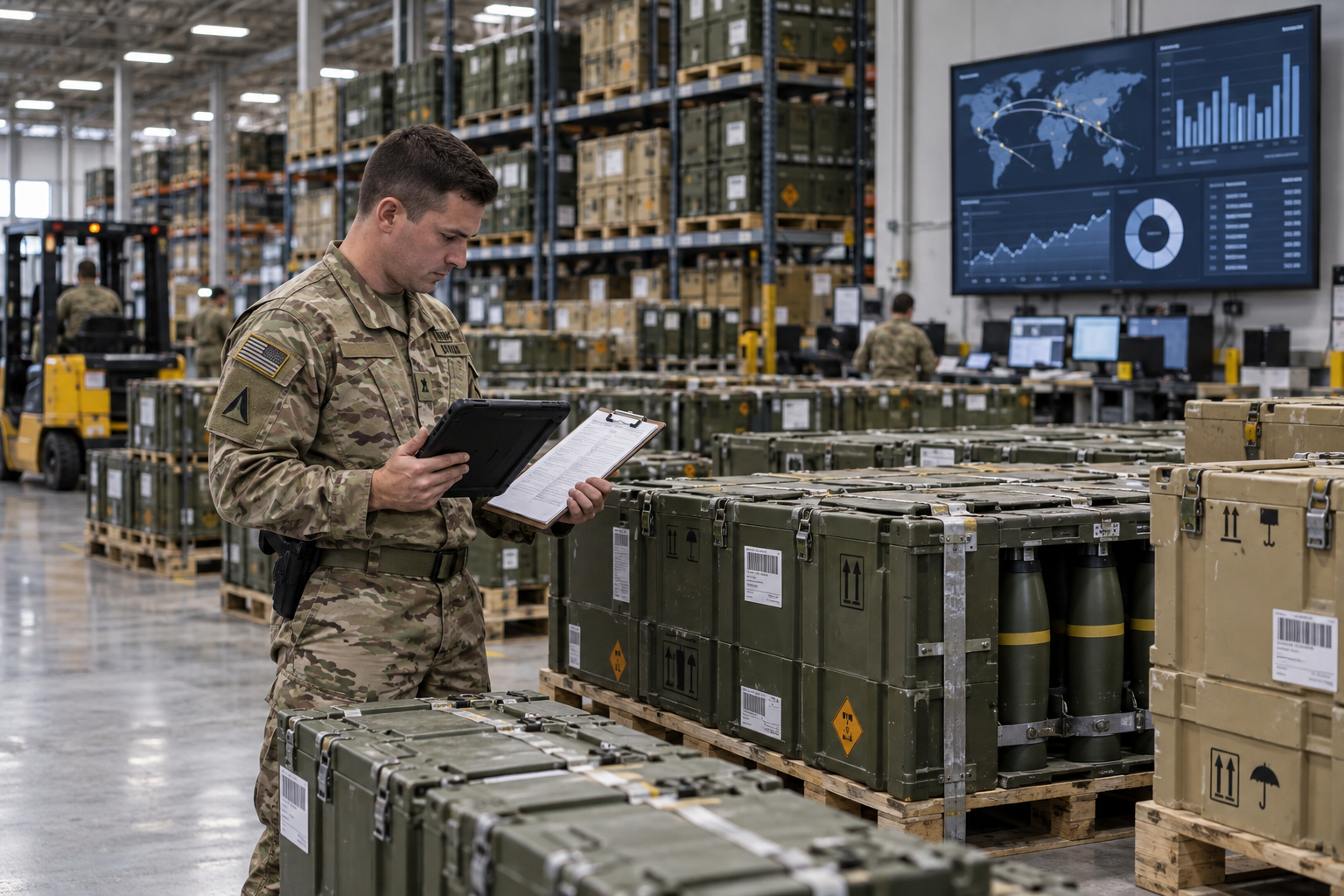
The conflict’s growing financial and political costs are a central focus. A U.S. Central Command estimate reported by The Hill put the war’s cost at $47 billion as of Oct. 16, about $3 billion higher than earlier figures. The largest reported component—$29 billion—was for replacing munitions. The conflict has also caused shortfalls in U.S. munitions, despite Trump’s earlier claim that the country had virtually unlimited ammunition. Separately, damage to U.S. military bases in the Middle East is not included in the $47 billion figure; a report to Congress estimated damage to U.S. diplomatic facilities in four countries at $184 million as of June 29.
The article links the war’s costs to domestic concerns ahead of the Nov. 3 midterm elections. Trump’s approval rating was 32% in a Reuters/Ipsos poll, amid rising energy costs and affordability concerns. Moody’s Analytics chief economist Mark Zandi estimated that the war had cost American families an average of $2,000 so far, including higher energy costs, interest costs, and increased military spending. The article also notes reported U.S. diplomatic evacuations from Saudi Arabia and plans by U.S. and Israeli militaries for a possible short, intensive operation against Iran after the midterms.
Entities: Donald Trump, Iran war, Iran, Lubbock, Texas, U.S. Central Command • Tone: analytical • Sentiment: negative • Intent: inform
28-10-2026
A new U.S. Central Command estimate puts the cost of the war with Iran at at least $47.1 billion as of mid-October. The estimate, provided to lawmakers and obtained by CBS News, assigns about $29 billion to replacing expended munitions, $6.1 billion to replacing lost equipment, and $11.9 billion to incremental expenses such as supporting U.S. service members. It does not account for damage to U.S. military bases in the Middle East that were targeted by Iranian drones and missiles. The estimate is higher than the roughly $37.5 billion figure Defense Secretary Pete Hegseth gave lawmakers three months earlier, which also excluded damage to bases.
The Congressional Budget Office estimated last month that the conflict could cost $2 billion to $3 billion per month for as long as it continues. Costs may increase during exchanges between the U.S. and Iran, including through the replacement of interceptor missiles used to defend against Iranian attacks. Such exchanges were common over the summer but have recently been quieter.
As the war enters its ninth month, its future remains uncertain. President Donald Trump has suggested hostilities could resume after next month’s midterm elections if Iran does not agree to a deal. Meanwhile, the Pentagon inspector general has warned of “strategic inventory shortfalls” caused by the munitions used in the war, prompting the Defense Department to accelerate production. The Trump administration disputes that the military is facing shortages; Trump has described ammunition supplies as virtually unlimited.
The administration has also asked Congress for tens of billions of dollars in supplemental military funding, partly because of the war. The request has not passed, and Democrats have sought a more detailed accounting of the conflict’s costs from Hegseth. CBS News said it contacted the Pentagon for comment.
Entities: Iran war, U.S. Central Command (CENTCOM), U.S. military, Pete Hegseth, Donald Trump • Tone: analytical • Sentiment: neutral • Intent: inform