25-06-2026
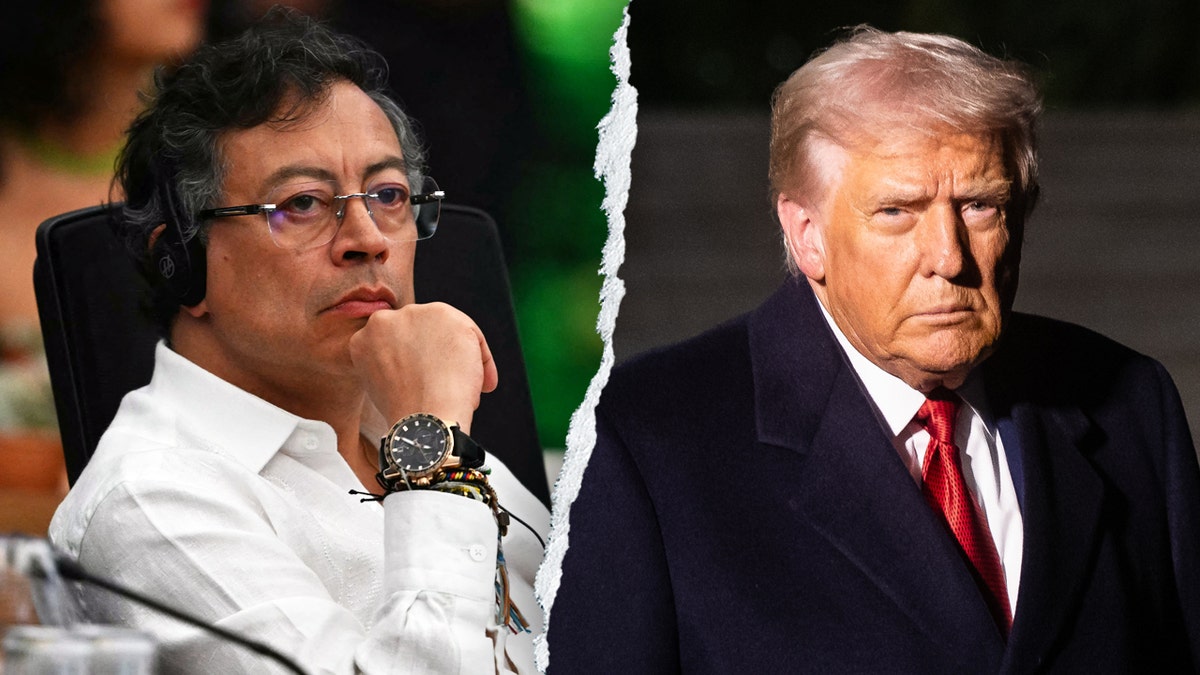
Iván Cepeda, Colombia’s left-wing presidential candidate in the run-off election, has conceded defeat to right-wing businessman Abelardo de la Espriella after preliminary results showed him losing by less than a percentage point. Although Cepeda initially said he would wait for the legally binding final count, he later said he had decided to accept the result in the interest of democratic responsibility and national reconciliation. He framed his concession as a way to support coexistence, peace, and dialogue in a deeply polarized country. Cepeda also used his statement to accuse U.S. President Donald Trump of improper foreign interference in Colombia’s election, citing Trump’s public support for de la Espriella and disparaging remarks about Cepeda. De la Espriella, despite previously making aggressive comments about the Left during the campaign, struck a conciliatory tone in his victory speech and said those who disagreed with him would have nothing to fear. The article also notes that the president-elect is aligning more closely with the Trump administration and has accepted an invitation for Colombia to join the U.S.-led “Shield of the Americas” anti-cartel alliance. De la Espriella is due to be sworn in on 7 August.
Entities: Iván Cepeda, Abelardo de la Espriella, Donald Trump, Gustavo Petro, Colombia • Tone: analytical • Sentiment: neutral • Intent: inform
25-06-2026
Abelardo de la Espriella, a wealthy political outsider and businessman backed by President Donald Trump, has been declared the winner of Colombia’s presidential runoff, defeating progressive senator Iván Cepeda by a narrow margin of just over 251,000 votes. The article frames the result as a rejection of outgoing President Gustavo Petro’s administration and its peace-and-dialogue strategy toward armed groups, amid worsening violence tied to criminal organizations and coca cultivation. De la Espriella campaigned on a hardline security agenda inspired by El Salvador’s Nayib Bukele, including building mega-prisons, resuming aerial fumigation of coca fields with glyphosate, and taking aggressive action against drug traffickers. Cepeda conceded and accepted a Senate seat reserved for the runner-up, while de la Espriella announced plans to form a cabinet and emphasized national unity and respect for democratic institutions. The story also highlights the geopolitical dimension of the election, noting strained U.S.-Colombia relations under Petro, Trump’s endorsement of de la Espriella, and Petro’s accusation that Trump interfered in Colombia’s democratic process. The runoff drew a historic turnout of more than 26 million voters, reflecting deep polarization in the country.
Entities: Abelardo de la Espriella, Iván Cepeda, Gustavo Petro, Donald Trump, Nayib Bukele • Tone: analytical • Sentiment: neutral • Intent: inform
25-06-2026
Colombia’s presidential election appears to have shifted sharply to the right after progressive candidate Iván Cepeda conceded defeat to conservative outsider Abelardo de la Espriella, known as “El Tigre.” Cepeda initially resisted the result after preliminary counts showed de la Espriella ahead, but later said he would accept the outcome as an act of democratic responsibility. The official margin was extremely narrow, with de la Espriella winning by about one percentage point, or less than 1% in some counts, making it one of the closest contests in the country’s recent political history.
The article emphasizes the political significance of the result: de la Espriella, a businessman and lawyer with no prior elected office, is set to begin a four-year term in August and is expected to reverse the left-leaning direction associated with outgoing President Gustavo Petro. De la Espriella has positioned himself as a hardline anti-crime candidate, promising a crackdown on cartels, guerrilla groups, and paramilitaries, as well as policies such as mega-prisons, expanded fossil fuel fracking, and renewed aerial glyphosate spraying to destroy coca crops.
Cepeda, however, did not concede without controversy. He accused the de la Espriella campaign of foreign interference, specifically alleging improper U.S. involvement and support from President Donald Trump, and also claimed the election was manipulated through artificial intelligence and vote-buying. De la Espriella responded with a message of national and regional cooperation, saying his administration would work to strengthen security, freedom, and prosperity. The outcome is framed as a major political realignment for Colombia and a potential alignment with Trump-backed anti-cartel policies in Latin America.
Entities: Iván Cepeda, Abelardo de la Espriella, Donald Trump, Gustavo Petro, Colombia • Tone: analytical • Sentiment: neutral • Intent: inform
25-06-2026
Fox News reports that Donald Trump publicly congratulated Colombian conservative attorney and businessman Abelardo de la Espriella after preliminary vote counting showed him ahead in Colombia’s presidential race, even though election authorities had not formally certified the result. With 99.9% of ballots counted, de la Espriella held a narrow lead over leftist Senator Iván Cepeda, though Cepeda has challenged the results and cited irregularities at thousands of polling stations. The article frames the contest as a high-stakes showdown between two sharply different visions for Colombia: de la Espriella’s hardline, law-and-order approach modeled in part on former President Álvaro Uribe and focused on fighting guerrillas and criminal groups, versus Cepeda’s preference for negotiation and continuity with the policies of President Gustavo Petro. It also notes that Trump and Secretary of State Marco Rubio have already signaled a positive relationship with de la Espriella’s camp, linking the race to broader regional trends in Latin America, where several recent elections have shifted rightward. The piece further emphasizes de la Espriella’s outsider profile, comparing aspects of his campaign to Trump’s own political rise.
Entities: Donald Trump, Abelardo de la Espriella, Iván Cepeda, Marco Rubio, Gustavo Petro • Tone: analytical • Sentiment: neutral • Intent: inform