23-07-2026
Canada’s dairy supply management system has become a fresh target in Donald Trump’s trade offensive, with the US president citing it as one of the reasons for a 50% tariff on $20bn worth of Canadian goods set to take effect in August. The article explains that Canada’s system—built around production quotas, administered pricing and import limits—has long been politically protected because it stabilizes farmers’ incomes and domestic supply, even as critics say it raises consumer prices and distorts trade. Canadian leaders, including Quebec’s premier and the federal trade minister, have so far signaled they will not budge, calling supply management a cornerstone of the economy and rural communities.
The piece lays out the core dispute: American dairy producers want greater access to the Canadian market, arguing that Canada’s tariff and quota structure unfairly blocks US exports, while Canada points to the benefits of supply stability and protection for local farmers. The article notes that the system has survived repeated challenges, including disputes under USMCA, criticism from the OECD, and failed trade negotiations with the UK over cheese access. It also highlights internal Canadian debate, with some economists and commentators calling the policy outdated and costly for consumers, versus strong public and industry support for keeping it. Polling suggests around 77% of Canadians favor maintaining the system.
Ultimately, the article portrays supply management as both a symbol of Canadian agricultural policy and a major obstacle in trade negotiations with the Trump administration. It emphasizes the political difficulty of reform, the potential cost of compensating farmers, and the likelihood that Canada will resist change despite mounting pressure from the US.
Entities: Donald Trump, Canada, United States, Quebec, Christine Fréchette • Tone: analytical • Sentiment: neutral • Intent: inform
23-07-2026
President Trump announced 50% tariffs on a broad set of Canadian goods, including hockey equipment, beer, wine, liquor, milk, and other products, escalating an already strained trade relationship between the United States and Canada. The tariffs, signed through a series of proclamations and scheduled to take effect on Aug. 19, were presented by the White House as a response to what it called Canada’s “unreasonable, unequal, and discriminatory actions” against U.S. commerce. The administration said Canada had retaliated against earlier U.S. tariffs and maintained barriers such as quotas and restrictions affecting American exports.
The new levies were issued under Section 338 of the Tariff Act of 1930, an unusual legal route that the administration says it believes is valid despite recent Supreme Court limits on Trump’s tariff authority under other laws. Officials said the measures do not amount to a trade war and left room for negotiations, including through the USMCA trade framework, though goods covered by the agreement will not be exempt from the new tariffs. Canadian Prime Minister Mark Carney said he had spoken with Trump and that both sides agreed to intensify negotiations. Carney argued Canada’s earlier actions simply matched U.S. moves and said Canada remains willing to modernize the USMCA.
Business groups on both sides of the border criticized the escalation, warning of higher costs, financial strain, and further retaliation. The article places the move within a broader pattern of trade conflict, including prior tariffs, retaliatory measures, tensions over the USMCA, and even Trump’s recent comments about Canada and wildfire smoke.
Entities: Donald Trump, Mark Carney, Canada, United States, White House • Tone: analytical • Sentiment: negative • Intent: inform
23-07-2026
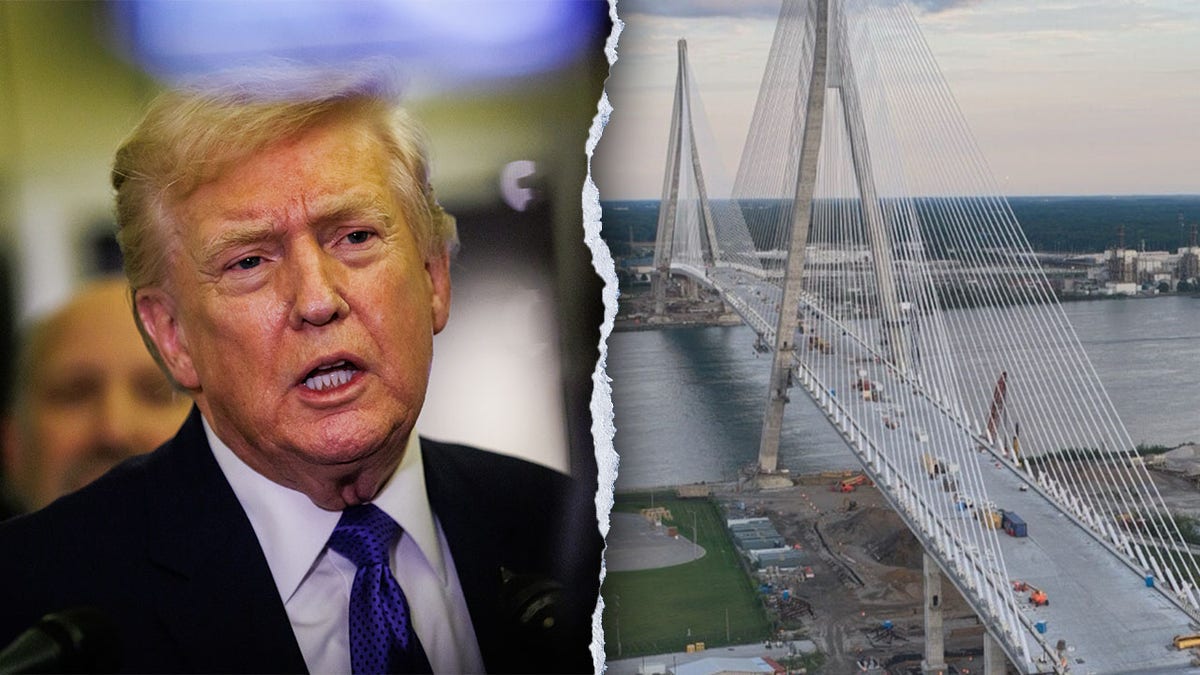
Canada has canceled a planned joint celebration with the United States to mark the opening of the Gordie Howe International Bridge after President Donald Trump renewed tariff threats against Canadian imports. The bridge, which connects Detroit, Michigan, and Windsor, Ontario, is set to open to traffic next Monday, but the celebratory event involving officials from both countries will no longer proceed. Canadian officials said it would be inappropriate to hold a joint celebration in light of the latest U.S. trade action, though the bridge itself will still open on schedule and Canada will hold a separate celebration limited to Canadians.
The dispute comes after Trump announced plans to impose a 50% tariff on certain Canadian imports, saying Canada’s trade policies unfairly discriminated against American companies in industries such as dairy, autos, and alcohol. The White House framed the measures as a response to Canada giving foreign competitors an unfair advantage. The bridge had already faced delays and political tension earlier in the year, when Trump threatened to block its opening unless Canada negotiated on trade and criticized Ontario’s handling of U.S. alcohol products and broader trade practices. A deal reached earlier this month over toll charges allowed the opening to proceed. The article notes that the bridge is expected to ease traffic on the privately owned Ambassador Bridge and improve commercial flow between the two countries, with the border crossing handling $126 billion in trade by truck in 2023.
Entities: Canada, United States, Donald Trump, Gordie Howe International Bridge, Detroit • Tone: neutral • Sentiment: negative • Intent: inform