24-07-2026
Oil prices climbed to $100 a barrel for the first time since May after escalating conflict in the Middle East renewed concerns about global energy supplies. Brent crude, the international benchmark, rose more than 6% following several days of gains as the US intensified military strikes against Iran and after Houthi attacks on oil tankers in the Red Sea raised fears over a critical shipping route. The surge in oil and gas prices is already feeding into consumer costs, with UK petrol and diesel rising and US gasoline topping $4 a gallon again. The article explains that higher energy prices could push inflation higher in both the UK and the US, complicating the work of central banks as they weigh interest-rate decisions. Analysts quoted in the piece say elevated fuel costs can ripple through the wider economy, affecting transport, food prices, mortgages, and borrowing costs. The article also notes that while inflation has recently eased in both countries, the renewed conflict may reverse that trend and reduce the likelihood of near-term rate cuts, especially if energy prices remain elevated.
Entities: Oil prices, Brent crude, Middle East conflict, Iran, US military strikes • Tone: analytical • Sentiment: negative • Intent: inform
24-07-2026
Global oil prices surged above $100 a barrel on Thursday as escalating tensions in the Middle East rattled energy markets, with Iran-backed Houthi rebels in Yemen targeting shipping in the Red Sea. Brent crude, the key international benchmark, rose 6.1% to settle at $100.69 a barrel, while U.S. gasoline prices also climbed, with the national average reaching $4.09 a gallon. The spike in oil prices hit stock markets, sending the S&P 500, Dow Jones Industrial Average, and Nasdaq lower. The attacks reportedly threatened traffic through the Bab el-Mandeb Strait, a critical chokepoint that handles a significant share of global oil shipments. The article also explains that the energy shock could complicate the Federal Reserve’s upcoming July 29 interest-rate decision by increasing inflation pressure and reducing the likelihood of rate cuts. Market expectations shifted sharply, with traders assigning a higher chance of a rate hike than a week earlier. The piece further notes broader signs of conflict escalation, including increased U.S. military activity in the region and ongoing strikes against Iran. Overall, the article connects geopolitical instability in the Red Sea and Middle East to rising oil, gasoline, and borrowing costs, as well as wider market volatility.
Entities: Global oil prices, Brent crude, Red Sea, Bab el-Mandeb Strait, Houthi rebels • Tone: analytical • Sentiment: negative • Intent: inform
24-07-2026
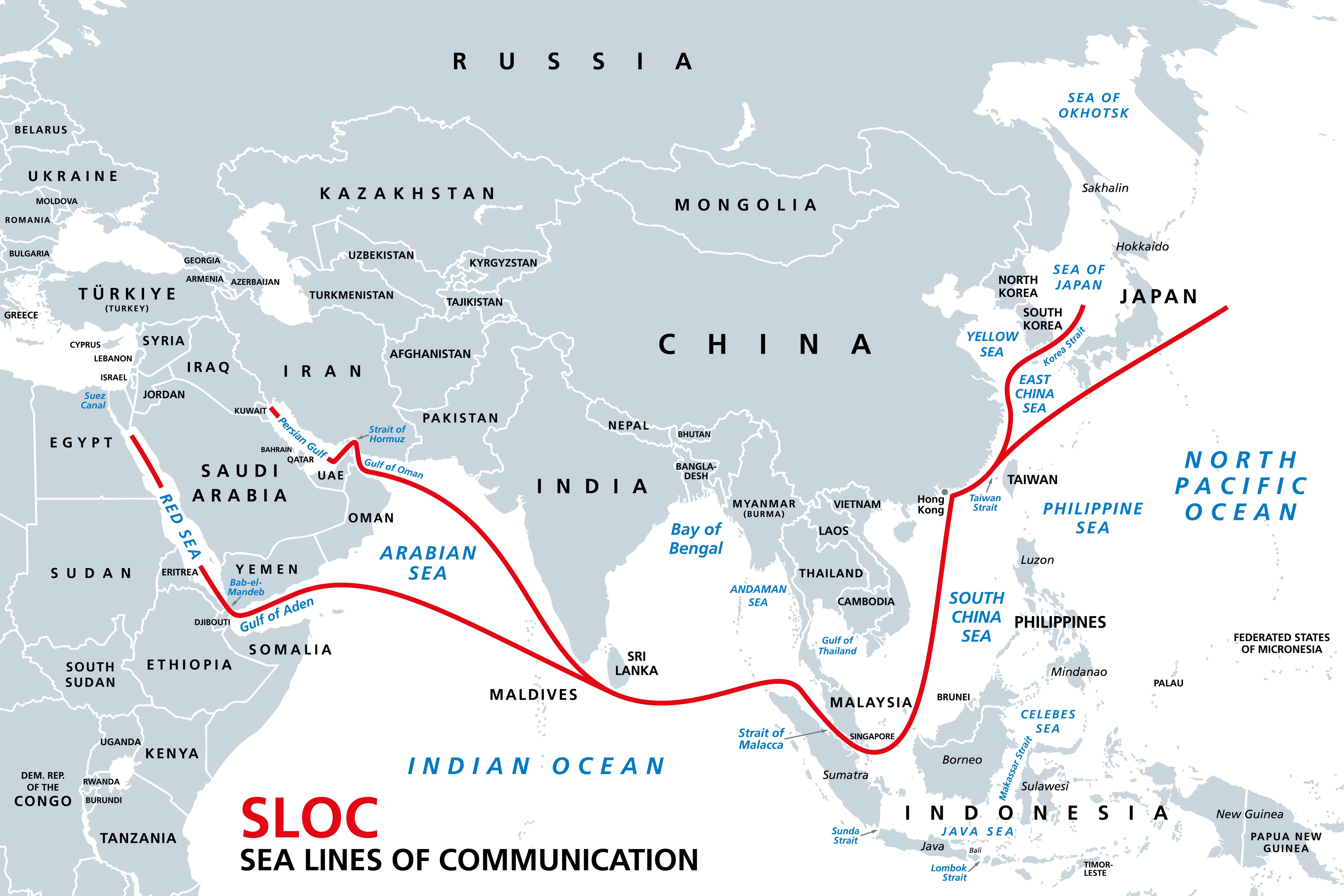
The article explains how the escalating U.S.-Iran war and Iran’s pressure on the Strait of Hormuz are accelerating long-planned efforts by Middle East oil producers to create alternative export routes. The Strait is one of the world’s most important energy chokepoints, carrying about 15 million barrels of Persian Gulf oil per day before the conflict. With oil prices surging and shipping risks rising, Gulf states are investing billions in pipelines and port expansions to move crude to safer outlets on the Red Sea, Gulf of Oman, and Mediterranean.
Saudi Arabia’s East-West pipeline and the UAE’s route to Fujairah are already handling much of their spare capacity, while the UAE is building a $3 billion pipeline to expand exports to Fujairah by more than 1.2 million barrels per day. Iraq is also pursuing new pipeline links from Basra to Turkey, Syria, and Jordan to reduce dependence on Hormuz. Analysts cited in the piece say these projects could eventually allow a large share of Gulf exports to bypass the strait, potentially reducing the damage of any closure.
However, the article emphasizes that the alternatives are imperfect and still vulnerable. Red Sea routes face attacks from Iran-backed Houthi rebels in Yemen, the Suez Canal cannot handle the largest oil tankers, and pipelines can themselves be attacked, as shown by past strikes. The piece also notes that these pipeline solutions do not address disruptions to liquefied natural gas shipments, especially from Qatar, which also rely on the Strait of Hormuz. Overall, the story frames the war as a wake-up call that is reshaping regional energy strategy but not eliminating the strategic risks of the conflict.
Entities: Strait of Hormuz, Iran, U.S.-Iran war, Middle East, Persian Gulf • Tone: analytical • Sentiment: negative • Intent: inform
24-07-2026
The article reports that, despite repeated U.S. assertions that the Strait of Hormuz remains open to commercial traffic, shipping activity through the waterway has sharply fallen because many operators no longer believe it is safe. U.S. Central Command says Iran has launched dozens of attacks on commercial vessels since the war began, but shipping experts and maritime data cited by CBS News indicate that large international vessels are largely avoiding the strait. Only a handful of commercial ships were observed transiting, and even the U.S.-backed southern route near Oman saw very limited use, often with vessels sailing “dark” by switching off AIS tracking systems.
A Greek maritime risk executive, Dimitris Maniatis, says there is “nothing physically obstructing” navigation, but for large merchant ships “nothing is going through” because crews and owners do not feel safe. He argues that U.S. naval support is insufficient, since vessels continue to be hit even while moving through the convoy-protected corridor. The article notes that some companies are trying to keep crews moving by offering extra pay, but the threat has nevertheless reduced traffic and shaken confidence.
The danger is expanding beyond the Strait of Hormuz. Iran-backed Houthi rebels in Yemen have threatened to block Saudi Arabia from using Red Sea ports via the Bab el-Mandeb Strait, another vital shipping chokepoint. At least five commercial vessels reportedly turned back as they approached the area. The article frames both chokepoints as critical to global energy and trade flows, noting that roughly 30% of global oil supplies typically pass through them. It concludes with a bleak picture for mariners, citing deaths, repeated attacks, and psychological strain on crews who no longer feel safe at sea.
Entities: Strait of Hormuz, Bab el-Mandeb Strait, United States Central Command (CENTCOM), Donald Trump, Iran • Tone: analytical • Sentiment: negative • Intent: inform
24-07-2026
CNN Business argues that the global oil market is entering a far more dangerous phase as the Iran war expands beyond earlier constraints that had kept prices from spiking even amid conflict. The article explains that several stabilizing factors are now weakening at once: key shipping routes are being choked at the Strait of Hormuz and the Bab-al-Mandeb, insurance for vessels is becoming harder to secure, Russian refinery and pipeline disruptions are removing additional fuel from global supply, and crude inventories worldwide are falling sharply. The United States is especially exposed because its Strategic Petroleum Reserve has been drawn down to its lowest level since 1983 and commercial inventories are nearing operational minimums. China, which had helped blunt demand by stockpiling oil, is also nearing the point where it will need to import more again. Although prices have not yet reached the extreme highs of 2022 or the 2008 record, analysts quoted in the piece warn that the market is racing against time and that a continued escalation could push oil back above $120 a barrel, or even to a new record above $150 if the conflict becomes a broader regional war. The article’s core message is that the oil market’s previous resilience may no longer be enough to prevent a major inflationary shock.
Entities: Oil market, Iran war, Middle East, Strait of Hormuz, Bab-al-Mandeb strait • Tone: analytical • Sentiment: negative • Intent: analyze
24-07-2026
The article explains who the Houthis are and why their actions in the Red Sea matter amid rising tensions in the Iran-US conflict. In the video clip, CNN notes that oil prices climbed above $100 a barrel for the first time since May after Yemen’s Houthi rebels targeted Saudi ships in the Red Sea. The attack raised fears of disruptions to another major oil-export route, especially as the Strait of Hormuz is described as effectively closed. The piece frames the Houthis as an Iran-backed rebel group whose attacks can influence global energy markets and heighten geopolitical pressure. CNN’s Nic Robertson is cited as providing context on the group’s identity and role. Although the article is primarily a short video-led explainer, its central message is that the Houthis are using maritime attacks to exert strategic leverage in a broader Iran-US confrontation, with consequences that extend beyond the region to international oil supply and market stability.
Entities: Houthis, Yemen, Red Sea, Saudi ships, Saudi Arabia • Tone: analytical • Sentiment: negative • Intent: inform
24-07-2026
Secretary of State Marco Rubio accused Iran of escalating tensions in Yemen by flying Islamic Revolutionary Guard Corps (IRGC) personnel into the country to support the Houthi rebels, though he provided no evidence or operational details for the claim. Speaking at an ASEAN foreign ministers meeting in Manila, Rubio warned that Iran’s actions were helping deepen a confrontation that threatens Saudi Arabia and international shipping routes in the Red Sea. The article says the Houthis have announced a blockade targeting Saudi-linked vessels in the Bab el-Mandeb Strait, following what they described as retaliation for Saudi restrictions on Yemen and an attack on an airport in Houthi-controlled Sanaa. Rubio disputed the Houthis’ version of events and said the United States was closely monitoring the situation because any disruption to Red Sea shipping would be comparable to the dangers posed by instability in the Strait of Hormuz. The piece places the dispute in the context of broader regional conflict, noting Saudi vows to keep the passage open, the strategic significance of the waterway for global trade, and the Houthis’ past attacks on shipping. It also references President Donald Trump’s comment that the latest Houthi threat had not yet materialized, as well as ongoing U.S. military strikes against targets in Iran.
Entities: Marco Rubio, Iran, Islamic Revolutionary Guard Corps (IRGC), Yemen, Houthi rebels • Tone: analytical • Sentiment: negative • Intent: inform
24-07-2026
Global oil markets surged after Iran rejected a U.S. cease-fire offer, deepening fears that the conflict could disrupt energy shipments from the Middle East for an extended period. Brent crude, the global oil benchmark, rose more than 7% to above $100 a barrel, while West Texas Intermediate held near $92. The article explains that investors are watching key chokepoints closely, especially the Strait of Hormuz and the Bab al-Mandab Strait, after reports of strikes on tankers in the Red Sea and threats by the Iranian-backed Houthi militia to blockade shipping routes.
The ripple effects are spreading across global markets. Asian stocks fell sharply, led by declines in Japan, Hong Kong, and South Korea, following a sell-off in U.S. markets the day before. Higher oil prices are also pushing up consumer fuel costs in the United States: gasoline rose to $4.09 a gallon and diesel to $5.21, with prices having climbed substantially since the conflict began. The piece notes that many refineries are offline or producing less because of damage in the Persian Gulf and Russia, tightening fuel supply further.
Shipping activity through the Strait of Hormuz has slowed dramatically, with traffic far below prewar levels. Saudi Arabia has been rerouting oil exports through the Bab al-Mandab Strait, but that alternative is more expensive and complicated. Overall, the article portrays a widening energy crisis driven by military escalation, shipping threats, and market anxiety.
Entities: Brent crude, West Texas Intermediate, Iran, United States, President Trump • Tone: analytical • Sentiment: negative • Intent: inform
24-07-2026
CNBC’s Daily Open reports a volatile market backdrop driven by escalating geopolitical risks, rising oil prices, and renewed inflation fears. Brent crude moved back above $100 a barrel for the first time since late May after Yemen’s Houthis said they struck two Saudi oil tankers in the Red Sea, intensifying concerns about supply disruptions in key shipping lanes, especially the Strait of Hormuz. In response to the broader Middle East conflict, President Donald Trump warned that the United States would hold Iran responsible for any further attacks and threatened major military punishment. The war and oil shock pushed Treasury yields higher, with the 10-year yield reaching its highest level since January 2025, while U.S. equities suffered their worst session in a month.
The article also highlights a series of macroeconomic and policy developments shaping investor expectations. The European Central Bank left rates unchanged, but traders now anticipate a possible September hike as higher oil prices threaten eurozone inflation. Japan’s core inflation edged up from a four-year low, also reflecting energy cost pressure. Separately, the Trump administration is set to impose new tariffs of 10% to 12.5% on imports from about 60 trade partners, tied to forced-labor allegations, reviving trade tensions just as prior temporary tariffs expire.
On the corporate side, investors are reassessing the scale of AI-related spending after sharp declines in Tesla and Alphabet shares, though some of those losses eased in after-hours trading. Intel delivered strong revenue growth, Google Cloud posted robust results, and Oracle won a major Pentagon contract, all contributing to a mixed but active earnings landscape. The piece closes with a note on U.S.-China tech tensions, citing a White House accusation that Moonshot AI accessed Nvidia chips despite export restrictions.
Entities: Brent crude, West Texas Intermediate, Donald Trump, Iran, Yemen's Houthis • Tone: analytical • Sentiment: neutral • Intent: inform
24-07-2026
U.S. stock futures were little changed Friday after a steep selloff in the prior session, as investors reacted to a sharp jump in oil prices, disappointing earnings from Tesla and Alphabet, and lingering concerns about inflation and interest rates. The Dow Jones Industrial Average had fallen more than 500 points Thursday, while the S&P 500 and Nasdaq posted their worst single-day declines since late June. Global markets also weakened, with major Asian indexes broadly lower and Europe set to open mixed.
The article highlights how Brent crude’s move back above $100 a barrel intensified worries about supply disruption after reported Houthi attacks on Saudi oil tankers in the Red Sea. Analysts said the market was poorly positioned for an oil shock, and that sustained shipping disruptions could keep crude elevated for months. Higher oil prices pushed Treasury yields higher in the previous session as traders priced in stronger inflation pressure and reduced expectations for near-term rate cuts.
The piece also tracks several Asia-Pacific developments. Japan’s Nikkei and South Korea’s Kospi sold off sharply, with the Korea Exchange briefly halting Kospi trading via a sidecar mechanism. China and Hong Kong opened lower amid concern over oil, Middle East tensions, and new U.S. tariffs. Japan’s core inflation edged up, suggesting energy costs are beginning to filter through the economy. Meanwhile, SAP shares rose after strong cloud backlog growth, and Singapore sovereign wealth fund GIC reported its lowest 20-year annualized return in six years, underscoring the broader caution in global markets.
Entities: S&P 500, Nasdaq, Dow Jones Industrial Average, Brent crude, West Texas Intermediate • Tone: analytical • Sentiment: negative • Intent: inform