21-10-2026
European Union energy ministers will discuss possible coordinated measures to reduce energy consumption at a meeting on 29 October, as the war in the Middle East disrupts supplies and drives up prices. The discussion follows a proposal from Ireland, which holds the rotating presidency of the Council of the EU. A Council document asks how the bloc should prepare if the Strait of Hormuz remains partly or fully closed for months, and what demand-reduction measures might be appropriate. It does not prescribe specific cuts or indicate that ministers have agreed to them.
The article reports that gas prices have risen 140% since the US and Israel launched their war against Iran, while Brent crude traded at $110 a barrel. Although the conflict might end, the Irish presidency warns that oil-market effects could last for months and gas-supply consequences for years. EU gas transmission operators have warned of a potential shortfall equal to 12%–15% of demand during a severe cold snap. Gas storage stood at 74% on 20 October, its lowest level since 2011. The Strait of Hormuz carries about 20% of global oil and gas transit, leaving diesel and jet fuel especially exposed to disruption.
Ministers will consider demand reduction alongside emergency stock releases and financial support. Possible steps range from voluntary appeals to households and businesses to targeted sectoral restrictions, with “car-free Sundays” among measures proposed in an International Energy Agency plan. Any shared response could prompt disputes over which sectors and households bear the costs, and how to protect vulnerable people without harming European competitiveness.
The debate also concerns whether demand management should be coordinated by the EU or left to national governments. A common approach could limit competition for scarce supplies, but member states have different exposure, prices, and industrial requirements. Separately, a Commission proposal to aggregate energy demand at EU level would allow Brussels to coordinate demand and allocate it among countries according to need. Recent emergency efforts include proposed additional Gulf crude deliveries, G7-backed stock releases, and Spain’s release of 4.4 million barrels.
Entities: Ireland, European Union (EU), Council of the European Union, Strait of Hormuz, Middle East war and energy-supply disruption • Tone: analytical • Sentiment: negative • Intent: analyze
21-10-2026
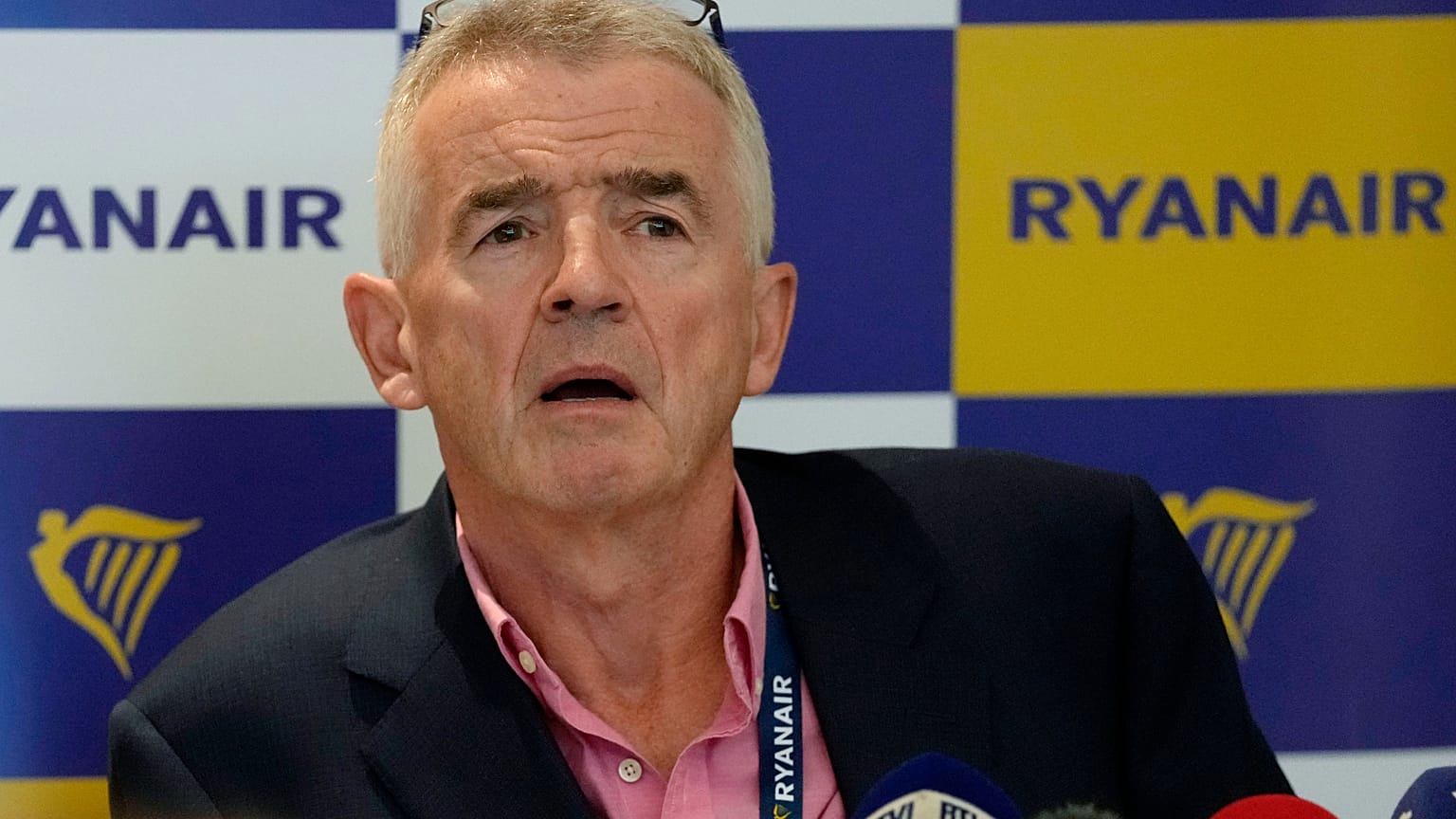
Ryanair CEO Michael O’Leary predicts European airfares could rise by 10% to 20% in 2027, which he described as potentially the biggest increase in European history. He attributes the expected rise chiefly to sharply higher jet fuel costs, with the Iran war driving up oil prices, and says airlines’ fuel-price hedges will offer much less protection from April 2027. Ryanair has locked in fuel at about $67 a barrel this year, but O’Leary said the company’s oil price would double next year and that it will be 85% unhedged. He said many other European airlines are in a similar position. IATA’s monitor put average jet fuel prices in Europe and the CIS at $207.61 a barrel for the week ending 16 October, nearly 128% higher than a year earlier. The article also notes that Brent crude traded at $109.86 on Wednesday, near a five-month high, following the outbreak of the Iran war and the effective closure of the Strait of Hormuz. O’Leary expects fewer seats to be available in 2027 because of bankruptcies and takeovers, adding further pressure to fares. Separately, Ryanair announced cuts to its Belgian operations ahead of an increase in the country’s aviation tax from €2 to €7 in January 2027. The airline plans to remove 20 routes and 1.1 million seats from its Belgian winter schedule and move six aircraft to lower-cost European markets, blaming the tax increase. The article presents O’Leary’s forecast and the cost and capacity factors he cites, rather than independently confirming the projected fare increases.
Entities: Michael O’Leary, Ryanair, Euronews, Brussels, Belgium • Tone: analytical • Sentiment: negative • Intent: inform
21-10-2026
U.K. annual inflation rose to 3.5% in September, up from 3.1% in August and 2.9% in July, exceeding the 3.4% forecast by economists surveyed by Reuters. The increase was driven largely by motor fuel, whose prices rose 29.8% over the year. The Office for National Statistics said fuel inflation reached its highest level since August 2022, when energy costs surged after Russia’s full-scale invasion of Ukraine. As a net energy importer, the U.K. is vulnerable to external supply shocks, including disruption associated with the U.S.-Iran war and difficulties moving oil through the Strait of Hormuz.
The data strengthened expectations that the Bank of England will raise interest rates. Markets were pricing in a 98% chance of a 25-basis-point increase to 4% at the bank’s next meeting, and most traders also expected another quarter-point increase in December. J.P. Morgan Personal Investing strategist Scott Gardner said that services inflation had accelerated, raising concern that price pressures could spread beyond energy. The pound and government bond yields were little changed after the release.
Higher inflation also complicates the government’s fiscal plans ahead of Chancellor John Healey’s first Autumn Budget, due the following week. Healey must adhere to fiscal rules intended to restrain public debt while addressing household costs. Separate figures showed national debt exceeded £3 trillion in September for the first time, while debt-servicing costs have risen and economic growth remains weak. Healey said he would maintain fiscal discipline while seeking growth and giving businesses and families room to cope.
Economist Suren Thiru warned that rising prices are increasing calls for cost-of-living support while also raising government borrowing costs and reducing the Chancellor’s fiscal room to maneuver. He said the data made a November rate rise more likely and urged the government to avoid a budget that would add to inflation.
Entities: United Kingdom, Office for National Statistics (ONS), Bank of England, Autumn Budget, John Healey • Tone: analytical • Sentiment: negative • Intent: inform