21-10-2026
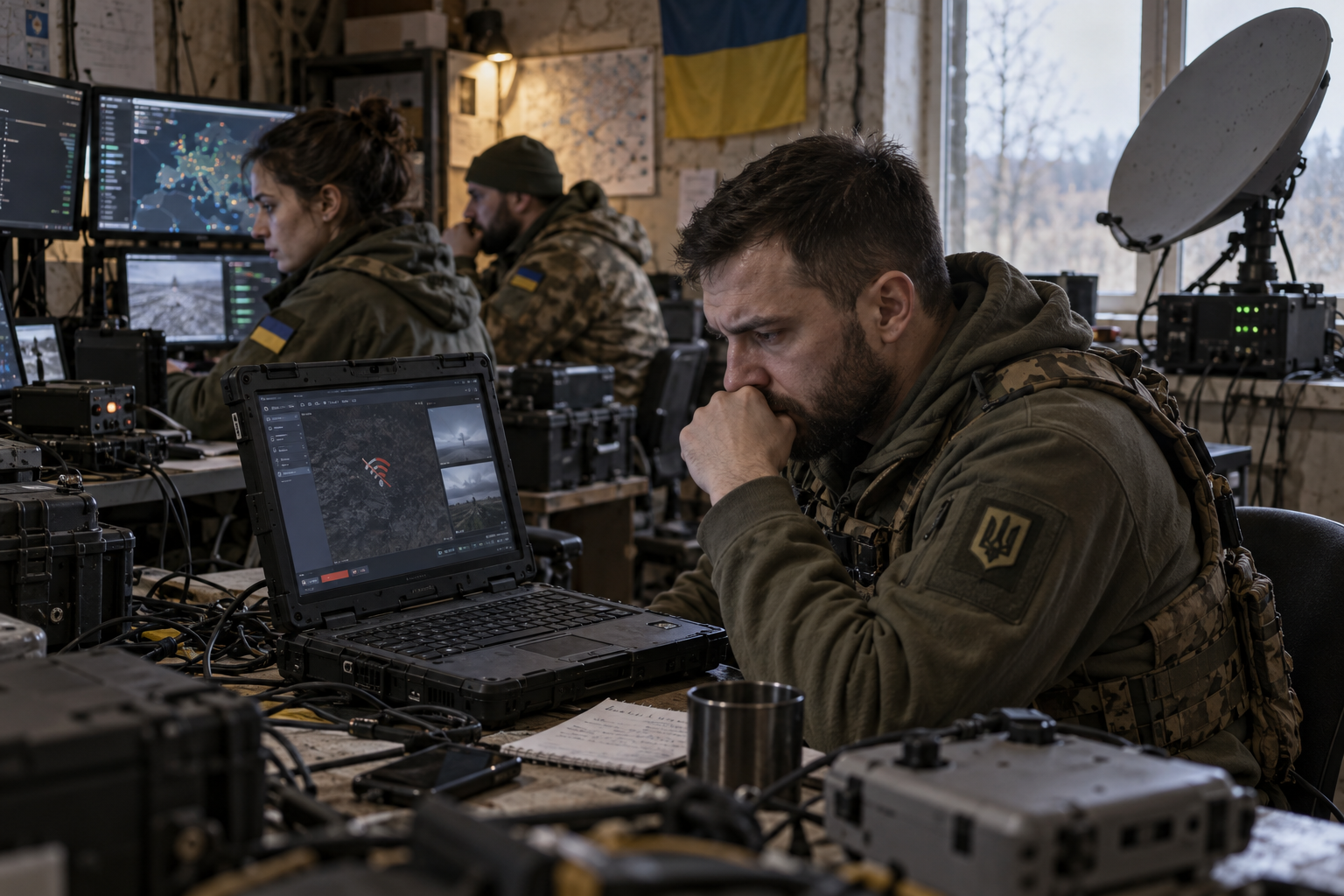
CBS News reports that Elon Musk’s decision led to restrictions on Ukraine’s access to SpaceX’s Starshield satellite communications service, according to people familiar with the matter. The service supports Ukrainian drone operations, battlefield communications, and protection of sites. Ukrainian officials and soldiers said equipment began experiencing sudden connection difficulties late Tuesday, including slowdowns and dropped links that made fast-moving drones difficult or impossible to operate. Ukrainian sources said SpaceX imposed the restrictions unilaterally, though the report says it is unclear how Musk’s order was carried out.
Musk had spoken with administration officials before the order and reportedly sought clarity on President Donald Trump’s position. He has objected to SpaceX being perceived as profiting from the war. Musk has also said the U.S. government determines access to Starshield and that limits are decided by the U.S. military and ultimately the president. Trump said he wanted to learn who ordered the slowdown, while Defense Secretary Pete Hegseth said the Pentagon had not issued a directive or withdrawn service. Zelensky said limits remained and asked Secretary of State Marco Rubio to help restore service. U.S. lawmakers from both parties called for an investigation, citing risks to lives.
The article explains that Starshield is a military-grade service built for the U.S. government and partners, based on technology similar to civilian Starlink. It is important to Ukraine because there is no comparable alternative. Unlike Starlink’s 70-kilometer-per-hour cap for moving vehicles, Starshield can operate at higher speeds; Ukrainian strike drones commonly fly at 160 kilometers per hour or faster. Reported link failures at speeds as low as 90 kilometers per hour impaired drone missions and may have caused tens of millions of dollars in losses, according to a Ukrainian analyst. Zelensky said restrictions also affected efforts to intercept Shahed drones.
The report places the dispute amid worsening tensions between Trump and Zelensky over the war, U.S. support, energy infrastructure strikes, sanctions, and negotiations. Trump has criticized Zelensky, while Zelensky has accused Russia of continuing attacks despite an announced energy ceasefire that Russia never confirmed.
Entities: Elon Musk, Volodymyr Zelensky, Donald Trump, Pete Hegseth, SpaceX • Tone: analytical • Sentiment: negative • Intent: inform
21-10-2026
The Wall Street Journal reported that Elon Musk ordered a slowdown to a version of SpaceX’s Starlink satellite network used by Ukraine during its war against Russia. Citing U.S. officials and people familiar with the matter, the newspaper said Musk capped the speeds at which Ukrainian equipment could connect to the network. The change reportedly left some Ukrainian drones virtually inoperable.
The report also said Musk and President Donald Trump discussed throttling Starlink soon after the change became public last week. One source told the Journal that Musk had spoken about the matter with several senior Trump administration officials, including Trump, before the speed cap was imposed. Musk and Trump have both recently criticized Ukrainian President Volodymyr Zelenskyy.
The White House and an email address associated with Musk did not immediately respond to CNBC’s requests for comment. SpaceX’s latest quarterly earnings call, held after the Journal’s report appeared, did not mention the story. Trump said Monday that he did not know who had ordered the interruption but wanted to find out.
According to the Journal, Zelenskyy’s public complaints that the slowdown weakened Ukraine’s defenses against Russian attacks prompted an informal White House investigation. Musk had previously written on X that Starshield—the military-grade version of Starlink—is owned and controlled by the U.S. government, and that the U.S. military and ultimately the president decide any speed or usage limits. The article presents the reported decision, its effects, and the responses without independently resolving who authorized the change.
Entities: Elon Musk, Donald Trump, Volodymyr Zelenskyy, SpaceX, Starlink • Tone: neutral • Sentiment: negative • Intent: inform
21-10-2026
A Wall Street Journal report, citing US officials and other unnamed sources, says Elon Musk ordered a speed cap on a military-grade version of SpaceX’s Starlink satellite service used by Ukraine. Kyiv depends on Starlink for battlefield communications and drone operations, so restricting access could affect both offensive and defensive missions against Russia. The report says Musk imposed the cap the previous week, leaving some attack drones and interceptor drones nearly unusable.
Accounts differ on whether Musk acted alone or consulted the US administration. Some officials reportedly believed he made the decision unilaterally and said President Donald Trump had not specifically ordered retaliation against Ukraine. Other sources told the Journal that Musk spoke with several senior administration officials, including Trump, before the speed limit was imposed. Musk and Trump had both criticized Ukraine over attacks on Russian diesel refineries, which Trump has linked to high energy prices.
The report follows Trump’s statement that he did not believe he or Musk was responsible for Ukraine losing Starlink access. Musk, meanwhile, had said limits on speed or use were decided by the US military or the president. At the time of publication, Musk, SpaceX and the White House had not responded to the report.
The article also notes parallel diplomatic activity: US envoy Steve Witkoff was scheduled to meet Russian President Vladimir Putin after what a US official described as constructive talks with Ukrainian President Volodymyr Zelenskyy in Norway. Trump said Ukraine should end the war. The report presents the Starlink decision as consequential for Ukraine’s military operations while leaving unresolved who authorized it and how closely the decision was coordinated with US officials.
Entities: Elon Musk, SpaceX, Starlink, Ukraine, Russia • Tone: analytical • Sentiment: negative • Intent: inform
21-10-2026
The article reports conflicting accounts of who ordered restrictions on Ukraine’s access to Starshield, SpaceX’s military-grade satellite internet service. The Wall Street Journal, citing US officials, reported that Elon Musk chose to cap the service’s speed on October 14 without consulting the White House. Another source familiar with the incident said Musk had consulted senior administration officials and President Donald Trump. The restrictions reportedly prevented objects traveling faster than 100 mph from connecting, disrupting Ukrainian offensive and interceptor drone operations. The interruption occurred as Russia attacked Ukrainian power plants, despite a fragile energy cease-fire brokered by Trump on October 11.
Musk denied limiting access, saying Starshield is owned and controlled by the US government and that usage limits are decided by the US military and ultimately the president. He distinguished Starlink, a commercial SpaceX service, from Starshield and said Starlink should be limited to civilian or defensive uses. Trump and other US officials also denied responsibility or said they did not believe service had been slowed. Accounts from Reuters and The Telegraph reportedly differed over whether Musk or the White House was responsible. A US administration official told the New York Post that the incident involved “Pentagon freelancing,” not direct White House involvement.
Ukrainian President Volodymyr Zelensky said the instruction came from the US government and that SpaceX implemented it. Secretary of State Marco Rubio denied any lapse in Starlink service or intelligence sharing, describing the interruptions on October 13 and 18 as technical rather than the result of a US directive. The report places the dispute amid wider tensions: Trump has criticized Zelensky over peace talks, and the two governments disagree over a US arrangement to buy Russian diesel exports. The White House and SpaceX had not responded to the Post’s requests for comment.
Entities: Elon Musk, Volodymyr Zelensky, Donald Trump, Marco Rubio, Pete Hegseth • Tone: analytical • Sentiment: negative • Intent: inform