21-09-2026
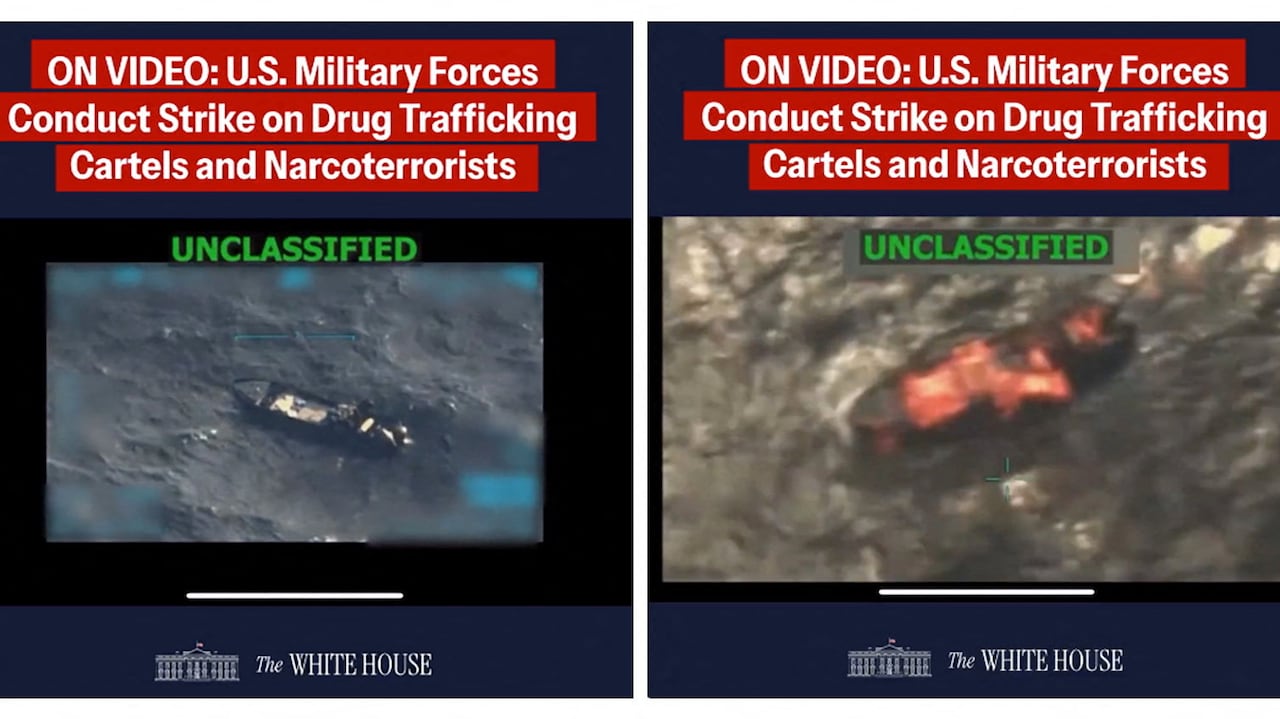
A United Nations report has concluded that recent US airstrikes against vessels allegedly involved in drug trafficking may have violated international law and could amount to crimes against humanity. UN Special Rapporteur Ben Saul reported that at least 68 US strikes had taken place in the Caribbean and Pacific outside US territorial waters since September of the previous year, killing 223 people. He argued that even if the vessels’ occupants were members of designated terrorist organizations, they had not launched an armed attack against the United States that would justify self-defence under international law.
The report was published two days after the US military announced that four people had been killed in a strike on a vessel in the Caribbean. US Southern Command said intelligence showed the vessel was actively involved in drug trafficking and described those killed as “narco-terrorists.” The operation, known as Southern Spear, began in early September and is intended by US officials to remove alleged narco-terrorists from the Western Hemisphere and protect Americans from drugs.
Saul nevertheless characterized the strikes as a series of extrajudicial killings. He said they were not justified under the right to life, international humanitarian law, maritime law, drug-control conventions, or international counter-terrorism law. He concluded that there were reasonable grounds to believe the attacks constituted murder as a crime against humanity under customary international law.
The US military has not provided definitive evidence that the targeted vessels were involved in trafficking. The strikes have faced legal criticism from experts and political opposition from Latin American leaders, particularly officials in Venezuela and Colombia. The White House and State Department were contacted for comment. The article also notes that Venezuelan leader Nicolás Maduro was later captured by US forces and that Colombian President Gustavo Petro left office after a Trump-backed candidate won the presidential election.
Entities: Ben Saul, United Nations Human Rights Council, US military, US Southern Command (Southcom), White House • Tone: analytical • Sentiment: negative • Intent: inform
21-09-2026
A United Nations special rapporteur, Ben Saul, has criticized the U.S. military campaign of missile strikes against boats allegedly transporting drugs in the Caribbean Sea and Pacific Ocean. Saul characterizes the attacks as "serial extrajudicial killings" and concludes that they may violate international law, the right to life, and potentially amount to crimes against humanity. The campaign has reportedly killed at least 231 people in 69 strikes since September 2025, including four people killed in a strike shortly before the report was published.
The administration of U.S. President Donald Trump says the strikes are justified as self-defence during an armed conflict with narco-terrorists. It has also invoked the Alien Enemies Act to describe Venezuela's Tren de Aragua gang as part of an invasion or irregular warfare campaign against the United States. Saul argues that the government has not demonstrated that the boats posed a threat of armed attack, that Venezuela directed the vessels, or that drug trafficking is equivalent to a military attack. He says 68 earlier strikes that killed 223 people could constitute murder under international law.
The report also raises questions about three vessels that disappeared or sank under suspicious circumstances, including Ecuador's Fiorella, whose crew members vanished in January. The prosecutor investigating the disappearances was later fatally shot.
U.S. officials say intelligence is reviewed and legal officers approve each strike, but the criteria used to identify targets remain classified. Senators Tim Kaine and Rand Paul have questioned whether the presence of drugs or weapons is even part of the targeting criteria. Lawmakers have also expressed alarm over a September 2025 double strike that killed people who had survived the initial attack, potentially violating the duty to rescue at sea. The article notes that the U.S. military has not publicly provided evidence that the latest boat targeted was carrying drugs.
Entities: Ben Saul, United Nations special rapporteur, U.S. military boat-strike campaign, Donald Trump administration, Caribbean Sea and Pacific Ocean • Tone: analytical • Sentiment: negative • Intent: analyze
21-09-2026
A United Nations special rapporteur has concluded that there are reasonable grounds to believe that dozens of US attacks on boats allegedly involved in drug trafficking in the Pacific and Caribbean may constitute crimes against humanity. The strikes, conducted since September 2025 under the stated justification of preventing maritime drug trafficking into the United States, have killed more than 230 people. The latest attack, on a Caribbean vessel, reportedly killed four.
Ben Saul, the UN special rapporteur, said the attacks amounted to serial extrajudicial killings and violated the right to life. His briefing note argued that the strikes were not justified under national or personal self-defence, international humanitarian law, the law of the sea, narcotics-suppression conventions or international counter-terrorism law. Saul cited 68 attacks resulting in 223 deaths and said there were reasonable grounds to regard them as crimes against humanity involving murder, although independent tallies put the death toll at 234 in 66 attacks.
US Southern Command has described the operations as lethal strikes against “narco-terrorists”, claiming intelligence showed that targeted vessels were actively involved in drug trafficking. However, the US has generally not identified the victims or released details supporting those intelligence claims. Saul rejected former President Donald Trump’s argument that the strikes constituted self-defence against designated terrorist organizations, noting that the crews were not shown to possess the capacity or intention to launch armed attacks against the United States.
The US Department of State had not responded to a request for comment. The article also reports that available data does not support Trump’s claim that the strikes stopped 97% of illegal drugs entering the US by sea. Journalists and human rights groups have identified some victims as innocent people or low-level participants in trafficking networks, intensifying concerns over the legality and proportionality of the campaign.
Entities: Ben Saul, Donald Trump, US Southern Command, US Department of State, United Nations Human Rights Council • Tone: analytical • Sentiment: negative • Intent: analyze