21-07-2026
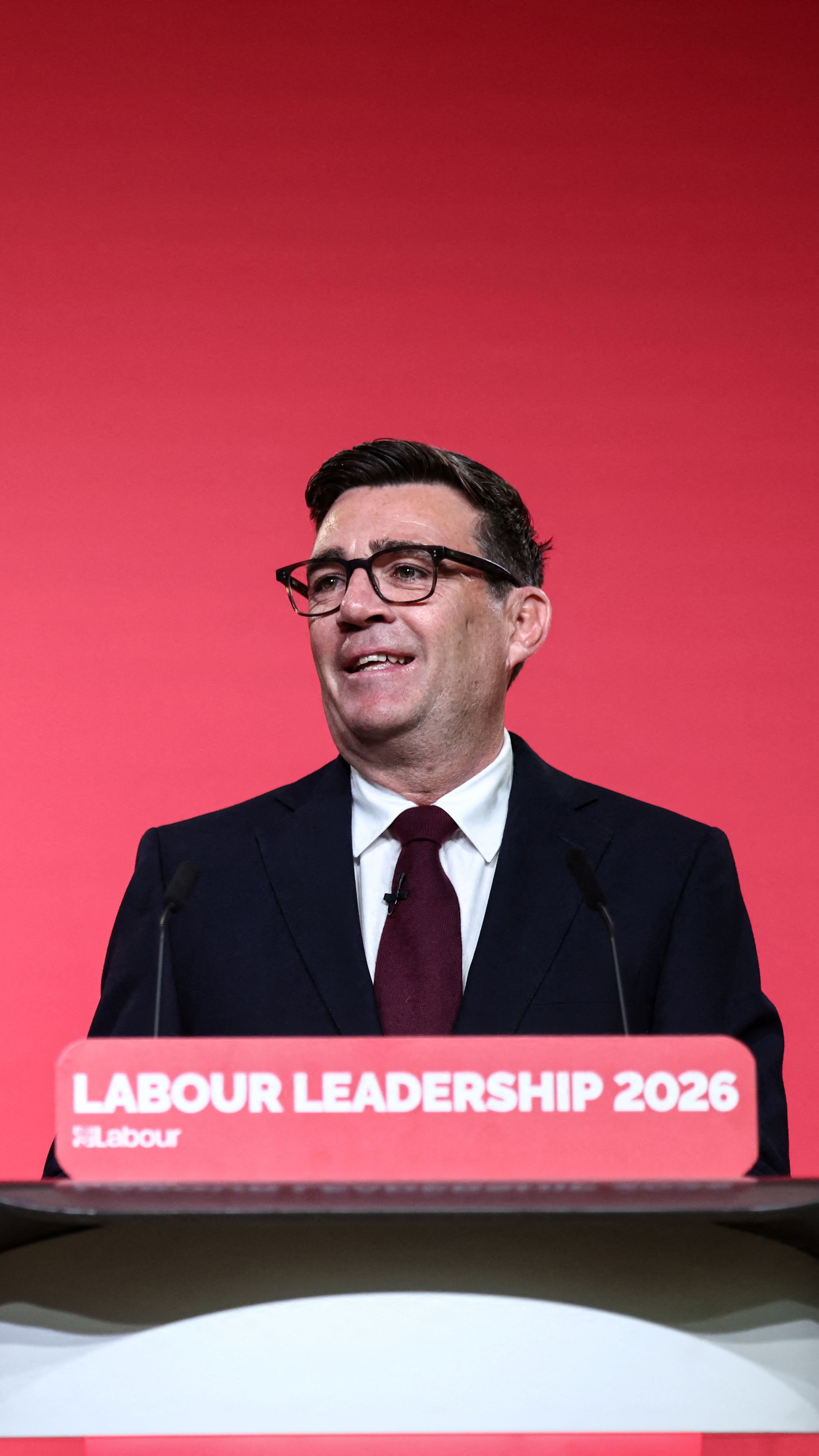
The article reports that Andy Burnham has become the United Kingdom’s new prime minister after Keir Starmer departed 10 Downing Street, making Burnham Britain’s seventh prime minister in a decade. His ascent followed a constitutional formality in which King Charles III invited him to form a government, highlighting how the U.K.’s parliamentary system allows a governing party to replace its leader without a national election. Burnham’s first remarks emphasized the need for stability, reflection, and a renewed effort to make politics work better for ordinary people. He presented himself as a leader who wants to reset government by shifting power and investment away from London toward regional and local authorities and by tackling the cost-of-living crisis.
The article frames Burnham as an experienced political figure, not a newcomer, citing his long tenure as Mayor of Greater Manchester and his past cabinet service in Labour governments. It notes that his leadership will face immediate domestic and international tests. At home, he inherits a Labour Party squeezed by both Reform UK on the right and the Green Party on the left, in a political environment marked by repeated promises of renewal from recent prime ministers. Abroad, he must manage a difficult relationship with President Donald Trump, who has criticized him in the past, though the two held a positive first call and discussed trade, oil, military issues, and the Strait of Hormuz. Overall, the piece suggests Burnham’s biggest challenge may be proving not just that he can govern well, but that he can restore trust and remain in office longer than his recent predecessors.
Entities: Andy Burnham, Keir Starmer, King Charles III, Donald Trump, 10 Downing Street • Tone: analytical • Sentiment: neutral • Intent: inform
21-07-2026
The article is a brief CNN video item about Andy Burnham, described as the UK’s seventh prime minister in ten years, making his first public speech outside Number 10 Downing Street. The key point is not the policy content of the speech but the symbolism of the moment: Burnham spoke without the traditional lectern, signaling a more informal public style at the start of his administration. In his remarks, he promised to make his government more capable and responsive, saying it would "raise our game" and meet the "new challenge" of governing. The piece frames the event as a notable political transition, emphasizing both the unusual presentation and the sense of instability implied by the short tenure history of recent British prime ministers. Because this is a video post, the rest of the page is largely related CNN video recommendations and unrelated headlines, not part of the core article. Overall, the article functions as a quick news update and visual report on the new prime minister’s first appearance and messaging, rather than a deep analysis of his agenda or the circumstances of his rise to office.
Entities: Andy Burnham, United Kingdom, Number 10 Downing Street, prime minister, Downing Street • Tone: analytical • Sentiment: neutral • Intent: inform
21-07-2026
Andy Burnham has become the new UK prime minister after being invited by King Charles III to form a government, replacing Keir Starmer. In his first remarks outside 10 Downing Street, Burnham promised to change British politics by making it more collaborative and less focused on point-scoring, while also shifting power away from London and toward local communities. He argued that Britain needs a “new political model” and “a new economic model,” including stronger public control over essential services and efforts to reindustrialize the country and support British industry through public procurement.
Burnham, who previously served as mayor and has often criticized Donald Trump, inherits a politically fragile situation marked by economic strain, instability, and questions about the UK’s direction. The article highlights that his relationship with Washington may become an early foreign-policy test, since he has warned against importing America’s polarized political culture, even while pledging continuity on NATO, the UK nuclear deterrent, and support for Ukraine. Outgoing Prime Minister Keir Starmer formally resigned and wished Burnham success, describing the transition as passing the baton. The piece also notes that Burnham became Labour leader unopposed and took office without a general election, prompting criticism from Reform UK, which says he lacks a direct nationwide mandate.
Entities: Andy Burnham, Keir Starmer, King Charles III, 10 Downing Street, Buckingham Palace • Tone: analytical • Sentiment: neutral • Intent: inform
21-07-2026
The article reports that Britain’s incoming prime minister, Andy Burnham, is using social media in a style comparable to New York City Mayor Zohran Mamdani to build support for major policy proposals. The piece frames this as a sign of a new era in British politics, suggesting that Burnham’s communication strategy is more modern, direct, and digitally oriented than traditional political outreach. Rather than relying solely on formal speeches, press interviews, or party machinery, Burnham is depicted as embracing online platforms as a central tool for political persuasion and public engagement. The article is brief and video-driven, with CNN’s Clare Sebastian providing the reporting. Its emphasis is less on the details of Burnham’s policies and more on the significance of his media strategy and what it may represent for the future of political campaigning and leadership in the UK.
Entities: Andy Burnham, Zohran Mamdani, Britain, United Kingdom, New York City • Tone: analytical • Sentiment: neutral • Intent: inform