19-09-2026
US diesel prices have reached a record $6.31 per gallon, creating fresh concerns for industries that depend on heavy-duty fuel, including logistics, agriculture, construction, mining, manufacturing and military operations. The surge is being driven by supply disruptions linked to conflicts in the Middle East and Ukraine, reduced refinery output and falling inventories of middle distillates, the category that includes diesel.
Although US diesel remains cheaper than in many other countries, its importance to the wider economy means sustained high prices could raise freight, food, construction and consumer costs. Saxo Bank commodities strategist Ole Hansen described diesel as a larger economic problem than crude oil because it is a direct input into transportation and industrial activity. Barclays analysts similarly warned that the US has become a crucial supplier of refined petroleum products as supplies from Gulf refineries and Russia have been disrupted, draining American stockpiles.
The article notes that diesel prices vary significantly worldwide because diesel lacks a single global exchange benchmark and is affected by regional supply, demand, transport costs and taxes. Hong Kong has the highest reported price at $4.695 per litre, while oil-producing countries such as Venezuela, Iran and Libya have among the lowest. The US price is approximately $1.66 per litre, placing it around the global midpoint.
The outlook remains uncertain. Disruptions involving the Strait of Hormuz, attacks by Yemen’s Houthi rebels, halted Russian exports and the closure of Saudi Arabia’s East-West pipeline have intensified concerns about supply. China’s falling inventories could also lead Beijing to reduce exports. The US Energy Information Administration expects average US diesel prices of $5.07 per gallon in 2026 and $4.40 in 2027, while forecasting domestic distillate inventories will remain below the five-year average through much of 2027. The International Energy Agency said inventories have so far helped balance the market, but global production is expected to remain constrained.
Entities: US diesel prices, Middle East conflicts and the Iran war, Russia-Ukraine war, United States Energy Information Administration (EIA), International Energy Agency (IEA) • Tone: analytical • Sentiment: negative • Intent: analyze
19-09-2026
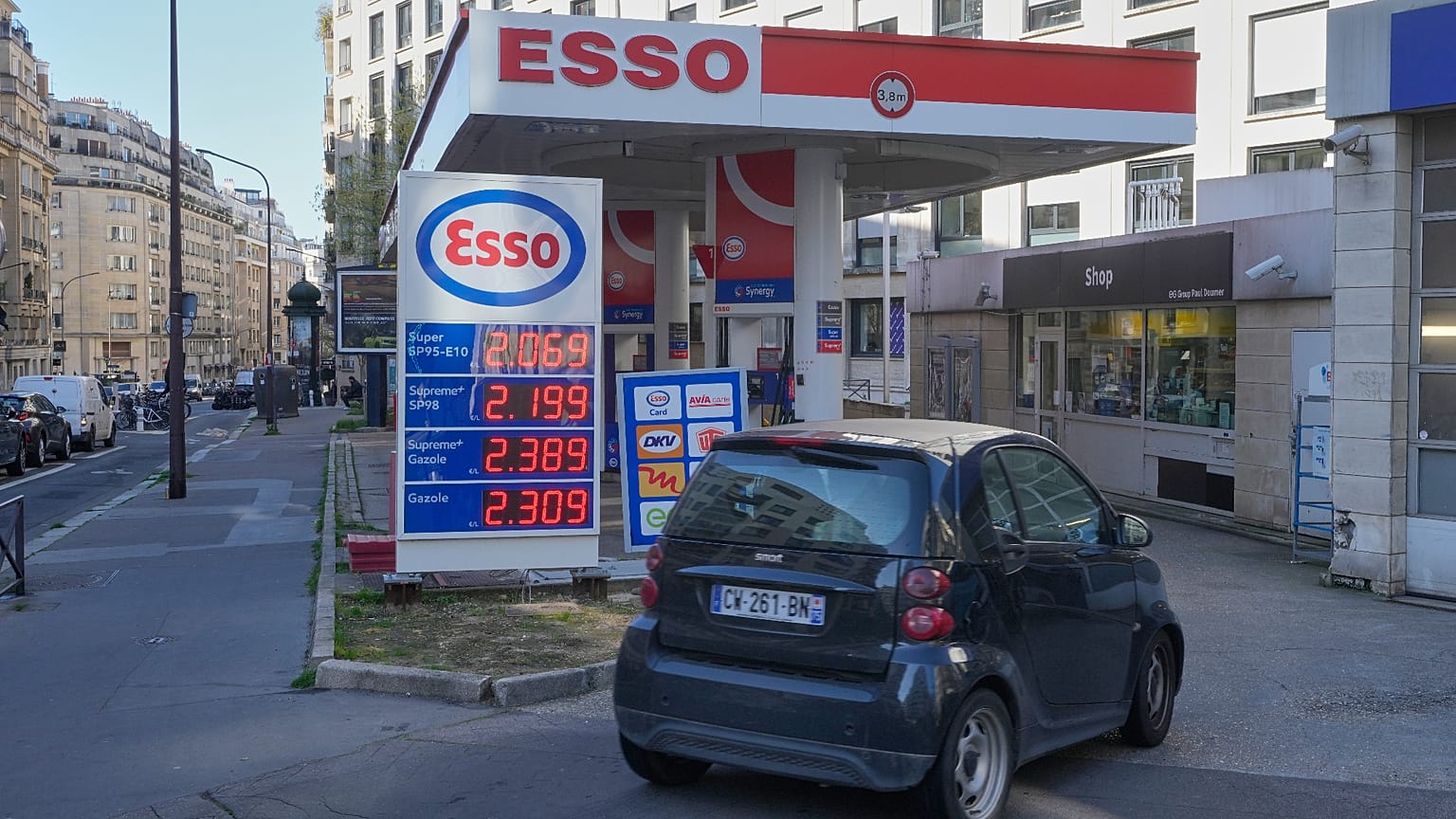
Petrol and diesel prices across the European Union reached record highs in September 2026, according to the European Commission. The weighted EU average stood at €2.063 per litre for petrol and €2.159 for diesel on 14 September, making the average cost of filling a 50-litre tank approximately €103 and €108, respectively. Prices have risen sharply since the outbreak of conflict in the Middle East and the war with Iran, which disrupted energy flows through the Strait of Hormuz. Brent crude climbed above $126 per barrel at the height of the conflict and remained above $104 for near-month delivery, compared with roughly $72 before the war.
The article notes that crude oil is only one component of retail fuel prices. Refining and distribution costs, margins, excise duties and VAT also contribute significantly. ECB calculations indicate that taxes accounted for about 44% of the euro-area diesel price and 52% of the petrol price in July. In the third week of September, refining margins were estimated to contribute €0.41 per litre, or 19% of the pump price, for diesel and €0.17, or 8%, for petrol.
ECB experts told Euronews Business that petrol refining margins likely peaked in August, while diesel margins are expected to peak in October based on futures prices. Since the start of 2026, the EU-average petrol price has increased by about 29% and diesel by almost 40%, intensifying energy inflation in the eurozone, which reached 14.3% in August.
Prices vary widely between member states, with petrol cheapest in Malta and most expensive in Denmark, while diesel ranges from Malta to Finland. Further supply disruptions, including Saudi Aramco’s reported suspension of October oil deliveries to European refiners, could prolong the pressure. The ECB warns that renewed energy-supply disruptions may push prices higher for longer. A ceasefire, restored flows through the Strait of Hormuz and renewed global refining activity could eventually reduce prices, although damage to Russian refining capacity may keep margins elevated.
Entities: European Union, European Commission, European Central Bank, Euronews Business, LSEG • Tone: analytical • Sentiment: negative • Intent: inform
19-09-2026
Germany’s federal government has agreed to reduce taxes on gasoline and diesel by approximately €0.17 per litre from October, responding to record-high fuel prices and growing political pressure on Chancellor Friedrich Merz. The measure consists of a €0.14 reduction in the energy tax and a further €0.03 reduction in sales tax. The agreement followed negotiations between the federal and state governments over how the relief would be financed.
Fuel prices have become a major political issue as benchmark oil prices rose above $100 a barrel amid the Iran war. The nationwide average price of a litre of E10 gasoline reached a record €2.286 earlier in the week. Merz’s approval ratings have fallen to record lows, increasing the significance of the government’s decision.
The tax announcement comes just before elections in Berlin and Mecklenburg-Western Pomerania. Merz’s conservative Christian Democratic Union (CDU) is expected to suffer substantial losses in both votes. Mecklenburg-Western Pomerania is a largely rural state where many residents depend on cars, making fuel prices especially politically sensitive. State Premier Manuela Schwesig has accused Merz’s government of failing to respond to rising costs and has called for a nationwide fuel-price cap modeled on Luxembourg’s system.
The elections will also be watched because the far-right Alternative for Germany (AfD) recently came close to winning an absolute majority in Saxony-Anhalt. The result has heightened attention on the CDU’s performance and the broader political consequences of the cost-of-living crisis.
Germany had already temporarily reduced the energy tax from May through June, lowering petrol and diesel prices by roughly €0.17 per litre. Widespread calls followed for the measure to be extended. Bild reported that Berlin is also considering a petrol-price cap linked to the international oil price, although such a plan would require negotiations with the leaders of Germany’s regional states.
Entities: Germany, Friedrich Merz, Christian Democratic Union (CDU), Berlin, Mecklenburg-Western Pomerania • Tone: analytical • Sentiment: negative • Intent: inform