09-09-2026
The International Atomic Energy Agency (IAEA) board of governors has referred Iran to the UN Security Council for failing to comply with its obligations under the Nuclear Non-Proliferation Treaty. It is the first referral of this kind by the nuclear watchdog in 20 years. The resolution, introduced by the UK, France, Germany and the US, passed in Vienna with the support of 23 countries. Eight countries abstained, while China, Russia and Niger voted against it. The resolution asks IAEA Director General Rafael Grossi to report Iran’s non-compliance to the Security Council.
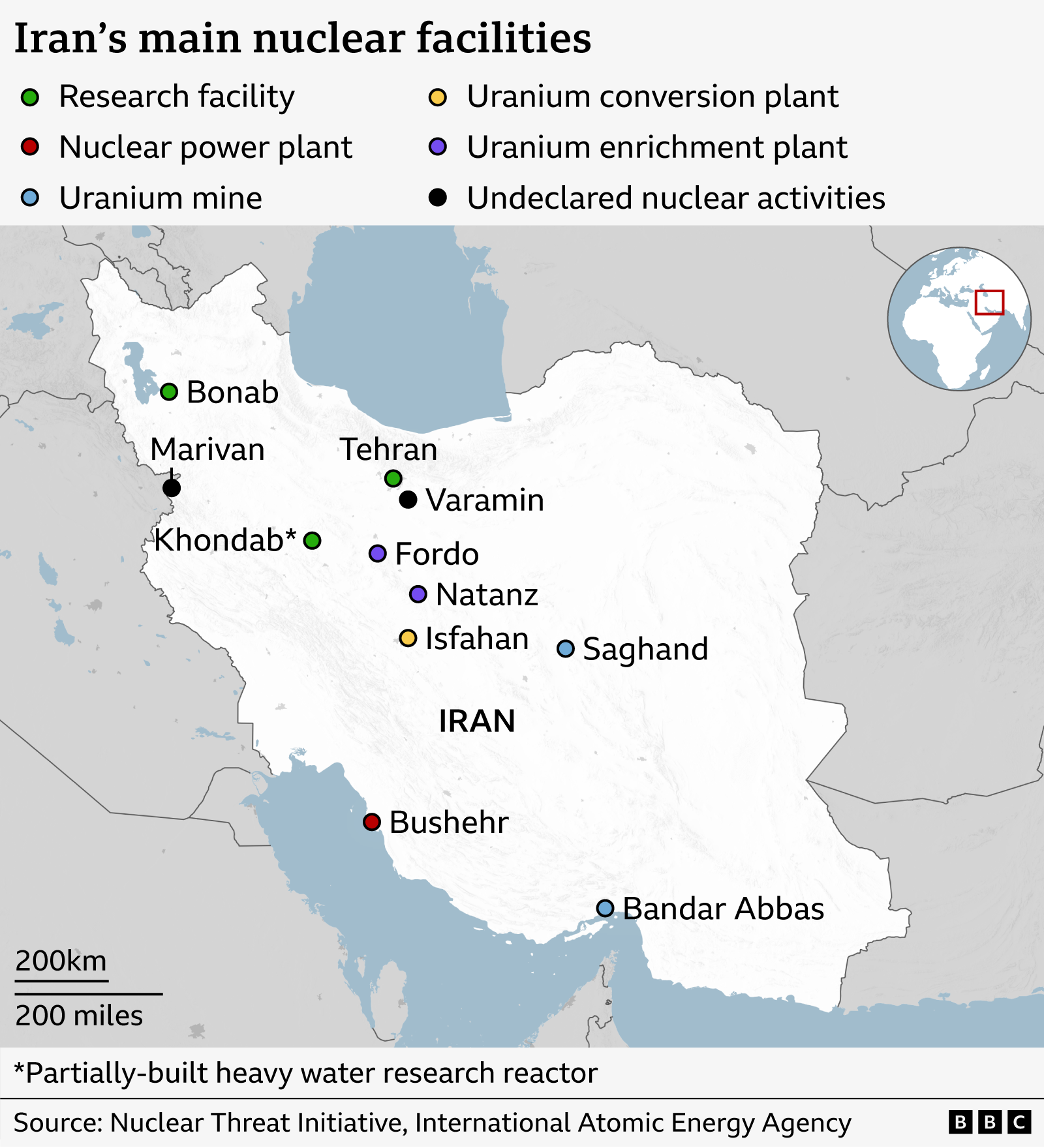
The IAEA says Iran has failed to provide adequate information about its nuclear materials, including its stockpile of highly enriched uranium, and has denied inspectors access to key facilities. Inspectors have been unable to visit Iran’s nuclear sites since Israeli and US strikes during a 12-day conflict in June 2025, with further attacks reported during the latest war that began on 28 February. Iran argues that the strikes disrupted the verification process and says they justify restricting access. Tehran also wants inspections to be addressed as part of a broader agreement with the US and Israel to end the conflict.
Iranian Deputy Foreign Minister Kazem Gharibabadi condemned the resolution, accusing the attacking countries of creating the conditions for disrupted inspections and then using that disruption against Iran. Tehran continues to insist that its nuclear programme is peaceful, while the US, Israel and several European countries suspect Iran may be seeking the capability to build a nuclear weapon.
Further sanctions are considered unlikely because China and Russia, both opponents of the resolution, hold veto power on the Security Council. The article notes that Iran possessed approximately 440kg of uranium enriched to 60% at the start of the latest conflict. That material could be enriched relatively quickly to the 90% level generally associated with weapons-grade uranium, intensifying international concern.
Entities: International Atomic Energy Agency (IAEA), Iran, UN Security Council, Nuclear Non-Proliferation Treaty, Rafael Grossi • Tone: analytical • Sentiment: negative • Intent: inform
09-09-2026
The International Atomic Energy Agency’s Board of Governors has referred Iran to the United Nations Security Council for the first time in 20 years. The resolution, adopted at IAEA headquarters in Vienna, cites Iran’s failure to cooperate with a long-running investigation into uranium traces found by inspectors at undeclared sites. Western officials believe the traces may indicate that Iran operated a secret nuclear weapons programme until 2003. Tehran denies pursuing nuclear weapons and maintains that its nuclear activities are entirely peaceful.
The referral creates the possibility of new international sanctions and asset freezes against Iran. However, the article notes that significant punitive action is considered unlikely because Russia and China, both allies of Iran, have veto power on the Security Council.
The resolution was supported by 23 of the IAEA board’s 35 members. China, Russia and Niger voted against it, while eight countries abstained and one country did not vote because it was behind on its financial contributions. The measure was proposed by the United States, Britain, France and Germany.
The decision comes amid continuing tensions over Iran’s nuclear programme and restricted international access to sensitive locations. The IAEA remains unable to inspect key sites damaged during US and Israeli military strikes in June 2025. The referral marks a significant escalation in the international dispute, although the immediate consequences may be limited by opposition from Russia and China.
Entities: Iran, International Atomic Energy Agency (IAEA), United Nations Security Council, IAEA Board of Governors, Vienna • Tone: analytical • Sentiment: negative • Intent: inform
09-09-2026
The article explains the purpose, structure and current relevance of the nuclear Non-Proliferation Treaty (NPT), against the backdrop of Western powers seeking to report Iran to the United Nations Security Council. The United States, Britain, France and Germany have proposed a resolution at the International Atomic Energy Agency’s 35-nation Board of Governors. Diplomats expect it to pass, which would mark the first time in 20 years that Iran is formally reported to the Security Council for violating its NPT obligations.
The NPT entered into force in 1970 and has three central objectives: preventing the spread of nuclear weapons capabilities, protecting the right of member states to develop nuclear energy for peaceful purposes, and requiring the five recognized nuclear-weapon states—the United States, Britain, France, China and Russia—to pursue nuclear disarmament. The treaty has 191 parties. India and Pakistan never signed but developed nuclear weapons, while Israel is widely believed to possess an arsenal. North Korea withdrew from the treaty in 2003 and has since tested nuclear weapons.
The article also describes the treaty’s withdrawal provision, which permits a state to leave after giving three months’ notice if extraordinary events threaten its supreme national interests.
Iran has been an NPT member since 1970 and maintains that its uranium-enrichment programme is peaceful. Western governments and Israel suspect it is intended to support the development of nuclear weapons. The IAEA declared Iran in breach of its safeguards obligations in June 2025, citing failures to explain undeclared nuclear material and activities. A further resolution would be needed to refer the matter to the Security Council.
The article notes that Israeli and U.S. strikes damaged Iranian nuclear facilities in June 2025, after which Iran restricted IAEA access and failed to account for enriched uranium stocks. Sanctions imposed in 2006 were partly eased by the 2015 nuclear deal, but Donald Trump withdrew the United States from the agreement in 2018. Iran then expanded its nuclear programme and abandoned the deal’s limits.
Entities: Nuclear Non-Proliferation Treaty (NPT), Iran, International Atomic Energy Agency (IAEA), IAEA Board of Governors, United Nations Security Council • Tone: analytical • Sentiment: neutral • Intent: inform