08-09-2026
Hungary has ordered 10 Russian diplomats to leave Budapest over what Foreign Minister Anita Orbán described as “unacceptable” activities, arguing that the move protects the country’s security and sovereignty. The government has not disclosed specific evidence or details about the alleged activities. Moscow has threatened a severe retaliatory response, with its foreign ministry spokeswoman warning that the answer to the “Russophobic lobby” would be “harsh and painful.”
The expulsions mark a deterioration in relations between Hungary and Russia after years in which Hungary was considered Moscow’s closest ally within the European Union. Prime Minister Péter Magyar’s Tisza party, elected in April, has promised pragmatic relations with Moscow while also calling for an end to Russia’s war in Ukraine. The new government says Russia’s actions pose a threat to Hungary, Europe, the global order, and the Hungarian minority in Ukraine’s Transcarpathia region.
The article contrasts this approach with the previous Fidesz government led by Viktor Orbán, which maintained close ties with Moscow, cited the importance of inexpensive Russian oil, opposed or delayed some EU support and sanctions for Ukraine, and did not summon Russia’s ambassador after the invasion began. The current foreign minister did so after a major Russian drone attack on Transcarpathia.
Concerns about Russian espionage also feature prominently. A Russian investigative outlet reported before the election that a significant number of Russian embassy staff in Budapest had links to Russian intelligence agencies, although Russia rejected such allegations. Former Hungarian counter-intelligence chief András Telkes said the previous government had prevented action against suspected Russian spying.
The article concludes that Moscow’s likely response is uncertain. Telkes warns that a tit-for-tat expulsion of 10 Hungarian diplomats from Russia could effectively close Hungary’s embassy in Moscow, further escalating the diplomatic crisis.
Entities: Hungary, Russia, Budapest, Anita Orbán, Péter Magyar • Tone: analytical • Sentiment: negative • Intent: inform
08-09-2026
Hungary has ordered 10 members of Russia’s diplomatic mission to leave the country after authorities determined that they had engaged in activities incompatible with their diplomatic status. Foreign Minister Anita Orban said a Hungarian Foreign Ministry official had notified the Russian ambassador of the decision and that the individuals’ conduct was considered unacceptable under the Vienna Convention. Hungarian authorities made their assessment before ordering the diplomats to depart, although no details were provided about the alleged activities.
Orban said the expulsions were intended to protect Hungary’s “security and sovereignty.” Despite the action, she emphasized that Hungary was not breaking diplomatic relations with Russia. Budapest plans to maintain the necessary dialogue with Moscow, based on mutual respect and compliance with international rules.
The expulsions nevertheless represent a significant deterioration in Hungary-Russia relations. The move is particularly notable because Hungary had maintained a close relationship with Russia under former Prime Minister Viktor Orban. Anita Orban became foreign minister and deputy prime minister in May following a change of government led by Prime Minister Peter Magyar. The decision suggests that the new Hungarian government is willing to take a firmer stance toward Moscow on diplomatic and national-security matters while stopping short of a complete rupture.
The article does not identify the 10 diplomats by name or explain the specific activities that led to their expulsion. It presents the action as a major diplomatic measure, but one accompanied by Hungary’s stated intention to preserve communication with Russia.
Entities: Hungary, Russia, Anita Orban, Peter Magyar, Viktor Orban • Tone: analytical • Sentiment: negative • Intent: inform
08-09-2026
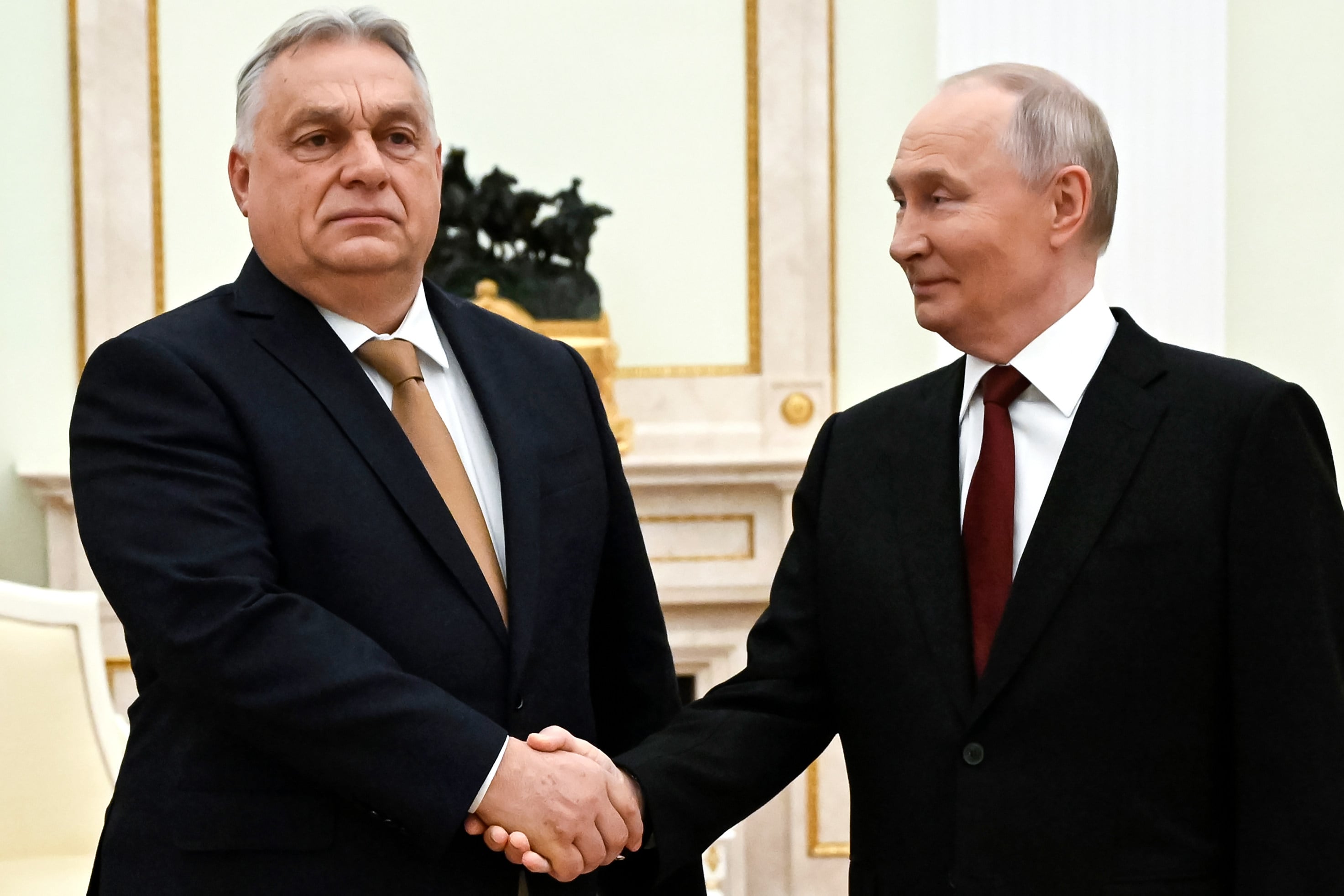
Hungary expelled 10 Russian diplomats on Tuesday, accusing them of acting in ways incompatible with their diplomatic status. The move marks a significant shift in Budapest’s relationship with Moscow and is presented as evidence that the pro-Russian era associated with former prime minister Viktor Orban has ended. Hungary stressed, however, that the expulsions do not amount to a decision to sever diplomatic ties with Russia.
Russia condemned the action and threatened retaliation. Foreign Ministry spokeswoman Maria Zakharova said Moscow’s response to what she called the “Russophobic lobby” in Budapest would be “harsh and painful,” according to local media. The article does not specify what measures Russia may take.
The expulsions represent a departure from Hungary’s policy under Orban, who remained in power for 16 years before being removed in April. Orban maintained close relations with Russian President Vladimir Putin even after Russia invaded Ukraine in February 2022. His government continued purchasing Russian oil and gas, delayed or opposed European Union sanctions against Moscow, and blocked a €90 billion EU loan package for Ukraine.
The decision also contrasts with the actions of many other European countries, which expelled dozens of Russian diplomats after the invasion. Hungary had expelled none during that period and, until Tuesday, had not publicly sent a Russian diplomat home since 2018. The development therefore signals a new and more confrontational phase in Hungary-Russia relations, while leaving open the possibility of continued diplomatic engagement.
Entities: Hungary, Budapest, Russia, Russian diplomats, Russian Foreign Ministry • Tone: analytical • Sentiment: negative • Intent: inform