05-10-2026
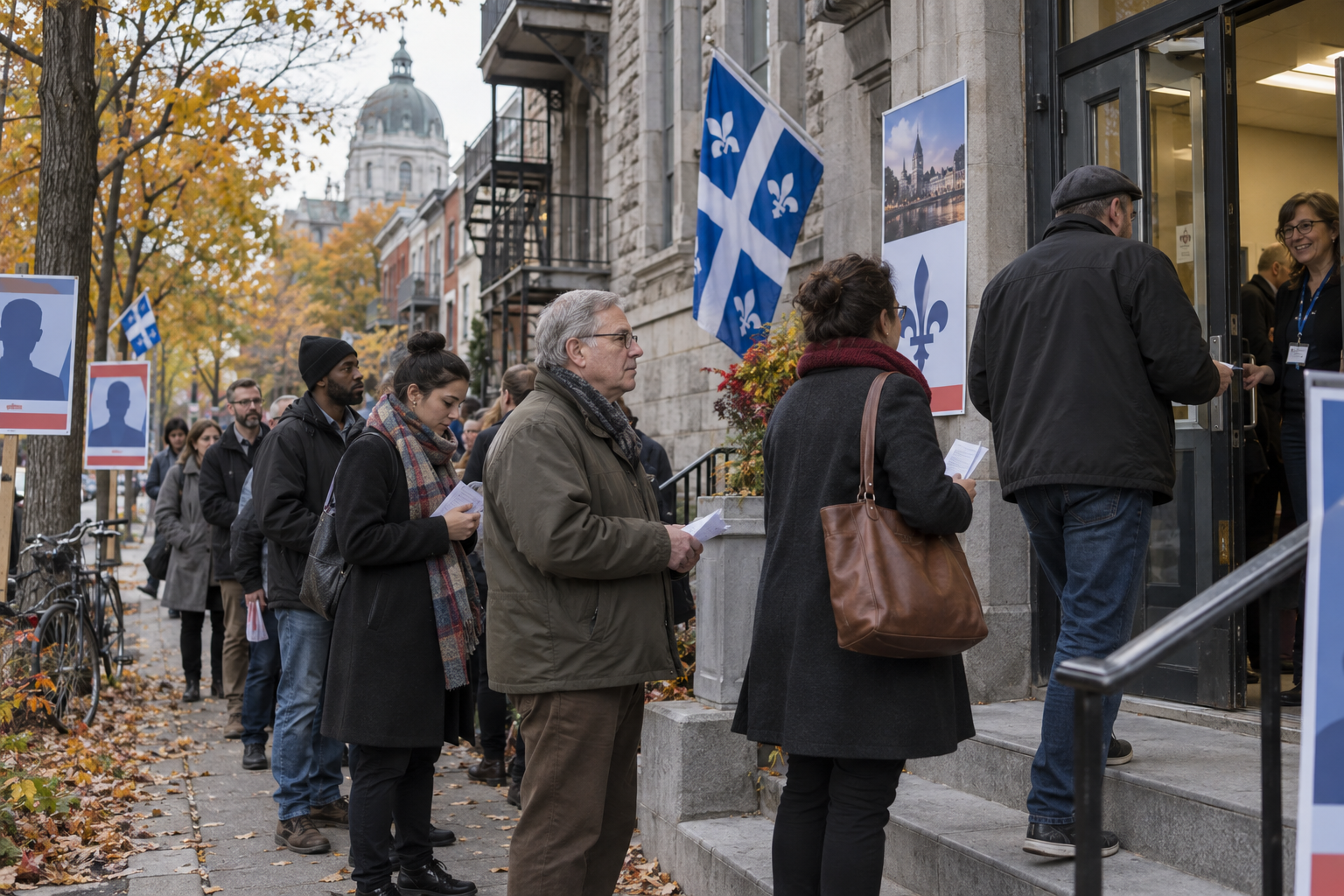
Quebec voters head to the polls in an election where Donald Trump’s tariffs and their effects on the province have overshadowed the long-running question of independence from Canada. The separatist Parti Quebecois (PQ) is expected to defeat the governing center-right Coalition Avenir Quebec (CAQ), which has been in power for eight years. The PQ argues that Quebec could better protect its French language and culture as an independent country, but it has postponed its pledge to hold a referendum until Trump leaves office, saying voters should be able to consider their future more calmly then.
Only about 30% of Quebecers currently support separation, well below the nearly 50% reached during the 1995 referendum. Analysts say a PQ victory would reflect dissatisfaction with the CAQ more than a popular mandate for independence. A large majority of voters surveyed by Leger want a change in government, amid frustration about high prices, strained healthcare services and tariff-related economic damage. Tariffs have hit important Quebec industries, including aluminum, steel and manufacturing. Premier Christine Frechette has framed Trump as the province’s principal adversary and argued that her party is best placed to respond.
The election also carries implications for Canadian unity, an issue emphasized by Prime Minister Mark Carney as the country faces pressure from the United States. Alberta, another province with separatist sentiment, is scheduled to hold a non-binding independence vote in October. PQ leader Paul St-Pierre Plamondon has ruled out negotiating directly with Washington for tariff relief, a position an analyst said reflects Trump’s deep unpopularity in Quebec.
A Leger poll published October 3 put the PQ at 29%, ahead of the Liberals at 25%, Conservatives at 20% and CAQ at 14%. The PQ could win a majority in the 127-seat legislature because support for other parties is divided. The party’s support may rise if it promises not to hold a referendum, according to Leger’s president. Quebec’s future and language concerns received limited attention in a leaders’ debate, although Plamondon urged voters not to fear another independence vote. Polling stations are scheduled to close at 8 p.m. Eastern time, with provisional results expected by midnight.
Entities: Quebec, Donald Trump, Parti Quebecois (PQ), Coalition Avenir Quebec (CAQ), Christine Frechette • Tone: analytical • Sentiment: neutral • Intent: inform
05-10-2026
Quebec’s separatist Parti Quebecois (PQ) is favoured to win the October 5 provincial election, potentially returning to power after 12 years in opposition. The result would test Prime Minister Mark Carney’s appeal to national unity, particularly as he confronts US President Donald Trump’s trade measures and annexation threats. However, the article says the PQ’s prospects appear to reflect voter frustration with affordability and declining public services more than a rising appetite for independence. Polls put both support for Quebec independence and support for the PQ at about 30%. Under the province’s first-past-the-post system, the party could nevertheless win a majority in the 127-seat National Assembly if federalist votes are divided among competing parties.
PQ leader Paul Saint-Pierre Plamondon says he would call a referendum on independence if elected premier, but not while Trump is in office. He has ruled out holding one before at least 2029, arguing that Quebec needs conditions for an informed and calm debate. The province has held two earlier independence referendums: federalists won in 1980, while the 1995 vote narrowly favoured remaining in Canada, with 50.58% voting to stay.
Plamondon has promised a relationship with Carney’s federal government based on a “balance of power,” while saying cooperation requires respect for Quebec. Carney has said he would work with the next Quebec premier in a spirit of cooperative federalism. The article places the election amid other pressures on Canadian unity, including a coming non-binding independence vote in oil-rich Alberta.
The PQ leader’s proposal to curb the monarchy’s role in Quebec may have broader public support than independence. A 2025 poll found that 87% of Quebecers felt no attachment to the British monarchy, and 31% viewed King Charles favourably. Plamondon proposes ending the lieutenant-governor’s activities and redirecting that office’s budget to combat homelessness.
Entities: Quebec, Parti Quebecois (PQ), Paul Saint-Pierre Plamondon, Mark Carney, Donald Trump • Tone: analytical • Sentiment: neutral • Intent: inform
05-10-2026
Quebec voters are expected to elect the separatist Parti Québécois (PQ) in the provincial election, potentially returning the independence movement to power for the first time in more than a decade. Led by Paul St-Pierre Plamondon, the party has pledged to hold a referendum on independence within its first mandate, although most Quebecers oppose holding one soon and polls suggest the PQ may win only about 30% of the vote—possibly short of a majority.
The article argues that the PQ’s resurgence is less a result of broad support for independence than of St-Pierre Plamondon’s appeal on right-leaning identity issues. He has linked immigration to pressure on schools, crime and housing, promised lower immigration and restrictions on religious symbols in schools, and criticized left-wing opponents as “woke.” Radio host Patrick Lagacé says voters who traditionally identified with the left have grown more conservative on social issues.
The party’s referendum promise has been a liability, especially amid Canada’s trade conflict with the United States. St-Pierre Plamondon initially said a referendum would not take place while Donald Trump was in power, easing immediate concern and allowing the campaign to focus on immigration. The PQ has also benefited from a split among nationalist and right-leaning voters, particularly outside Montreal, where several parties compete for support.
If elected, St-Pierre Plamondon could renew conflict with Ottawa. He has proposed ending provincial ties to the monarchy and defunding the lieutenant-governor’s office, and has criticized Prime Minister Mark Carney’s position on immigration. The article questions whether these confrontational, historically resonant themes will serve him well: Carney remains popular in Quebec, while the PQ’s electoral mandate is uncertain.
Entities: Quebec, Parti Québécois (PQ), Paul St-Pierre Plamondon, François Legault, Patrick Lagacé • Tone: analytical • Sentiment: neutral • Intent: inform