05-10-2026
U.N. climate chief Simon Stiell warned that extreme heat linked to climate change is increasingly associated with premature births, stillbirths, low birth weight and complications for mothers. He cited a survey in which more than two-thirds of health professionals across five continents reported seeing heat-related health complications over the past five years. A separate Plan International report said climate disasters can also increase child marriage and teen pregnancy by disrupting health and education services for girls.
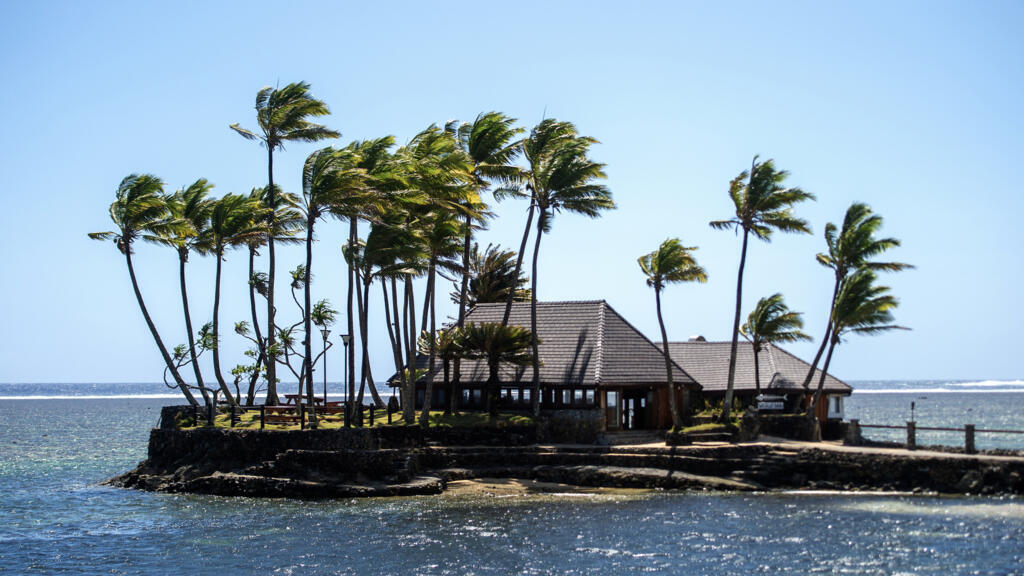
The warning came as Fiji hosted Pacific climate meetings in Nadi, with a visit to Tuvalu, ahead of the COP31 summit in Turkey. The talks spotlight the Pacific’s particular vulnerability: rising seas threaten homes, warming waters contribute to coral bleaching, and sea levels are rising faster than the global average in Pacific island countries. A U.N. report says developing countries need $310 billion to $365 billion for climate adaptation, but had only $26 billion in adaptation finance in 2023.
Fiji’s climate minister, Lynda Tabuya, urged countries to provide climate finance and support a “just transition” for vulnerable nations. She acknowledged disagreements with Australia, a major coal exporter and head of this year’s climate negotiations, over fossil-fuel expansion, but said Pacific countries should seek common ground. Australian climate negotiator Chris Bowen said limiting warming to 1.5 degrees Celsius offers hope for vulnerable island nations and argued Australia could contribute to the discussions despite its fossil-fuel exports.
The article also describes community-level impacts in Fiji. Residents of Naidiri Village spoke about efforts to protect marine life and the effects they experience, including rising seas and heat waves. Delegates are due to visit low-lying Tuvalu, which is planning for the possible relocation of its population if rising seas make the country uninhabitable. The report notes that as many as 1.2 billion people could be displaced by 2050.
Entities: Simon Stiell, Lynda Tabuya, Chris Bowen, Joseva Kunagado, Manoa Duwai • Tone: urgent • Sentiment: negative • Intent: inform
05-10-2026
Pacific Island leaders are using preparatory climate talks in Fiji to call for stronger international action as rising seas and other climate impacts threaten the homes, livelihoods and cultural heritage of low-lying island communities. The meetings bring together ministers and climate negotiators from around 60 countries ahead of COP31, the UN climate conference scheduled to begin in Turkey next month. Organizers say holding discussions in the Pacific makes the consequences visible and gives frontline communities a chance to participate.
Tuvalu, where delegates are due to travel, is among the countries most exposed to sea-level rise. Its prime minister, Feleti Teo, told the UN General Assembly that the threat is already a present reality. The archipelago averages only about two meters above sea level and faces increasingly frequent flooding. Other effects described by climate negotiator Anne Rasmussen include homes and ancestral burial grounds exposed at low tide, repeated storms and floods, and saltwater contaminating freshwater supplies and harming crops. Warming oceans also damage coral reefs, threatening marine ecosystems and livelihoods.
Pacific leaders want countries to renew their commitment to limiting global warming to 1.5 degrees Celsius, the goal established in the 2015 Paris Agreement. However, a UN report cited in the article says even a best-case scenario could bring warming to at least 1.8 degrees above pre-industrial levels, while adding that temperatures could still be brought down. Climate advocates also call for international cooperation to help vulnerable nations adapt and build resilience.
Climate finance is another central issue: poorer countries that contributed little to global warming are demanding greater support from wealthier, high-emitting nations. Advocates also want major fossil-fuel companies to contribute to climate damages. The talks will address the transition away from fossil fuels, a goal countries endorsed in 2023 but have made little progress toward. Scientists say ending the burning of oil, gas and coal is necessary to bring temperatures back within agreed limits and prevent the most severe impacts.
Entities: Anne Rasmussen, Feleti Teo, Natasha Green, Laura Schäfer, Tuvalu • Tone: analytical • Sentiment: negative • Intent: inform
05-10-2026
Pacific leaders are using UN pre-COP climate talks in Nadi, Fiji, to press for stronger global action ahead of next month’s COP31 summit in Turkey. The discussions, which also include a meeting in Tuvalu, are expected to focus on keeping the 1.5°C warming limit within reach, improving access to climate finance, and giving the effects of climate change on oceans greater attention. Pacific island communities face severe risks from rising seas, warmer temperatures and coral bleaching. Fiji Climate Minister Lynda Tabuya said the region wants climate finance to reach vulnerable communities and the ocean to be given a central place in climate policy.
A UN report cited in the article says sea levels are rising at a record pace and could contribute to the displacement of as many as 1.2 billion people by 2050. Pacific island countries are experiencing sea-level rise at twice the global average. The report also describes a major gap between the funds developing countries need to adapt—$310 billion to $365 billion—and the $26 billion in adaptation finance available in 2023. Australia’s Climate Minister Chris Bowen said the talks should draw on the experience of communities at the forefront of climate impacts.
The article notes that the gathering has attracted fewer world leaders than regional officials had hoped: fewer than a dozen had publicly confirmed attendance. Nepal’s Foreign Minister Shisir Khanal is among those expected, following deadly flooding in Nepal and China. Delegates will also travel to Tuvalu, where authorities are considering plans to relocate the population if rising seas overwhelm the low-lying nation. Tuvalu Prime Minister Feleti Teo called sea-level rise a present reality and urged decisive collective action.
The limited attendance has prompted disappointment among local observers. The article also reports criticism of Australia’s climate leadership: while officials point to expanding renewable energy, activists and Greenpeace’s Shiva Gounden accuse the country of failing to match its climate rhetoric with action to end reliance on fossil fuels.
Entities: Nadi, Fiji, Tuvalu, COP31, United Nations pre-COP climate talks, Lynda Tabuya • Tone: analytical • Sentiment: negative • Intent: inform
05-10-2026
UN climate chief Simon Stiell is expected to warn that extreme heat is putting pregnant women and newborns at growing risk. Speaking at the pre-COP31 summit in Nadi, Fiji, he will cite a survey in which more than two-thirds of health professionals across five continents reported seeing pregnancy-related complications associated with intense heat in the past five years. The reported risks include premature birth, stillbirth, low birth weight, maternal complications, restricted growth, feeding difficulties, dehydration and heat-related illness.
The survey, commissioned by the Wellcome charitable foundation, questioned 1,000 midwives and doctors in the United Kingdom, Australia, India, Brazil and Zimbabwe. Nearly all respondents said they had cared for mothers or babies affected by extreme heat, and about a third reported specific problems they believed were caused by it. Wellcome chairwoman and former Australian prime minister Julia Gillard said that climate change is increasing risks to mothers and babies and urged leaders to act on the evidence and available solutions.
The article places these concerns in the context of worsening climate conditions. Scientists warn that climate change is intensifying extreme weather and making heat records more frequent. AFP analysis of Copernicus climate observatory data found that around 33 countries across western Europe, the Sahel and Central America recorded their hottest July since records began in 2026.
Pacific leaders view the Fiji summit, also involving the coral atoll of Tuvalu, as an opportunity to draw attention to communities on the front line of climate change. The meeting precedes the UN-sponsored COP31 climate summit, scheduled for November in Turkey. Stiell frames pregnancy and birth as an emerging fault line in the climate crisis, warning that heat-related harms could deepen inequality and suffering.
Entities: Simon Stiell, Julia Gillard, United Nations, Wellcome, Nadi, Fiji • Tone: urgent • Sentiment: negative • Intent: warn