03-09-2026
France experienced its hottest summer since national measurements began in 1900, according to Environment Minister Monique Barbut and data from Meteo France. The average temperature across June, July and August reached 24°C, or 3.6°C above the seasonal normal. This surpassed the previous major record from 2003, when temperatures were 2.7°C above normal.
The extreme heat was accompanied by unusually dry conditions. Summer rainfall was nearly 40% below average, making 2026 the second-driest summer recorded in France. The country also experienced 53 days of heatwave conditions across three separate episodes, substantially more than the 33 days recorded during the summer of 2022. Ocean temperatures around mainland France and Corsica also reached record levels, while unusually hot periods in May and early September indicated that extreme heat was extending beyond the traditional summer season.
The heat and drought contributed to severe wildfire conditions. Firefighters battled blazes throughout the country, including in northern France and Brittany, regions normally associated with cooler and wetter weather. A major fire near Bordeaux destroyed large areas of forest and forced approximately 250,000 people to evacuate.
The article places France’s experience within a broader European context. Millions of people across France, Italy, Spain, the United Kingdom and other parts of western and southern Europe endured extreme temperatures. Scientists cited by the article say Europe is the fastest-warming continent, with temperatures rising at roughly twice the global average since the 1980s, according to the EU’s Copernicus Climate Change Service. The reported heat, drought, wildfires and extended hot spells are presented as indicators of the growing effects of climate change.
Entities: France, Monique Barbut, Meteo France, European Union Copernicus Climate Change Service, Summer 2026 temperature record • Tone: urgent • Sentiment: negative • Intent: inform
03-09-2026
France experienced its hottest summer on record in 2026, according to Environment Minister Monique Barbut, following a season marked by repeated heatwaves, drought and extensive wildfires. The article says the summer climate report covers June through August and notes that France joined Belgium and Britain in recording their hottest summers ever during an exceptionally hot season across Europe. The report contains an inconsistency over the historical baseline: the opening states that measurements began in 1990, while Barbut is quoted as referring to records dating back to 1900.
France experienced several severe heatwaves. A late-June episode set a new intensity record, while another heatwave from late July into August lasted 23 days, matching the country’s longest heatwave previously recorded in 1983. Meteo-France reported 53 days of heatwave conditions during the summer, describing the total as completely unprecedented.
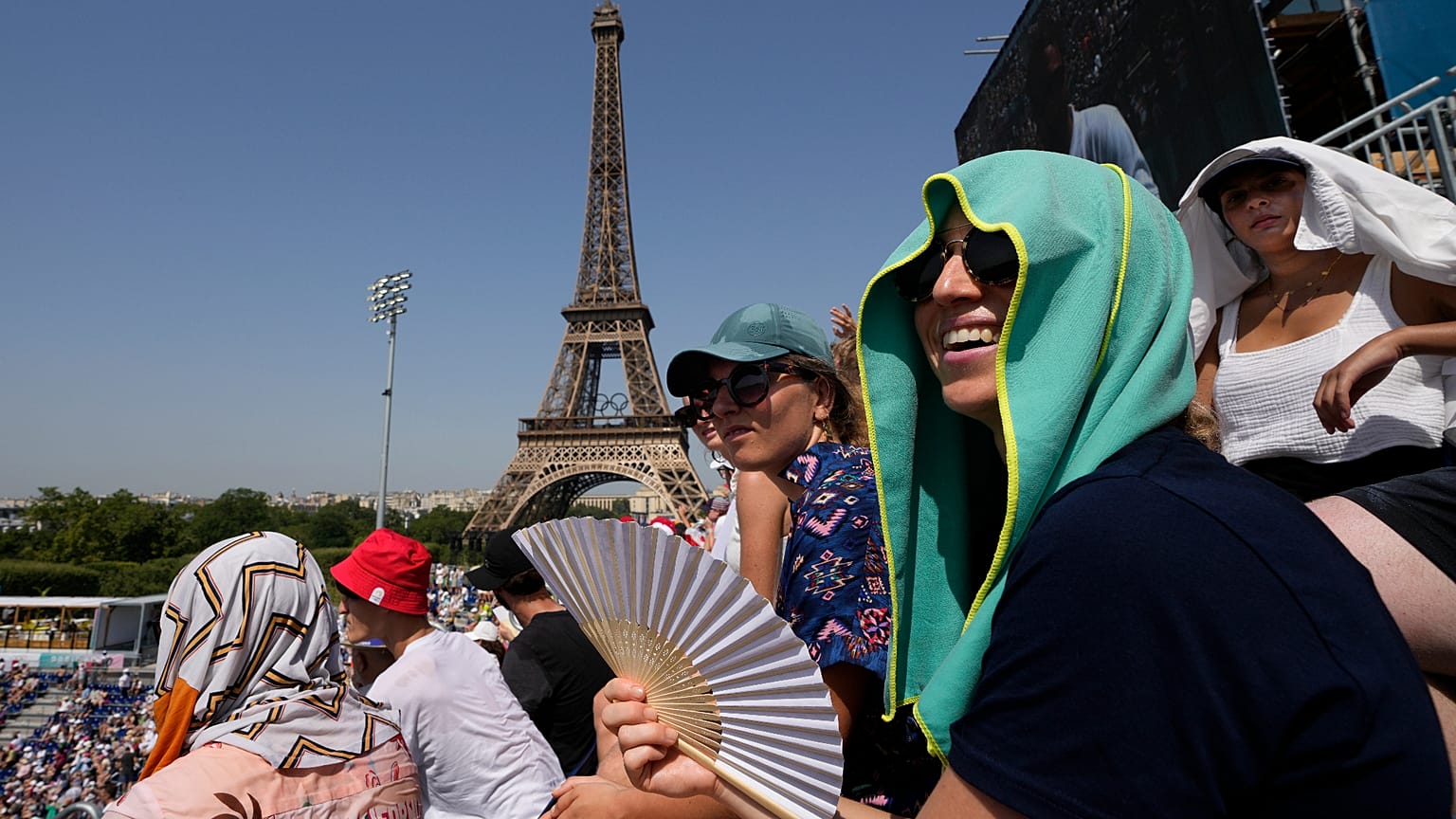
The extreme heat coincided with major wildfire activity. By the end of August, forest fires had burned six times more land than the average area recorded during the previous 20 years. The heatwaves also caused thousands of excess deaths across France and Europe. In Paris, where air conditioning is uncommon, residents used foil survival blankets to block sunlight, while schools closed and demand for fans and air-conditioning units surged.
Barbut said the summer could become either the beginning of a continuing series of broken temperature records or a turning point toward stronger climate adaptation and greenhouse-gas reductions. Prime Minister Sébastien Lecornu had tasked her with accelerating France’s national climate adaptation plan. She promised proposals by the end of September, including a five-year funding plan, while acknowledging that preparations such as school renovations had been inadequate. Immediate measures could include installing shutters and air circulators before next summer.
Entities: France, Monique Barbut, Sébastien Lecornu, FRANCE 24, Meteo-France • Tone: analytical • Sentiment: negative • Intent: inform
03-09-2026
France recorded its hottest summer since national measurements began in 1900, according to Environment Minister Monique Barbut. The summer of 2026, defined by meteorologists as the period from June through August, was marked by repeated heatwaves, drought and major wildfires. France’s record comes amid similarly unprecedented heat in Belgium and Britain, following a season of extreme temperatures across Europe, which is warming faster than any other continent.
The country experienced several severe heatwaves. A spell in late June set a new record for intensity, while another that began in late July and continued into August lasted 23 days. That matched France’s record for its longest heatwave, previously established in 1983. The prolonged hot and dry conditions contributed to several major wildfires and intensified concerns about the effects of climate change.
Scientists attribute the increasing intensity and frequency of extreme weather events to human-caused climate change. Barbut said the summer would be remembered as a historic moment and posed a broader question about whether it would become the first in a continuing series of record-breaking summers or mark a point when governments and societies began responding more effectively through climate adaptation and emissions mitigation.
The report highlights the growing risks facing France and Europe, including heat-related threats, water shortages, drought and wildfire danger. It also suggests that the latest record is not an isolated event, but part of a broader pattern of accelerating climate extremes. The French government’s response will therefore involve both adapting to more severe conditions and taking measures to reduce the causes of climate change.
Entities: France, Monique Barbut, Saint-Mandé, Lyon, Belgium • Tone: analytical • Sentiment: negative • Intent: inform