02-09-2026
A BBC team traveled through southern Lebanon with a UN peacekeeping convoy and documented an expanding Israeli military presence in territory controlled by Israel after its latest war with Hezbollah. The area near the Mediterranean border is largely deserted, with abandoned crops, destroyed buildings, Israeli checkpoints, military roads, surveillance drones and residential structures being used as military positions. Israeli flags mark the boundary of the occupied zone, which covers about 5% of Lebanon and extends up to 10km from the border in some places.
According to Unifil, Israel has established four new bases in the invaded area, bringing the total number of positions to nine. The peacekeeping force says Israeli positions are being fortified and that apparent Israeli civilian personnel are assisting with demolitions and engineering work. Israeli Defence Minister Israel Katz has instructed the military to prepare for a long-term presence, while Israeli officials describe the area as a security zone intended to protect northern Israel from Hezbollah rockets, drones and possible ground attacks.
Human rights groups accuse Israel of deliberately destroying civilian infrastructure, potentially amounting to war crimes. Israel says the damaged buildings were used by Hezbollah for military purposes and that its forces are operating under international law. A Lebanese intelligence official told the BBC that Lebanon had recorded more than 5,000 Israeli violations of the ceasefire, including air strikes, drone attacks, shelling and incursions beyond the Yellow Line.
The dispute is tied to Hezbollah’s weapons and Israel’s demand for the group’s disarmament before a withdrawal. A US-brokered plan involving Israeli withdrawals from designated “pilot zones” and Lebanese army deployments has stalled. Hezbollah rejects disarmament before a full Israeli withdrawal, while Israel says Lebanon’s army has failed to act. Diplomats fear the deadlock could produce a prolonged, Gaza-like Israeli presence and prevent displaced Lebanese civilians from returning home.
Entities: Southern Lebanon, Naqoura, Israel, Lebanon, Hezbollah • Tone: analytical • Sentiment: negative • Intent: inform
02-09-2026
The France 24 report examines the work of United Nations Interim Force in Lebanon (UNIFIL) peacekeepers in southern Lebanon, where they operate amid continuing tensions between Israel and Hezbollah. Since the spring referenced in the report, approximately 6 percent of Lebanon has been occupied by the Israeli army. Despite this military presence and the broader instability along the Israel-Lebanon frontier, about 600 French soldiers serving with UNIFIL continue to patrol the area.
The mission is presented as both important and highly constrained. UNIFIL personnel monitor conditions on the ground and document alleged violations of United Nations resolutions by both Israel and Hezbollah. Their role is therefore not limited to maintaining a physical presence; it also involves recording developments and reporting on actions by the two opposing parties. The report emphasizes the difficulty of carrying out this work while caught between the interests and military activities of Israel and Hezbollah.
A central issue is the uncertain future of the peacekeeping operation. Although UNIFIL continues its patrols, the report suggests that the mission’s long-term status and effectiveness remain unclear in a volatile environment. The segment was produced by France 2’s Florent Marchais in collaboration with France 24 and is part of the “Focus” program. It uses reporting from southern Lebanon to illustrate the risks and diplomatic challenges confronting international peacekeepers in a conflict zone.
Overall, the report informs viewers about UNIFIL’s ongoing activities, the presence of Israeli forces in Lebanon, alleged violations of UN resolutions, and the precarious position of peacekeepers attempting to monitor the situation.
Entities: UNIFIL (United Nations Interim Force in Lebanon), Southern Lebanon, Lebanon, Israel, Hezbollah • Tone: analytical • Sentiment: negative • Intent: inform
02-09-2026
The National reports that Israel’s military has gradually expanded its de facto control in southern Lebanon beyond a self-established “yellow line,” despite a ceasefire with Hezbollah. Based on visits to villages and interviews with more than a dozen residents and local officials, the report documents Israeli tanks and remotely operated armoured bulldozers entering at least three communities outside the proclaimed security zone, which is estimated to extend five to 10 kilometres into Lebanon.
In Haris, an Israeli bulldozer accompanied by a tank advanced roughly 500 metres beyond the line into the Arayesh neighbourhood, destroyed a road and placed a container on the property of the Moussa family while residents were still inside their home. A weapons expert said footage indicated that the bulldozer was remotely operated and may have planted an explosive. The container was later detonated, destroying the house and leaving the neighbourhood effectively depopulated. Israeli forces have reportedly prevented residents from returning through surveillance and firepower.
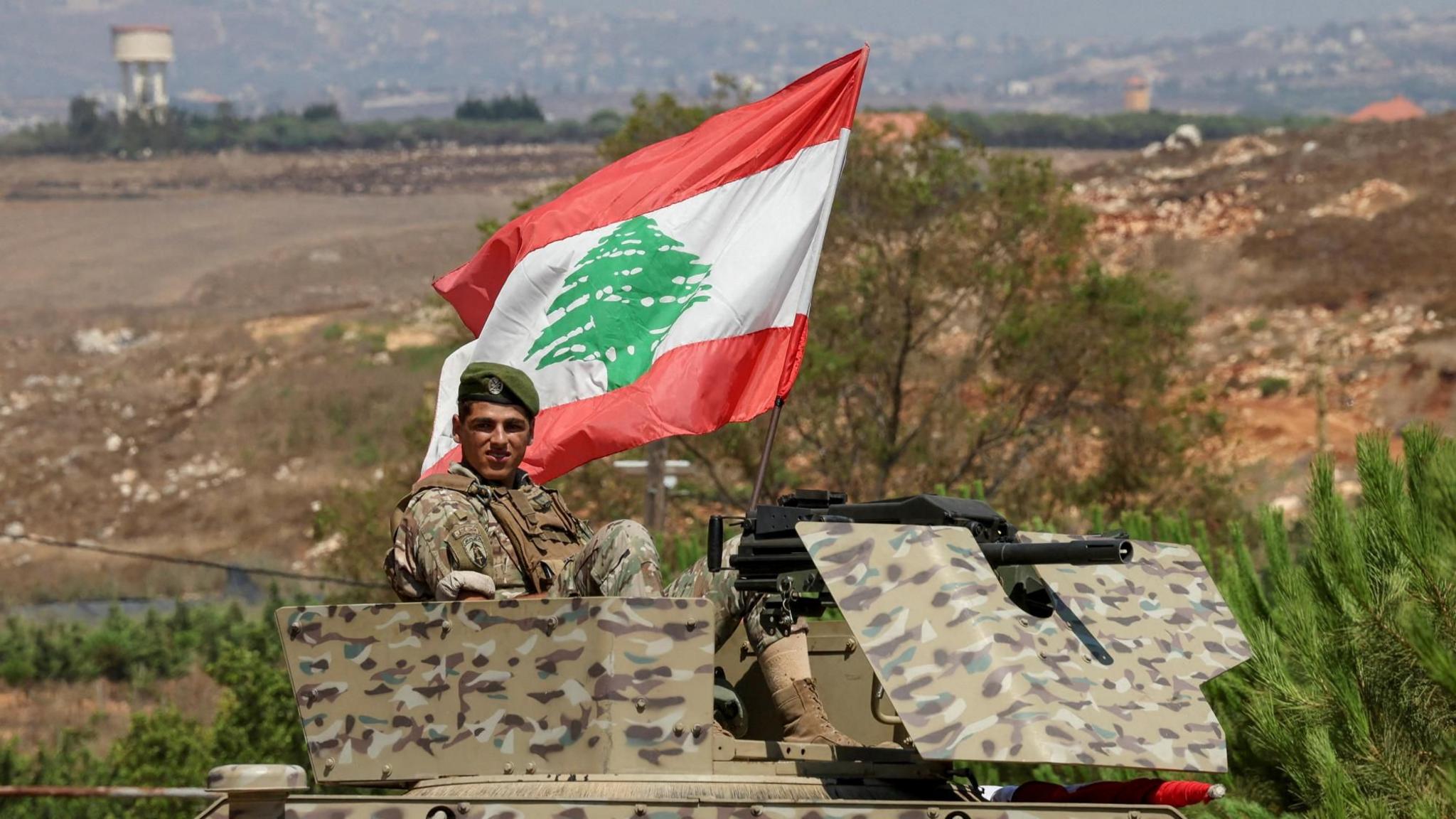
The Lebanese Armed Forces subsequently established a checkpoint where the Israeli bulldozer had stopped, restricting access to the area and, according to military expert Mounir Shehadeh, formalising an expanded Israeli-controlled zone. Shehadeh described the arrangement as a “mobile buffer zone” that does not require a permanent Israeli troop presence.
Similar activity has been reported in Aita Al Jabal, where Israeli tanks allegedly make repeated incursions of about 300 metres, patrol the outskirts, destroy homes, start fires and fire weapons at night. Another Lebanese army checkpoint has cut residents off from parts of the village. Residents and officials said the incremental incursions appear designed to intimidate civilians and encourage them to leave. The article places the developments within a broader conflict that began on March 2 after Hezbollah launched missiles at Israel during the US-Iran war, following months of ceasefire violations and Israel’s failure to fully withdraw from Lebanon. The report says Israeli attacks have killed more than 4,000 people and destroyed dozens of villages.
Entities: Israeli army, Lebanese Armed Forces (LAF), Hezbollah, Israel–Lebanon ceasefire, Southern Lebanon security zone • Tone: analytical • Sentiment: negative • Intent: analyze