Articles in this Cluster
10-07-2026
Huge crowds gathered in Mashhad, Iran, for the burial of Ayatollah Ali Khamenei, the country’s late supreme leader, bringing to a close six days of public mourning held across multiple Iranian and Iraqi cities. Khamenei was buried at the Imam Reza shrine, one of Shia Islam’s holiest sites, in a ceremony designed by Iran’s leadership to project unity and resolve after a devastating war and amid renewed tensions with the United States. The article says Khamenei and several family members were killed in an Israeli strike on his residence in Tehran on 28 February, triggering a wider conflict involving Iran, the US, and Israel.
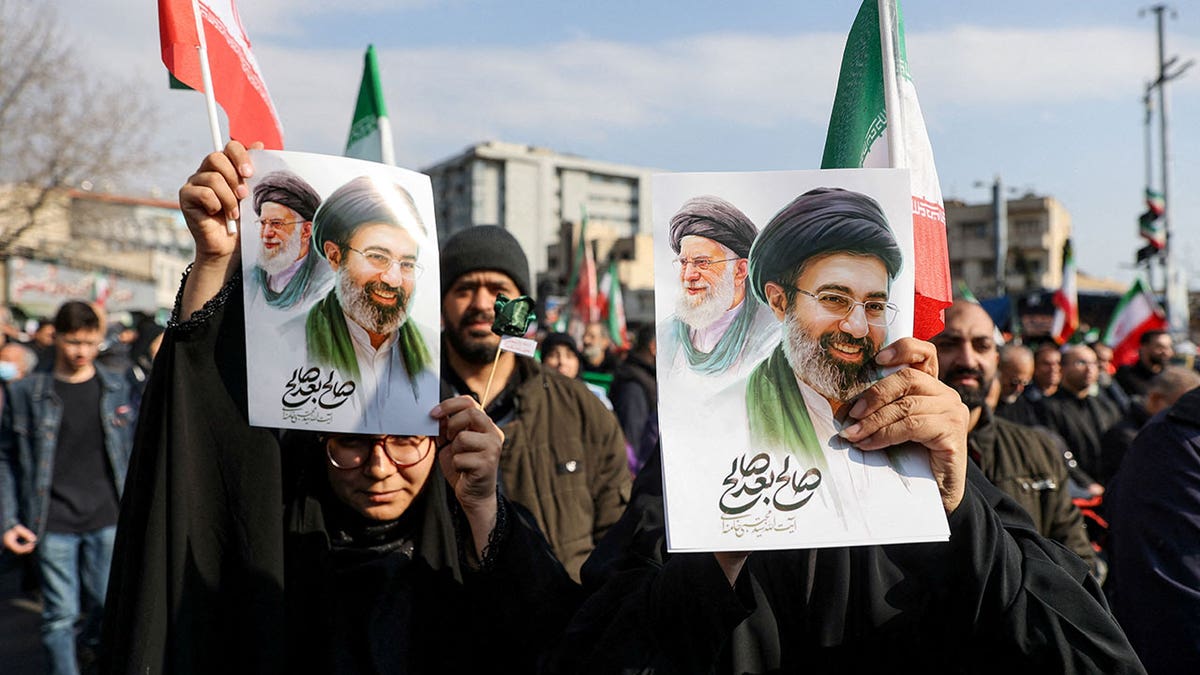
The funeral procession in Mashhad featured thousands of mourners dressed in black, waving Iranian flags and red banners symbolizing vengeance, while some carried images of Khamenei and signs calling for the death of US President Donald Trump and Israeli Prime Minister Benjamin Netanyahu. State media showed the coffin being slowly transported through the crowds to the shrine as night fell. The article places Khamenei’s burial in the context of his long rule: appointed supreme leader in 1989, he maintained tight control over Iran’s politics and military and took hard-line positions against the US and Israel.
The piece also highlights escalating military exchanges and the fragility of diplomatic efforts. The Revolutionary Guards accused the US of bombing bridges on the Tehran-Mashhad railway line to overshadow the funeral, while Trump warned that US attacks could get worse. Iran said it had struck US facilities in several Gulf states in retaliation. The article concludes by noting that a recent US-Iran memorandum of understanding aimed at ending hostilities and advancing talks over nuclear issues and sanctions may now be in jeopardy.
Entities: Ali Khamenei, Mojtaba Khamenei, Imam Reza shrine, Mashhad, Tehran • Tone: urgent • Sentiment: negative • Intent: inform
10-07-2026
Traffic through the Strait of Hormuz has dropped sharply after renewed US-Iran exchanges over shipping routes and attacks on vessels in the Gulf. BBC Verify reports that only 23 tankers and cargo ships crossed the waterway on Wednesday, down from 47 a week earlier and far below the pre-conflict average of 138 a day. The latest fall follows strikes on three ships this week, all of which were traveling near the US-recommended route through Omani waters. The article explains that the Strait has become a major flashpoint in the wider US-Iran confrontation: Iran has sought to control passage through the strait, while the US and its allies insist it must remain free and open. After a June 17 peace deal briefly raised traffic, tensions flared again when ships were struck in Omani waters, prompting US retaliation and further Iranian accusations of treaty violations. Experts quoted in the article say the agreement was vague on the future administration of the Strait and that neither sanctions relief nor military pressure has yet altered Iran’s behavior. The result is a renewed slowdown in shipping, with the Omani route effectively halting after the latest attacks and broader concern that maritime traffic will remain volatile until there is a more durable settlement.
Entities: Strait of Hormuz, Iran, United States, Oman, US and Israel strikes • Tone: analytical • Sentiment: negative • Intent: inform
10-07-2026
The article reports that the U.S. military carried out a second consecutive night of strikes against Iran, escalating a rapidly deteriorating confrontation between the two countries. U.S. Central Command said the latest strikes were aimed at further reducing Iran’s ability to threaten shipping in the Strait of Hormuz, and that roughly 90 targets were hit, including air defenses, drone and missile storage sites, naval targets, and logistics infrastructure along Iran’s coast. The strikes were ordered by President Trump in response to Iranian attacks on three commercial oil tankers earlier in the week.
The article describes widening regional fallout: Iranian media reported explosions in multiple cities, while Kuwait said it was confronting hostile missile and drone attacks and Bahrain sounded emergency sirens. Although the source of those threats was not officially identified, they were framed as likely tied to Iran’s retaliation against U.S.-allied Gulf states. The piece also places the attacks within a broader collapse in diplomacy, noting that Trump declared the ceasefire effectively over and warned Iran that things could get “much worse” if it continued attacking ships.
The article further explains that the latest violence threatens fragile negotiations between Washington and Tehran. Those talks had recently been extended by memorandum, with both sides agreeing to reopen the Strait of Hormuz, ease sanctions, and continue discussions over Iran’s nuclear program. However, since then, both sides have accused each other of violating the deal, and Trump’s comments suggest he has grown increasingly skeptical of diplomacy. Overall, the article portrays a tense and escalating military-diplomatic crisis with major implications for regional security, shipping routes, and oil markets.
Entities: U.S. military, U.S. Central Command (CENTCOM), President Trump, Iran, Strait of Hormuz • Tone: urgent • Sentiment: negative • Intent: inform
10-07-2026
CNN reports that Israel recently shared intelligence with the United States warning that Iran had devised a new plan to assassinate President Donald Trump, intensifying already high tensions between Washington and Tehran. According to two sources familiar with the matter, one warning came earlier in the week and described a specific plot, while another source said U.S. intelligence had separately detected a general pattern of possible assassination-related activity in recent weeks. Officials cautioned, however, that the Israeli information had not yet been independently vetted by the U.S. and may also have been intended to influence Trump’s decision-making as he considers whether to escalate U.S. military involvement against Iran.
The article places the warning in the broader context of long-running Iranian threats against Trump, tied to the 2020 drone strike that killed Qasem Soleimani, and to recent public rhetoric from Trump himself claiming he was on Iran’s assassination list. It also describes a volatile moment in U.S.-Iran relations, with ceasefire efforts fraying, strikes and threats continuing, and behind-the-scenes diplomacy still reportedly underway. While military preparations were made, including arming fighter jets aboard the USS Abraham Lincoln, officials said the U.S. was still prioritizing diplomacy and continuing negotiations on a possible nuclear deal by mid-August. The story emphasizes uncertainty about the Israeli report, skepticism within parts of the intelligence community, and the broader geopolitical struggle surrounding Iran, Trump, and Israeli Prime Minister Benjamin Netanyahu.
Entities: Israel, United States, Iran, Donald Trump, Benjamin Netanyahu • Tone: urgent • Sentiment: negative • Intent: inform
10-07-2026
CNN’s live updates report on a volatile pause in fighting between the United States, Israel, and Iran after a recent exchange of strikes threatened to unravel a ceasefire and broader diplomatic efforts. The article says the U.S. is deliberately striking and then pausing to avoid further escalation, while keeping military options available as leverage. Behind the scenes, diplomats from the U.S., Pakistan, and Qatar are trying to bring Washington and Tehran back to the negotiating table, including on nuclear issues. The updates also note that Iran’s slain supreme leader Ali Khamenei was buried in Mashhad after several days of funeral proceedings, but his son and reported successor Mojtaba Khamenei was notably absent from public view, fueling questions about who is actually leading the Islamic Republic during this transition.
The piece also highlights the wider regional and economic fallout. Shipping traffic through the Strait of Hormuz has fallen sharply again after strikes on commercial vessels, and marine insurers are rapidly adjusting war-risk premiums based on the latest geopolitical developments. The article further reports that Israel shared intelligence with the U.S. alleging Iran had developed a new plan to assassinate President Donald Trump, while Trump and Israeli Prime Minister Benjamin Netanyahu spoke by phone and agreed to continue coordinating. Separate reporting mentions continued tensions in Lebanon, where President Joseph Aoun is linking negotiations with Israel to a military withdrawal from southern Lebanon. Overall, the article depicts a region in flux, with military, diplomatic, and economic pressures all shifting hour by hour.
Entities: Iran, United States, Israel, Ali Khamenei, Mojtaba Khamenei • Tone: analytical • Sentiment: neutral • Intent: inform
10-07-2026
CNN’s live updates report a temporary lull in fighting as mediators try to restart stalled US-Iran talks amid a widening regional crisis. According to officials cited by CNN, the United States is intentionally carrying out strikes and then pausing in an effort to avoid further escalation and preserve room for diplomacy. The article also highlights the politically sensitive aftermath of the killing of Iran’s Supreme Leader Ali Khamenei, whose funeral was held in Mashhad without any public appearance by his son and successor, Mojtaba Khamenei, fueling speculation about who is truly in control of the Islamic Republic. Beyond the leadership mystery, the piece describes practical consequences of the conflict: US gas prices have risen sharply, shipping through the Strait of Hormuz has slowed significantly, and insurers have reacted to heightened maritime risk. The article also notes that Israel reportedly shared intelligence with the US that Tehran had devised a new plan to assassinate President Donald Trump, raising the stakes even further. Overall, the article portrays a volatile but temporarily paused conflict in which diplomacy, secrecy, military pressure, and economic disruption are all intersecting.
Entities: United States, Iran, CNN, Ali Khamenei, Mojtaba Khamenei • Tone: analytical • Sentiment: negative • Intent: inform
10-07-2026
The article is a CNN video report focused on the USS Abraham Lincoln operating in the Strait of Hormuz and the broader escalation between the United States and Iran. The segment describes fighter jets launching from the aircraft carrier to conduct defensive missions throughout the strait while the US considers its next steps against Iran. It also situates the carrier as part of a larger military and diplomatic crisis, noting that an interim agreement between Washington and Tehran is collapsing after renewed strikes and retaliatory actions.
The surrounding video lineup and captions indicate rapidly developing conflict coverage: explosions in an Iranian port city, CNN reporting from the carrier as tensions rise, and interviews from Tehran reflecting Iranian anger at President Trump’s comments. The article’s framing emphasizes the volatility of the situation, with references to commercial vessels targeted in the Strait of Hormuz, fresh US airstrikes, and Trump’s statements that the ceasefire or memorandum of understanding may be over. Overall, the piece serves as a snapshot of an active military standoff and a diplomatic breakdown, using on-scene reporting to underscore the seriousness and immediacy of the US-Iran confrontation.
Entities: USS Abraham Lincoln, Strait of Hormuz, Arabian Sea, Iran, United States • Tone: urgent • Sentiment: negative • Intent: inform
10-07-2026
The article is a short CNN video write-up centered on correspondent Frederik Pleitgen’s assessment that Iranian authorities are trying to establish a “red line” in their response to recent US strikes on coastal areas. The piece appears amid a larger package of related CNN video clips about escalating US-Iran tensions, including renewed strikes, commercial vessel attacks in the Strait of Hormuz, and President Donald Trump’s statements that the ceasefire or memorandum of understanding with Tehran may be over. Pleitgen’s commentary suggests Iran is attempting to define the limits of acceptable escalation while reacting to US military pressure.
Although the page is dominated by embedded video promotions and related links, the core news point is that the situation between the US and Iran remains volatile and potentially on the verge of wider confrontation. The article frames Iranian behavior as strategic and defensive, implying that Tehran is trying to signal boundaries in the conflict rather than simply retaliating without restraint. The surrounding clips reinforce the broader context: reported explosions in an Iranian port city, US airstrikes, tension aboard the USS Abraham Lincoln, and Trump threatening more strikes. Overall, the article is best understood as a brief television-news update within a rapidly evolving military and diplomatic crisis.
Entities: Frederik Pleitgen, Becky Anderson, CNN, Iran, Tehran • Tone: analytical • Sentiment: negative • Intent: inform
10-07-2026
The article is a short CNN video-focused report centered on the USS Abraham Lincoln, an American aircraft carrier operating in the Arabian Sea amid escalating US-Iran tensions. The main point is the role of a destroyer assigned to protect the carrier, with CNN explaining that destroyers are designed to intercept threats aimed at larger ships. The report is anchored by CNN’s Pamela Brown, who is shown reporting from aboard the carrier and from inside its hangar, offering viewers a close look at the military hardware involved in the standoff.
The broader context is the breakdown of a fragile truce or interim agreement between the US and Iran after renewed strikes and retaliatory actions. The article’s surrounding video links and descriptions mention explosions in an Iranian port city, fresh US strikes, and statements from President Donald Trump suggesting the ceasefire or memorandum of understanding is effectively over. While the main featured video is about the destroyer protecting the USS Abraham Lincoln, the page situates that footage within a rapidly deteriorating conflict environment and an ongoing escalation between the two countries. Overall, it serves as a visual, on-the-ground snapshot of US naval presence and defensive posture during a tense geopolitical moment.
Entities: USS Abraham Lincoln, destroyer, aircraft carrier, Arabian Sea, Pamela Brown • Tone: analytical • Sentiment: neutral • Intent: inform
10-07-2026
The article reports on a sharp escalation in U.S.-Iran tensions after U.S. Central Command said it carried out additional strikes against Iranian targets. According to Fox News, Iranian parliamentary and political officials responded with threats, warning that the Islamic Republic would retaliate and that the Strait of Hormuz would only open under “Iranian arrangements,” not American pressure. The article highlights posts from Ebrahim Rezaei, a representative in Iran’s Parliament and spokesperson for the National Security and Foreign Policy Commission, and Mohammad Bagher Ghalibaf, the speaker of Iran’s Parliament, both of whom used hostile language toward the United States.
CENTCOM said the new strikes were intended to degrade Iran’s ability to threaten commercial shipping and civilian mariners in the Strait of Hormuz. The military claimed it struck about 90 Iranian military targets, including air defense systems, coastal surveillance assets, missile and drone storage sites, naval capabilities, and logistics infrastructure along Iran’s coastline. The article also notes that a previous round of strikes hit about 80 targets, including more than 60 Islamic Revolutionary Guard Corps small boats, after Iran allegedly violated a ceasefire by attacking commercial vessels.
The story further says Trump indicated the U.S.-Iran ceasefire was “over,” and it reports attacks or interceptions in Kuwait and Bahrain, where ballistic missiles, cruise missiles, and drones were said to have been detected and countered. Overall, the piece frames the situation as a rapidly intensifying military confrontation with regional spillover risks and potential implications for maritime security in the Persian Gulf.
Entities: Iran, United States, U.S. Central Command (CENTCOM), Strait of Hormuz, Ebrahim Rezaei • Tone: urgent • Sentiment: negative • Intent: inform
10-07-2026
The article reports a sharp escalation in the conflict between the United States and Iran, with fresh U.S. airstrikes on Iranian targets followed by Iranian retaliation against U.S.-allied countries and bases across the Middle East. The exchanges threatened an interim ceasefire that had been intended to slow the war and open the way toward a permanent deal. The violence widened concerns beyond the battlefield, especially around the Strait of Hormuz, a vital shipping lane for global energy supplies.
According to the report, U.S. Central Command said it struck 90 targets in Iran, including sites linked to airstrips, missile launchers, and other military infrastructure. Iran’s Health Ministry said the strikes killed at least 14 people and wounded 78. In response, Iran launched missiles and drones toward Bahrain, Kuwait, Qatar, Jordan, and a U.S. base in Jordan, while some attacks were intercepted and damage was limited or unclear. Iranian media also reported explosions near Bushehr, raising questions about strikes close to Iran’s nuclear power plant complex.
The article also describes the political fallout and symbolic moment of Supreme Leader Ayatollah Ali Khamenei’s funeral procession in Mashhad, where large crowds mourned the leader killed in the war’s opening attacks. U.S. President Donald Trump warned Iran repeatedly that attacks on shipping would bring heavier retaliation and said the ceasefire was effectively over, though he left room for negotiations. Iranian officials, meanwhile, struck a defiant tone while also engaging in diplomatic outreach to regional intermediaries such as Saudi Arabia, Turkey, Oman, and Pakistan. The article closes by noting that talks on a final agreement were expected to begin after Khamenei’s funeral, with key issues including the Strait of Hormuz and Iran’s nuclear program still unresolved.
Entities: United States, Iran, Strait of Hormuz, Bahrain, Kuwait • Tone: urgent • Sentiment: negative • Intent: inform
10-07-2026
The article argues that President Trump’s Iran strategy has reached a strategic dead end after both military strikes and a tentative oil-and-shipping accord failed to produce stability or compliance. Trump initially believed that allowing Iran to sell oil and gain access to Western financial systems would incentivize cooperation and lead to a broader settlement. Instead, ship attacks in the Strait of Hormuz prompted him to revoke the oil waiver, resume bombing Iranian military targets, and effectively return to sanctions and coercive pressure. The piece suggests the administration has no clearly articulated “Plan C” and is now cycling back to the same tools—economic sanctions and military strikes—that have already produced escalation.
The article emphasizes the gap between Washington’s expectations and Tehran’s realities. It explains that Trump and his aides seem to have misread a vaguely worded memorandum of understanding, especially the paragraph on safe passage through the strait. The U.S. assumed the deal would restore free traffic; Iran interpreted it as leverage over a crucial oil route. The result was conflict over shipping channels, Iranian fire on vessels, and a near halt in traffic through the strait.
The piece also highlights internal Iranian divisions, showing that Trump’s public framing of Iran as a top-down hierarchy misses the political fragmentation exposed after the killing of Supreme Leader Ayatollah Ali Khamenei. Iranian negotiators and officials are under pressure from hardliners, while the U.S. insists talks can continue at a technical level. But the article argues that the core disputes are political and unresolved, especially over the nuclear stockpile and control of the strait. Overall, the article portrays a failed policy loop, with no clear path to de-escalation and a growing risk that diplomacy is merely postponing another confrontation.
Entities: Donald Trump, JD Vance, Richard N. Haass, Abbas Araghchi, Masoud Pezeshkian • Tone: analytical • Sentiment: negative • Intent: analyze
10-07-2026
Regional mediators, led by Qatar, are urgently trying to prevent the United States and Iran from sliding back into open conflict after a recent cease-fire began to unravel. The article describes a tense and unstable pause in hostilities marked by reciprocal strikes, threats, and disputed interpretations of the truce, especially around the Strait of Hormuz, a critical global shipping lane. Officials familiar with the diplomacy say Qatar has been talking with both Washington and Tehran to reduce tensions, while Bahrain, Kuwait, and Jordan have reported Iranian attacks on or near U.S.-linked facilities. The situation has followed a recurring pattern: alleged Iranian attacks on commercial shipping, U.S. retaliation, Iranian counterattacks, and then another fragile stalemate.
The U.S. military says it struck more than 170 targets in Iran over 48 hours, focusing on coastal military sites to weaken Iran’s ability to threaten shipping in the strait. Iran says the American strikes killed 14 people and wounded 78, and it has threatened to expand attacks if U.S. strikes continue. President Trump said the cease-fire was effectively over, though he also suggested negotiations for a broader settlement could continue. The article emphasizes that, despite a temporary lull in fighting, it remains uncertain whether mediation can prevent a return to wider war.
Entities: Qatar, United States, Iran, Tehran, Washington • Tone: urgent • Sentiment: negative • Intent: inform
10-07-2026
Tanker traffic through the Strait of Hormuz has fallen sharply again after the United States ended a ceasefire with Iran, raising concerns that the fragile commercial recovery in one of the world’s most important energy chokepoints may reverse. The article says vessel transits dropped to 14 on Thursday from 35 the day before, according to Veson Nautical, while MarineTraffic showed movement largely paused on Friday. Although about 513 vessels had passed through the strait since a ceasefire framework was announced on June 17, that remains far below normal conditions, which would have seen roughly 2,500 transits. Kpler reported 759 commodity-related vessels during the same period, with daily passages falling from 37 on Tuesday to 15 on Thursday. Analysts warn that the ceasefire framework left major issues unresolved and may have been based on mismatched expectations about what each side would concede. One analyst said the agreement lacked sufficient detail and that misunderstanding Iran’s position on the strait could contribute to renewed escalation. The article underscores the broader stakes: further disruption in the Strait of Hormuz could affect global energy markets, raise inflation, and increase risk premiums if the ceasefire continues to fracture.
Entities: Strait of Hormuz, United States, Iran, US-Iran ceasefire framework, Washington • Tone: analytical • Sentiment: negative • Intent: inform
10-07-2026
The article explains how renewed conflict in the Strait of Hormuz has rapidly transformed the marine insurance market centered at Lloyd’s of London. After US and Israeli strikes triggered Iranian retaliation and a blockade of the waterway, war-risk premiums for ships crossing the strait surged from roughly 0.25%-0.5% of a vessel’s value to as high as 10% before easing to around 1%-3%. Insurers and brokers now price coverage almost hour by hour, sometimes issuing policies only a few hours before a voyage and for just a few days at a time. The piece illustrates the speed and stakes of the market with an example of brokers arranging coverage in minutes for a ship entering the strait under US Navy guidance.
Beyond pricing, the article details the practical dangers for shipping companies: dozens of attacks on vessels, at least 14 seafarer deaths, mines, shifting routes, and the possibility that ships stranded in the Persian Gulf could become total losses if the conflict drags on. It also notes that around 1,150 cargo vessels, with about $125 billion in vessel and cargo value, remain stranded in the region. At the same time, insurers face legal and sanctions-related complications, including the possibility that any tolls paid to Iranian entities could void coverage.
The article also uses Lloyd’s historical maritime records and artifacts, such as Loss Books and the Lutine Bell, to show how deeply embedded shipping risk is in the institution’s identity. Overall, it presents a vivid picture of how geopolitical conflict, maritime commerce, and insurance pricing intersect in a high-risk chokepoint of global trade.
Entities: Strait of Hormuz, Lloyd’s of London, Tehran, United States, Israel • Tone: analytical • Sentiment: neutral • Intent: inform
10-07-2026
The article reports that President Donald Trump has sharply escalated his rhetoric toward Iran, saying the nuclear deal is effectively over and warning that the United States may proceed with strikes or other coercive measures without a negotiated agreement. Speaking at the NATO summit in Ankara, Trump accused Iranian negotiators of “lying and cheating” and suggested he no longer knows whether a deal is possible. Beyond Trump’s frustration, the piece argues that the deeper issue is political fragmentation inside Iran after the reported death of Ayatollah Ali Khamenei. According to the article, authority in Tehran is now dispersed among Revolutionary Guard commanders, civilian officials, and competing power centers, making it unclear who can actually commit Iran to any agreement or enforce it.
The article highlights Mojtaba Khamenei’s succession as supreme leader, but notes he has not appeared publicly since the attack that killed his father. It describes Parliament Speaker Mohammad Bagher Ghalibaf as a major surviving power broker and outlines rival figures such as IRGC commander Ahmad Vahidi, Quds Force chief Esmail Qaani, and former Foreign Minister Mohammad Javad Zarif. Analysts quoted in the article argue that the Islamic Revolutionary Guard Corps has become Iran’s dominant governing force, meaning any deal signed by one faction may not bind the rest of the regime.
Despite the apparent collapse of diplomacy, the article says Trump’s remarks do not necessarily mean talks are permanently dead. Experts cited suggest that a return to a stronger U.S. blockade, new sanctions, or military buildup would be the clearest signs that diplomacy has fully ended. The broader backdrop is a tense gray zone in which Washington is weighing negotiations against escalation, while Tehran appears to believe increased confrontation is necessary for regime survival.
Entities: Donald Trump, Iran, NATO summit in Ankara, Ayatollah Ali Khamenei, Mojtaba Khamenei • Tone: analytical • Sentiment: negative • Intent: analyze
10-07-2026
The article examines a rare moment of uncertainty at the top of Iran’s political system following the reported death of Supreme Leader Ayatollah Ali Khamenei and the succession of his son, Ayatollah Mojtaba Khamenei. Although Mojtaba was appointed in March after U.S.-Israeli strikes killed his father and predecessor, he has not appeared in public, prompting questions about his health, his authority, and whether he is truly in control. His absence comes as Iran faces severe economic distress, popular frustration, factional rivalry, and renewed danger of conflict with the United States and Israel. The piece describes how the lack of a visible, commanding supreme leader has intensified uncertainty over major issues such as diplomacy, the cease-fire deal, and Iran’s nuclear program.
The article contrasts the present situation with the long eras of Ayatollah Ali Khamenei and Ayatollah Ruhollah Khomeini, when the supreme leader was a central, unmistakable figure who could arbitrate disputes and project authority. With Mojtaba Khamenei absent from public view, no single voice is clearly settling internal disputes, and various factions—including hard-liners, pragmatists, and the Islamic Revolutionary Guards Corps—appear to be jockeying for influence. Some Iranians want him to appear publicly as a symbol of defiance, while others argue his absence is prudent given the threat of further attacks.
Analysts quoted in the article suggest that the regime may be moving toward a more collective form of rule, even as the constitutional powers of the supreme leader remain immense. The piece ultimately portrays Iran as entering a fragile, transitional period in which the future balance of power, the direction of foreign policy, and the state’s ability to manage crisis are all unsettled.
Entities: Iran, Tehran, Mashhad, Beirut, Ayatollah Mojtaba Khamenei • Tone: analytical • Sentiment: neutral • Intent: analyze
10-07-2026
Iran held a major burial ceremony in Mashhad for its late Supreme Leader Ayatollah Ali Khamenei, whose death and the timing of the funeral have become entwined with renewed conflict between Iran and the United States. State media said Khamenei was interred at the Shrine of Imam Reza after a week of funeral processions and public mourning across Iran and Iraq, designed to project unity, revolutionary fervor, and the resilience of the Islamic Republic. The event drew top Iranian officials, large crowds, and intense anti-U.S. chants, including calls to avenge President Donald Trump.
The article emphasizes the political and security significance of the ceremony. Khamenei was killed in the opening strikes of the war launched by the United States and Israel, and his burial took place amid fresh attacks despite a truce reached last month. Iranian officials said U.S. strikes killed 17 people and disrupted transport near Mashhad, underscoring continuing instability. The funeral procession involved heavy security, including aerial escort for the coffin, and the public absence of Khamenei’s son and successor, Mojtaba Khamenei, fueled speculation about his condition and future role. Although he was reportedly appointed supreme leader in March, he has remained out of public view after suffering severe injuries in the strike that killed his father.
Beyond the funeral itself, the article frames Khamenei’s death as the closing of a 37-year era marked by the concentration of power in the supreme leader’s office and by the growing influence of the Islamic Revolutionary Guard Corps. It notes that Iran emerged from the war with strategic gains, including continued control over the Strait of Hormuz, but also with significant destruction, economic strain, and unresolved internal discontent. The burial thus serves both as a religious rite and as a political display of defiance at a moment when Iran’s future leadership and internal stability remain uncertain.
Entities: Ali Khamenei, Mojtaba Khamenei, Mostafa Khamenei, Donald Trump, Mohammad Bagher Ghalibaf • Tone: analytical • Sentiment: negative • Intent: inform
10-07-2026
The article reports that Israel recently shared intelligence with the United States about a new Iranian plot to assassinate President Donald Trump, according to a Wall Street Journal report. The piece places the alleged plot in the context of long-running Iranian threats against Trump, tied to the 2020 U.S. killing of Islamic Revolutionary Guard Corps Gen. Qasem Soleimani. The White House declined to directly comment on the report, instead pointing to Trump’s own remarks at the NATO summit in Ankara, where he said Iran wants to “take out” the U.S. leader and described Iranian leaders as “evil, sick people.”
The article also says Trump traveled to Turkey on a Qatari plane but returned on Air Force One after what the White House described as a security-related “distraction.” It notes that War Secretary Pete Hegseth had been told not to travel to Israel as planned shortly before the plane switch, though it is unclear whether that was related to the same threat. The alleged plot had not yet been vetted by U.S. officials at the time of reporting, and the Journal did not provide specific details about the threat. The report additionally highlights tension between Trump and Israeli Prime Minister Benjamin Netanyahu, especially over the Iran war. Finally, the article references public threats and anti-Trump banners in Tehran, underscoring the broader backdrop of revenge rhetoric and escalation between Iran and the U.S./Israel.
Entities: Israel, United States, Iran, Donald Trump, Benjamin Netanyahu • Tone: urgent • Sentiment: negative • Intent: inform